Is 3 Days in Dubrovnik Too Much?
Three days is enough for the walls, the Old Town and one island or day trip. Here is how to judge whether 3 days, 3 nights, 4 days or a week is right for your trip.
Is 3 Days in Dubrovnik Too Much?
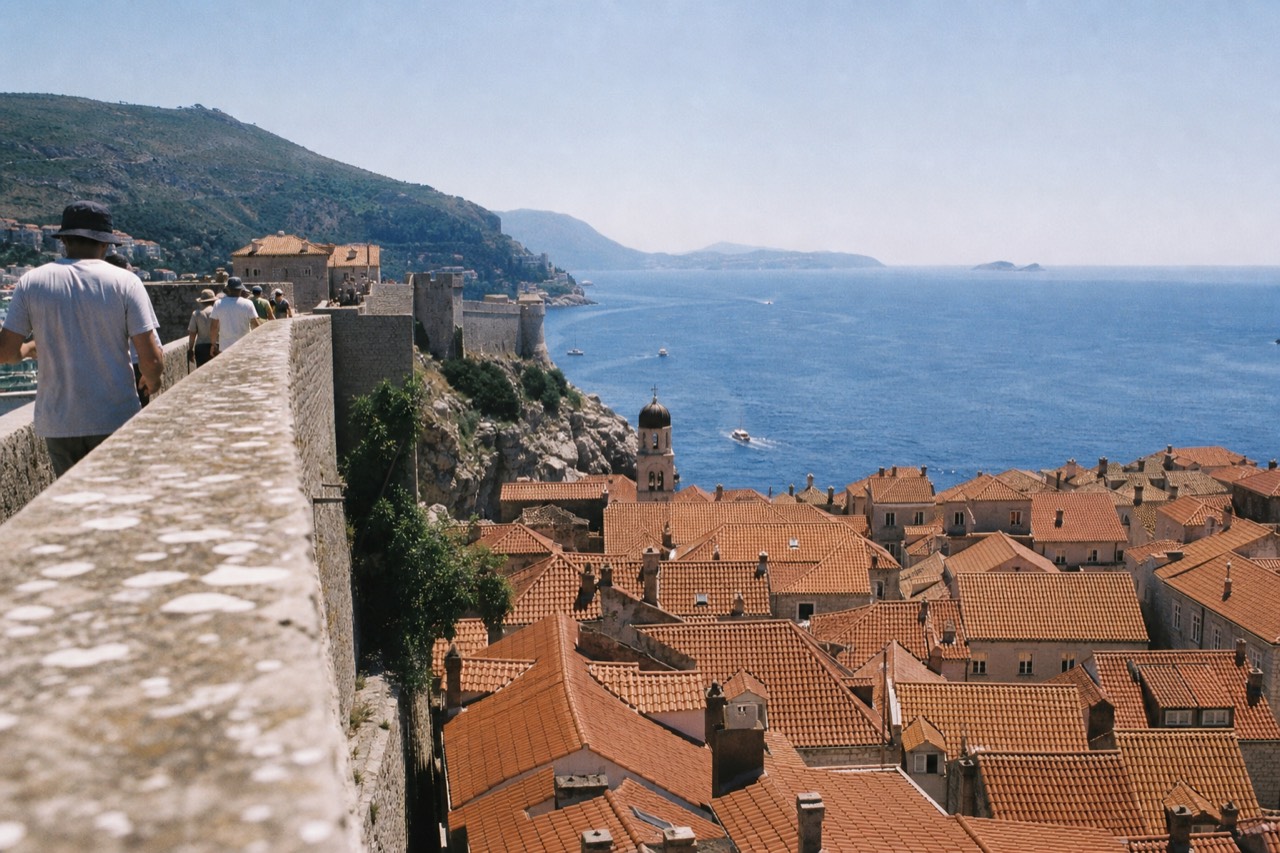
No, three days is not too much. It is the smallest trip length that actually works: day one for the Old Town and the walls, day two for an island or a boat, day three for a viewpoint, a beach and the museums you missed. Anything shorter forces you to choose between the walls and the sea, and most visitors regret cutting one of the two.
I get asked this more than any other planning question, and the honest answer has not changed in years of walking people through it: Dubrovnik is small, but it is small the way a jewellery box is small. The walled Old Town covers just 24.7 hectares, a UNESCO World Heritage property since 1979, and you can cross it on foot in under twenty minutes. But the city rewards slowness. The walls alone take most people two hours, and that is without stopping at every tower to stare at the Adriatic, which you will.
The trap is the opposite one. Visitors arrive expecting a beach resort with a fortress attached, burn through the Old Town in a single crowded morning, and conclude by lunch on day two that they have "done" Dubrovnik. They have not. They have done the postcard. The real city includes Lokrum, the Elaphiti islands, Mount Srd at sunset, the konobas away from the Stradun, and the quiet hours of the Old Town before the day-trippers arrive. If you are weighing your options, our guide to Things to Do in Dubrovnik lays out the full menu, and the deeper planning question is covered in how many days you need in Dubrovnik.
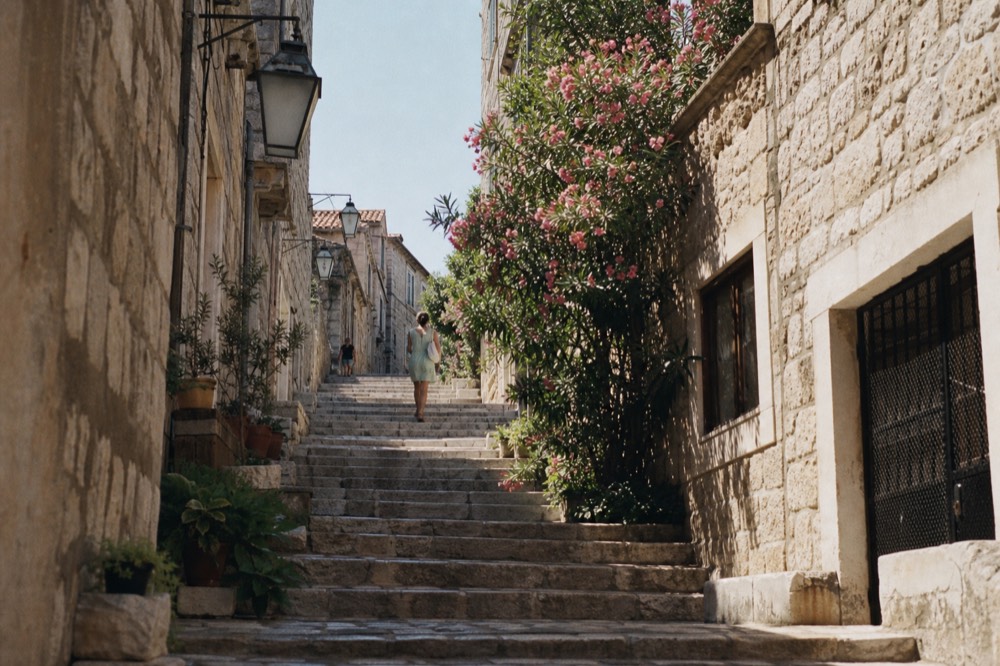
Three days also happens to match how the ticket economics work. The one-day Dubrovnik Pass costs 40 euro in main season, 1 March to 30 November, exactly the same as the standalone adult City Walls ticket, and adds ten more sights plus a 24-hour bus ticket, according to the official pass site. So a three-day visit can be structured around one heavy sightseeing day on the pass and two lighter days that cost almost nothing. That arithmetic collapses if you stay only one night, which is one reason cruise passengers so often leave feeling they saw everything and experienced nothing.
There is a physical dimension to the three-day case too, and I mention it because guidebooks rarely do. The Old Town is a car-free bowl of polished limestone, and the walls circuit is a genuine walk: 1,940 metres of it, climbing and descending between towers, much of it on uneven stone steps with no shade. In July and August heat, that circuit is a morning activity or an evening one, never a midday one. A two-day visitor who arrives at noon has effectively lost the walls window on day one and must cram it into day two alongside everything else. A three-day visitor never faces that choice, and pacing, not sight count, is what separates the trips people remember fondly from the ones they remember as a blur.
If you are booking the anchor experiences in advance, these three are the ones a three-day itinerary is usually built around: the walls ticket itself, a guided Old Town walk, and a full-day island cruise.
Is 4 Days in Dubrovnik Too Much?
Four days is not too much either, but it is the point where the city itself runs out and the region takes over. Days one and two cover the Old Town, the walls and the sea. Day three adds Lokrum or the Elaphiti islands. Day four only makes sense if you spend it outside the city, on a Mostar, Montenegro or Korcula day trip. Stay four days without leaving and you will repeat yourself.
The distinction matters because Dubrovnik's attraction inventory is genuinely finite. There is one wall circuit, one Stradun, one cable car, one Lokrum. A fourth day inside the city is not more Dubrovnik, it is the same Dubrovnik at a slower pace, which is lovely if that is what you want and wasteful if it is not. The honest framing: four days is a Dubrovnik-plus trip. Three days is a Dubrovnik trip.
The border-crossing options are the natural fourth day. Mostar sits in Bosnia and Herzegovina, Kotor in Montenegro, and both are realistic round trips from the city. The Mostar and Kravica waterfall day trip runs from $35 per person and carries a 4.6 rating across 10,019 reviews, a remarkable volume for an inland excursion, and reviewers consistently flag the early start and the border queue as the price of admission. Bring euros, as more than one guest review notes, because card acceptance thins out once you cross. The Montenegro day trip runs from $58 per person with a 4.4 rating across 5,611 reviews, and a longer version with an optional boat trip runs 11 to 12 hours from $70.99. Whichever border you pick, the paperwork is the same: Croatia is in the Schengen area and its neighbours are not, so carry your passport, and expect the crossing to take anywhere from minutes to an hour depending on the day.
Where a fourth day quietly earns its keep is December through February, when the cable car closes for its winter maintenance window and boat schedules thin out. In those months the city's indoor layer, the Rector's Palace, the Maritime Museum, the Franciscan Monastery Museum, becomes the main event rather than a rainy-day fallback, and a slower pace stops feeling like padding. The Dubrovnik Pass covers that museum layer in every tier, with the walls and Lovrijenac listed as the first inclusion on all three durations, per the official checkout.
One more practical note on the fourth day: if it falls on a heavy cruise day, spend it out of town regardless of season. The Port Authority limits cruise passengers to 8,000 a day in most cases, but of 243 cruise days a year, 18 still exceed that number and 4 run slightly above 10,000, according to the Port Authority's own cruise-destination page. On those days the Old Town's lanes feel like a corridor, and no museum pass fixes that. The remaining 2026 season schedule alone holds 149 ship calls across 80 cruise days, so the odds of your extra day colliding with a heavy one are real, and checking the schedule before you commit the day is five minutes well spent.
Is 3 Nights in Dubrovnik Too Much?
Three nights is not too much, and for many travellers it is the exact right amount, because it buys you two full days plus an arrival evening and a departure morning. The walls at golden hour on arrival day, two full days of sightseeing, and a swim before checkout is a complete, unhurried trip. Three nights only feels long if you never leave the Old Town.
The nights-versus-days confusion trips up a lot of planners, so it is worth being precise. Three nights typically means arriving one afternoon and leaving on the fourth day, which is really two and a half usable days. That is enough for the walls, a proper Old Town wander, one boat day and one viewpoint, but it is tighter than it sounds once you subtract travel friction. The airport transfer alone, whether by bus or taxi, eats a chunk of either end, and checkout day is good for a swim and not much else once luggage enters the picture.
The arrival evening is the secret weapon of a three-night stay. The walls operator's stated hours run 08:00 to 19:30, and the circuit is at its most beautiful, and least crowded, in the last two hours before close. Walking it on evening one clears the biggest item on the list before day one has even properly begun, and leaves your two full days free for the sea. Cruise traffic also thins sharply after late afternoon, once the ships' passengers are back aboard. The one caution is tickets: buy them in advance rather than at the gate, because the Pile entrance queue in high season can swallow the very daylight hours you were trying to avoid.
If you decide to walk the walls unguided rather than with a tour, the standalone admission ticket is the product you want. It covers the full circuit plus Fort Lovrijenac, from $36.37 per person, and the listing carries a 3.6 rating across 249 reviews, with the lower score reflecting ticketing and queue frustrations rather than the walk itself.
For comparison, the guided Ancient City Walls and Wars walking tour runs about two hours from $29.58 per person with a 4.8 rating across 1,387 reviews, so the price gap between walking alone and walking with a historian is small enough that it comes down to temperament rather than budget. And remember what the 40-euro ticket already includes beyond the circuit: Fort Lovrijenac across the bay, the Western Outer Wall when it is open, and the Collection of Coins of the Republic of Ragusa on Gundulic Square. Plenty of three-night visitors never realise their walls ticket carried three extra sights.
Is 3 Days Too Long in Dubrovnik?
Three days is too long only for the traveller whose real interest is elsewhere, a cruise passenger stretching a stopover, or someone using Dubrovnik as a base for Montenegro and Bosnia who would rather be in Kotor. For everyone else it is the correct length. The people who find three days too long are almost always the people who spent all three inside the walls.
I say that with confidence because the failure pattern is so consistent. The visitor who finds Dubrovnik "too much" has usually done the same day three times: Old Town in the morning, a wall-adjacent swim, dinner on the Stradun, repeat. The city has only so much of that in it before the repetition starts to show. What it has beyond that requires a boat, a bus or a cable car, and the three-day visitor who uses all three never reports boredom.
The single best cure for day-three fatigue is the Elaphiti islands. A full-day cruise with lunch runs about eight hours from $74.58 per person, rated 4.8 across 6,751 reviews, and it converts your third day from "more Old Town" into swimming stops, a fish picnic and a completely different angle on the city when you sail back past the walls at dusk. The most-reviewed version of that day out, the Zrinka boat trip, carries a 4.9 rating across 10,312 reviews, the deepest review pool of any product in the city.
Here is the crowd data that should shape which of your three days you spend where. Cruise passenger volume by month in 2025, from the Port Authority's statistics, breaks a common assumption:
| Month 2025 | Cruise passengers | What it means for your days |
|---|---|---|
| July | 96,072 | Busy, but not the peak |
| August | 87,385 | Lighter cruise load than July |
| September | 101,246 | The busiest cruise month of the year |
| October | 100,132 | Second busiest, above both summer months |
September and October outrank July and August for cruise passengers, and the sea is still warm, the September average is about 23.6 degrees as a long-run open-water figure, with sheltered bays running warmer. So the shoulder-season three-day visitor should put the boat day and the Lokrum day on whichever dates carry the fewest scheduled calls, and keep the walls for an early morning or a late afternoon. If your dates are fixed and you want a shorter stay instead, read is 2 days in Dubrovnik enough for the compressed version.
Is 7 Days in Dubrovnik Too Much?
Seven days is too much for Dubrovnik alone and genuinely rewarding as a region trip. A week works if you split it: three or four nights in the city, then Lokrum, the Elaphiti islands, a Mostar day, a Montenegro day and a wine afternoon in Peljesac or Konavle. Spend all seven inside the walls and even the most patient traveller starts eyeing the departure board.
The arithmetic is unforgiving. The core city inventory, walls, Old Town, cable car, Lokrum, a beach or two, the museums, is realistically a three-day load. A fourth day extends it gracefully into the region. Days five, six and seven only hold up if Dubrovnik becomes your base rather than your subject. Fortunately it is an excellent base: Montenegro's bay, Mostar's bridge, Korcula's old town, Ston's walls and oysters, and the Konavle valley's wineries all sit within day-trip range.
The guided layer helps fill a longer week without repeating yourself. The Old Town walking tour with a local guide runs from $20 per person with a 4.8 rating across 5,826 reviews, and it is the cheapest paid walk in the city. One guest review captures what it adds:
Alex was a fantastic guide, she explained the complex history of Dubrovnik to give a lasting impression of the history of the area. Really appreciated that she aimed for shaded areas on a boiling September day. The food recommendations for after were much appreciated too! Great tour for a first experience of the old town!
Sophie
For the week-long visitor, the three-day Dubrovnik Pass at 50 euro or the seven-day at 60 euro usually beats the one-day at 40 euro, because every tier includes the walls plus Lovrijenac and the museum layer, and the longer tiers add suburban bus coupons and House Bukovac in Cavtat. The official pass site lists "City Walls + Lovrjenac Fortress" as the first inclusion on every tier, with each sight visitable once. Check your own sight count against that list before buying; a pass only saves money if you would have visited most of it anyway.
What Three Perfect Days Actually Look Like
A proven three-day shape is: day one, arrival evening on the walls at golden hour; day two, Old Town and museums in the morning, cable car or kayak at sunset; day three, a full-day Elaphiti cruise or a Mostar day trip. One heavy day, one city day, one water day. That structure fills three days completely without a single wasted hour or a single repeated street.
Here is the shape as a table, built around the ticket and timing facts above:
| Day | Morning | Afternoon | Evening |
|---|---|---|---|
| Day 1 | Arrive, drop bags | Stradun and Old Town wander | Walls circuit, last two hours before the 19:30 close |
| Day 2 | Museums on the Dubrovnik Pass, Rector's Palace first | Swim at a beach, or Lokrum if the sea is calm | Cable car to Mount Srd for sunset |
| Day 3 | Full-day Elaphiti islands cruise with lunch | Same cruise, swimming stops | Sail back past the walls, final dinner off the Stradun |
The walls-on-arrival-evening move deserves one caveat: check the operator's stated hours for your travel dates, because the 08:00 to 19:30 window is what the operator shows, and winter days run shorter. The cable car has its own calendar, closed January to March, with adult round trips at 30 euro in the 2026 season, rising 367 metres over a 778.2-metre track in three and a half minutes, per the operator's technical page. If your three days fall in the closed window, swap the Srd sunset for a walk up to the same viewpoint, or an evening at Buza bar above the sea.
A word on the Lokrum option in that table, because it is the one item people get wrong. The Lokrum ticket is 30 euro per person and covers both the reserve entry and the return boat transfer, whether you ride the official boat or arrange your own transport. Boats leave the City Harbour at 09:00, then every 15 minutes from 10:00 to 18:00, and the ticket office at Luza works 08:00 to 18:00. That frequency means Lokrum fits an afternoon, but the reserve deserves the better part of a day if gardens and swimming coves are your thing, so treat it as a half-day-plus rather than a quick stop.
Finally, if three days is what you have, commit to it rather than apologising for it. The compressed alternative is laid out in our one day in Dubrovnik itinerary, and it works, but it is a highlights reel. Three days is the shortest version of Dubrovnik where nothing is a highlight and everything is just your day.
Common Questions About 3 Days in Dubrovnik
Is 3 days in Dubrovnik too much?
No. Three days is the smallest trip length that covers the walls, the Old Town, a museum layer and one day on the water without rushing. It only feels like too much if you spend all three days inside the walls.
Can You See Dubrovnik in 2 Days Instead?
Yes, two days covers the walls, the Old Town core and either Lokrum or a short boat trip. You will skip most museums and the Elaphiti islands. It works as a compressed visit, not a complete one.
Is 3 Nights the Same as 3 Days Here?
Almost, but not quite. Three nights usually means two full days plus arrival and departure halves, which is closer to two and a half usable days. Walk the walls on your arrival evening to claw back the difference.
What Should Day Three in Dubrovnik Be?
Day three should leave the city: a full-day Elaphiti islands cruise with lunch, a Lokrum and Betina Cave boat trip, or an inland day trip to Mostar and Kravica. Repeating the Old Town a third time is the one genuinely wasteful choice.
Does the Dubrovnik Pass Make Sense on a 3-Day Trip?
Often, yes. The one-day pass costs 40 euro in main season, 1 March to 30 November, the same as the standalone adult walls ticket, and adds ten more sights plus a 24-hour bus ticket. If your sightseeing clusters into one dense day, it pays for itself immediately.
When Is the Old Town Least Crowded on a 3-Day Visit?
Early morning before 09:00 and evening after the day-trippers leave. Note that cruise volume peaks in September and October, above July and August, so shoulder-season visitors should check the cruise schedule and plan the walls for a light morning or a late afternoon.