What Is the Best Beach in Dubrovnik?
The honest answer to Dubrovnik's best beach question, beach by beach, plus where to stay, when the sea is warm enough, and how to escape the crowds.
What Is the Best Beach in Dubrovnik?
What Is the Best Beach in Dubrovnik?
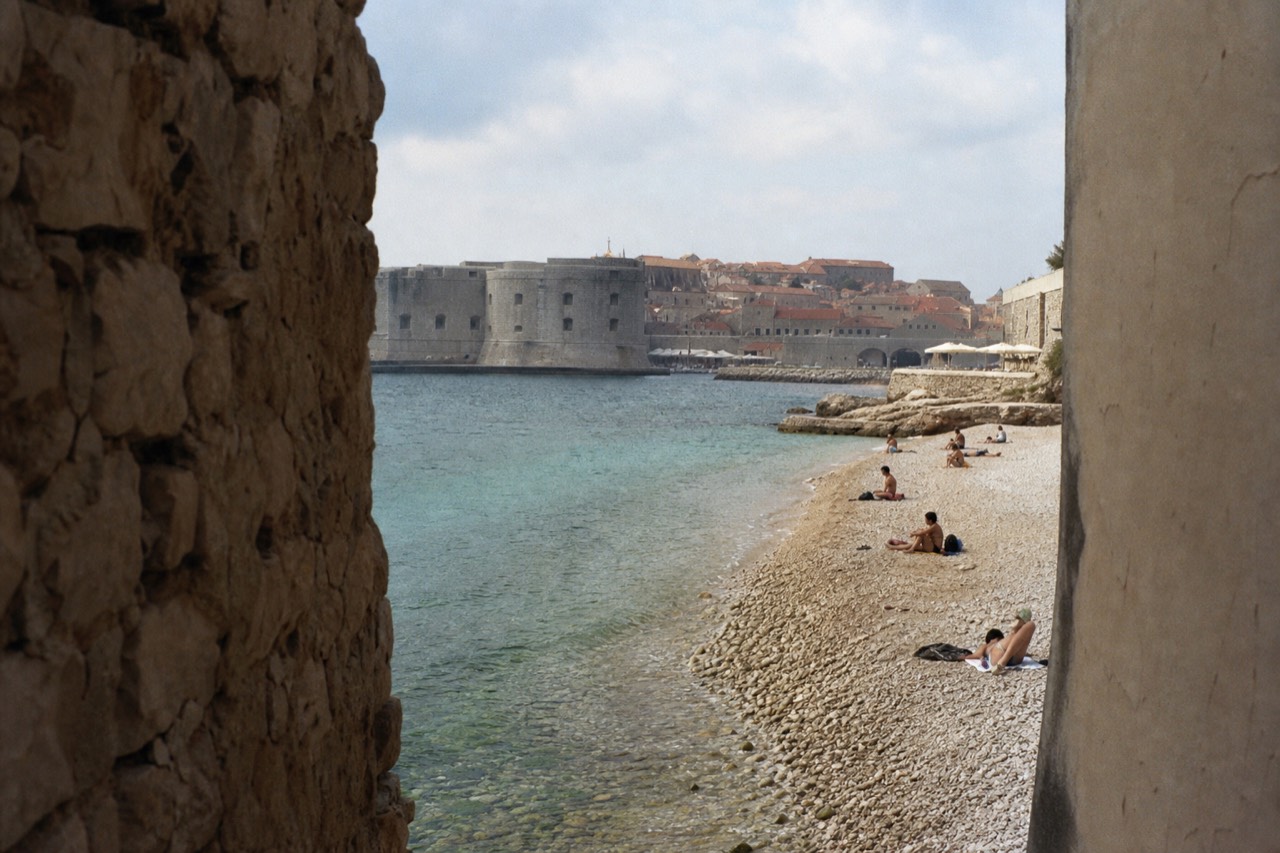
There is no single best beach in Dubrovnik, and any article that crowns one is guessing at what you want. If your priority is the postcard view, it is Banje, below the walls. If it is easy swimming and family space, it is the Lapad bay beaches. If it is quiet, it is a short boat ride away on Lopud at Sunj. The honest answer depends entirely on the trade you are making between view, comfort and crowds.
I get asked this question on the quay almost every week in summer, usually by someone holding a phone with three conflicting listicles open. The trouble with the question is that Dubrovnik's beaches are not variations of one thing. The city sits on a steep, rocky coastline, and almost every beach here is a smooth pebble or a stone slab rather than sand, which changes what "best" means. Sand you can sink your toes into is genuinely scarce, and the closest good stretch of it is on Lopud, one of the Elaphiti islands, which is why so many day cruises sell out in high summer.
The other thing that shapes the answer is geography. The Old Town itself has very little beach. What it has instead is swimming: rock ledges, a famous cliff bar, and a sea cave you can paddle into. The real beaches cluster in Lapad to the west, along the stretch between the Babin Kuk peninsula and the bay, with a couple of outliers like Sveti Jakov and Copacabana on the eastern and northern edges. If you stay in the Old Town you will walk or ride to the beach; if you stay in Lapad you will roll out of bed onto one.
So before you pick a beach, pick your priority. The table below is the short version of the whole article, and the sections after it take each priority in turn.
| If you want | Best pick | Why | Trade-off |
|---|---|---|---|
| The classic view | Banje | Walls and Lovrijenac framed over the water | Busy and priced for the view |
| Easy family swimming | Lapad bay beaches | Shallow entry, shade, cafes, flat walk | No famous view |
| Quiet and local | Copacabana side or Sunj on Lopud | Space, especially outside peak hours | A bus or boat ride away |
| Swimming without a beach | Betina Cave or the rocks below Buža | Deep, clear water you jump into | No sand, no shallows, steps involved |
If you would rather see the coast from the water than lie beside it, a kayak or boat day solves the beach question entirely, because you get the coves that have no road access at all. The most popular ways to do that are below.
For a full rundown of every strand in and around the city, the complete Dubrovnik beaches guide goes beach by beach with practical detail, and the Banje Beach guide covers the city's most photographed stretch in depth.
What Is the Nicest Beach in Dubrovnik?
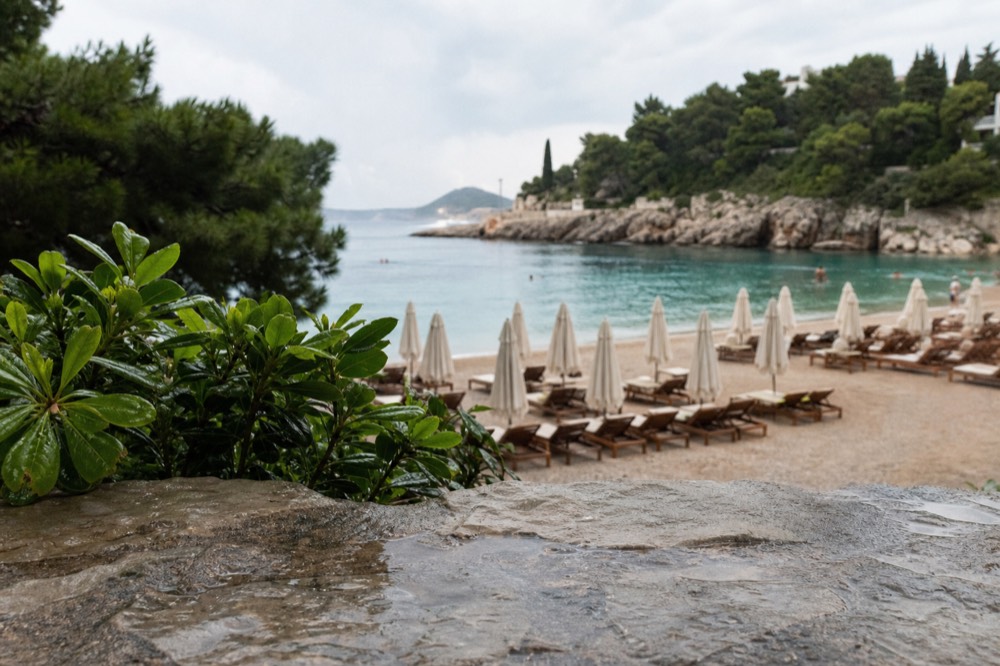
If "nicest" means the most pleasant place to actually spend a day, the Lapad bay beaches win, and it is not close. You get shallow, calm water over pale pebble, pine shade at the back, cafes and konobas within a minute's walk, and a flat promenade instead of stairs. Banje has the better photograph, but Lapad has the better day, especially with children or anyone who wants to swim without climbing.
The Lapad bay is a crescent of hotels and pedestrian promenade a short bus ride west of the Old Town, and its beaches are where most of the city's visitors end up swimming, precisely because everything about them is easy. The water shelves gently, the pebbles are kind underfoot compared with the rock slabs nearer the Old Town, and the bay faces northwest, so it holds its calm through most of the afternoon. There are paid sections with loungers and free sections where you put your own towel down, and the two coexist without much friction.
What I always tell families is that the nicest beach is the one where nobody has to be carried back up the stairs at six in the evening, hot and upset. Lapad wins that test outright. The promenade behind the beach is flat, shaded and stroller-friendly, the ice cream is close, and the number 6 bus connects the bay to Pile Gate in front of the Old Town if nobody fancies the walk. You can read more about that whole area in the Lapad neighbourhood guide.
The honest caveat is atmosphere. Lapad is resort territory, and in July and August the paid sections fill early. The sea itself never feels crowded because the bay is broad, but if your idea of nice is a quiet cove with nothing built on it, read the section on the less touristy beaches below, because Lapad is not that and does not pretend to be.
One upgrade worth considering from Lapad's own shoreline is to get on the water rather than beside it. The kayaking tours launch from beaches in this part of the coast, paddle the calm morning sea, and stop for a snorkelling swim in a cove you cannot reach on foot. The Adventure Dubrovnik Sea Kayaking and Snorkeling Tour runs about 2 hours 30 minutes, starts from $35 per person, and is rated 4.9 across 3,619 reviews, which puts it among the most consistently praised half-day experiences in the city.
What Is the Most Beautiful Beach in Dubrovnik?
The most beautiful beach in Dubrovnik is Sveti Jakov, below the Srd slope just east of the Old Town, and it wins on setting rather than comfort. You look back across a small, pale-pebble cove at the whole walled city and the island of Lokrum behind it, a view no other beach has. The price of that view is a long staircase down and a climb back up, so go early and travel light.
Sveti Jakov is the beach photographers find eventually. The cove is small, the water is a deep, clear blue over pale stone, and the backdrop is the full postcard: the walls, the towers, Lokrum floating just offshore. At sunrise and late afternoon the light does something to the limestone that no filter improves on. It is the beach I send people to when they say they want one beautiful swim and one beautiful photograph, in that order, and they are willing to work for both.
The staircase is the filter. You descend a long flight of steps from the road above, and everything you carry, you carry back up in the heat of the day. There is a small cafe at the bottom in season, but treat it as a bonus, not a plan. Because of the climb, the beach self-selects: it is noticeably quieter than Banje even in August, not because it is secret but because a percentage of visitors read about the stairs and choose Lapad instead. That is a fair trade, and it keeps Sveti Jakov special.
Two other candidates belong in this conversation. Banje is the most beautiful beach you can see from the Old Town, a pebble and slab stretch directly below the walls with Lovrijenac standing over the far end, and if your holiday photograph matters more than your swim, it is the pick. And the most beautiful "beach" of all is arguably not a beach: Betina Cave, a sea grotto on the Lokrum side of the headland, reachable by kayak or a small boat, where the water glows blue inside the rock. Swimming there feels closer to a cave expedition than a beach day, and people remember it for years.
The kayak route that includes both Lokrum's coast and Betina Cave is the most popular way in, and the reviews describe exactly that combination of scenery and swimming.
Loved this kayaking experience. Had an amazing time as a family and enjoyed the swimming break at Betina Cave very much. The views were amazing, water was crystal clear, the guide was excellent and we learnt a lot about Dubrovnik.
Imara_D
Lokrum itself deserves a mention under beauty. The island reserve has rocky swimming spots with pine trees hanging over the water, and the sea on the south side is as clear as anything on this coast. A Lokrum ticket is 30 euro per person and covers both the reserve entry and the return boat transfer, with boats leaving the City Harbour at 09:00 and then every 15 minutes from 10:00 to 18:00, according to the official schedule published by the Lokrum Reserve. The ticket office at Luža works 08:00 to 18:00, and a ticket stays usable for three days.
What Is the Less Touristy Beach in Dubrovnik?
The less touristy beach in Dubrovnik is Sunj on Lopud island, a shallow, sandy-bottomed bay reachable by boat, where the water is warm, the crowd is thin and the setting is island-quiet. Inside the city itself, the Copacabana side of the Lapad peninsula is the local pick, busy with residents rather than day-trippers. Both trade convenience for calm, and both are worth the trade.
Sunj is the answer I give reluctantly, because every sentence like this one makes it slightly less true. The bay sits on the southern side of Lopud, the middle of the three main Elaphiti islands, and it is one of the few genuinely sandy swims in the whole region: shallow for a long way out, warm as a bath in high summer, and backed by nothing taller than pines and a couple of simple beach bars. You reach Lopud by ferry or by one of the full-day island cruises, and once you are there the walk or the little golf-cart shuttle to Sunj is short. More of these guides are collected on Things to Do in Dubrovnik.
The full-day Elaphite Islands cruise is the most reviewed way to do it: about 8 hours, from $74.58 per person, rated 4.8 across 6,751 reviews, with lunch on board and stops at the islands. The sister cruise on the Zrinka boat carries an astonishing 10,312 reviews at 4.9, from $59.16, and is the single most reviewed product in the city's whole roster.
Back inside the city, "less touristy" is a relative term in a destination that recorded about 4.2 million overnight stays in 2025, sharing first place among Croatian destinations with Rovinj. The Copacabana beach on the Lapad peninsula is where you hear more Croatian than English on a weekday morning, partly because it serves the hotel zones around Babin Kuk rather than the Old Town, and partly because it faces the channel rather than the postcard. The water is calm, the space is generous, and it is one of the better beaches for kayaks and paddleboards, which is why several water-sports operators base themselves there.
Timing matters as much as geography. The city counts visitors at the Old Town entrances with six counters updating every 15 minutes, and the official carrying capacity for the historic core is 11,275 people. The half-hourly curve on a September morning showed 5,419 people at 08:00, a 7,739 peak at 10:00, and 7,205 by 11:00. Beaches follow the same rhythm in reverse: before 09:30 and after 17:00, even Banje feels like a local beach. There is a full discussion of this in the can you swim in Dubrovnik in September answer, including the sea-temperature picture.
One counter-intuitive fact worth planning around: cruise passengers in Dubrovnik peaked in September 2025 at 101,246 and October at 100,132, both above July's 96,072 and August's 87,385, according to Port Authority data. September is the loveliest swimming month on this coast, but it is not the quiet one people assume, so if solitude is the goal, aim for the shoulder hours rather than the shoulder season.
Where Is the Best Beach Area to Stay in Dubrovnik?
For a beach-first holiday, the best area to stay in Dubrovnik is Lapad, specifically the bay and the Babin Kuk peninsula, where the beaches, the promenade and the hotels sit together on flat ground. The Old Town wins for atmosphere but means a bus ride to any real beach. Ploče, east of the walls, is the compromise: walkable to Banje and Sveti Jakov, with the trade of stairs and higher prices.
Lapad is where I send families and anyone whose holiday is built around swimming. The bay puts a beach, shade, cafes and restaurants within a flat five-minute walk of most of the accommodation, and the number 6 bus runs to Pile Gate for Old Town evenings. The Babin Kuk end, around Copacabana, is quieter still and better value, at the cost of a longer ride into the walls. You are choosing convenience over romance, and for a beach trip that is usually the right choice.
On the budget end of the bay, Hotel Komodor is a three-star that scores 7.8 out of 10 across 822 Expedia reviews, sits a short walk from the Lapad beaches, and connects to the Old Town by the number 6 bus rather than a hot walk. It is the practical pick for a swim-first week. At the opposite end, Hotel Excelsior in Ploče puts you a few minutes on foot from Banje and the Old Town gates, with a sea-view terrace aimed straight at the walls, which is the luxury version of the beach-and-city combination.
The Old Town itself deserves a honest word. Staying inside the walls is magical at night and hopeless for beaches in the day: the nearest real swimming is the rocks and Buža's cliff bar, which are wonderful but are not a beach, and everything else is a bus or a stiff walk. Ploče splits the difference if you accept stairs. The full trade-offs, area by area, are laid out in the where to stay in Dubrovnik guide.
| Area | Beach access | Best for | Main trade-off |
|---|---|---|---|
| Lapad bay | On your doorstep, flat walk | Families, swim-first trips | Bus ride to the Old Town |
| Babin Kuk | Copacabana, quiet and roomy | Value and calm | Longest ride to the walls |
| Ploče | Banje and Sveti Jakov on foot | View-and-beach compromise | Stairs and premium prices |
| Old Town | Rocks and Buža only | Atmosphere, night walks | No real beach nearby |
When Is the Sea Warm Enough to Swim?
The sea off Dubrovnik is comfortably swimmable from June through September, with the long-run average at 22.5 degrees in June, 24.9 in July, 25.8 in August and 23.6 in September, before cooling to 21.0 in October. These are open-water averages, not beach readings: sheltered bays like Sunj run warmer, and shallow water in August can feel several degrees hotter than the offshore figure.
The source of those numbers matters if you are planning a swimming trip. They come from a NOAA long-run average for 1991 to 2020, a satellite-based open-water figure for the grid cell off Dubrovnik, published by NOAA's climate data service and corroborated within about 1 degree by an independent European marine dataset. An independent EU cross-check reads August at 24.90 and September at 23.15, which is close agreement for two entirely separate methods. What that means in practice: the water in early October is still warmer than the water in early June, and September is the sweet spot of warm sea, warm air and (cruise passengers aside) slightly softer crowds.
| Month | Average sea temperature | Swimming verdict |
|---|---|---|
| May | 18.6 degrees | Brief, brave dips |
| June | 22.5 degrees | Comfortable, especially late month |
| July | 24.9 degrees | Warm and busy |
| August | 25.8 degrees | Warmest of the year |
| September | 23.6 degrees | The sweet spot |
| October | 21.0 degrees | Fine early, cooling fast |
One caution on interpretation: the Croatian met service's own Dubrovnik buoy read 27.0 to 27.4 degrees on a day in early September, well above the 23.6 September average, and that gap is real, not an error. The buoy sits in shallower, sheltered water; the average is an offshore figure. Neither number is wrong, they are measuring different things, and any article that tells you "the sea is 23.6 degrees in September" is flattening that distinction. For beach planning, treat the averages as the floor and expect sheltered bays to run warmer.
However you get to the water, the coast is the point of this city, and the best version of a Dubrovnik beach day usually involves at least one stretch of it seen from a boat or a kayak. These are the three experiences that pair best with a beach day here.
Common Questions About the Best Beach in Dubrovnik
What is the best beach in Dubrovnik?
There is no single best. Banje has the iconic view below the walls, the Lapad bay beaches are the nicest for an easy day of swimming, Sveti Jakov is the most beautiful setting, and Sunj on Lopud is the quiet sandy escape. Choose by priority, not by listicle ranking.
What Is the Nicest Beach in Dubrovnik?
The Lapad bay beaches. Shallow, calm water, pine shade, cafes at the back and a flat promenade make them the most pleasant full-day choice, especially for families, even though they lack the postcard view of Banje.
What Is the Most Beautiful Beach in Dubrovnik?
Sveti Jakov, a small cove below the Srd slope with the walled city and Lokrum framed across the water. The long staircase down keeps it quieter than Banje, and the view at both ends of the day is the best on this coast.
What Is the Less Touristy Beach in Dubrovnik?
Sunj on Lopud island, a shallow sandy bay reached by ferry or island cruise, is the genuine escape. Inside the city, the Copacabana end of the Lapad peninsula is the more local, resident-heavy choice.
Where Is the Best Beach Area to Stay in Dubrovnik?
Lapad, either the bay or the Babin Kuk peninsula, puts accommodation, beaches and promenade on flat ground together. Ploče is the compromise if you want to walk to Banje and the Old Town, and the Old Town itself means a bus ride to any real beach.
Are Dubrovnik Beaches Sandy or Pebble?
Almost all are smooth pebble or stone slab. The main sandy swim nearby is Sunj on Lopud. Water shoes make every pebble beach in the region more comfortable, and the rock-slab swimming spots below the Old Town reward them even more.