Babin Kuk Dubrovnik: A Beachfront Resort Area Guide
Babin Kuk is the quiet, resort-heavy peninsula on Dubrovnik's western edge, where hotels, pine woods and pebble beaches replace the marble lanes of the Old Town. Here is what to expect, and how to decide if it is the right base for your trip.
Short answer
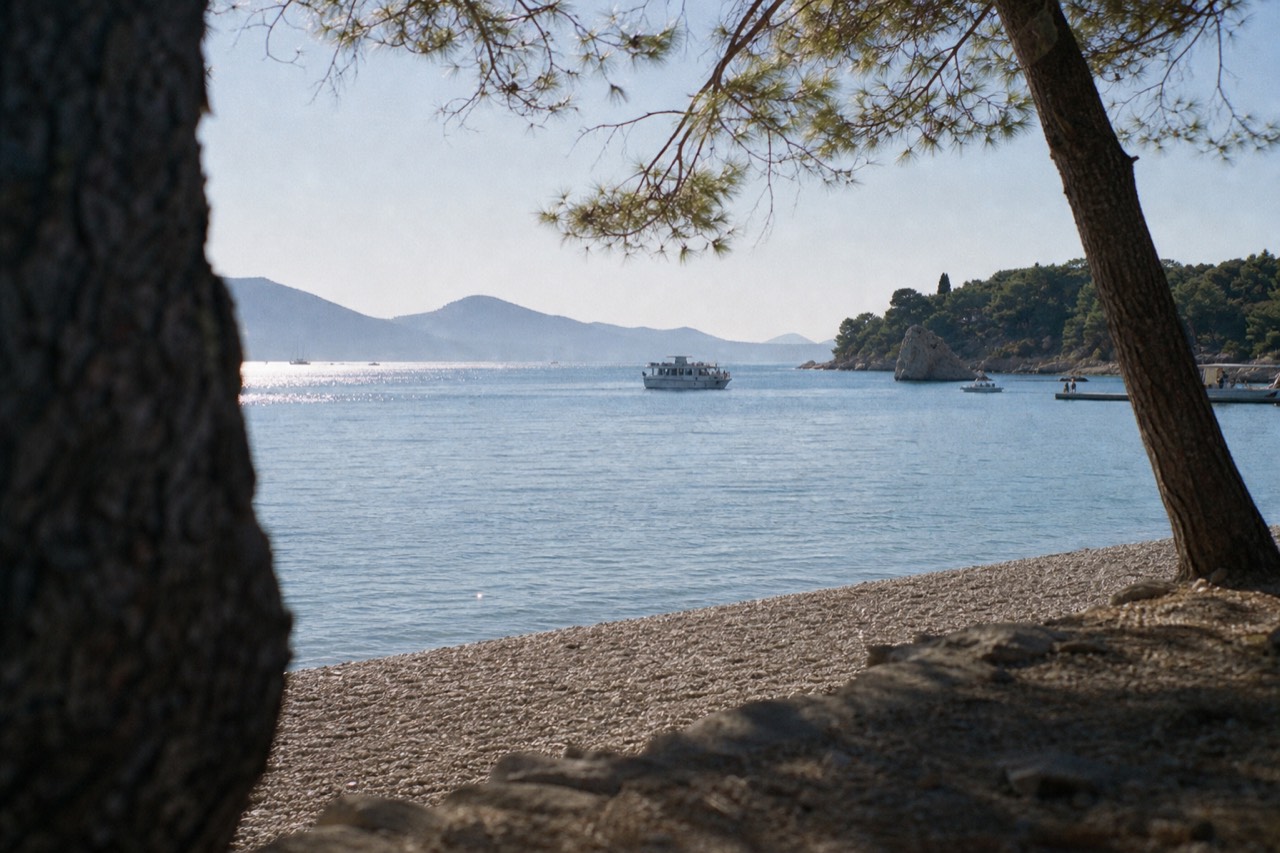
Babin Kuk is Dubrovnik's main resort peninsula, west of Lapad, built around hotels, pine-shaded pebble beaches and seaside promenades. The adult City Walls ticket is 40 euro in main season, the one-day Dubrovnik Pass is also 40 euro, and buses connect the peninsula to Pile Gate, so it suits travellers who want a beach base with easy Old Town access.
What Is Babin Kuk?
Babin Kuk is the resort peninsula at the western end of Dubrovnik's Lapad bay, a neighbourhood built almost entirely around hotels, beaches and pine-shaded seaside paths rather than historic monuments. It sits on a quiet, leafy headland where most visitors come for swimming, sunbathing and relaxed seaside walks, not sightseeing, and its promenade links the main beaches, hotel complexes and café terraces along the shore. It sits beyond the Lapad peninsula's shopping streets, roughly between the Gruž cruise and ferry port and the open Adriatic, and it is where much of the city's package-holiday and all-inclusive capacity is concentrated. Visitors who stay here trade the marble lanes and church bells of the walled city for sea views, pools and quiet evenings, then commute into the Old Town by bus or on foot along the coastal promenade, a trade that suits some trips far better than others.
The character of the place is distinctly unhurried. Mornings revolve around the beach and breakfast terraces, afternoons around swimming and shade under the pines, and evenings around hotel restaurants and the long sunset walk along the water. There is no equivalent of the Stradun here, no crowds pouring off cruise ships, and no ticket queues. What there is instead is space, which is a genuine commodity in a city that recorded about 4.2 million overnight stays in 2025 and shares first place among Croatian destinations with Rovinj, according to the Croatian Bureau of Statistics.
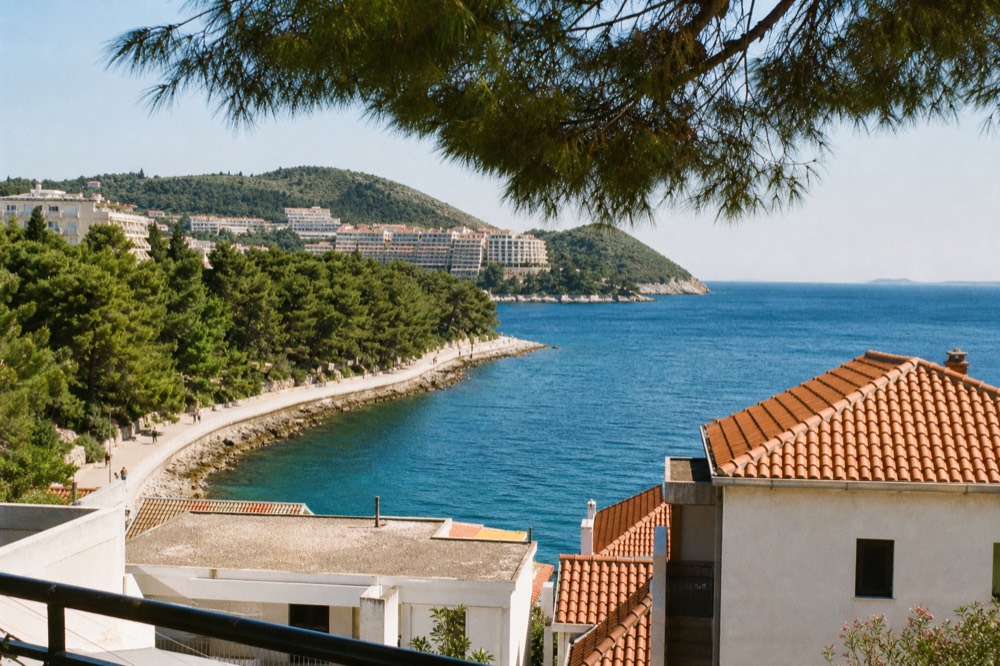
I often describe Babin Kuk to first-time visitors as the "stay" half of a Dubrovnik trip rather than the "see" half. You sleep, swim and eat here; you sightsee in the Old Town, which is a short bus ride away. That split works especially well for families, for anyone travelling in the heat of July and August, and for visitors who simply do not want to drag suitcases up the staircase streets inside the walls. It works less well for travellers who want nightlife on their doorstep or who imagine stepping out of their hotel straight into a historic scene.
The neighbourhood clusters around a handful of larger hotels and their associated beaches, with a coastal path threading the whole peninsula. Neighbouring Lapad offers the busier commercial strip, and the two areas blend into each other as you walk east, a connection worth understanding before you book, which is covered in our Lapad neighbourhood area guide. If your mental picture of Dubrovnik is only the walled city, Babin Kuk will reframe it: this is the Dubrovnik where locals and long-stay visitors actually spend their beach hours.
Is Dubrovnik Good for Beaches?
Yes, Dubrovnik is good for beaches, but with an important caveat: most are pebble and rock rather than sand, and they tend to be small and crowded at the height of summer. What they lack in soft sand they make up for in exceptionally clear water and superb swimming conditions. Babin Kuk holds some of the best of them, because the peninsula's beaches are longer and less hemmed in than the tiny patches tucked beneath the Old Town walls. The trade-off is simple, sand versus water quality, and on this coast the water wins, provided you arrive knowing what to expect underfoot and plan around the pebbles rather than being surprised by them.
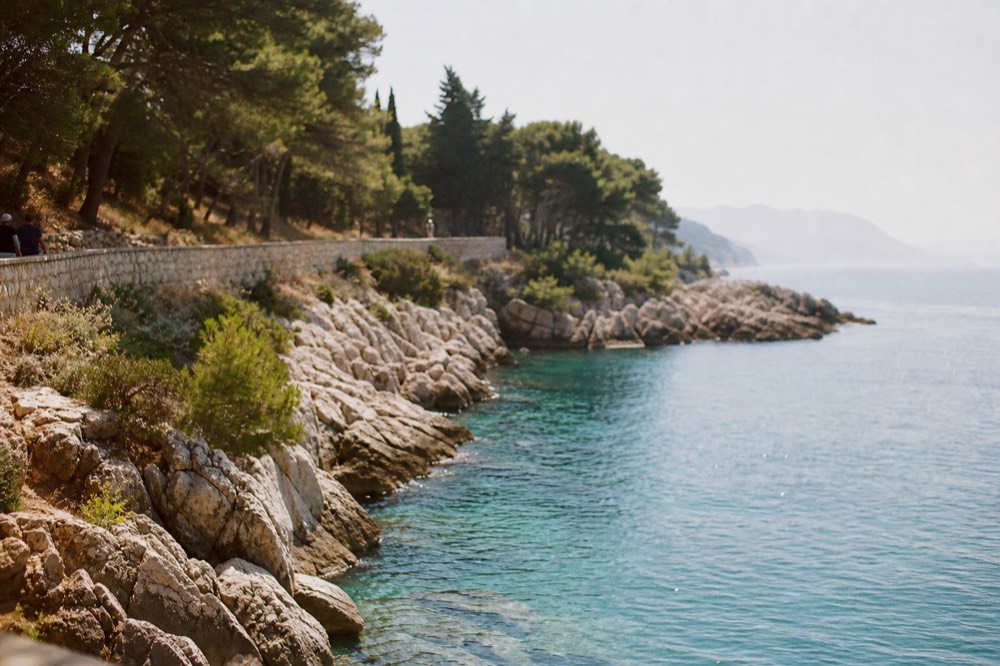
The beaches here are pebble and concrete platforms fringed by pine trees, with the water deepening quickly and staying transparent far out. That clarity is the single best argument for Dubrovnik as a beach destination. What you will not find are wide sandy expanses like the Croatian north coast or the big resort beaches of Spain, so pack water shoes rather than flip flops if you plan to swim a lot. Beach beds and umbrellas are available for hire on the main stretches, and the hotel beaches on the peninsula have the fullest facilities.
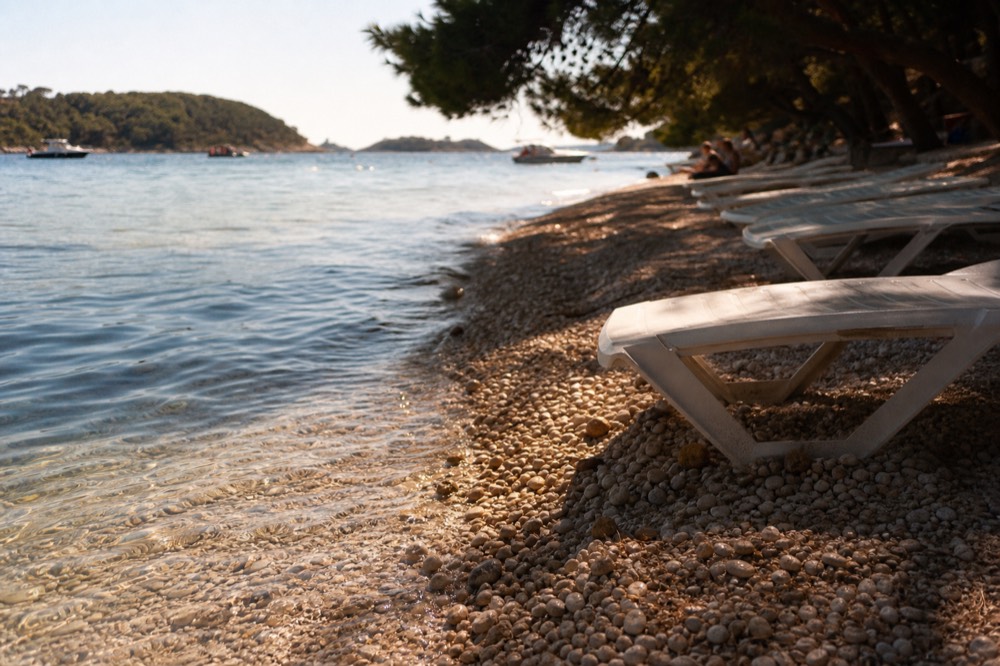
The peninsula's best-known stretch is Copacabana Beach on the north side, a long pebble and concrete beach with water-sports hire and a lively summer atmosphere, covered in detail in our Copacabana Beach guide. On the Lapad bay side, the beaches run together along the promenade in a chain of small coves, with the main Lapad beach at the head of the bay; see our Lapad Beach guide for the full rundown. Between them they cover every mood, from busy and social to quiet coves where you can spread a towel on flat rock.
For context, here is how the main swimming options around the city compare:
| Beach area | Surface | Character | Best for |
|---|---|---|---|
| Babin Kuk peninsula | Pebble and rock | Hotel beaches, pines, water sports | Longer swims, families, staying put |
| Lapad bay | Pebble and concrete | Promenade chain of small coves | Beach-hopping on foot |
| Banje, below the Old Town | Pebble | Postcard views, entrance fee area | One dramatic swim, photos |
| Sveti Jakov | Pebble and rock | Quiet, reached by a long staircase | Escaping the crowds |
| Lokrum island | Rock and a small sandy cove | Reserve setting, day trip | Combining swimming with an outing |
One planning note that surprises people: the beaches inside or beside the Old Town, Banje above all, are beautiful but small, and in July and August they fill by mid-morning on cruise-heavy days. Staying on Babin Kuk flips that problem, because you swim before breakfast and after dinner if you like, and treat the Old Town beaches as a sight to visit rather than your daily base. That is the honest answer to "is Dubrovnik good for beaches": good, occasionally excellent, and best enjoyed from a base like this one rather than as a day visitor fighting for a square metre of pebble.
If you are planning to split your time between the peninsula and the walled city, the two most efficient ways to see the historic core are a guided walk and a walls ticket, and the strongest single option combines both.
Can You Swim in Dubrovnik Beaches?
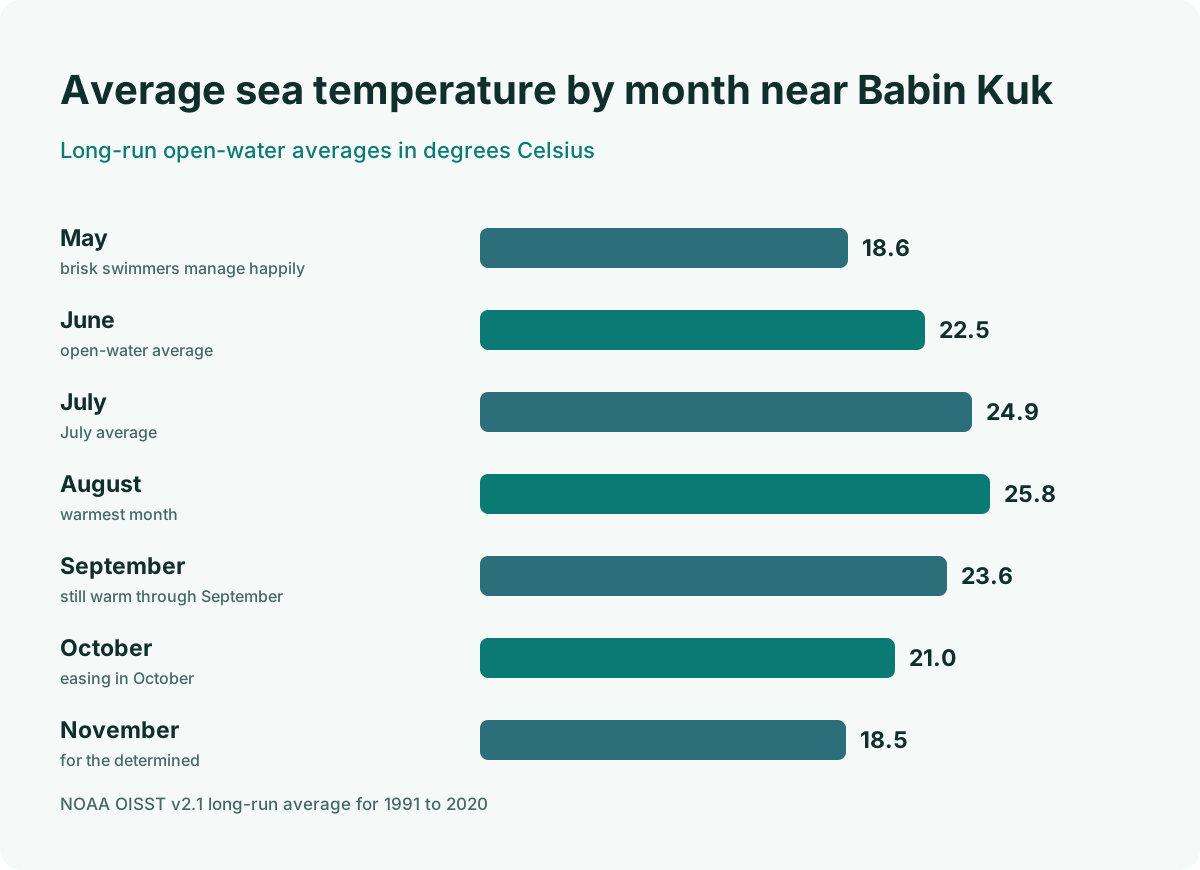
Yes, and swimming is the main reason to choose this coast: the long-run September average sea temperature is about 23.6 degrees Celsius, July averages 24.9 and August 25.8, so the water is genuinely warm through the whole holiday season. Those figures come from the NOAA OISST v2.1 long-run average for 1991 to 2020, an open-water grid-cell average rather than a beach thermometer, so treat them as a reliable baseline rather than a daily reading. Sheltered shallow bays along this peninsula run warmer still in high summer.
The swimming season here is long. By June the open-water average is 22.5 degrees, and it stays at 23.6 through September before easing to 21.0 in October. Even in May the average is 18.6, which brisk swimmers manage happily, and November at 18.5 is not out of the question for the determined. In practice, most visitors swim comfortably from late May into early October, which is a wider window than many Mediterranean destinations can offer.
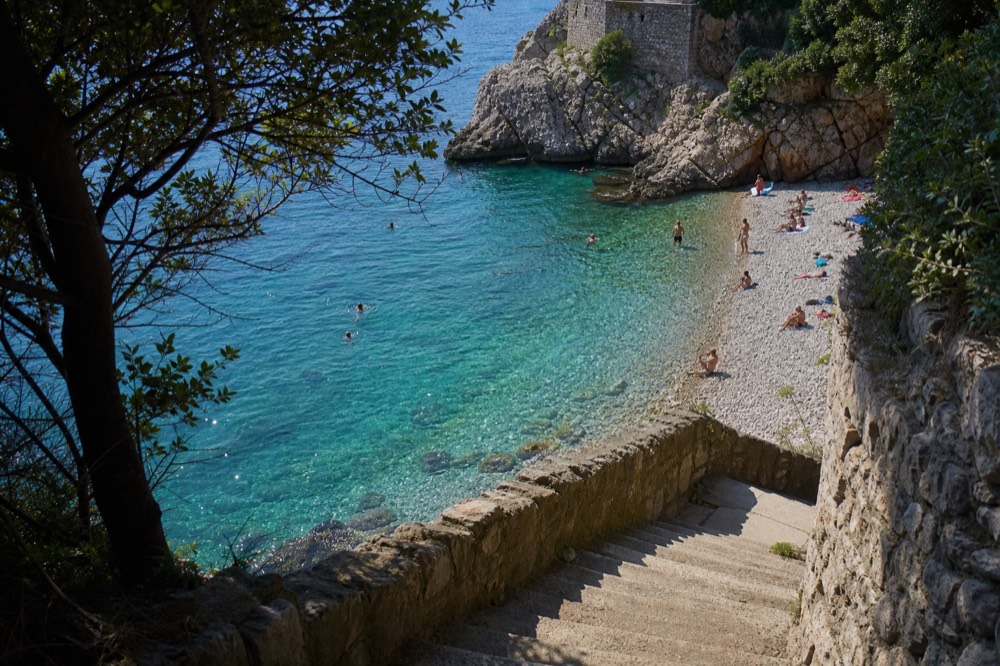
A caveat worth carrying with the numbers: the Croatian met service's own Dubrovnik buoy read 27.0 to 27.4 degrees on 8 September 2026, well above the 23.6 September mean, which tells you two things. First, that sheltered bays on this coast can be bathtub-warm when the open-water average says otherwise. Second, that the monthly averages are a planning baseline, not a promise, and the actual water on any given day depends on wind, depth and how long the sun has been on the shallows. The Babin Kuk side, with its rocky points and deeper access, tends to track closer to the open-water figure than the shallow sandy-bottomed coves elsewhere.
| Month | Average sea temperature | Swimming verdict |
|---|---|---|
| May | 18.6 degrees | Brisk, fine for short swims |
| June | 22.5 degrees | Comfortable |
| July | 24.9 degrees | Warm, peak season |
| August | 25.8 degrees | Warmest month |
| September | 23.6 degrees | Excellent, thinner crowds |
| October | 21.0 degrees | Very doable early in the month |
Practical swimming notes for the peninsula: the pebble entry means water shoes earn their luggage space, the water deepens quickly so weak swimmers should stay near the platforms, and the pine shade along the back of the beaches makes the midday break genuinely pleasant rather than a retreat. Sea urchins live on the rocky patches, another argument for shoes. There are no lifeguards on every stretch, so swim where others swim. If a jellyfish blooms in late summer, hotel desks and beach bars will know before anyone else, so ask on arrival.
One timing insight that most first-time visitors miss: September is arguably the best swimming month on this coast, not a consolation month. The water is still at its 23.6 degree average, the air has cooled from August's peak, and the cruise numbers, which the Port Authority records as 101,246 passengers in September 2025 against 87,385 in August, are concentrated in the Old Town rather than on the beaches. You can read more about the season trade-offs in our best time to visit guide.
Are the Beaches Better in Split or Dubrovnik?
Neither city wins outright: Split has sandier, shallower beaches with easier family access, while Dubrovnik has clearer water, more dramatic settings and rockier entries, so the better beach city depends on whether you value sand underfoot or water quality and scenery. If your holiday is built around lounging on a beach with small children, Split's edges are gentler. If it is built around swimming in astonishingly clear water beside pine cliffs and fortresses, Dubrovnik, and specifically a base like Babin Kuk, is the stronger pick.
The honest comparison runs like this. Split's best beaches, along its southern coast, are a mix of sand, fine pebble and concrete, with shallow entries that suit toddlers and floaters. The city itself is a working port town wrapped around a Roman palace, so the beach-and-city combination is more casual, cheaper and less photogenic. Dubrovnik's beaches are almost all pebble or rock, entry is steeper, and the famous ones come with either an entrance fee or a staircase, but the water transparency is on another level, and the settings, a fortress overhead, an island reserve offshore, are what people remember for years.
For a Babin Kuk-based trip, the comparison matters mostly before you book. Ask yourself which failure mode you would regret more: missing sand, or missing clarity. Families with very small children often choose Split for the shallows. Swimmers, snorkellers and anyone whose holiday photos matter to them tend to choose Dubrovnik. And within Dubrovnik, the beach-hotel equation favours this peninsula specifically, because the Babin Kuk and Lapad beaches are the ones you can walk to from a resort bed, while the Old Town's famous patches are a bus ride from almost anywhere you would sleep.
There is a third consideration that tips many travellers: the day-trip portfolio. From a Dubrovnik beach base you can boat to the Elaphiti islands, kayak to Betina Cave, or ferry to Lokrum, where a 30 euro ticket covers reserve entry and the return boat transfer, with departures from the City Harbour at 09:00 and then every 15 minutes from 10:00 to 18:00. Split's island portfolio is strong too, but the combination of warm, clear water and a walled UNESCO city on your doorstep is Dubrovnik's own. Our Dubrovnik versus Split comparison works through the full decision, beaches included.
Where Should You Stay in Babin Kuk?
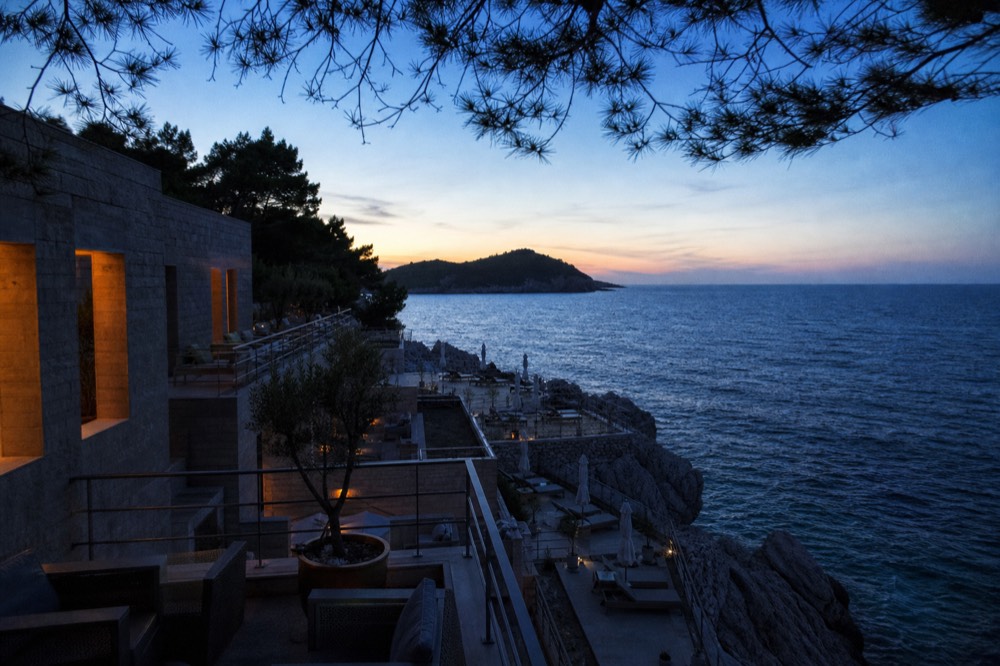
Babin Kuk is where Dubrovnik's resort-style accommodation concentrates: larger hotels with pools, sea views and direct beach access, which makes it the natural base for travellers who want facilities and space rather than a historic room inside the walls. Prices run high across the whole city in summer, one reason we dig into in our where to stay guide, but the peninsula delivers more hotel for the money than the Old Town, where you pay a premium for the address and often climb stairs to reach it.
The accommodation landscape splits into three tiers, mirroring the city as a whole. At the value end sits the reliable three-star option on the Lapad side, Hotel Komodor, rated 7.8 out of 10 across 822 Expedia reviews, about a 29-minute walk from the Gruž cruise and ferry port and best connected to Pile Gate by the number 6 bus rather than on foot. In the middle tier, Hotel Lapad offers the classic mid-range resort setup on the bay. At the top, Hotel Excelsior sits over in Ploče beside the Old Town, the choice if you decide the walled city is worth the splurge after all.
Choosing between the tiers comes down to how you will actually spend your days. If the beach is the point, and you will walk to it in a towel at 08:00 and again at 18:00, the peninsula's own hotels win regardless of star count, because location beats lobby. If the Old Town is the point and the beach is a bonus, a Ploče or Old Town base saves you the daily bus and the 40 euro walls-plus-Lovrijenac ticket is a short walk from your door. Many families split the difference: a week on Babin Kuk with two or three dedicated Old Town days. The wider set of guides lives on Things to Do in Dubrovnik.
| Stay option | Tier | Location character | Best suited to |
|---|---|---|---|
| Babin Kuk resort hotels | Mid to upper | Pine peninsula, beach at the door | Beach-first holidays, families |
| Lapad bay hotels | Budget to mid | Promenade, cafes, small coves | Walkable everything, value |
| Old Town rooms | Mid to luxury | Inside the walls, stairs everywhere | Atmosphere seekers, short stays |
| Ploče, by the Old Town | Luxury | Sea views, minutes from the walls | Splurge trips, special occasions |
Two practical warnings from the planning side of my work. First, book early for July and August: this city's 4.2 million overnight stays in 2025 did not happen in a market with slack, and the good sea-view rooms on the peninsula go first. Second, check the walk to your actual room, not just the hotel: "Babin Kuk" covers a whole peninsula, and some addresses sit a solid walk from both the beach and the bus stop. A hotel shuttle or a bus stop at the gate changes the daily arithmetic more than a star rating does.
How Do You Get from Babin Kuk to the Old Town?
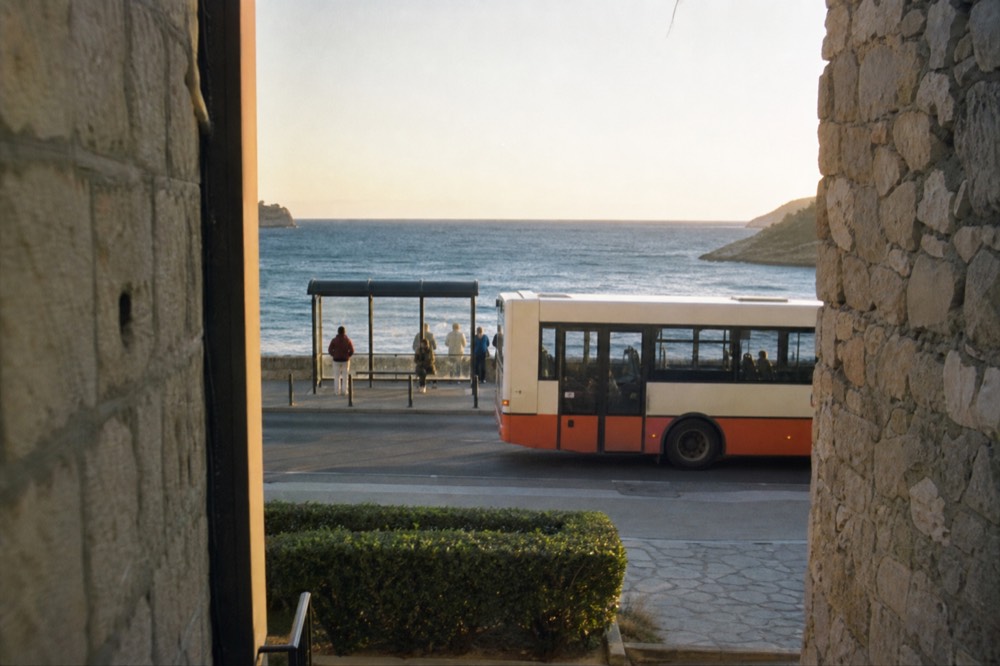
By local bus, which runs frequently along the whole Lapad and Babin Kuk corridor into Pile Gate at the western edge of the Old Town, with the number 6 bus the key route from this side of the city, and the ride is a matter of minutes rather than an expedition. Pile Gate is where you want to arrive: it sits beside the start of the city walls circuit, the Lovrijenac ferry viewpoint and the Stradun, the 298-metre main street that the 1272 Statute fixed into its final plan, according to the Dubrovnik Tourist Board.
The bus is the honest answer for most days. It is cheap, frequent in season, and drops you exactly where the sightseeing begins. Buy tickets in advance at a kiosk or via the driver, and mind the return timetable late at night, when frequencies thin out. Taxis and ride-hailing exist and are worth knowing about, covered in full in our taxis and Uber guide, but for a family of four the bus wins on cost every time. The coastal promenade also makes the whole peninsula-to-Lapad stretch a pleasant walk, with the longer haul into the Old Town an option for keen walkers in the cool of the morning.
If you would rather turn the transfer into sightseeing, a hop-on hop-off panorama bus with audio commentary covers the city's viewpoints without the walking, and one well-reviewed option runs about 1 hour 30 minutes from $35.46 per person, rated 4.9 across 1,147 reviews. It is a different animal from the local bus, a sightseeing loop rather than transport, but from a Babin Kuk base it solves the "first day orientation" problem neatly.
Once you are at Pile Gate, the sightseeing decisions begin, and the big one is the walls. The adult ticket is 40 euro in main season, 1 March to 30 November, and 20 euro in December, with children 7 to 18 at 15 euro then 5 euro and under 6 free, per the walls operator's own webshop at citywallsdubrovnik.hr. That 40 euro ticket is actually a combination covering the walls plus Fort Lovrijenac, the Western Outer Wall and the coin collection. The one-day Dubrovnik Pass costs the same 40 euro in main season and adds ten more sights plus a 24-hour bus ticket, a comparison that only holds in main season, since in December the walls ticket drops to 20 euro and no winter pass tier is on sale at all.
For most visitors staying out here, the single best use of an Old Town day is a guided combo walk that covers the streets and the full walls circuit together, roughly 3 hours 30 minutes from $50.94 per person, rated 4.8 across 1,183 reviews. It front-loads the history, handles the walls logistics, and leaves your remaining days free for the beach.
What Can You Do Near Babin Kuk Besides the Beach?
Plenty: from Babin Kuk you are minutes from the Gruž port for island cruises, the Lapad promenade for evenings, the cable car for the classic panorama, and kayaking routes along this exact coast, so a beach base does not mean a beach-only trip. The peninsula's position on the western edge of the city is better for boats and sunsets than the Old Town is, and worse for nothing except walking-home distance after dinner inside the walls.
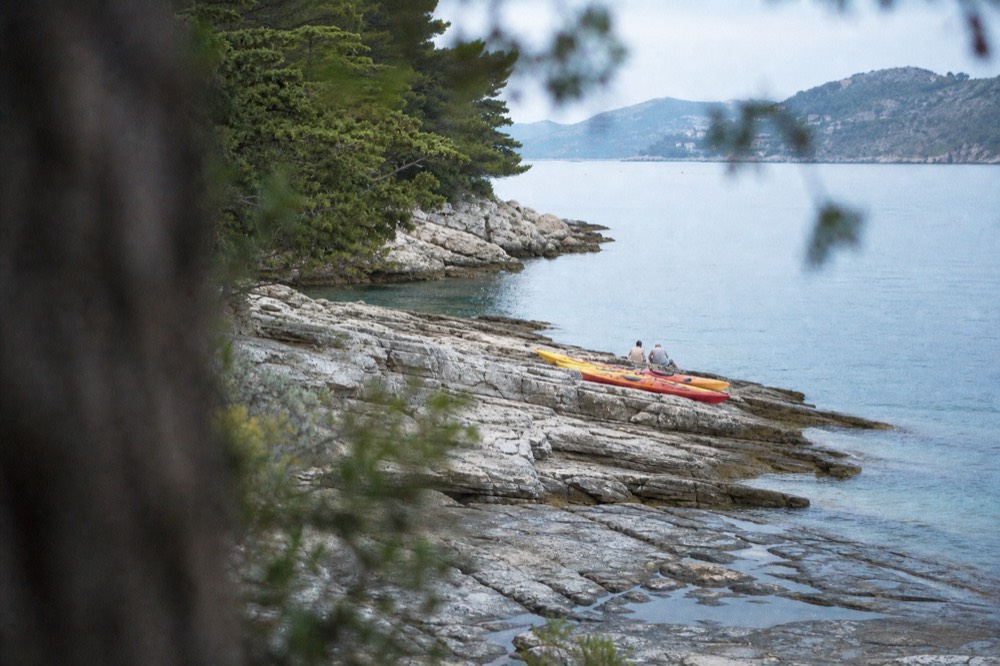
Start with the water. Island cruises leave from Gruž and the Old City Harbour, and the most-reviewed full-day option, an Elaphiti islands cruise with lunch, runs about 8 hours from $59.16 per person, rated 4.9 across 10,312 reviews. Closer to home, sea kayaking tours paddle this coastline directly, with a two-and-a-half-hour guided kayak and snorkel tour from $35 per person, rated 4.9 across 3,619 reviews, and a two-hour Lokrum and Betina Cave route from $35.49 rated 4.9 across 1,518 reviews. From a Babin Kuk hotel these are the easiest tours in the city to reach.
For the panorama, the cable car climbs from just outside the Old Town to the Mount Srd station at 405 metres above sea level, a 367-metre rise over a 778.2-metre track in 3 minutes 30 seconds, with adult round trips at 30 euro in 2026 per the operator's own price page at dubrovnikcablecar.com. Note the calendar before you build a winter itinerary around it: the cable car is closed January to March. A guided option pairs the ride with an Old Town walk, about 4 hours 30 minutes from $163.50 per person, rated 4.6 across 716 reviews, which works well as a single big sightseeing day from a beach base.
Great tour with a great guide. Terrific views from the cable car. The old town is fascinating. We walked part of the wall because it was very hot. Sara was a fabulous guide and gave us recommendations for lunch and what else we should see.
Fred_W
Back on dry land, the peninsula's own entertainments are gentle ones: the coastal path at sunset, the Lapad cafe strip for coffee and gelato, and the Gruž market for peaches and figs in season. Evening-wise, the Old Town holds the city's nightlife, including the nightclub inside the Revelin fortress, a bus ride home rather than a stroll, which is the peninsula's one real social cost. Families, meanwhile, will find the whole setup hard to beat, a point we expand on in our things to do with kids guide.
Is Babin Kuk the Right Base for Your Trip?
Babin Kuk is the right base if your trip is beach-first, family-oriented or heat-averse: you get resort facilities, clear swimming water and quiet nights, while the Old Town stays within easy reach as a short bus ride away whenever you want sightseeing days, making it a comfortable and practical choice for travelers who prefer calm surroundings over staying in the busy historic center. It is the wrong base if you want to stumble out of your door into the walled city, if late nights inside the walls matter, or if you would rather spend your accommodation budget on location than on a pool. Everything else about the peninsula, the beaches, the buses, the evenings, follows from that one trade, so make it consciously.
Count the days honestly. A first visit to Dubrovnik needs two or three Old Town days: one for the streets and the walls, one for the cable car or a viewpoint, and one for a boat or kayak outing. If that is the shape of your week, the peninsula works beautifully, because those days are outings and the remaining days are pure holiday. If you are in the city for two nights only and want to squeeze every evening out of the Stradun, sleep inside or beside the walls instead, even in a smaller room.

| Your trip style | Babin Kuk fit | Why |
|---|---|---|
| Beach-first week | Excellent | Beaches at the door, warm sea, resort facilities |
| Family holiday | Excellent | Pools, shallow swimming options, space to roam |
| Two-night city break | Poor | Every sightseeing day starts with a bus ride |
| Nightlife-focused | Weak | The clubs and bars are in and around the Old Town |
| Heat-averse summer visit | Very good | Swim mornings and evenings, sightsee early |
Whatever you decide, book the big-ticket items before you arrive, because the walls, the popular walks and the boat trips all sell out on peak days, and the Port Authority's own data shows why the peak is not always where you expect it: cruise passengers in 2025 peaked in September at 101,246 and October at 100,132, above July's 96,072 and August's 87,385. September is a glorious month here, but it is not an empty one. The guided options below are the ones I would shortlist from a Babin Kuk base, and each can be checked against your dates before you commit.
Common Questions About Babin Kuk in Dubrovnik
Is Babin Kuk a Good Place to Stay in Dubrovnik?
Yes, for beach-first and family trips. The peninsula concentrates Dubrovnik's resort hotels around pebble beaches and pine-shaded promenades, with a frequent bus connection to Pile Gate at the edge of the Old Town. It suits travellers who want space, pools and swimming over a historic address inside the walls.
Can You Swim in Dubrovnik Beaches?
Yes. The long-run average sea temperature off this coast is 24.9 degrees in July, 25.8 in August and 23.6 in September, a NOAA 1991 to 2020 open-water average rather than a beach reading. Most visitors swim comfortably from late May into early October, and sheltered bays often run warmer than the average suggests.
Are the Beaches Better in Split or Dubrovnik?
Split has gentler, sandier, shallower beaches that suit families with small children; Dubrovnik has clearer water and more dramatic settings on pebble and rock. If sand underfoot matters most, pick Split. If water clarity and scenery matter most, pick Dubrovnik and base yourself around Babin Kuk or Lapad.
How Do You Get from Babin Kuk to the Old Town?
Take the local bus along the Lapad corridor to Pile Gate, the stop beside the walls and the start of the Stradun. The number 6 bus is the key route from this side of the city. Taxis and ride-hailing also work, and the coastal promenade makes the walk to Lapad pleasant in cooler hours.
Is Babin Kuk Walkable?
The peninsula itself is very walkable, with a coastal path threading the beaches and promenades, and Lapad's cafe strip an easy stroll east. The Old Town is not a casual walk away, so plan on the bus or a taxi for sightseeing days and treat the promenade as your daily walking route.