Dubrovnik Card vs Dubrovnik Pass: What You Actually Get for 40 Euro
Search for the Dubrovnik Card and you will land on the Dubrovnik Pass: same product, two names, and a season boundary that most guides never mention. Here is what each tier actually includes.
Short answer
The Dubrovnik Card and the Dubrovnik Pass are the same product, sold at dubrovnikpass.com for 40 euro (one day), 50 euro (three days) and 60 euro (seven days) in the 1 March to 30 November season. Every tier includes the City Walls and Lovrijenac Fortress once, plus museums and a bus ticket. No winter tier is on sale.
Two names travel around the internet for one product. The City of Dubrovnik sells its cultural multipass under the name Dubrovnik Pass on its official site, dubrovnikpass.com, and half the travel articles online still call it the Dubrovnik Card. There is no second card, no cheaper local variant, no museum-only version. If you buy anything called a Dubrovnik Card or Dubrovnik Pass, you are buying one of three timed tickets from one official webshop, and the price you pay depends on a season window that catches a lot of December visitors out.
I walk past the Pile Gate counters most weeks, and the question I hear there is never "should I buy the card". It is "wait, the card and the pass are the same thing?" They are. This guide settles the naming, lists every inclusion tier by tier, prices the whole thing against single tickets, and tells you the two situations where the pass is genuinely a bad buy. The short version: in main season the one-day pass is one of the better deals in Croatian tourism, and in December it does not exist.
What Does the Dubrovnik Pass Include?
Every tier of the Dubrovnik Pass includes the City Walls and Lovrijenac Fortress, a set of museums and galleries, and a public bus ticket, with each sight visitable once. The one-day pass covers nine sights plus the walls, while the three-day and seven-day passes cover ten by adding House Bukovac in Cavtat, and every tier includes the walls and Lovrijenac as its first listed inclusion.
The official tiles on dubrovnikpass.com list the inclusions in the same order for every tier, and the first line is always the one that matters most: City Walls + Lovrijenac Fortress. That single line is what makes the pass arithmetic work, because the standalone walls ticket alone costs 40 euro in main season, the same as the entire one-day pass. The checkout states the limit plainly: you are entitled to a one-time visit to the City Walls and all other cultural institutions, regardless of which pass type you buy. One visit each, no repeats.
Beyond the walls, the one-day pass opens nine cultural-historical sights: the Rector's Palace, the Maritime Museum, the Ethnographic Museum, Marin Držić House, the Dubrovnik Natural History Museum, the Friars Minor Franciscan Monastery Museum, the Museum of Modern Art Dubrovnik, the Dulčić, Masle and Pulitika Gallery and Pulitika Studio, and the archaeological exhibitions. The three-day and seven-day tiers add House Bukovac in Cavtat, which is why the City describes them as ten sights rather than nine.
Then there is the transport layer, which most articles under-sell. Every pass includes a public bus ticket for Dubrovnik city transport: 24 hours on the one-day pass, 72 on the three-day, 168 on the seven-day. The longer two tiers add coupons for suburban rides, usable for a trip to Cavtat, which pairs neatly with the House Bukovac inclusion. The pass also carries discounts at partner restaurants, souvenir shops and travel agencies, though I would treat those as a bonus rather than a reason to buy.
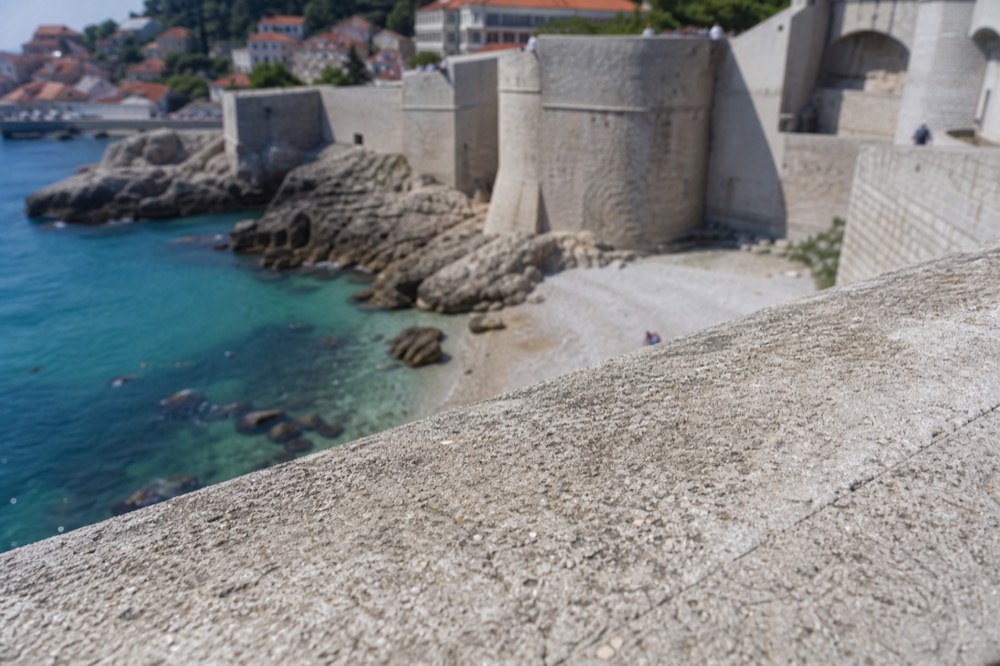
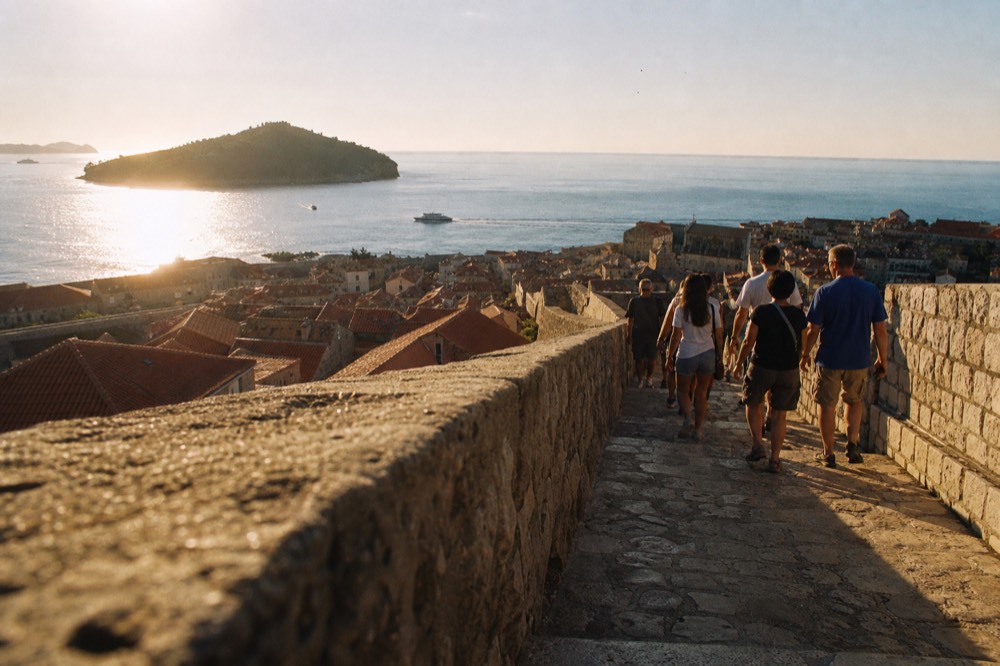
The walls themselves deserve a sentence of scale, because the inclusion is bigger than most visitors expect. The circuit is 1,940 metres long, up to 25 metres high in places, 4 to 6 metres thick on the land side and 1.5 to 3 metres on the sea side, with 16 towers, 3 fortresses, 6 bastions, 2 corner fortifications, 3 bulwarks, 3 moats, 2 flank fortresses, 1 breakwater and 2 drawbridges. The shape was reached in the 13th century and the final bastion, St Stephen's, was finished in 1660. You can read the full breakdown in our city walls guide.
| Tier | Price | Sights included | Bus ticket | Suburban coupons |
|---|---|---|---|---|
| One day | 40 euro | Walls + Lovrijenac + 9 sights | 24 hours | No |
| Three days | 50 euro | Walls + Lovrijenac + 10 sights | 72 hours | Yes |
| Seven days | 60 euro | Walls + Lovrijenac + 10 sights | 168 hours | Yes |
One boundary to hold in mind: the pass does not include Lokrum. The Lokrum ticket is 30 euro per person, bought separately, and it covers both the reserve entry and the return boat transfer. If you were told a "Dubrovnik Card" covers everything in the city, that is the usual point of confusion, and our Lokrum Island guide covers what that ticket buys.
If you want the walls and the Old Town explained together rather than figuring them out alone, the two obvious formats are a guided walk or a self-paced audio option. These three are the ones worth comparing first.
Is It Worth Buying a Dubrovnik Pass?
In main season, 1 March to 30 November, the one-day pass costs the same 40 euro as the standalone City Walls ticket, so every museum and the bus ticket are effectively free once you have decided to walk the walls. The three-day pass at 50 euro and the seven-day at 60 euro are worth it only if you will visit three or more included museums across a longer stay.
That equivalence is the whole argument, and it carries a season qualifier that most articles drop. The standalone walls ticket is 40 euro in main season, 1 March to 30 November, and drops to 20 euro in December, when no pass tier is on sale at all. So the sentence "the pass costs the same as the walls" is true only in the main season window. Say it without the season and you will mislead every winter visitor who reads it.
Run the arithmetic for a typical first day. You walk the walls, which alone is 40 euro. You visit the Rector's Palace and the Maritime Museum, both included. You ride the bus from Pile to Lapad and back on the 24-hour ticket. Total outlay with the pass: 40 euro. Total without it: the walls at 40 euro, plus two museum tickets, plus bus fares. The pass wins the moment you enter a single included museum, and it wins big the moment you enter two.
Where the pass loses: if you are in town for a few hours from a cruise ship and only want the walls, buy the walls ticket and skip the rest. The pass also does not cover Lokrum, the cable car, or any tour. And if you are visiting in December, the question is moot: the checkout at dubrovnikpass.com offers exactly one season toggle, labelled SUMMER 2026, 01.03.2026 to 30.11.2026, and one ticket type, ADULT PASS (7+). There is no winter tier at any price.
The cable car comparison comes up constantly, so let me settle it here. The cable car is a separate operator entirely: adult round trip 30 euro, one way 17 euro, child 4 to 12 round trip 8 euro, under 4 free. It is not in any pass tier, and no combination of the two products exists. Our cable car guide covers when the ride is worth it, including the fact that the operator closes January to March.
What Attractions Are Free With the Dubrovnik Pass?
Free with every tier: the City Walls, Lovrijenac Fortress, the Rector's Palace, the Maritime Museum, the Ethnographic Museum, Marin Držić House, the Natural History Museum, the Franciscan Monastery Museum, the Museum of Modern Art, the Dulčić-Masle-Pulitika Gallery, Pulitika Studio and the archaeological exhibitions. The three-day and seven-day tiers add House Bukovac in Cavtat.
The walls inclusion deserves its own unpacking, because the 40 euro walls ticket is itself a combination. The operator's own webshop sells it under the internal name "adult walls + Lovrijenac", and the shop page states it also includes free admission to Lovrijenac Fortress, the Western Outer Wall (closed December, January and February) and the Collection of Coins of the Republic of Ragusa at Gundulić Square 6. There is no separate, cheaper walls-only ticket. So when the pass says "City Walls + Lovrjenac Fortress", it is matching the full standalone product, not a stripped-down version.
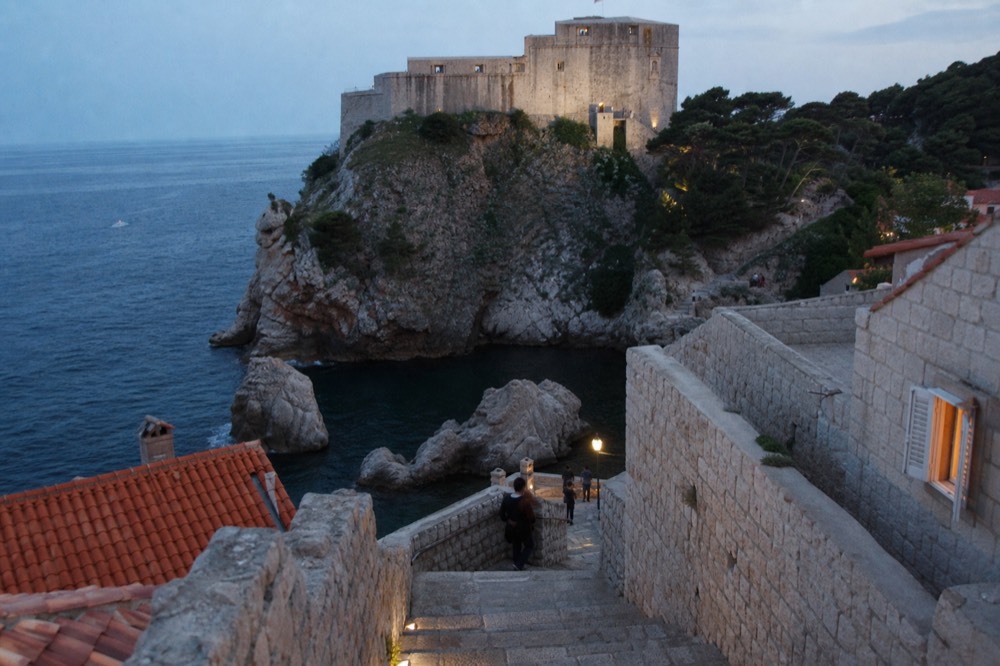
Lovrijenac is the sleeper inclusion. The fortress stands on a 37-metre-high sea rock just outside the walls, and bought alone it is 15 euro. It is also, in my view, the best single viewpoint over the western wall face and the open sea, and it is usually far quieter than the wall circuit itself. Our Fort Lovrijenac guide covers how to work it into a day. Between the walls, Lovrijenac and the coin collection, the pass's first line already carries real value.
| Included attraction | One-day pass | Three-day pass | Seven-day pass |
|---|---|---|---|
| City Walls (once) | Yes | Yes | Yes |
| Lovrijenac Fortress (once) | Yes | Yes | Yes |
| Rector's Palace | Yes | Yes | Yes |
| Maritime Museum | Yes | Yes | Yes |
| Ethnographic Museum | Yes | Yes | Yes |
| Marin Držić House | Yes | Yes | Yes |
| Natural History Museum | Yes | Yes | Yes |
| Franciscan Monastery Museum | Yes | Yes | Yes |
| Museum of Modern Art | Yes | Yes | Yes |
| Dulčić-Masle-Pulitika Gallery | Yes | Yes | Yes |
| Pulitika Studio | Yes | Yes | Yes |
| Archaeological exhibitions | Yes | Yes | Yes |
| House Bukovac, Cavtat | No | Yes | Yes |
What is not included matters just as much for planning. The pass does not cover the cable car, Lokrum, the Game of Thrones filming locations as such, any guided tour, the aquarium, or the Homeland War Museum. If your day is built around any of those, the pass may still be worth it for the walls and museums, but budget separately for the rest.
A walking tour and the pass are not rivals, they stack.
Which Museums Are Included in the Dubrovnik Pass?
The pass includes nine museums and galleries in the Old Town: the Rector's Palace, Maritime Museum, Ethnographic Museum, Marin Držić House, Natural History Museum, Franciscan Monastery Museum, Museum of Modern Art, the Dulčić, Masle and Pulitika Gallery and Pulitika Studio, plus the archaeological exhibitions. The three-day and seven-day tiers add House Bukovac in Cavtat.
The Rector's Palace is the one most visitors will actually enter, and it is the right first choice: the palace of the Ragusan republic's head of state, full of state rooms, coins and paintings, right on the Stradun's eastern end. The Maritime Museum sits inside Fort St John at the Old Port and tells the story of the republic's fleets. The Ethnographic Museum, in a granary building off Ruđer Bošković Street, covers traditional life in the Dubrovnik region. Each is a one-time visit on the pass, so choose your moment rather than dashing through all three in a tired afternoon.
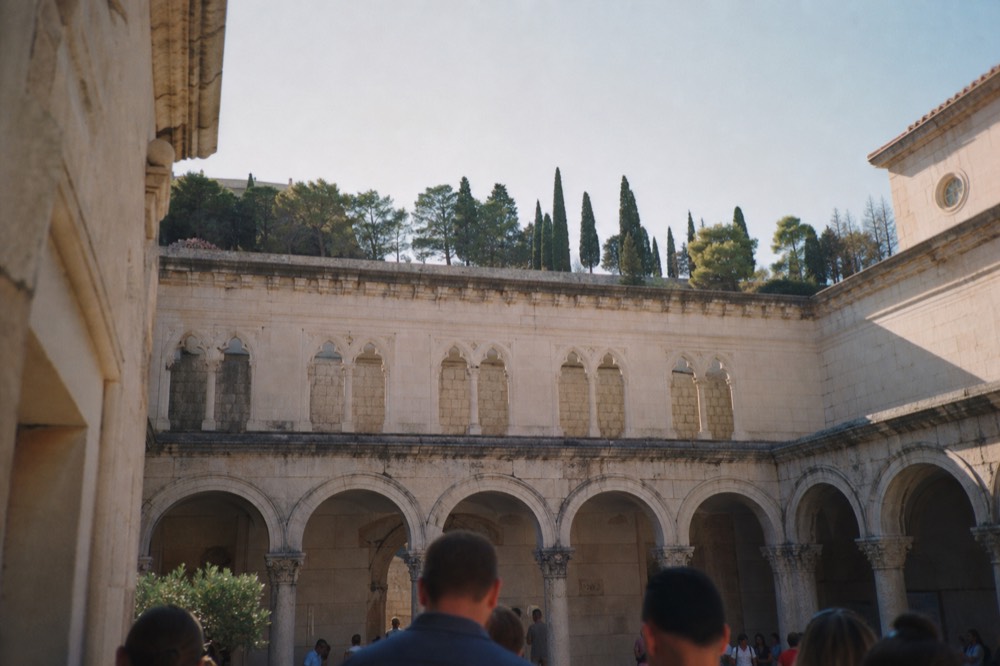
The smaller entries are the pass's quiet wins. Marin Držić House is a small museum devoted to the city's great Renaissance playwright. The Natural History Museum holds an aquarium-adjacent collection near the Old Port. The Franciscan Monastery Museum shares its building with one of the oldest pharmacies in Europe, and the monastery's cloister is one of the loveliest quiet corners inside the walls; our Franciscan Monastery guide covers what to look for. The Museum of Modern Art sits in Ban's Palace above the western end, and the Dulčić-Masle-Pulitika Gallery and Pulitika Studio hang beside it in the same complex.
| Museum or gallery | Where it sits | Best for |
|---|---|---|
| Rector's Palace | East end of the Stradun | Ragusan state rooms and history |
| Maritime Museum | Fort St John, Old Port | Ships, charts and sea power |
| Ethnographic Museum | Off Ruđer Bošković Street | Traditional Dubrovnik region life |
| Marin Držić House | Near the Rector's Palace | Renaissance theatre and literature |
| Natural History Museum | Near the Old Port | Adriatic natural history |
| Franciscan Monastery Museum | West end of the Stradun | Cloister and the old pharmacy |
| Museum of Modern Art | Ban's Palace, western walls | Croatian modern painting |
| Dulčić-Masle-Pulitika Gallery | Same complex | Dubrovnik artists |
| Pulitika Studio | Same complex | A painter's preserved workspace |
House Bukovac in Cavtat is the tier divider. It is the preserved home and studio of the painter, in the seaside town half an hour south of the city, and it only opens to pass holders on the three-day and seven-day tiers. Pair it with the suburban bus coupons those tiers include and you have a genuinely good Cavtat day built into the ticket. Our Cavtat guide covers the rest of that trip.
How Much Does the Dubrovnik Card Cost?
The Dubrovnik Pass costs 40 euro for one day, 50 euro for three days and 60 euro for seven days, per person, sold only as an adult pass for ages 7 and up in the 1 March to 30 November season. There is no child tier, no winter tier and no family option on the official checkout.
Those three prices are read straight from the official webshop's live checkout, not from a summary article, and the checkout adds two details that matter. First, the season label: SUMMER 2026, 01.03.2026 to 30.11.2026, with no other toggle rendered. Second, the ticket type: ADULT PASS (7+) is the only option. If you are travelling with a six-year-old, note that the walls operator sells a child ticket for ages 7 to 18 at 15 euro in main season, with under 6 free, so a family with young children may do better buying standalone child tickets than assuming a pass exists for them.
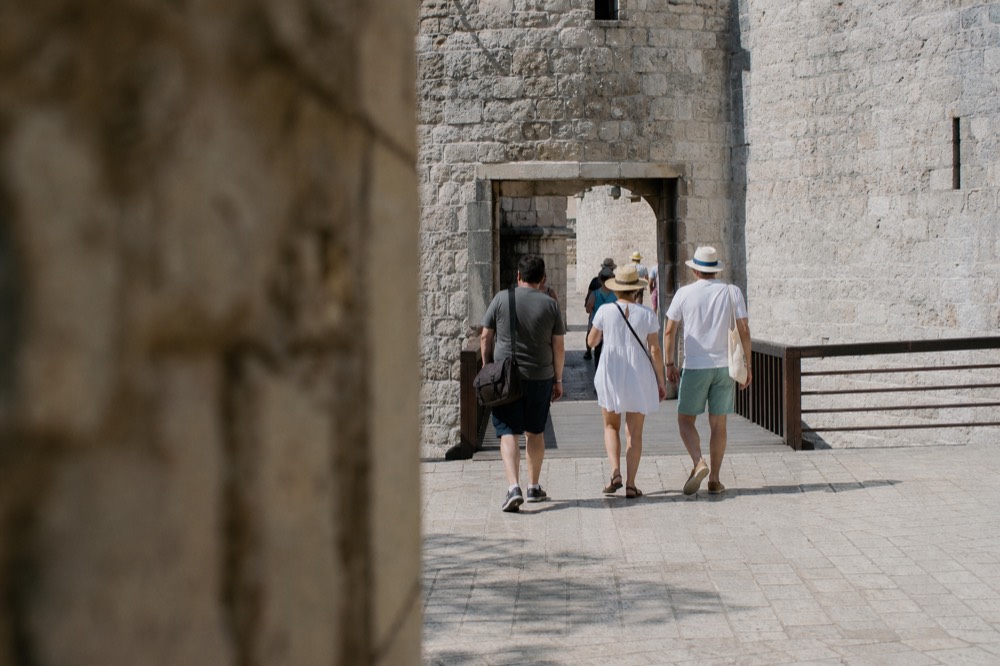
For comparison, here is what the individual headline products cost, all from the operators' own pages. The walls and Lovrijenac combination is 40 euro adult in main season, 20 euro in December, child 7 to 18 at 15 euro then 5 euro, under 6 free, with no family ticket. Lovrijenac alone is 15 euro. The cable car is 30 euro adult round trip. Lokrum is 30 euro including the return boat. Against that board, the one-day pass at 40 euro is priced exactly at the single most expensive item it replaces.
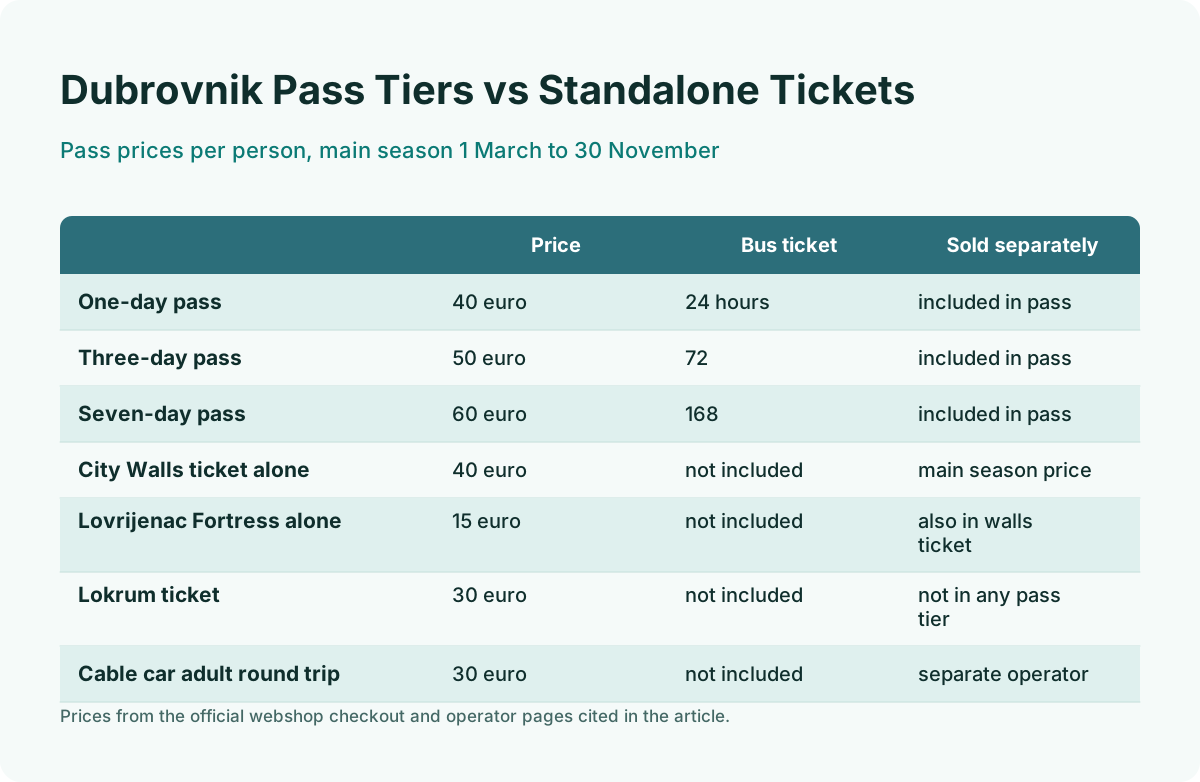
| Product | Main season price | December price |
|---|---|---|
| Dubrovnik Pass, one day | 40 euro | Not on sale |
| Dubrovnik Pass, three days | 50 euro | Not on sale |
| Dubrovnik Pass, seven days | 60 euro | Not on sale |
| City Walls + Lovrijenac, adult | 40 euro | 20 euro |
| City Walls + Lovrijenac, child 7 to 18 | 15 euro | 5 euro |
| Lovrijenac Fortress alone | 15 euro | 15 euro |
The pattern to notice: the pass's value collapses outside its own season. In December the walls ticket halves to 20 euro while the pass disappears from sale entirely, so a December visitor who read a summer article and budgeted for a 40 euro pass will find neither the pass nor the 40 euro walls price. Our Dubrovnik in winter guide covers what is actually open then.
When Is the Pass a Bad Deal?
The pass is a bad deal in three situations: a short cruise stop where you will only walk the walls, a December visit when no pass tier is on sale and the walls ticket halves to 20 euro, and any trip built around attractions the pass does not cover, such as Lokrum, the cable car or guided tours.
The cruise case is the most common. If your ship is in port for five hours, the realistic plan is the walls plus a wander, and the standalone 40 euro ticket does exactly that. The museums need an hour or more each, the bus ticket is useless when you are walking everywhere from the Old Port, and the one-time-visit rule means you cannot split the walls across two visits anyway. Our cruise day itinerary is built around exactly that constraint.
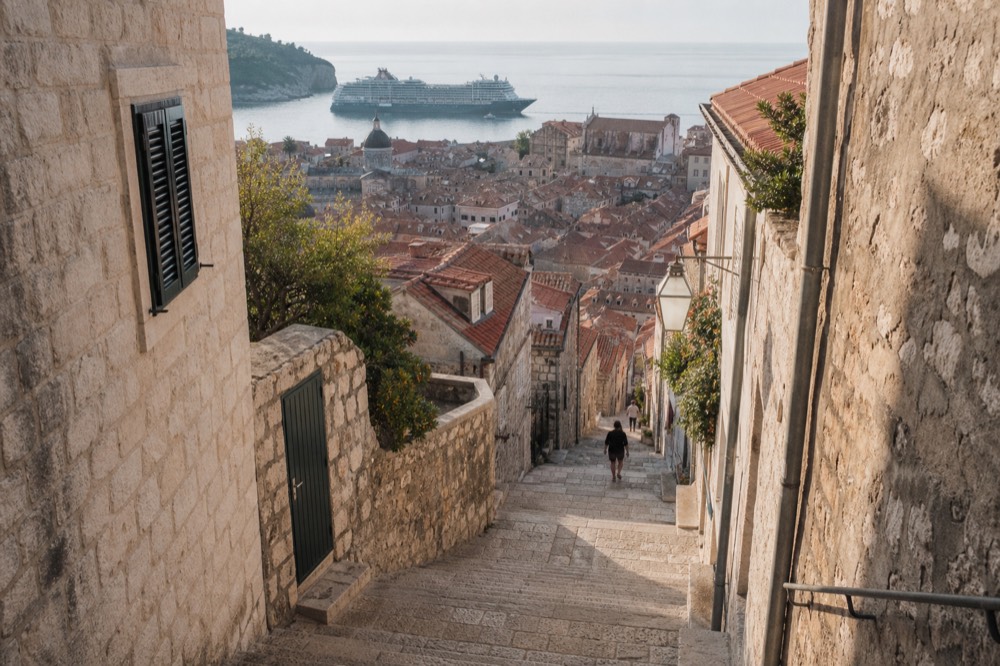
Timing matters more than most visitors realise, and not in the direction people expect. Cruise passenger numbers at the Port of Dubrovnik peaked in September 2025 at 101,246 and October at 100,132, both above July's 96,072 and August's 87,385. The full-year 2025 total was 625,257 passengers, and 461 cruise calls are scheduled for 2026. The Port Authority limits cruise passengers to 8,000 a day in most cases, and the Old Town's official carrying capacity, from the UNESCO carrying-capacity assessment, is 11,275 people, tracked by six counters at every entrance updating every 15 minutes. The point for pass planning: a wall walk at 08:00 beats one at 11:00 on a busy September day, and the walls operator's stated hours, 08:00 to 19:30, give you that early window.
The December case is arithmetic. Walls ticket at 20 euro, Lovrijenac at 15 euro, no pass on sale: even a museum-heavy December day cannot reach the 40 euro the pass would have cost if it existed. Buy single tickets and keep the difference.
| Your situation | Best buy | Why |
|---|---|---|
| Full first day, walls plus museums | One-day pass | Matches the walls price, museums and bus are then free |
| Three days with a Cavtat trip | Three-day pass | Adds House Bukovac and suburban bus coupons |
| Five-hour cruise stop | Standalone walls ticket | No time for museums, no use for the bus |
| December visit | Single tickets | Walls halve to 20 euro, no pass tier on sale |
| Here mainly for Lokrum and the cable car | Single tickets | Neither is covered by any pass tier |
One more honest boundary: the pass does not include a ferry to Lokrum, a question we answer in full in does the Dubrovnik Pass include a Lokrum ferry. The Lokrum ticket is 30 euro per person and covers both the reserve and the return boat, with departures from the City Harbour at 09:00, then every 15 minutes from 10:00 to 18:00.
How the Pass Compares to a Guided Day
The pass buys entry, not explanation. A guided walls walk costs from $29.58 per person for about two hours and does not include the walls ticket, while the hop-on hop-off bus tour from $35.46 per person covers transport but no sights, so the pass stacks with either rather than replacing them.
This is the distinction I draw for visitors who ask whether a tour makes the pass redundant. It does not. The two-hour Ancient City Walls and Wars walking tour, rated 4.8 across 1,387 reviews, walks the circuit with a guide who can name every tower, but you still need your own walls entry, which is exactly what the pass provides. The hop-on hop-off yellow bus tour with audio guide, rated 4.9 across 1,147 reviews, handles the panorama loop above the city, which pairs with the pass's own 24-hour city bus ticket if you want both the commentary and the practical transport.
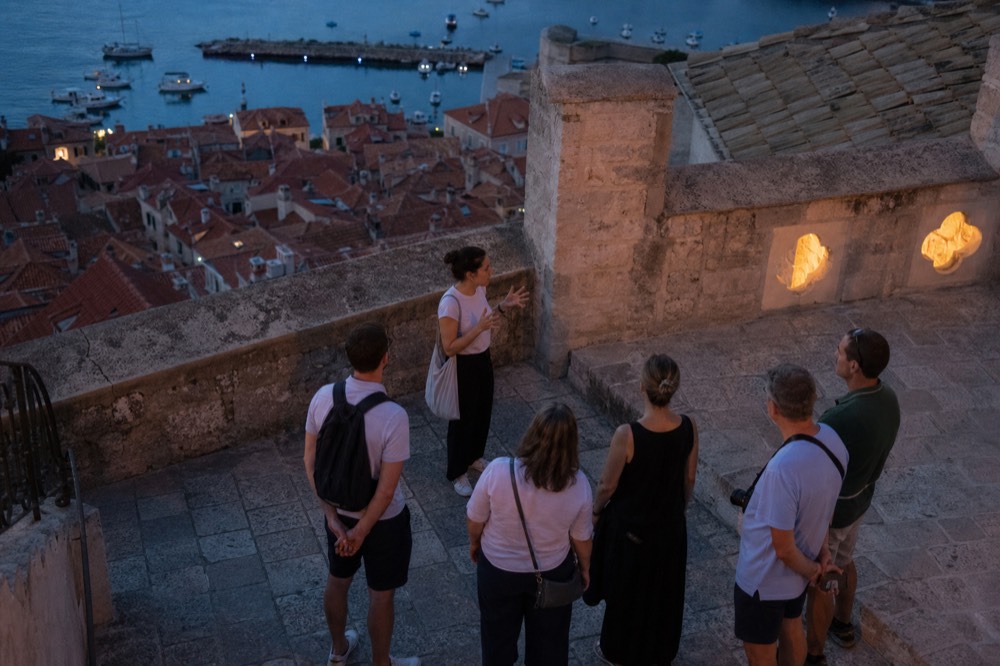
A recent guest review of the walls walking tour captures what the guide adds over the ticket alone:
This well organized tour helped put Dubrovnik's past (and present) into perspective. It's incredible that the city walls have withstood the test of time. Antun was a wonderful guide.
linda_a
The stack that works best for a first visit, in my experience of walking these streets since 2015: a guided Old Town walk on day one morning, the walls with your pass entry in the late afternoon when the crowds thin, Lovrijenac the next morning before it warms up, and the museums slotted into whichever afternoon turns hot. The pass's one-time-visit rule actually helps here, because it forces you to spread the sights instead of cramming them.
For transport beyond the city buses, the hop-on hop-off option covers the panorama route with an audio guide, which suits visitors staying in Lapad who want the viewpoints without hiking up.
Practical Tips Before You Buy
Buy the pass only for the main season, match the tier to your real museum appetite rather than your ambition, remember each sight is one visit only, and do not expect it to cover Lokrum, the cable car or any tour. Children under 7 have no pass tier, so buy standalone child tickets instead.
A few field notes. The one-time-visit rule is enforced per institution, so if you want to photograph the walls at sunset after walking them at noon, that is two tickets, not one revisit. The bus ticket clock starts when you first validate it, not when you buy the pass. The Western Outer Wall, which the walls ticket covers, closes December, January and February, so winter pass holders, if a winter tier ever appears, should check before planning that section. And the Collection of Coins of the Republic of Ragusa at Gundulić Square 6 is a small, easy inclusion that most visitors walk past without noticing.
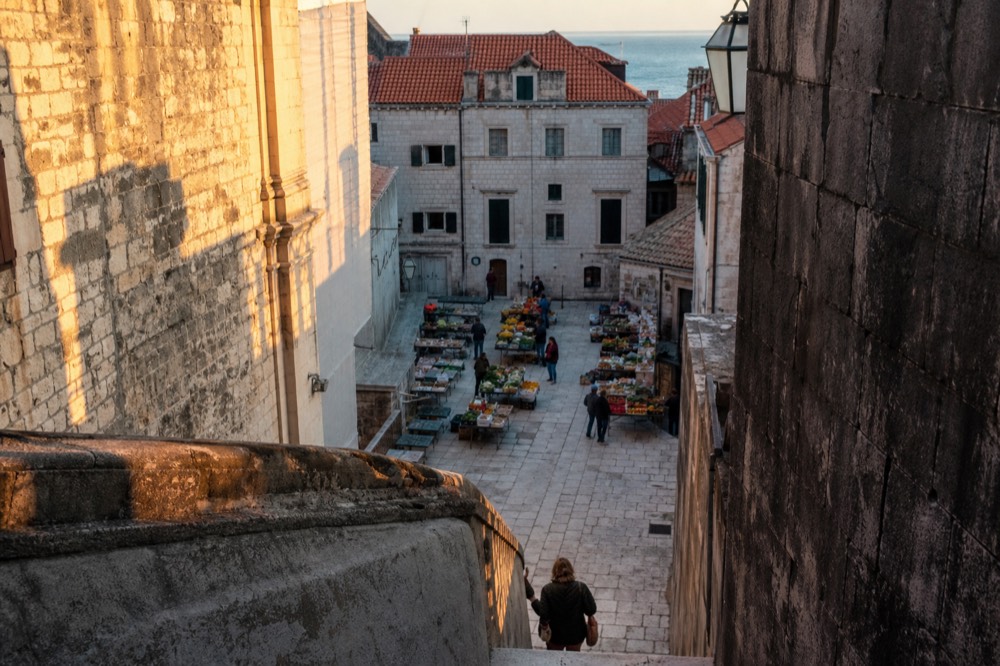
Crowd timing is the tip that pays for itself. On a real September day the Old Town counters read 5,419 people at 08:00, 7,297 at 09:00, a peak of 7,739 at 10:00, then 7,205 at 11:00. The pattern repeats daily in season: the town fills through the morning, peaks around 10:00, and eases later. A pass holder has no time pressure, so use the flexibility, walk the walls at 08:00 when the operator opens, do a museum at midday when the wall is at its most crowded, and come back out in the late afternoon.
If you are still weighing the whole question of trip length and budget, our trip cost guide and how many days guide cover the bigger planning picture, and the site's full Things to Do in Dubrovnik collection covers everything the pass leaves out.
Whichever way you decide, these three products cover the classic first-day formats: the Old Town walk, the guided walls circuit, and the panorama bus.
Common Questions About the Dubrovnik Card
Is the Dubrovnik Card the same as the Dubrovnik Pass?
Yes. The City of Dubrovnik sells one cultural multipass, officially named the Dubrovnik Pass, at dubrovnikpass.com. "Dubrovnik Card" is an older and unofficial name for the same product with the same tiers and prices.
what does the dubrovnik pass include?
Every tier includes the City Walls and Lovrijenac Fortress (one visit each), nine museums and galleries, and a public bus ticket: 24 hours on the one-day pass, 72 on the three-day, 168 on the seven-day. The three-day and seven-day tiers add House Bukovac in Cavtat and suburban bus coupons.
How much does the Dubrovnik Card cost?
40 euro for one day, 50 euro for three days and 60 euro for seven days, per person, in the 1 March to 30 November season. The only ticket type on sale is ADULT PASS (7+). No winter tier exists, and no 2027 price is on sale.
Does the Dubrovnik Pass include the city walls?
Yes. "City Walls + Lovrjenac Fortress" is the first listed inclusion on every tier, and the checkout allows a one-time visit to the walls and to each other institution. The walls inclusion matches the full standalone product, which is itself a walls plus Lovrijenac combination.
Is the Dubrovnik Pass worth it in December?
No, because it cannot be bought in December. No winter tier is on sale. The standalone walls ticket drops to 20 euro in December, with child 7 to 18 at 5 euro, so single tickets are the only and the cheaper option.
Does the Dubrovnik Pass include Lokrum or the cable car?
No. Lokrum is a separate 30 euro ticket that includes the reserve entry and the return boat transfer. The cable car is a separate operator charging 30 euro for an adult round trip. Neither appears in any pass tier.