Hidden Gems in Dubrovnik: The Quiet Corners Most Visitors Miss
Most visitors see the Stradun, the walls and the cable car, then leave. Here is what they walk straight past: the fortress you can have to yourself, the abandoned resort on the coast, and the corners of the Old Town where the crowds never reach.
Short answer
The best hidden gems in Dubrovnik include Fort Lovrijenac on its 37-metre sea rock (15 euro alone, far quieter than the walls), the abandoned Kupari resort, the Western Outer Wall, Betina Cave by kayak, and the back lanes above the Stradun. Go before 08:00: the Old Town counted 5,419 people at 08:00 and peaked at 7,739 at 10:00.
Most of Dubrovnik's four million annual visitors, the Croatian Bureau of Statistics counted about 4.2 million overnight stays in 2025, see the same three things: the Stradun, the city walls and the view from the cable car. I have been guiding travellers through this city since 2015, and the places I actually send people to when they ask for something different are almost never in those itineraries. This guide collects them.
Some are quiet because they sit a staircase away from the main drag. Some are quirky on purpose, like the cave bar built into a hole in the cliff. And some are quiet for stranger reasons, like a row of grand hotels shelled and left to the elements. All of them are reachable without a car, and most cost little or nothing.
What Are Some Hidden Gems to See in Dubrovnik?
The best hidden gems in Dubrovnik are Fort Lovrijenac on its 37-metre sea rock, the Western Outer Wall above Buža, the back lanes of Prijeko street above the Stradun, the abandoned Kupari resort, and the Sponza Palace atrium at opening time. Lovrijenac costs 15 euro alone and is usually near-empty while the walls heave with people.
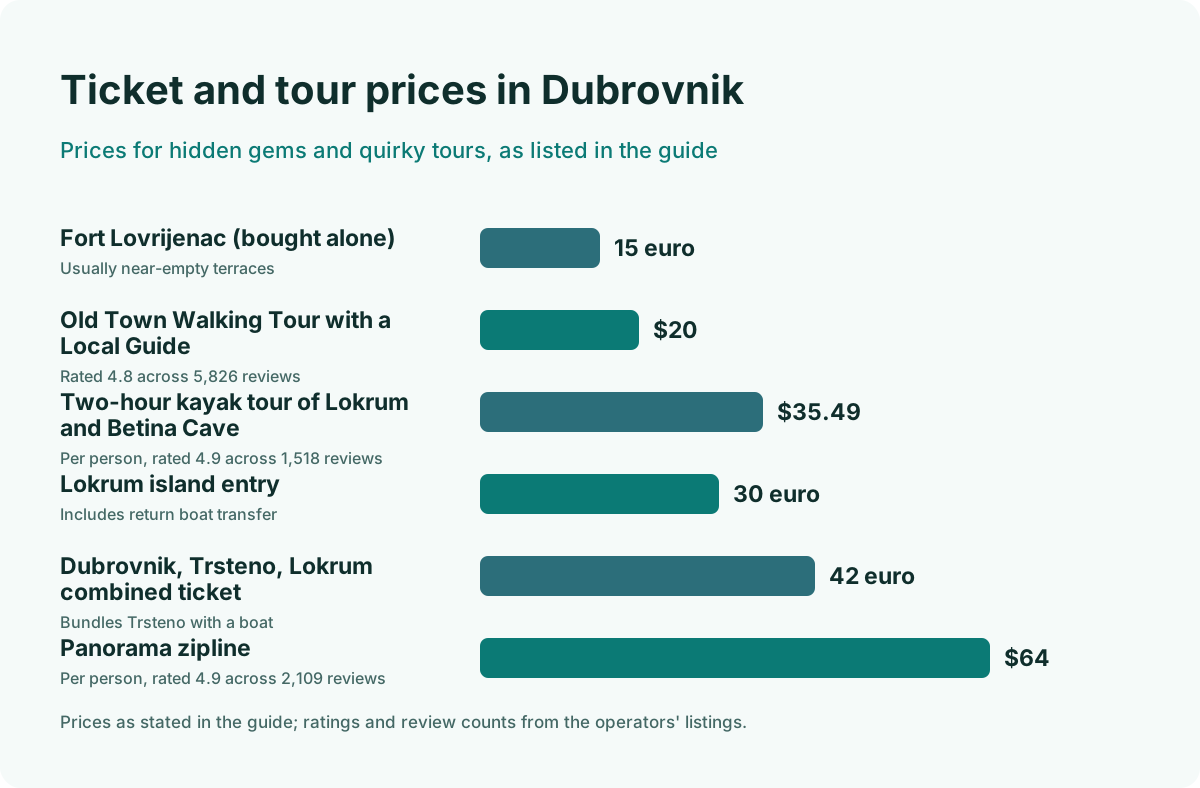
Start with Fort Lovrijenac, because it is the most overlooked major sight in the city. The fortress rises on a 37-metre-high sea rock just outside the western wall, and the Dubrovnik Tourist Board's own page describes it as a monumental standalone fortress. Bought alone it is 15 euro, and in my experience you will often share its terraces with a handful of people rather than the thousands up on the main wall. It is also included in the 40 euro main-season walls combination ticket, which the walls operator sells as walls plus Lovrijenac, along with the Western Outer Wall and the Collection of Coins of the Republic of Ragusa.
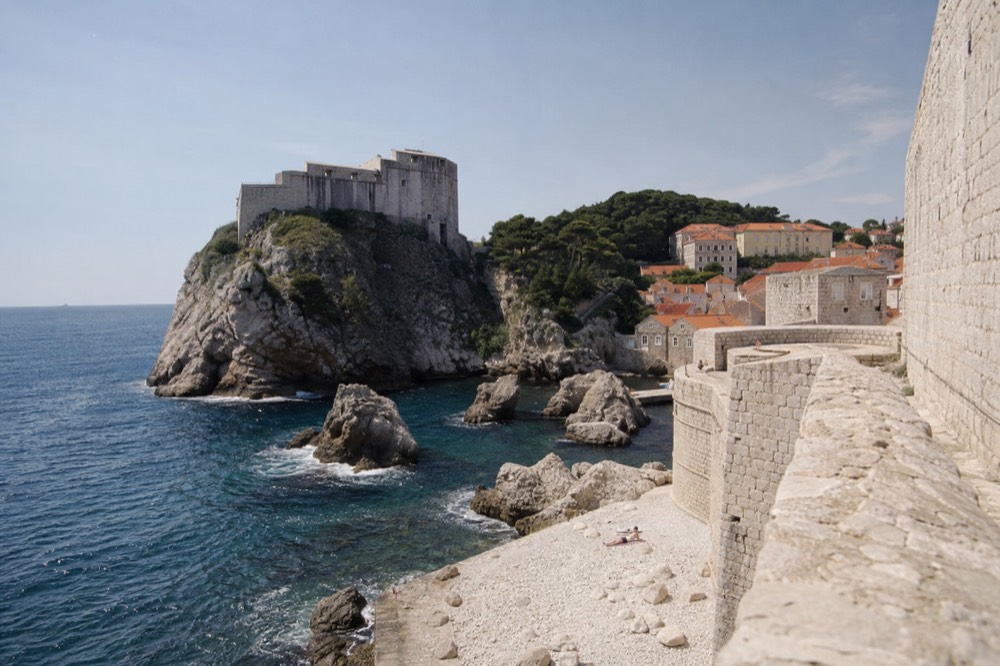
The Western Outer Wall is the second gift inside that ticket and almost nobody claims it. It runs along the outside of the western defences, gives you the classic postcard angle of the walls and Lovrijenac together, and closes from December through February. On the main circuit you are part of a procession; on the outer wall you can stand still.
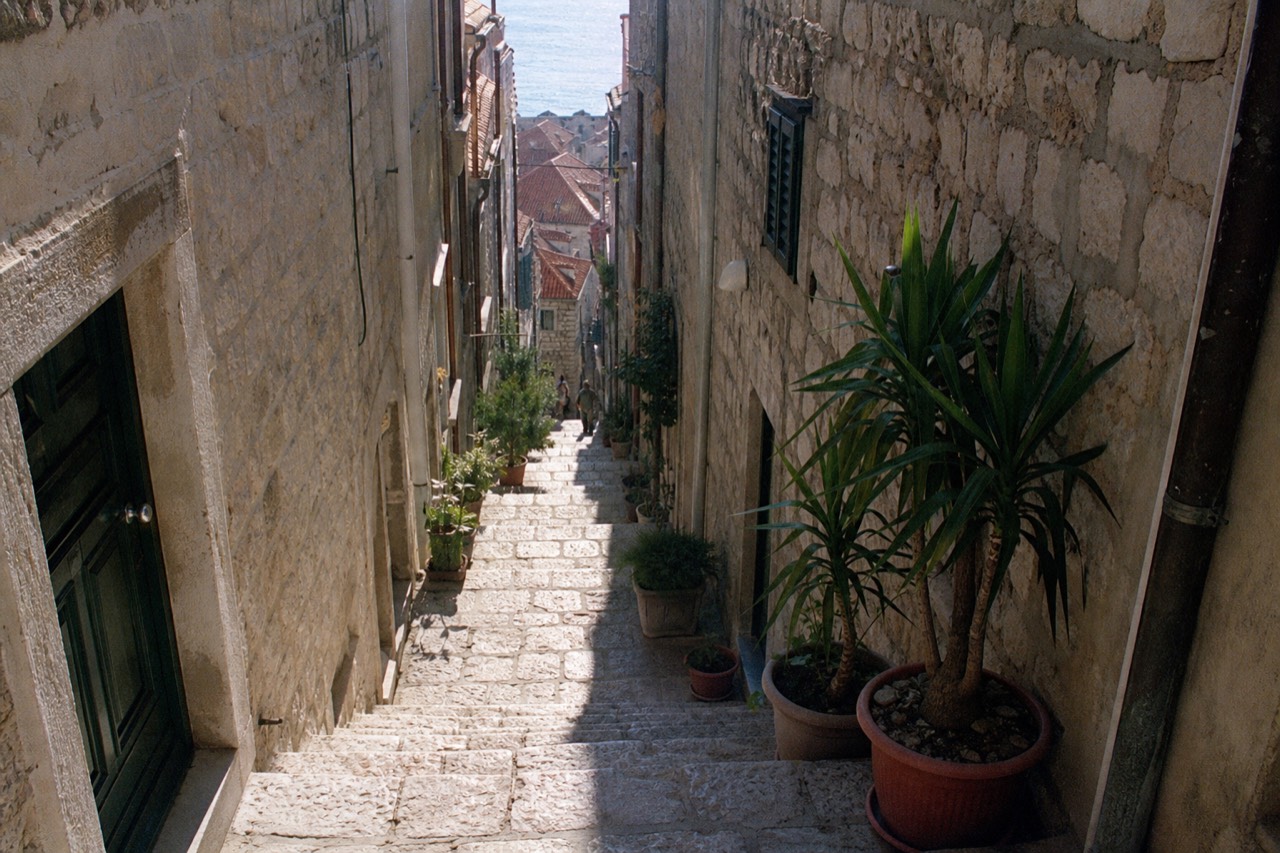
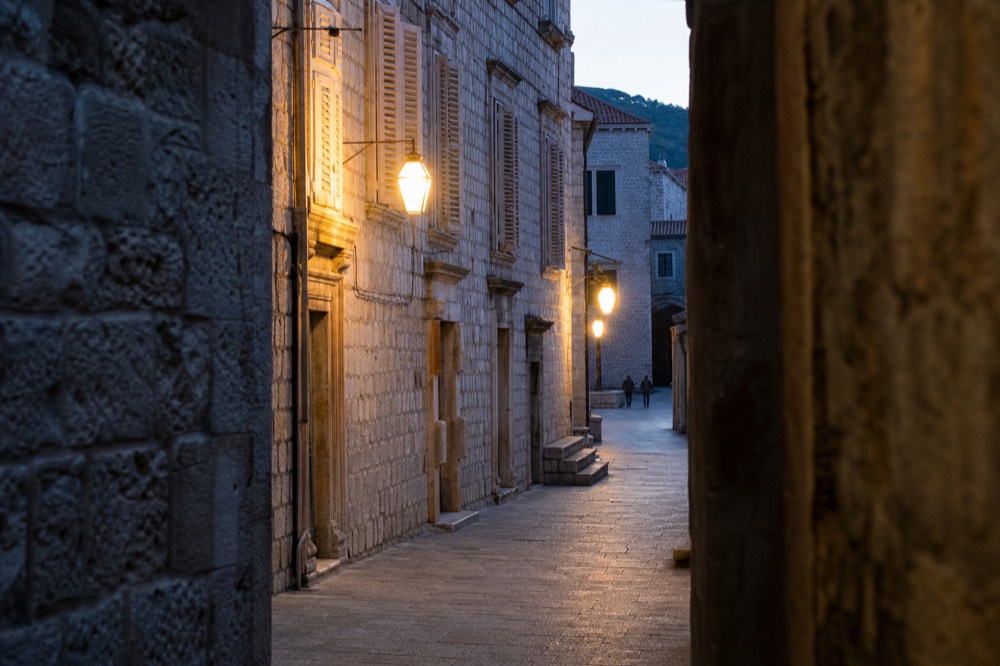
Inside the Old Town, the hidden gem is vertical. The Stradun, 298 metres long according to the Dubrovnik Tourist Board, is the flat limestone channel everyone walks. One street up, either side, the parallel lanes of Prijeko and its neighbours are where laundry still hangs between buildings and cats own the staircases. Walk them in the early evening when the day-trippers have gone and the restaurants up there, the ones locals actually use, put their tables out.
| Hidden gem | Where | Entry | Best time |
|---|---|---|---|
| Fort Lovrijenac | Outside Pile Gate, across a small bridge | 15 euro alone, or in the 40 euro walls ticket | Morning, before tour groups arrive |
| Western Outer Wall | Above Buža, western defences | Included in the walls ticket | Golden hour, closed December to February |
| Prijeko back lanes | One street above the Stradun | Free | Early evening |
| Sponza Palace atrium | Luža square, Old Town | Free to look inside | Right at opening |
| Kupari abandoned resorts | Coastal path toward Cavtat | Free, view from the beach | Late afternoon |
The walls themselves deserve a fact-check before you go, because the numbers explain why the quiet corners matter. The operator's own site states the circuit is 1,940 metres long, up to 25 metres high, 4 to 6 metres thick on the land side and 1.5 to 3 metres on the sea side, with 16 towers, 3 fortresses, 6 bastions and 2 drawbridges along the way. That is a lot of wall, and in July and August every metre of it is shared.
What Are Some Quirky Things to Do in Dubrovnik?
The quirkiest things to do in Dubrovnik are drinking at a bar built inside a cliff-side cave, kayaking into Betina Cave sea grotto, riding the panorama zipline from $64, browsing the chess sets carved from local stone, and taking a pay-what-you-want night walk on GuruWalk. The cave bar and the zipline are the two that visitors most often call the surprise of their trip.
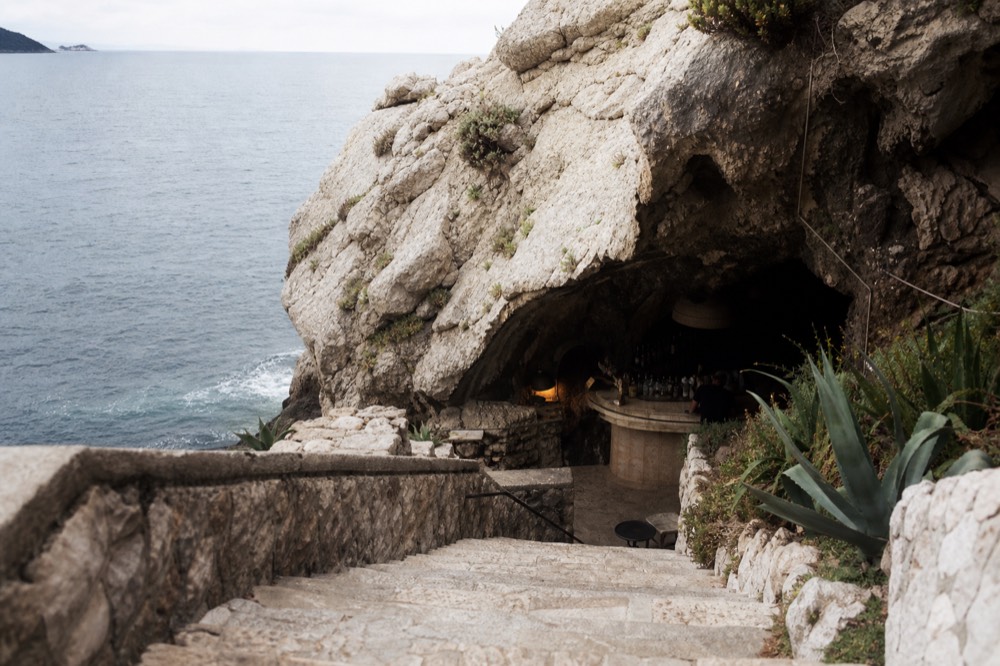
The cave bar is the one I get asked about most. It is a café set literally inside a natural cave in the cliff below the western walls, reached by a path from the Pile side. You descend stone steps into a vaulted grotto with the sea lapping below. Our guide to the cave bar covers how to find it and when it is quietest; the short version is that mid-morning belongs to coffee drinkers and evenings to cocktails.
Betina Cave is the sea-level version of the same idea: a grotto under the cliffs east of the Old Town that you can only properly reach from the water. Guided kayaks paddle there from the beach below the walls, and the two-hour kayak tour of Lokrum Island and Betina Cave runs from $35.49 per person, rated 4.9 across 1,518 reviews. Swimming inside a cave with the light coming through the water is the kind of thing people remember longer than the walls.
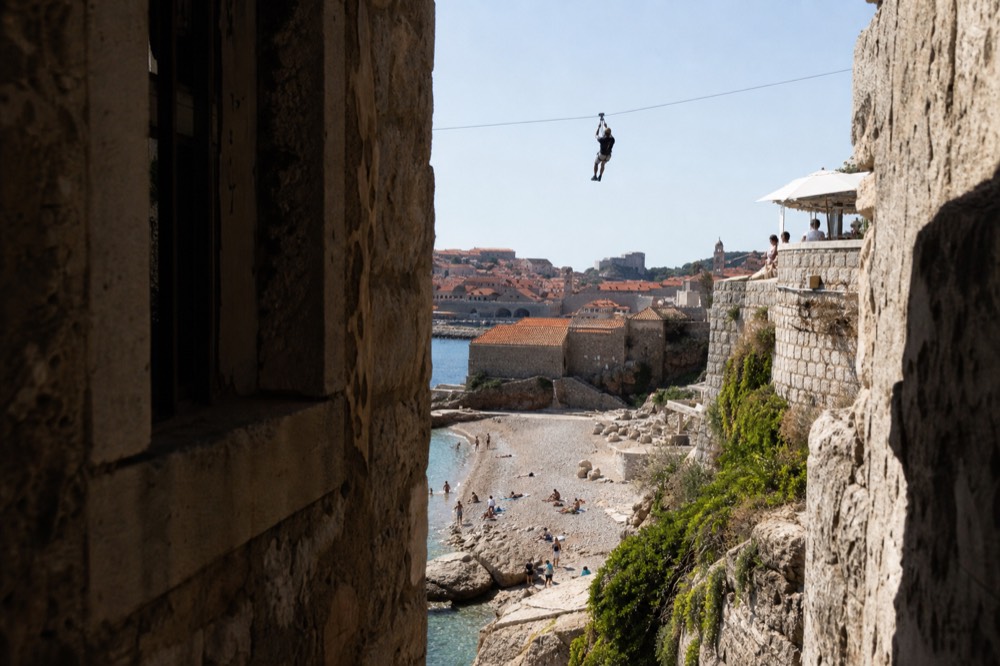
For quirky with adrenaline, the panorama zipline runs from a platform on the hillside above the city, from $64 per person, rated 4.9 across 2,109 reviews. You cross lines above the old town roofline with the Adriatic behind it. One verified review from a guest called Sophia puts it well: "You have an excellent view over Dubrovnik. You feel very well taken care of by Bobby, Matteo, and Dennis. Excellent organization! I would do it again anytime."
Two more oddities are free. The first is the tradition of chess in the Old Town: carved sets made of local stone are a Dubrovnik speciality, and our page on the Dubrovnik chess set explains what to look for if you want one home. The second is the night walk. On GuruWalk, a free, pay-what-you-want platform, a guide called Marco runs Magical Dubrovnik Nights: History and Legends, an hour and 45 minutes of ghost stories and history rated 4.9 across 288 reviews. You pay nothing up front and tip what you think it was worth. The answer page what are some quirky things to do in Dubrovnik? lists more in the same spirit.
If you want a guide to decode the back lanes rather than just walk them, these three are the formats worth comparing:
The Old Town Walking Tour with a Local Guide runs from $20 per person and carries a 4.8 rating across 5,826 reviews, which makes it both the cheapest paid walk in the city and one of the most reviewed. A verified guest called Sophie described it like this: "Alex was a fantastic guide, she explained the complex history of Dubrovnik to give a lasting impression of the history of the area. Really appreciated that she aimed for shaded areas on a boiling September day. The food recommendations for after were much appreciated too! Great tour for a first experience of the old town!"
What Are Some Hidden Gems in Croatia?
Croatia's best hidden gems beyond the obvious coast are the Elaphiti island of Šipan and Koločep, Trsteno Arboretum north of Dubrovnik, the Pelješac peninsula's wine villages and walls of Ston, the island of Korčula, and the Mljet national park lakes. All of them sit within a day trip of Dubrovnik, and none of them is on the cruise-ship circuit.
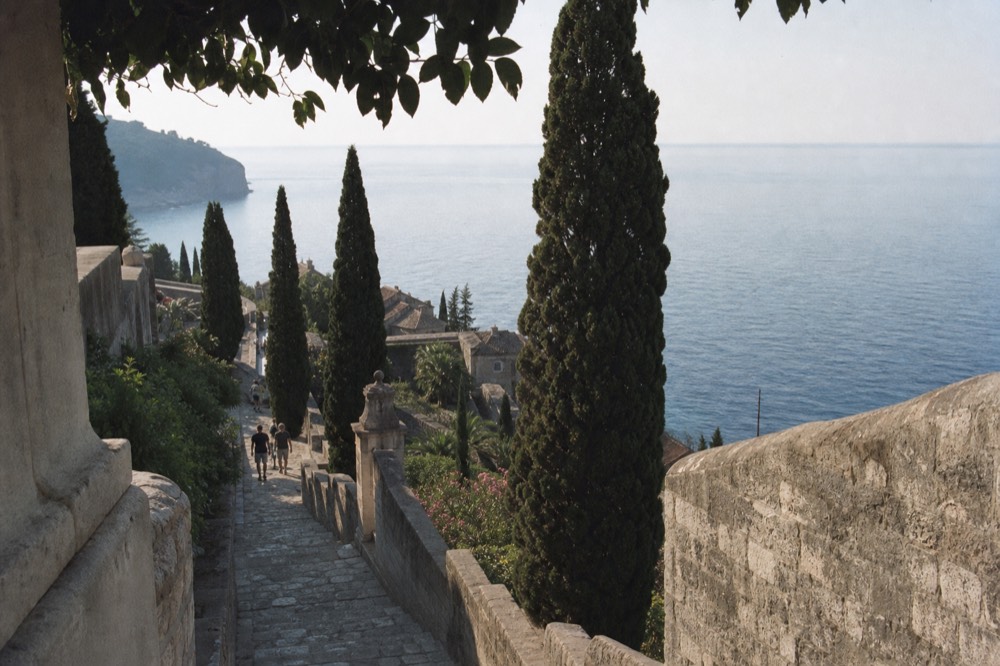
Start close. Trsteno Arboretum, a Renaissance garden of cypresses and stone terraces on the coast road north of the city, is the easiest gem to reach, and the combined Dubrovnik, Trsteno, Lokrum ticket at 42 euro bundles it with an air-conditioned boat. Our Trsteno guide covers the grounds and how to get there.
The Elaphiti islands are the second layer. Koločep, Lopud and Šipan sit a short ferry ride from Gruž, and the full-day cruises that visit them are among the most reviewed products in the whole country. But the independent version, the local ferry, costs a fraction of a cruise and lets you stay for lunch on Šipan, the quietest of the three. Our pages on Šipan and Koločep have the detail.
| Croatian gem | Distance from Dubrovnik | What makes it off-radar |
|---|---|---|
| Trsteno Arboretum | Coast road north of the city | Renaissance gardens most day-trippers skip |
| Šipan island | Elaphiti ferry from Gruž | Fewest visitors of the three Elaphiti islands |
| Ston and Pelješac | Northwest, toward the peninsula | Long defensive walls and wine country |
| Korčula town | Ferry across the channel | A walled town without Dubrovnik's crowds |
| Mljet national park | Boat trip northwest | Two saltwater lakes inside forest |
Ston deserves its own sentence, because it is the single most underrated day trip from this city: a small town with a set of defensive walls that climb the hillside, and the oyster beds of nearby Mali Ston, which our Ston oysters guide covers in full. Korčula, a compact walled town on its own island, pairs well with it; the Ston and Korčula day trip with wine tasting is the organised version.
The pattern behind all of these is simple: Croatia's coast has one Dubrovnik, but it has dozens of smaller stone towns, islands and peninsulas that get a fraction of the pressure. The country recorded 20.7 million arrivals and 94.8 million overnight stays in commercial accommodation in 2025, and most of that traffic concentrates in a handful of names. Step one street or one ferry stop off the list and the ratio flips immediately.
Are There Any Hidden Gems in Croatia?
Yes, plenty, and the biggest ones are hiding in plain sight near Dubrovnik: Lokrum island's botanical corners, the Konavle valley villages behind the airport, Cavtat's old cemetery on the headland, and the beaches and ruins of Kupari. Lokrum costs 30 euro including the return boat, with departures at 09:00 then every 15 minutes from 10:00 to 18:00.
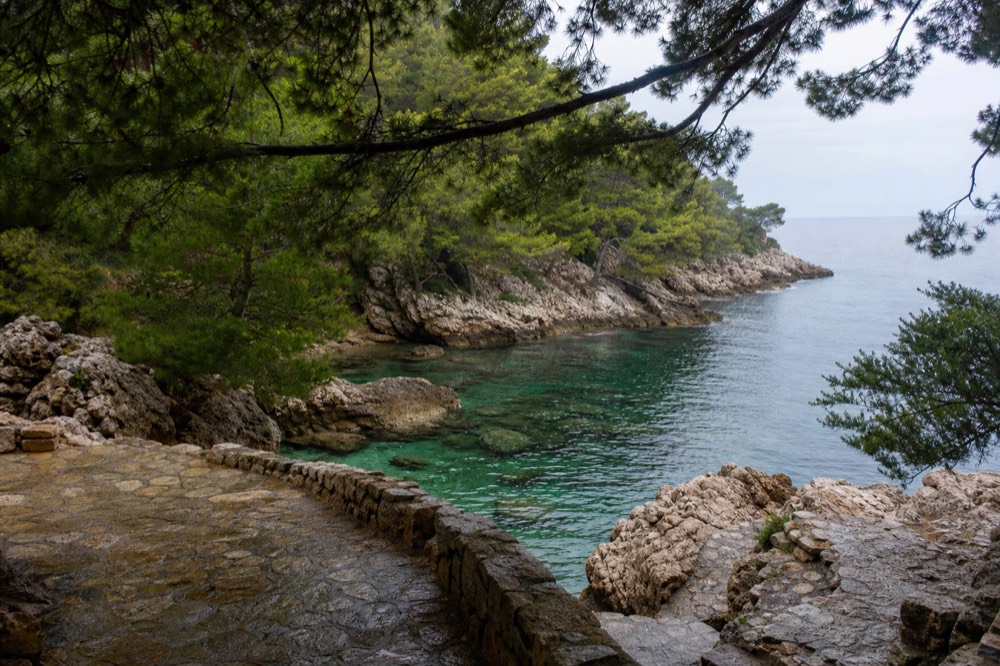
Lokrum is on every list, but it is bigger than most visitors realise, and the crowds concentrate on the first hundred metres from the dock. Walk ten minutes past the monastery and you reach botanical plantings, rocky coves on the far shore, and a saltwater lake that most day-trippers never see. The 30 euro ticket covers reserve entry and the return boat transfer whether you use the official boat or your own transport, and the ticket office at Luža in the Old City Port works 08:00 to 18:00. Our Lokrum island guide maps the quiet parts.
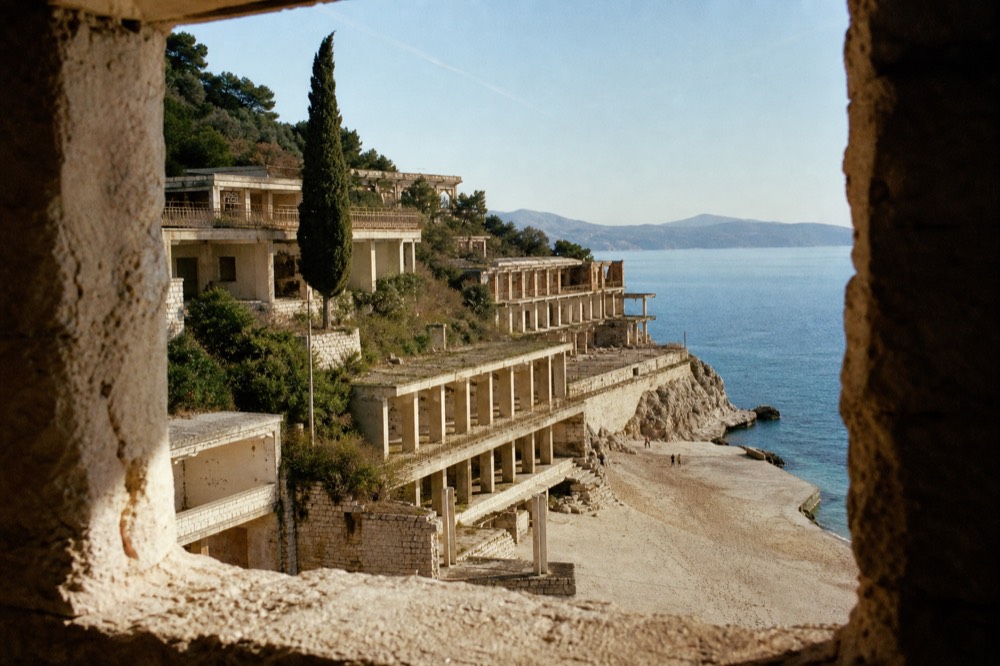
Kupari is the strangest gem on this list. South of the city along the coastal path lies a row of grand resort hotels, damaged in the war and never rebuilt, standing open to the sky above a perfectly good beach. Our abandoned Kupari guide tells the story. You should not enter the buildings, but the beach in front of them is one of the quietest within walking distance of the Old Town, and the view of the ruins is genuinely haunting.
Cavtat, at the other end of that same coastal path, is the polished version: a small harbour town with a waterfront promenade, a famous cemetery walk on the headland, and none of the crush. The Cavtat guide covers it.
For the full picture of what the country hides, the answer page what are some hidden gems in croatia? goes beyond the Dubrovnik region. The short version: yes, they exist, and the ratio of gems to visitors improves the moment you leave the three or four names everyone books.
How Do You Beat the Crowds to the Quiet Corners?
Time your day around the official counter data: the Old Town held 5,419 people at 08:00, peaked at 7,739 at 10:00 and still had 7,205 at 11:00, so the quiet window is before 08:00 or after 18:00. September and October are the busiest cruise months, ahead of July and August, so do not assume autumn is quiet.
Dubrovnik runs six counters at every Old Town entrance, updating a headcount every 15 minutes, and the official carrying capacity from the UNESCO assessment is 11,275 people. A real morning curve read on 8 September 2026 shows how fast the town fills: 1,200 at 04:00, 3,139 at 07:00, 5,419 at 08:00, 7,297 at 09:00, the 7,739 peak at 10:00. By lunchtime the hidden gems are the only places left with air. The official visitors platform publishes the prediction data.
The cruise calendar is the counter-intuitive part, and it is the single fact I most want visitors to internalise. Port Authority data shows 2025 cruise passengers peaked in September at 101,246 and October at 100,132, above July's 96,072 and August's 87,385. The full-year 2025 total was 625,257 passengers, and 461 cruise calls are scheduled for 2026. The Port Authority's statistics page carries the numbers. Autumn is beautiful here, the sea's September average is about 23.6 degrees as a long-run NOAA average, but it is not empty.
| Time of day | People in the Old Town | What it means for gem hunting |
|---|---|---|
| 07:00 | 3,139 | Stradun almost empty, photograph freely |
| 08:00 | 5,419 | Still comfortable, walls entrance calm |
| 10:00 | 7,739 (peak) | Head for Lovrijenac, Kupari or an island |
| 11:00 | 7,205 | Crowds holding, stay off the main circuit |
The practical plan writes itself. Be inside the walls by 07:30, do the Stradun and Sponza while the counters are low, then make a decision: either go up on the walls early, the operator's stated hours at time of check were 08:00 to 19:30, or leave the Old Town entirely for Lovrijenac, the cave bar or a kayak. Return after 18:00, when the day-trip buses have gone and the lanes above the Stradun belong to the restaurants. The walls operator's own site carries the ticket and access detail.
A guide changes this arithmetic, because a local knows which staircase empties at which hour. The Things to Do in Dubrovnik roster includes several walks that fit the early-morning window, and the cable car and Old Town combination, from $163.50 per person and rated 4.6 across 716 reviews, pairs the 405-metre upper station view with a guided town walk in one four-and-a-half-hour block.
However you build the day, the principle holds: Dubrovnik's hidden gems are not secret because they are hard to find, they are secret because almost everybody arrives between 09:00 and 16:00 and never leaves the two main drags. Shift your hours and your geography by even a little, and the city opens up.
Common Questions About Hidden Gems in Dubrovnik
What Are Some Hidden Gems to See in Dubrovnik?
Fort Lovrijenac on its 37-metre sea rock, the Western Outer Wall, the lanes above the Stradun, Sponza Palace's atrium, the abandoned Kupari resort and the far shores of Lokrum. Lovrijenac costs 15 euro alone and is the easiest big-sight swap for a crowded walls circuit.
What Are Some Quirky Things to Do in Dubrovnik?
Drink inside the cave bar set into the cliff below the walls, kayak into Betina Cave, ride the panorama zipline from $64 per person, browse stone-carved chess sets, or take the free, pay-what-you-want Magical Dubrovnik Nights history and legends walk on GuruWalk, rated 4.9 across 288 reviews.
what are some hidden gems in croatia?
Trsteno Arboretum, the Elaphiti islands of Šipan and Koločep, Ston's walls and oyster beds on Pelješac, Korčula town and the lakes of Mljet national park. All sit within a day trip of Dubrovnik and none is on the cruise circuit.
Are There Any Hidden Gems in Croatia?
Yes. Within reach of Dubrovnik alone you have Lokrum's quiet botanical corners, the Konavle valley, Cavtat's headland cemetery and the Kupari ruins. Nationally, the ratio of gems to visitors improves sharply once you step off the four or five most-booked names.
When Is the Old Town Quietest?
Before 08:00 and after 18:00. The official counters read 3,139 people at 07:00, 5,419 at 08:00 and a 7,739 peak at 10:00. Note that September and October are the busiest cruise months of the year, ahead of July and August.