Does Dubrovnik Have a Michelin Star Restaurant?
No, Dubrovnik has no Michelin-starred restaurant, but Croatia does. Here is what that means for your trip, and where to eat brilliantly in the city instead.
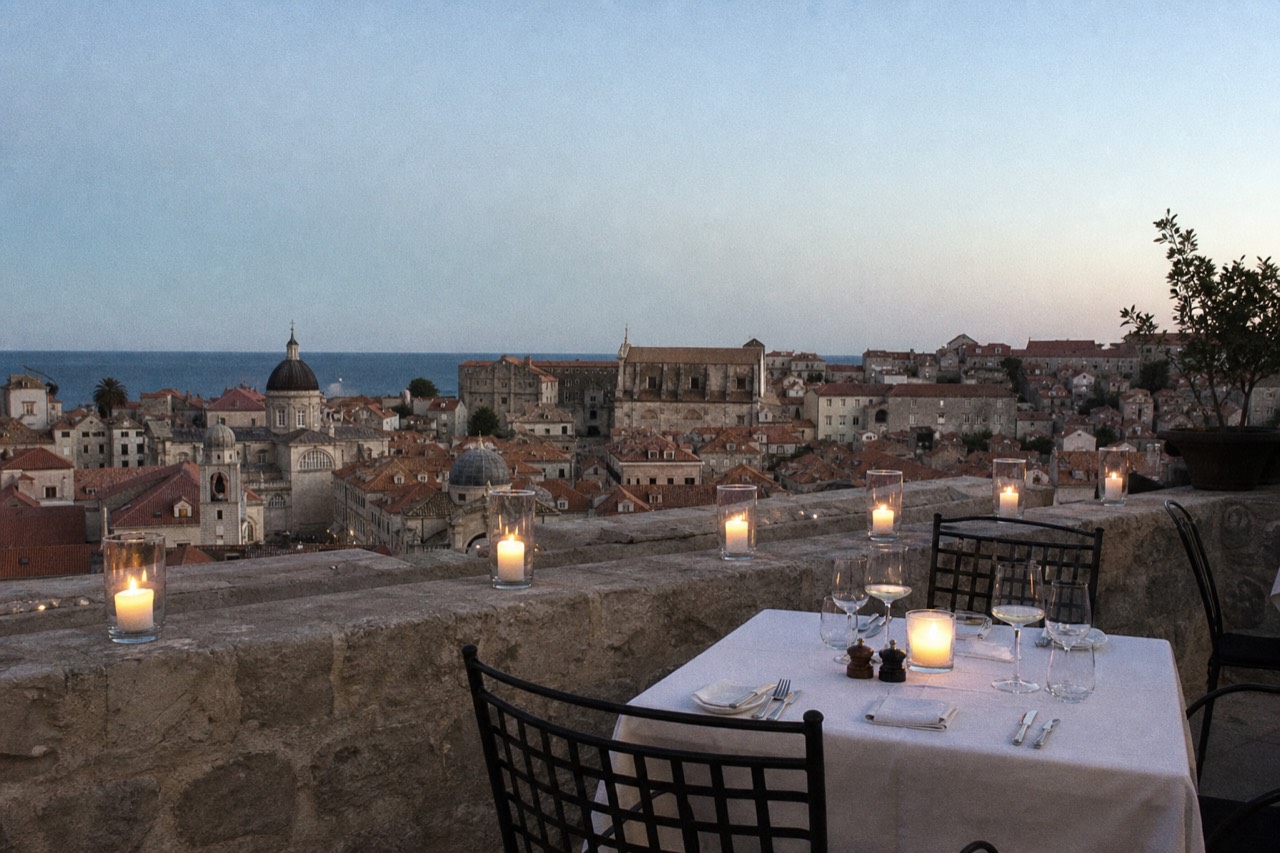
Does Dubrovnik Have a Michelin Star Restaurant?
No. Dubrovnik does not have a Michelin-starred restaurant. The city has an ambitious fine dining scene, and plenty of tables that charge like one, but no kitchen inside the city, or anywhere in the wider Dubrovnik area, currently holds a Michelin star. Croatia as a country does have starred restaurants, which makes the gap in Dubrovnik a genuine curiosity rather than a verdict.
That answer lands differently depending on why you asked. If you were hoping for a starred splurge on a Dubrovnik holiday, the honest position is that you will not find one here, and you should plan the big dinner around the best unstarred kitchens instead. If you asked because a restaurant here described itself in star-adjacent language on its menu or its website, treat that as marketing rather than certification. The star is awarded by the Michelin Guide's own inspectors, it is published in the guide itself, and nothing a restaurant prints about itself can substitute for that.
The gap is not about ingredient quality. The Dubrovnik region sits on one of the richest stretches of coastline in the Adriatic, the Konavle valley and the Pelješac peninsula grow serious wine, and the oyster beds at Ston have supplied this coast for centuries. What the area has lacked, so far, is the combination of a full-time destination kitchen, a stable year-round dining economy, and the sustained attention of inspectors that produces stars. Dubrovnik's seasonality works against it: a city that recorded about 4.2 million overnight stays in 2025, sharing first place among Croatian destinations with Rovinj according to the Croatian Bureau of Statistics, still empties out dramatically in winter, and starred kitchens are built on year-round teams.
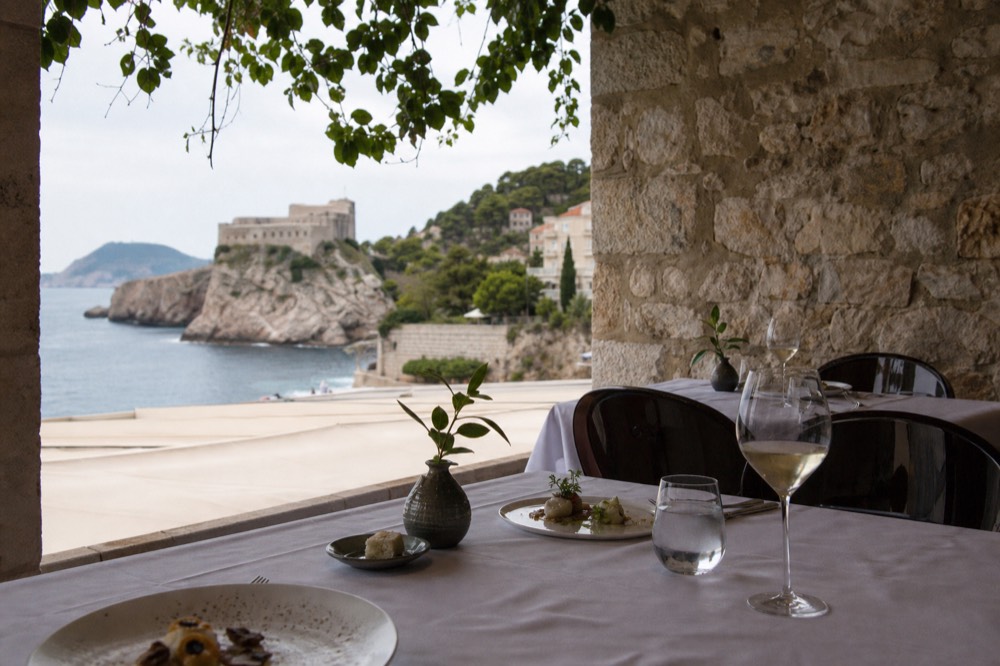
None of this means you should eat badly here. It means the signal you would normally use, the star, is missing, and you have to replace it with local knowledge, which is exactly the kind of thing this site exists to hand over. Marko has eaten his way up and down these streets for years, and the tables he sends people to are almost never the ones with the most photographed interiors. The pattern is consistent: the closer a dining room sits to the Stradun, the more it leans on its address, and the further you walk from the main flow of day visitors, the more likely the kitchen is cooking for neighbours as well as tourists.
Here is the honest picture at a glance:
| Question | Answer | What It Means for You |
|---|---|---|
| Starred restaurant inside Dubrovnik city | None | Do not plan a trip around a starred dinner here |
| Starred restaurants in Croatia | Yes, in other regions | A star pilgrimage needs Istria or Zagreb, not the far south |
| Fine dining in Dubrovnik | Yes, unstarred | Book the best kitchens by reputation and local word of mouth |
| Traditional konoba cooking | Excellent and abundant | Often the better meal, at a fraction of the price |
If food is the reason you are travelling, or even a large part of it, the practical move is to build the trip around tasting rather than around one trophy table. These three experiences cover the region's food and wine better than any single restaurant can: a guided walk through the Old Town's food culture, a half-day in the Konavle valley's wine country, and an oyster and mussel lunch on the Pelješac peninsula.
It helps to know what the Michelin Guide actually covers in Croatia before you build expectations around it. The guide lists restaurants in Dubrovnik, including recommendations in the Bib Gourmand and selected categories, so inspectors do pass through the far south. A recommendation is not a star, but it does tell you which kitchens the guide's inspectors considered worth flagging, and that is a far more reliable filter than anything a restaurant says about itself.
Timing matters more here than in most cities. Many of Dubrovnik's best kitchens close entirely or run reduced schedules from roughly November to Easter, when the cruise traffic and festival crowds are gone. If you are travelling in the shoulder months of April, May, late September, or October, you get the sweet spot: kitchens that are fully open, staff that are not yet worn down by peak season, and tables you can book a day or two ahead rather than weeks in advance.
One last practical note on how to read menus here. Phrases like "modern Croatian," "Mediterranean fusion," and "award-winning" appear constantly, and none of them carry any certification. The questions that actually predict a good meal are simpler: is the fish listed by species and caught locally, is the olive oil named, and does the wine list include small producers from Pelješac or Konavle rather than only the big coastal labels. Those three answers will tell you more about a Dubrovnik kitchen than any star-adjacent language ever will.
Does Dubrovnik Have Any Michelin Star Restaurants in the Works?
Nothing has been announced, and no Dubrovnik restaurant currently appears in the Michelin Guide with a star. The city's better kitchens chase the same standards a star rewards, tasting menus, local sourcing, technical polish, but the guide has not yet recognised any of them at that level. Treat any "Michelin-level" claim on a menu as aspiration, not accreditation.
It is worth being precise about what the words on a Dubrovnik menu actually mean. A restaurant can say its chef trained in a starred kitchen abroad, which is sometimes true and always unverifiable from the table. A restaurant can say its cuisine is "Michelin-inspired," a phrase with no meaning at all. What it cannot do, anywhere, is claim a star it does not hold, because the guide publishes its selections and anyone can check. When a waiter here tells you the place is "basically Michelin," smile and order the fish.
The more interesting question is why the food is so good anyway. Dubrovnik's kitchens draw on a larder most starred chefs would envy: shellfish from the nearby beds at Ston, fish landed at Gruž each morning, olive oil from the Konavle valley and the islands, and wine grapes like Plavac Mali and Pošip grown on sun-blasted slopes an hour down the coast. The problem has never been raw material. The problem is structural. A dining room that earns most of its revenue in four frantic months cannot sustain the deep, stable brigade that inspectors tend to reward, and the city's sky-high rents push talent toward hotel restaurants and seasonal ventures rather than independent destination kitchens.
There is also a scale question people underestimate. The walled Old Town, a UNESCO World Heritage property inscribed in 1979 covering 24.7 hectares, is tiny, and it is the single most visited square kilometre of coastline in a country that took 20.7 million arrivals in 2025. Restaurants inside the walls face brutal competition for space and staff, and the ones that survive often optimise for turnover rather than craft. The best cooking in the wider city increasingly sits just outside the walls, in Ploče, in Lapad, and down the coast, where rents allow a real kitchen to breathe.
If you want a dinner that feels like an occasion, book it before you travel, especially between June and September. The best tables fill first, and a city that hosted 625,257 cruise passengers in 2025 does not run short of people willing to take your table. Our guide to the city's restaurant scene goes deeper on where to book, and the food tour below solves the problem differently, by having a local walk you straight past the tourist traps and into the places that actually matter.
Is There a Michelin Star Restaurant in Croatia?
Yes. Croatia has Michelin-starred restaurants, concentrated in Istria in the north and in Zagreb, with the occasional star elsewhere. The Michelin Guide covers Croatia, so the country participates fully in the system. The point for your trip is geography: the starred kitchens sit hundreds of kilometres from Dubrovnik, and none is reachable as a dinner, or even a comfortable day trip, from the far south.
The pattern repeats across the country's fine dining map. Croatia's starred recognition has clustered where the dining economy is year-round and the inspector attention is densest, which is the northwest, not Dalmatia's deep south. Istria in particular has built an international reputation on truffles, olive oil and a cluster of destination restaurants, and Zagreb, as a capital with a twelve-month dining culture, holds its own. Dalmatia has strong kitchens, and the guide does list restaurants along the coast, but the starred tier has historically stopped well north of Dubrovnik.
For a traveller this creates a clear decision. If your holiday is anchored in Dubrovnik and you want starred cooking, the realistic options are to plan a separate trip to Istria or Zagreb, or to let go of the star and eat the food this region actually excels at. Marko's honest advice, after years of watching visitors chase a badge the region does not have: let go. The meal you remember from Dubrovnik will more likely be grilled fish at a konoba by the water, oysters opened minutes after they left the bed at Ston, and a glass of Plavac Mali at sunset, than anything built to please an inspector.
What the south does have, in place of stars, is directness. The distance between the sea and your plate here is often measured in hours, not days. The wine country starts at the edge of the city: the Konavle valley, a short drive south, produces the whites and reds that appear on every serious list in town, and half a day among its cellars tells you more about Croatian wine than any restaurant wine list can.
For the full picture of what to eat and drink in the city itself, our guide to local dishes worth trying walks through the plates that define this coast, from black risotto to the sweet rozata, and the overview of the best things to do in Dubrovnik helps you slot the meals between the walls, the islands and the beaches. If you are planning the whole trip around food, the Dubrovnik food tour guide covers the guided options in detail, and the site's home page, Things to Do in Dubrovnik, collects every food, wine and island experience in one place.
Where to Eat Well in Dubrovnik Without a Star?
Eat where the larder is strongest: a konoba for grilled fish and shellfish, the markets and small kitchens of the Old Town for street-level classics, and the Pelješac peninsula for oysters and wine. Book one ambitious fine dining dinner if you want the ceremony, but build the rest of the trip around simple food cooked close to its source, which is where southern Dalmatia genuinely competes with anyone.
The konoba is the region's answer to the bistro, and it is the format that suits this coast best. You are looking for a short menu, fish and shellfish simply prepared, olive oil from the owner's grove, and wine from a producer they can name. Inside the walls a few hold that standard; outside them, in Ploče, in Lapad and along the coast road toward Cavtat, the odds improve sharply. Our guide to the city's restaurants sorts the reliable from the decorative, and it is worth reading before you commit a big evening to any single table.
The second move is to let the region's raw ingredients do the work. Ston, an hour up the coast, sits beside the oldest and best oyster beds in this part of the Adriatic, and the salt pans and long defensive walls there make the trip a full day out rather than a lunch errand. The Oyster, Mussels and Wine Tasting Tour in Ston builds the day for you: it is rated 4.9 across 111 reviews, starts from $157 per person, and puts the oysters, the mussels and the local wine in front of you with lunch included.
| Experience | Length | From (Per Person) | Rating |
|---|---|---|---|
| Dubrovnik Food and Drink Walking Tour with a Local Guide | 3 hours approx | $165.64 | 5 across 704 reviews |
| Oyster, Mussels and Wine Tasting Tour in Ston, lunch included | Full day | $157 | 4.9 across 111 reviews |
The third move is the one most visitors never think of: start the trip with a food walk and let it calibrate everything after. The Dubrovnik Food and Drink Walking Tour with a Local Guide runs about 3 hours with a local guide, is rated 5 across 704 reviews, and starts from $165.64 per person. It is not cheap, but it buys you the single thing a Michelin star would otherwise have provided, a trustworthy filter, and it does so in the most useful form: a local walking you past the restaurants you should skip and into the ones you should return to, with food and drink at every stop.
One recent guest put it better than a description can:
Amazing food tour! Marija was a great guide, full of stories and facts that really brought Dubrovnik to life. The food was delicious, and generous. Wines at every stop. Would highly recommend this tour to anyone visiting Dubrovnik, especially to help get your bearings of the city and know where to go for dinner!
Bryan_M
A note on how to read menus here, because it saves money. The fish on a konoba menu is usually priced by the kilogram, and the price per kilo is what you should compare, not the plate price. Ask what came in that morning, ask what the oil is, and if the waiter can answer both without checking, you are in the right place. The restaurants that cannot, the ones with laminated photos of paella and a man outside encouraging you in, are the ones the food walk teaches you to walk past in the first hour.
How to Build a Food-Focused Trip Around the Answer?
Accept that the star is absent and design the trip around tasting instead: one food walk early, one wine half-day in Konavle, one oyster day on Pelješac, and dinners at konobas chosen on local advice. That structure gives you the region's best food without depending on a badge no kitchen here holds, and it spreads the spend across experiences that are easier to book well in advance than a single trophy table.
Order matters more than people expect. Put the food walk on your first or second evening, because a local guide's restaurant recommendations are worth most before you have booked your dinners, not after. Save the fine dining splurge for mid-trip, when you have calibrated what the region's ingredients taste like at their simplest and can judge the ambitious kitchens against that baseline. Leave the Ston oyster day or the Konavle wine half-day for whichever afternoon the forecast turns cloudy, since both are largely weatherproof in a way the beaches and the kayak tours are not.
Timing the whole trip around food also changes when you should come. September is the quiet sweet spot: the sea is still swimmable, with a long-run September average of about 23.6 degrees, the grapes are coming in, and the crush of peak summer has eased, even though cruise passengers actually peaked in September 2025 at 101,246, ahead of July and August, so book dinners ahead regardless. Our guide to the best time to visit works through the trade-offs month by month.
Finally, be honest with your travelling companions about what the missing star means, because the answer is: less than they fear. Michelin recognition is one lens on one style of dining, built for destination restaurants in year-round cities. Southern Dalmatia's strength has always been a different thing, proximity, fish that was swimming at dawn, oil pressed from trees you can see from the table, and wine poured by the family that grew it. A region that does that is not missing a star so much as playing a different game, and on its own terms it is hard to beat.
If that structure appeals, these three experiences are the backbone of a food-focused Dubrovnik trip, and all three can be booked ahead with free cancellation on the live listings:
Common Questions About Michelin Dining in Dubrovnik
Does Dubrovnik have a Michelin star restaurant?
No. There is no Michelin-starred restaurant in Dubrovnik or the surrounding area. The city has ambitious fine dining and excellent traditional cooking, but no kitchen currently holds a star.
Is There a Michelin Star Restaurant in Croatia?
Yes. Croatia has Michelin-starred restaurants, concentrated in Istria and Zagreb. None of them is within reach of a day trip from Dubrovnik, so a starred dinner means travelling to the north of the country.
Why Does Dubrovnik Have No Michelin Star?
The region's dining economy is highly seasonal, rents inside the World Heritage Old Town are extreme, and starred kitchens tend to require stable, year-round teams. The raw ingredients are superb, but the structure of the local market has not yet produced a starred destination restaurant.
Where Should I Eat Instead of Chasing a Star?
Book a konoba for grilled fish and shellfish, eat the street-level classics of the Old Town, and take at least one trip out to the oyster beds at Ston or the wineries of the Konavle valley. A food walk with a local guide on your first evening will point you at the tables worth returning to.
Is Fine Dining in Dubrovnik Expensive?
It can be. The city recorded about 4.2 million overnight stays in 2025, sharing first place in Croatia with Rovinj, and demand keeps prices high in the walled city. The traditional konobas outside the walls generally offer the region's best value, and the food and wine experiences in this article are priced per person and bookable in advance.