Is the Nightlife Better in Dubrovnik or Hvar?
A straight comparison of Dubrovnik and Hvar after dark: what each town does well at night, what each one lacks, and which suits your trip.
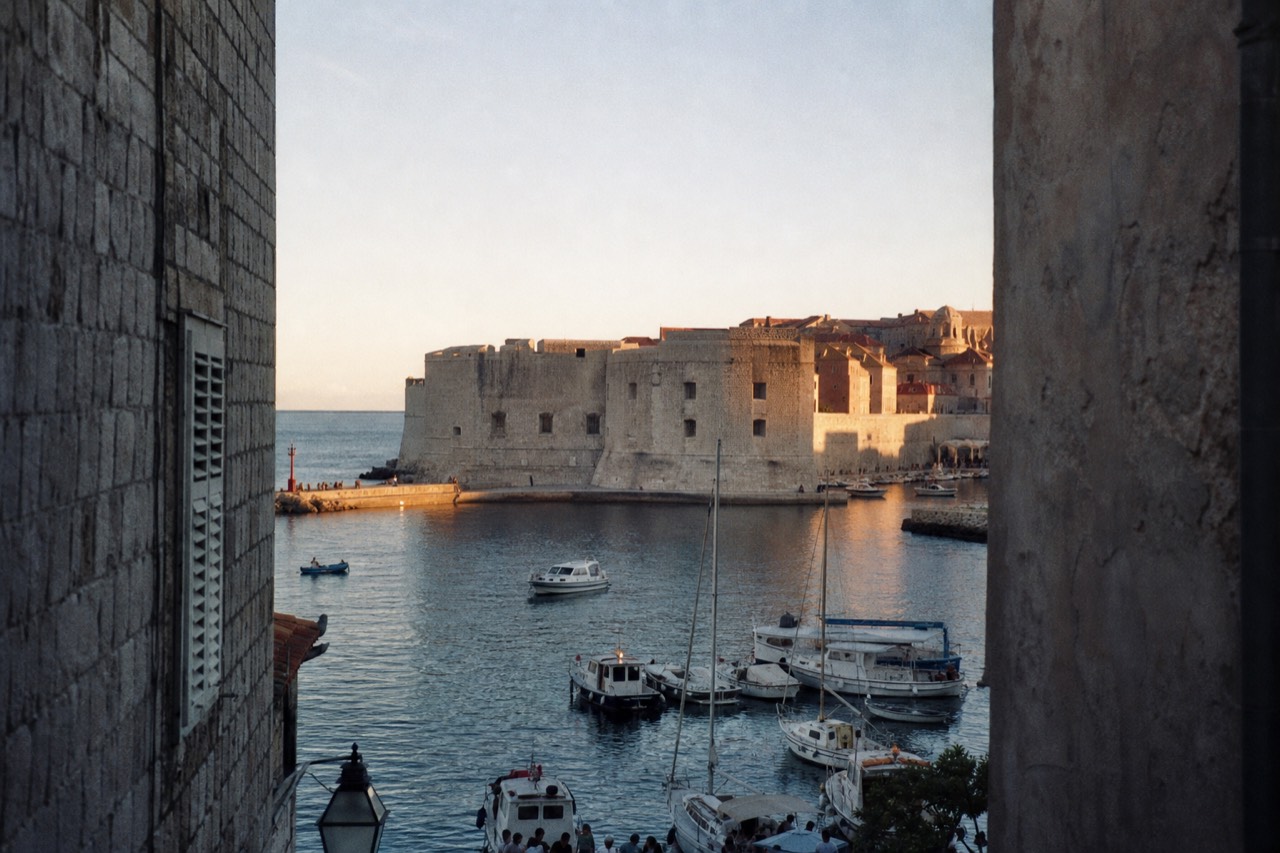
Is the Nightlife Better in Dubrovnik or Hvar?
Hvar Town is the better pure party destination: its waterfront bars and late clubs run loud and long through summer, and the island draws a young international crowd that comes specifically to drink and dance. Dubrovnik's nightlife is calmer, more expensive per drink, and centred on atmosphere rather than volume: cliff bars, cocktail terraces, one big fortress club and a lot of beautiful floodlit stone. Neither town is a sleeper hit; they are simply different products.
I get this question from travellers planning a Dalmatian split-stay more than almost any other, and the honest answer depends on what you want the night to do. If the night is the point of the trip, Hvar wins. If the night is the dessert after a day of walls, kayaking and island boats, Dubrovnik holds up better than its sedate reputation suggests.
The comparison is also seasonal in a way first-time visitors often miss. Hvar Town's scene is intensely concentrated into the summer months, when the yacht crowd is in and the waterfront terraces are full until late. Dubrovnik keeps a year-round core because people live and work here: the city counted 41,562 residents at the 2021 census, and the bars that serve them stay open when the party islands go quiet. A Dubrovnik night in October is a real thing. A Hvar night in October is a much thinner affair, with many venues shut for the season.
There is also the size question. Dubrovnik's Old Town is a UNESCO site of 24.7 hectares, and the nightlife inside it is spread across lanes, terraces and one famous club inside a fortress. Hvar Town is small enough that the whole evening can unfold along one waterfront and its square. Some travellers love that density. Others find it repetitive after two nights.
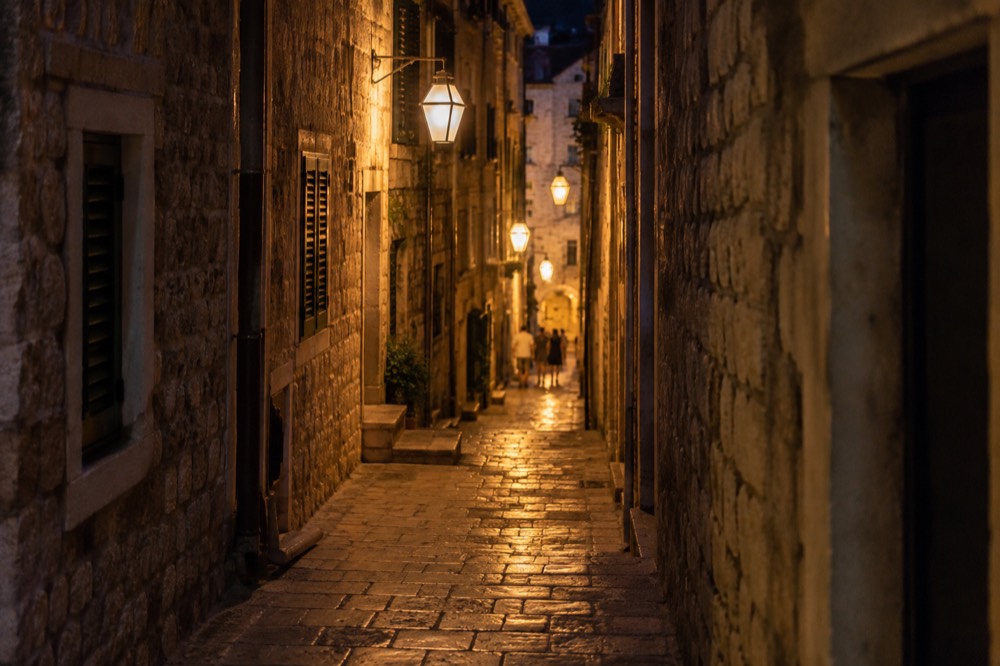
For a first evening in Dubrovnik, I would honestly start with a night walk rather than a bar. The Magical Dubrovnik Nights: History and Legends walk on GuruWalk is pay-what-you-want, runs about 1 hour and 45 minutes, and is rated 4.9 across 288 reviews. You can See this free tour on GuruWalk and decide the tip at the end. It is a good way to see the town after dark with a local steering the stories.
Does Dubrovnik Have a Good Nightlife?
Yes, but it is a specific kind of good. Dubrovnik does elegant evenings very well: a cliff-edge bar above the sea, a cocktail terrace in a palace lane, a club inside a fortress, and a cable car that runs to midnight in high summer. What it does not do is a sprawling, cheap, multi-district bar crawl. Expect fewer venues, higher prices and an earlier finish than a party island.
Start with the setting, because in Dubrovnik the setting is most of the show. The Old Town after the day-trippers leave is a different place: lantern-lit lanes, the Stradun, all 298 metres of it, emptied back to a human scale, and the walls lit from below. A simple drink tastes better here, and you pay partly for that stone.
The headline venues are well known. There is the cliff bar hanging over the sea outside the walls, where you swim and drink in the same evening, and the nightclub inside the fortress above the town, which turns a historic bastion into the loudest room on the coast on the nights it is open. Between those poles sit cocktail bars in side streets, wine bars pouring local Plavac Mali, and hotel terraces in Ploče with the Old Town view across the bay. If you want the full picture of where to drink, our guide to the best bars in Dubrovnik goes venue by venue.
The cable car deserves a mention in any nightlife answer, because it is genuinely an evening attraction. The operator runs it until midnight in June, July and August and through 1 to 14 September, with the upper station at 405 metres above sea level and a stated clear-day view range of up to 60 km. A sunset ride up, a drink at the top and a walk back down into dinner is one of the best nights this town offers, and it costs 30 euro for an adult round trip.
Prices are the honest downside. This is one of the most visited destinations in Croatia, with about 4.2 million overnight stays in 2025, sharing first place nationally with Rovinj, and bar prices reflect that. A cocktail in the Old Town costs what you would pay in a major Western capital, and a simple beer on the Stradun is priced for the view. Locals drink further out, in Gruž and Lapad, where the same round costs meaningfully less. The Gruž market quarter in particular has konobas and small bars where an evening can run at half the Old Town price, and the number 6 bus or a twenty-minute walk gets you there.
The crowd matters too. Because so many visitors arrive on day trips, the Old Town actually thins in the evening, which is exactly when it becomes pleasant. The Port Authority's own figures show why days feel packed: cruise passengers peaked in September 2025 at 101,246 and October at 100,132, above July's 96,072 and August's 87,385, so the busiest streets are busiest before dinner, not after. The full-year 2025 total was 625,257 cruise passengers against 582,499 in 2024, and 461 calls are scheduled for 2026, so the pattern is not going away.
If you would rather be on the water than above it, the evening cruise is the other classic Dubrovnik night out. The panoramic sunset cruise on the replica tall ship is adults only, runs 1.5 hours, and is rated 4.8 across 833 reviews. It leaves from the Old City harbour, glides past the walls and Lovrijenac, standing on its 37-metre sea rock, and gives you the town at its most photogenic from the water with a drink in hand.
If you want a night with more history than bass, the walking alternative is the Magical Dubrovnik Nights tour, a 1.5-hour evening walk rated 4.8 across 577 reviews. It runs after dark, when the lanes have emptied, and pairs the lit walls with the city's legends rather than its cocktails. Between the fortress club, the cliff bar and this, you can build an entire evening itinerary without ever sitting on a generic bar stool.
One practical note on timing: Dubrovnik's evenings start late in summer and end earlier than most visitors expect. Sunset rides, harbour cruises and the fortress club all cluster around the highest season, June through early September, while many Old Town bars wind down well before a Mediterranean capital would. Plan the one big night, whether it is the cable car, the tall ship or the fortress, and treat everything else as the pleasant, lantern-lit aftermath.
Is Split or Dubrovnik Better for Nightlife?
Split is better for nightlife, and it is not close. Split has a large resident student population, cheaper drinks, a wider spread of bars and basement clubs inside Diocletian's Palace, and a scene that runs year-round. Dubrovnik has the more beautiful venues and the more memorable setting, but fewer of them, at higher prices, aimed squarely at visitors. Split is a night out; Dubrovnik is an occasion.
The mechanics behind this are simple. Split is the biggest city on the coast, with a domestic audience that keeps bars full and prices honest even in February. Its palace core is a maze of ancient cellars turned into clubs, and the Riva waterfront and Bačvice beach zone give the night somewhere to sprawl. Dubrovnik's Old Town, by contrast, is a protected monument where noise rules, high rents and a seasonal visitor market shape everything: fewer venues, stricter hours, premium pricing.
Where Dubrovnik beats Split is the quality of the individual evening. A drink over the Adriatic from a cliff bar, or dancing inside a fortress with the lit walls below, is something Split cannot copy. So the honest routing advice is: if you want a big night, stay in Split or take the ferry to Hvar. If you want one beautiful night, Dubrovnik delivers it, and then you go to bed because you are walking the walls at 08:00 tomorrow.
| Night out | Dubrovnik | Hvar Town | Split |
|---|---|---|---|
| Overall character | Elegant, scenic, visitor-facing | Party island, yacht-season peak | Local and student city, year-round |
| Venue count | Few, concentrated in the Old Town | Compact waterfront strip | Widest choice of the three |
| Drink prices | Highest of the three | High in season | Lowest of the three |
| Signature venue | Club inside a historic fortress | Waterfront cocktail bars | Cellar clubs in the palace |
| Off-season nights | Quiet but real | Very quiet, many venues shut | Full local scene |
For travellers weighing the whole Dalmatian route rather than one night, our piece on Split or Dubrovnik for island hopping covers how the two cities work as bases. The short version: Split reaches more islands more cheaply, Dubrovnik reaches fewer but more dramatic ones, and the Elaphiti chain off this coast is the prettiest short hop of the lot.
Is It Better to Go to Split or Dubrovnik?
For a trip built around nightlife and islands, Split is the better base: it is cheaper, better connected by ferry to Hvar and the central islands, and it has the livelier local scene. For a trip built around one extraordinary walled city, history and atmosphere, Dubrovnik is the better base, and its day trips, from the Elaphiti islands to Mostar, are stronger. The best answer for most travellers with a week is both.
Split works as a hub. Ferries to Hvar Town run frequently in season, and the island party is an easy day-and-night trip from a cheaper mainland bed. You can also reach Brač, Šolta and Vis without much planning. What you give up is the drama: Split's palace is wonderful, but it is not a city you photograph at every turn, and its old core is working urban fabric rather than a stage set.
Dubrovnik works as a destination. You come here for the walls, the sea, the cable car and the day trips, and the nightlife is a bonus that happens to be genuinely good on the right night. The trade-off is cost and crowds. The adult walls ticket is 40 euro in main season, 1 March to 30 November, and the one-day Dubrovnik Pass costs the same 40 euro in that window while adding ten more sights plus a 24-hour bus ticket, which tells you roughly what a day here costs before dinner. In December the walls ticket drops to 20 euro and no pass tier is on sale at all.
If you do base in Dubrovnik, the evening that most surprises people is a history walk rather than a bar. The Magical Dubrovnik Nights walk on GuruWalk, rated 4.9 across 288 reviews, is pay-what-you-want and about 1 hour 45 minutes of legends and ghost stories through the lanes. It pairs perfectly with a late dinner afterwards, and it costs nothing up front.
The walk is also the cheapest possible answer to the question this article asks. If your Dubrovnik budget is stretched by walls tickets and cable car rides, an evening that costs whatever you decide at the end is the one that lets you spend on dinner instead. And because it is a GuruWalk free tour, the guide is paid by tips alone, so the groups stay small and the pace stays conversational.
What Kind of Night Out Does Each Town Actually Offer?
Hvar offers a concentrated, seasonal party: waterfront bars, champagne-heavy beach clubs and late dancing, peaking with the yacht season from June to August. Dubrovnik offers a layered evening: sunset on the water or the hill, a long dinner, wine or cocktails in the lanes, and one fortress club for the nights you want to dance. Choose Hvar for volume, Dubrovnik for texture, and Split if you want both on a budget.
A Hvar night, honestly described, starts late and ends late. The waterfront fills after dinner, the cocktail bars along the riva do their biggest trade from late evening, and the serious dancing happens after midnight, often at venues tied to the beach clubs. The crowd skews young and international, the dress code is real at some venues, and the whole thing runs on the season: it is at full volume in July and August and winds down hard after that. Our answer to whether Hvar is a party island goes deeper on this.
A Dubrovnik night has more chapters. You can open with the cable car at sunset, or a 1.5-hour sunset cruise on a replica tall ship, adults only, from $59 per person. Then dinner, and this is a food town: konobas and white-tablecloth rooms that take bookings seriously in season. Then the choice: a quiet glass of Plavac Mali in a lane, the cliff bar for a swim in the dark, or the fortress club when a big DJ is in town. The night ends when you decide, not when the strip closes.
| Evening option | Where | Best months | Ballpark feel |
|---|---|---|---|
| Sunset cable car ride | Dubrovnik, Mount Srd | April to October | 30 euro adult round trip, runs to midnight in midsummer |
| Sunset cruise on a tall ship | Dubrovnik harbour | May to September | From $59, adults only, 1.5 hours |
| Night history walk on GuruWalk | Dubrovnik Old Town | Year-round | Free, pay what you want, about 1 hour 45 minutes |
| Waterfront bar strip | Hvar Town riva | June to August | Peak season, late finish |
| Fortress club night | Dubrovnik | Summer event nights | Check listings for the night you are there |
One planning note that matters for both towns: book ahead in July and August, and do not plan a big night before a big morning. The walls open at 08:00 per the operator's stated hours, and the smart move is the walls at opening, a swim, a nap, and then the night. Travellers who try to do both on the same day usually remember neither. The circuit itself is 1,940 metres of walking with stairs at both ends, so it earns the early night that follows it.
Whichever town you choose, the Things to Do in Dubrovnik library covers the days as well as the nights, from beaches to day trips, so the evening has something to follow. A good night out is better when the day before it was not a scramble, and the difference between a tired evening and a great one in either town is almost always how the afternoon was spent.
For a fuller evening-and-day pairing, a wine-focused day trip into the Pelješac region, with its Ston oysters and Plavac Mali cellars, sets up a slow dinner and an early night beautifully, and the Mostar and Kravica waterfall tour does the same for travellers who want one big excursion bookending a quiet Dubrovnik evening. Both run around 11 hours, both leave the evening free for a glass of something local, and both give you a story to tell over it.
Common Questions About Nightlife in Dubrovnik and Hvar
Is the nightlife better in Dubrovnik or Hvar?
Hvar has the better pure nightlife: more bars per square metre, later hours and a party-focused summer crowd. Dubrovnik has the more beautiful and varied evening, mixing sunset rides, cliff bars, wine lanes and one fortress club. Pick Hvar if dancing is the goal, Dubrovnik if the night is one course of a bigger day.
Does Dubrovnik Have a Good Nightlife?
Yes, within its own style. It is not a bar-crawl city, but the cliff bar, the fortress club, the cocktail lanes and the cable car running until midnight in midsummer make for genuinely memorable nights. Prices are high and the venue count is small compared with Split or Hvar.
Is Split or Dubrovnik Better for Nightlife?
Split, clearly. It has a resident student population, cheaper drinks, cellar clubs inside Diocletian's Palace and a year-round scene. Dubrovnik's nights are more scenic and more expensive, aimed at visitors rather than locals.
Is It Better to Go to Split or Dubrovnik?
For a nightlife and island-hopping trip, Split, because it is cheaper and better connected by ferry to Hvar and the central islands. For history, walls, views and day trips such as the Elaphiti islands and Mostar, Dubrovnik. With a week, do both.
When Does Nightlife in Hvar Wind Down?
Sharply after August. Hvar Town's scene runs on the summer season, and by October many waterfront venues are shut or operating reduced hours. Dubrovnik keeps a quieter but real year-round core because it is a living city of 41,562 residents.
What Is the Best Night Out in Dubrovnik?
For most travellers, a sunset cable car ride or a 1.5-hour sunset cruise, a long dinner, then either the cliff bar or the fortress club on a big night. On a quiet budget, the pay-what-you-want night history walk on GuruWalk plus a glass of local wine is hard to beat.