What Are Some Fun Activities for Kids in Dubrovnik?
Family activities in Dubrovnik for kids of every age: boat rides to caves, the cable car, beaches, the city walls and the mistakes families should avoid.
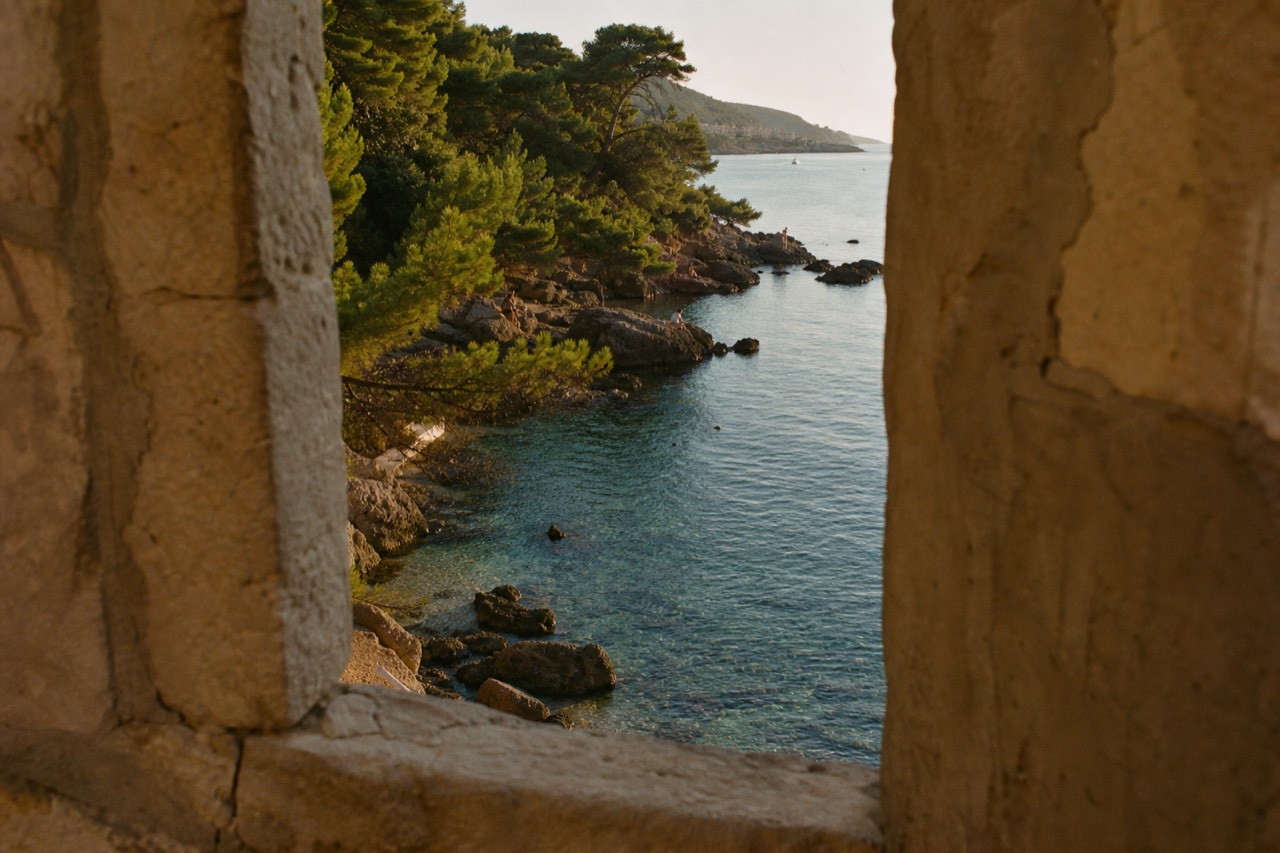
What Are Some Fun Activities for Kids in Dubrovnik?
The activities that consistently work with children are the Betina Cave boat trip, the cable car up Mount Srđ, swimming at shallow beaches in Lapad, the Lokrum island reserve with its peacocks and rabbits, and a short, well-timed stretch of the city walls. Dubrovnik is compact, walkable and surrounded by water, so the winning formula is one paid activity per day plus a beach, never two big sights back to back.
I have walked these streets with visiting families since 2015, and the pattern never changes. Children do not remember the Rector's Palace. They remember the boat that parked inside a cave, the peacock that stole a bread roll on Lokrum, and the cable car that felt like a fairground ride. Build the day around those moments and the history happens by accident along the way.
The city itself is small enough that a tired child is never more than fifteen minutes from a gelato shop or a swim. The Old Town is a car-free rectangle of limestone, the sea is on three sides, and the whole walled core covers just 24.7 hectares, which UNESCO inscribed in 1979. That scale is the reason Dubrovnik works for families at all: nothing is far from anything.
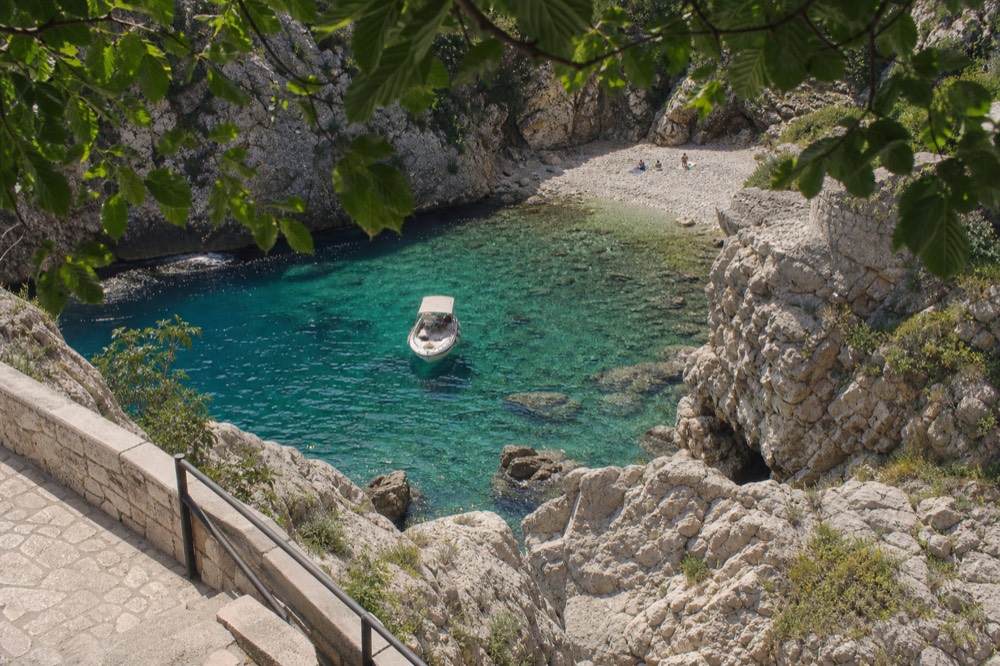
Start with the water. A boat trip is the single most reliable hit with kids in this city, and the best-value version for families is the short cave-and-island run. The Lokrum and Betina Cave boat tour combines a stop at a swimmable cave with an optional Lokrum landing, from $39.42 per person, rated 4.6 across 1,154 reviews. For a bigger day on the water, the pirate-ship shape of the Karaka sailing the Elaphiti islands is pure theatre for children, from $65 per person.
Then think vertically. The cable car lifts you from sea level to 405 metres in three and a half minutes, and the view from the top is the kind of thing children narrate out loud. A round trip costs 30 euro for adults and 8 euro for children aged 4 to 12, with under-4s free, per the operator's own price page. Pair it with a walk and you have a morning sorted.
Here is the short version of what works, by age:
| Age group | Best morning activity | Best afternoon activity |
|---|---|---|
| Under 6 | Shallow swimming at a Lapad bay | Old Town gelato and the Onofrio Fountain |
| 6 to 10 | Betina Cave boat trip with swim stop | Cable car round trip and the fort at the top |
| 10 to 14 | City walls circuit, early start | Kayak tour to Lokrum and Betina Cave |
| Teenagers | Panorama zipline over the coast | Elaphiti islands full-day cruise with lunch |
The zipline deserves a mention for older children: it runs from $64 per person and is rated 4.9 across 2,109 reviews, with a ride out over the hillside that teenagers rank above every museum in the city. For younger kids it is too fast and too high; save it for the ones who ask for it.
For a full planning framework, the family itinerary for Dubrovnik with kids breaks the city into a day-by-day plan, and our guide to the best things to do in Dubrovnik covers the adult half of the equation. Between them and this page you should be able to fill three or four days without repeating anything.
Is Dubrovnik Worth Visiting With Kids?
Yes, with two conditions: you pace it at one major activity per day, and you avoid the midday crush inside the walls between 10:00 and late afternoon. Children under 6 enter the walls free, 7 to 18 pay 15 euro in main season, and the car-free Old Town, the beaches and the boat trips make it one of the easiest small cities in Europe for families.
The honest answer is that Dubrovnik is worth visiting with kids in a way that many famous old cities are not, because the obstacles that defeat families elsewhere simply do not exist here. There are no cars inside the walls to worry about. The distances are short: the Stradun, the main street, is 298 metres long, so even a slow walk with a five-year-old crosses the Old Town in minutes. And the sea is always close, which means any plan can be abandoned for a swim without the day being lost.
The pacing is where families go wrong, not the city. The walls circuit is 1,940 metres with a lot of stairs and almost no shade, and in July and August the heat makes it miserable for small children before 09:00 or after 17:00. The operator's stated hours run 08:00 to 19:30, so an early start is possible and worth it. Do the walls with kids either first thing or in the evening light, and never in the middle of the day.
Heat is the other factor to plan around. The long-run August sea temperature averages about 25.8 degrees and July about 24.9, which tells you how warm the air is too. Sheltered bays run warmer than the open-water average, which is good news for swimming with children: the Croatian met service's Dubrovnik buoy read 27.0 to 27.4 degrees on a September day against a 23.6 monthly mean, so the shallow swimming spots are genuinely bath-like in high summer.
Budget-wise, families should know the ticket structure before arriving. There is no family ticket for the walls; the operator sells exactly two paid types, adult and child 7 to 18, with under 6 free. The 40-euro adult ticket in main season already includes Fort Lovrijenac, the Western Outer Wall and the coin collection, so there is nothing extra to buy once you are up there. If you are doing several museums as well, the one-day Dubrovnik Pass costs the same 40 euro as the walls ticket in main season and adds ten more sights plus a 24-hour bus ticket, though that comparison holds only from 1 March to 30 November.
Here is what a family of four should expect on the headline items:
| Activity | Adult price | Child price | Notes for families |
|---|---|---|---|
| City Walls and Lovrijenac | 40 euro main season | 15 euro ages 7 to 18 | Under 6 free; 20 euro and 5 euro in December |
| Cable car round trip | 30 euro | 8 euro ages 4 to 12 | Under 4 free; closed January to March |
| Lokrum reserve and boat | 30 euro | Same ticket structure | Includes return boat; boats from 09:00, then every 15 minutes from 10:00 to 18:00 |
| Betina Cave boat tour | From $39.42 | Check the live listing | Optional Lokrum stop; swim stop included |
One more thing worth knowing: the crowd problem in Dubrovnik is concentrated and predictable. The Port Authority limits cruise passengers to 8,000 a day in most cases, and of 243 cruise days a year only 18 exceed that number. The counting system means the crush builds through the morning and peaks around 10:00. Families who are inside the walls by 08:00 and out to a beach by 11:00 barely notice it.
What Are Some Quirky Things to Do in Dubrovnik?
The quirky side of Dubrovnik kids love includes the peacocks and rabbits of Lokrum island, drinking through the Onofrio Fountain, finding the cliffside bar through a hole in the wall, the Game of Thrones filming spots, and the cave bar built into a former quarry. None of these is a conventional sight, and that is exactly why children remember them.
Lokrum is the best of them. The island reserve a short boat ride from the Old City Port is full of semi-tame peacocks and rabbits, which for a child is a better attraction than any fortress. The reserve ticket is 30 euro per person and covers both entry and the return boat transfer, and boats leave the City Harbour at 09:00, then every 15 minutes from 10:00 to 18:00. The ticket office at Luža works 08:00 to 18:00 and a ticket stays usable for three days, so you are not trapped into one rigid departure. There is a small botanical area, rocky swimming spots and enough shade to make a hot afternoon survivable.
Inside the walls, the quirky list is short but reliable. The Onofrio Fountain at the Pile end of the Stradun still runs with drinking water, and children treat filling a bottle there as a ritual. The cliffside bar on the seaward wall is found through a doorway marked with a sign that simply tells you not to worry about the drop; the terrace sits above the sea and kids are transfixed by the jumpers leaping off the rocks below. For families with older children, the Game of Thrones locations scattered through the Old Town turn a history walk into a treasure hunt, and our guide to the filming locations maps them all.
The cave bar is the one most visitors never hear about. Set in a former stone quarry, it descends into the rock itself, and the effect on a child is somewhere between a grotto and a secret hideout. It is a short walk from the Old Town and works well as a drink stop on a hot afternoon when everyone needs twenty minutes of shade. Our page on the cave bar in Dubrovnik has the details.
For a longer read on the strange and the overlooked, see quirky things to do in Dubrovnik, which goes deeper than this family-focused list. The overlap is deliberate: in this city, the quirky list and the kid list are almost the same list.
If you want the quirkiest possible day on the water, the pirate ship is the answer. The Karaka, a replica argosy, sails the Elaphiti islands from $65 per person, rated 4.8 across 757 reviews. Children spend the day playing at being pirates between swim stops, which beats any themed attraction on shore.
The boat-and-cave combination is worth a paragraph of its own, because it is the closest thing Dubrovnik has to a guaranteed hit. The tour that pairs Betina Cave with an optional Lokrum stop runs from $39.42 per person, rated 4.6 across 1,154 reviews, and its structure suits families: a short ride, a swim in a cave lit blue by the daylight through the water, then a choice of island time or heading back. You can Check availability alongside the tour page link above.
What Not to Do in Dubrovnik?
Do not walk the walls at midday in summer with small children, do not try to see the Old Town and a boat trip on the same tightly scheduled day, do not drive or expect taxis inside the walls, do not count on a family ticket existing, and do not assume July and August are the busiest cruise months, because September and October actually are. Each of these mistakes is common and each is avoidable.
The midday walls walk is the big one. The circuit is 1,940 metres, up to 25 metres high, with stairs at both ends and long stretches without shade or water. In peak summer, doing it between 11:00 and 16:00 with a child is how family holidays go wrong. Go at 08:00, when the operator opens, or after 17:00, and carry more water than you think you need.
The second mistake is over-scheduling. Dubrovnik looks small on a map and is, but it is also steep and hot, and children burn out on stairs faster than adults. One paid activity, one swim and one relaxed meal is a full day here. The families who have the best time are the ones who treat the itinerary as a menu rather than a checklist; our three-day Dubrovnik itinerary is built on exactly that principle and adapts well to children.
Third: no cars inside the walls, so do not plan on driving to your lunch spot or hailing a ride at the Stradun. Taxis and rideshares stop at the gates, and from there you walk. Pack accordingly, meaning light bags and sensible shoes, because the polished limestone is slippery when wet and the side streets are staircases.
Fourth, do not arrive assuming a family ticket for the walls exists. The operator sells exactly two paid article types, adult and child 7 to 18, with under 6 free, and nothing else. Budget for that rather than discovering it at the gate. The same honesty applies to the Dubrovnik Pass: the 40-euro one-day pass matches the walls ticket in main season only, 1 March to 30 November, and no winter tier is on sale at all, so the value comparison you may have read elsewhere does not hold in December.
Fifth, get the crowd calendar right. The widely repeated idea that July and August are the peak cruise months is wrong: Port Authority data shows September (101,246 passengers) and October (100,132) above July (96,072) and August (87,385) in 2025. If you are choosing between late August and late September for a family trip, late September brings warmer-average sea than October, thinner museum queues and the same cruise pressure, so it is not the escape it is advertised as. The real quiet months are November through March, when the cable car closes until April and the walls ticket drops to 20 euro.
A few smaller cautions worth a line each. Do not swim off the outer rocks with young children when the maestral wind is up; the sheltered bays exist for a reason. Do not skip sunscreen on the walls, where the reflected limestone doubles the exposure. And do not plan a Lokrum day around a late afternoon return without checking the boat schedule, since departures run every 15 minutes from 10:00 to 18:00 and the last boats fill up.
Is Dubrovnik Worth Visiting?
Yes. Dubrovnik recorded about 4.2 million overnight stays in 2025, sharing first place among Croatian destinations with Rovinj, and it earns that ranking on merit: a complete walled city, a UNESCO-listed core inscribed in 1979, warm sea from June into October, and enough islands, viewpoints and beaches within an hour to fill a week. It is expensive and crowded at peak, but neither defeats a well-timed trip.
The case for the city is the completeness. There are very few places where a 1,940-metre walkable wall, a fortress on a 37-metre sea rock, an island nature reserve with a boat service, a cable car to a 405-metre summit and a string of swimmable beaches all sit within a few kilometres of each other. For a family, that density is the whole argument: every day can combine a sight, a swim and a view without a car.
The case against is honest too. It is expensive by Croatian standards, the walls ticket is 40 euro per adult in main season, and the Old Town hits its 11,275-person carrying capacity on peak days, with the counting system showing a 10:00 morning peak. In July and August the heat is real, with a long-run August sea average of 25.8 degrees telling you what the air feels like. None of this is hidden; all of it is manageable with early starts and a beach in the afternoon.
Timing is the lever. June and September are the sweet spots for families: the sea is warm, the cable car runs late, and the full season of boat trips operates. September's average sea temperature is about 23.6 degrees as a long-run open-water figure, and sheltered bays read warmer, so swimming is comfortable well into autumn. October brings the second-busiest cruise month of the year, so treat it as shoulder season rather than quiet season.
For the classic family combination, the cable car and Old Town walking tour bundles the two headline experiences into one guided half day, from $163.50 per person and rated 4.6 across 716 reviews. One guest review captures why it works for families with older children: the flexibility to skip part of the wall in the heat and still get the guide's recommendations.
Great tour with a great guide. Terrific views from the cable car. The old town is fascinating. We walked part of the wall because it was very hot. Sara was a fabulous guide and gave us recommendations for lunch and what else we should see.
Fred_W
The full-day boat alternative suits a different kind of day. The Elaphiti islands cruise with lunch runs from $59.16 per person, rated 4.9 across 10,312 reviews, the most reviewed product in the city, and a family review sums up the appeal:
So: worth visiting, worth visiting with kids, and best visited with a plan that respects the heat, the crowds and the price of the walls. For everything else the city offers beyond the family lens, start with Things to Do in Dubrovnik and branch out from there.
Common Questions About Fun Activities for Kids in Dubrovnik
What are some fun activities for kids in Dubrovnik?
Boat trips to Betina Cave and Lokrum, the cable car to Mount Srđ, swimming at the Lapad bays, the peacocks on Lokrum, the panorama zipline for older children, and an early-morning or evening walk on the city walls. One paid activity plus a swim per day is the pace that works.
Is Dubrovnik Worth Visiting With Kids?
Yes. The Old Town is car-free and compact, children under 6 enter the walls free, and the sea is close enough that any plan can be abandoned for a swim. The conditions are pacing it at one major activity a day and avoiding the walls at midday in summer.
How Much Are City Wall Tickets for Children?
Children aged 7 to 18 pay 15 euro in main season, 1 March to 30 November, and 5 euro in December. Under 6 is free. There is no family ticket; the operator sells only adult and child 7 to 18 tickets.
Is the Cable Car Good for Children?
Yes. The ride takes three and a half minutes from sea level to 405 metres, a round trip costs 8 euro for children aged 4 to 12, and under 4s ride free. It is closed January to March, so check the season before promising it.
When Is the Quietest Time to Visit With a Family?
June and September balance warm sea, full schedules and manageable crowds. Note that September and October are actually the two busiest cruise months, above July and August, so the true quiet window is November to March, when the cable car closes and the walls ticket drops to 20 euro.