3 Days in Dubrovnik: A Local's Itinerary for First-Time Visitors
Three days is the sweet spot for Dubrovnik: enough for the walls, the islands and one proper day trip, without the city wearing you down. Here is how I would sequence it.
Short answer
Three days is not too much for Dubrovnik, it is the comfortable minimum for doing it well. Day one covers the Old Town and the city walls, day two splits between Lokrum and the cable car, and day three goes to the Elaphiti Islands or Mostar. The walls ticket is 40 euro in main season and the one-day Dubrovnik Pass costs the same 40 euro.
Is 3 Days in Dubrovnik Too Much?
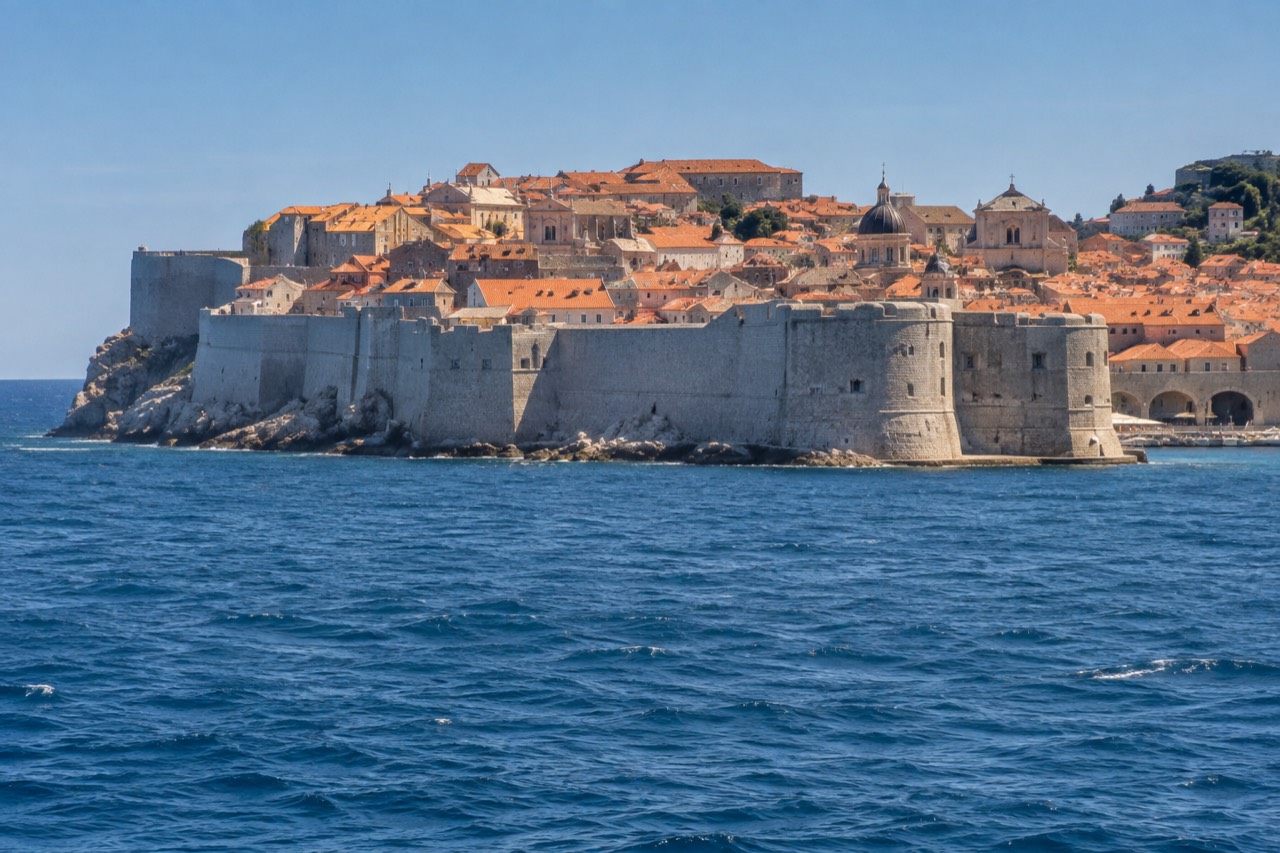
No, three days is not too much, and it is the length I recommend most often to first-time visitors. Dubrovnik's walled core is small, 24.7 hectares inside the UNESCO property boundary, but the experiences worth having around it are not. One day leaves you rushed and inside the worst of the crowds, two days covers the essentials, and a third day buys you the island or inland trip that most day visitors never see.
I have walked these streets with travellers since 2015, and the pattern repeats every season. People who budget a single day leave having seen the Stradun, the walls and not much else, and they spent that day dodging peak crowds. People who stay three leave having swum off Lokrum, ridden up Mount Srđ and eaten lunch on an island.
The counter-argument is real, though. Dubrovnik recorded about 4.2 million overnight stays in 2025, sharing first place among Croatian destinations with Rovinj, and the Old Town absorbs almost all of it. The official carrying capacity for the historic core, from the UNESCO carrying-capacity assessment, is 11,275 people, and six counters at every Old Town entrance update a headcount every 15 minutes. On a busy September morning the count passes 7,739 at 10:00. Three days lets you schedule around those peaks instead of being trapped inside them.
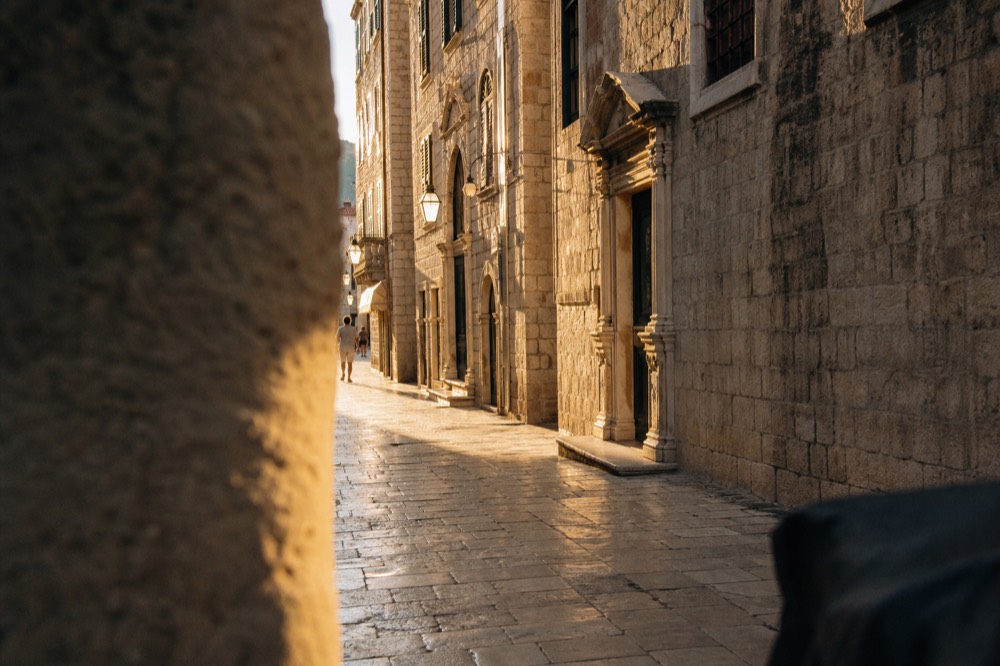
There is also the question of stamina. The Old Town is a car-free grid of stone stairs, and the walls circuit alone is 1,940 metres of walking, much of it on uneven steps with no shade. Spreading that over three days at a humane pace beats compressing it into one punishing sprint.
How Many Days in Dubrovnik Do You Need?
Two days is the honest minimum, three is comfortable, and four or more only makes sense if you plan multiple day trips or want beach days. In two days you can cover the Old Town, the walls and either Lokrum or the cable car. The third day is what converts a city break into a real trip, because it is the day you get on a boat or cross a border.
Here is the breakdown I give people who ask. The walls and the Old Town together fill a full day if you do them properly, and the walls deserve the early morning slot. Lokrum is a half-day or more, and the cable car is a flexible two hours that pairs well with a swim at the end of the day. Everything beyond that is a day trip: the Elaphiti Islands, Mostar, Montenegro, the Pelješac peninsula.
| Trip length | What fits comfortably | What you miss |
|---|---|---|
| 1 day | Old Town, walls circuit, one viewpoint | Lokrum, islands, all day trips, any beach time |
| 2 days | Everything above plus Lokrum and the cable car | Every day trip beyond the city |
| 3 days | All of the above plus one full-day trip | Second and third day trips, slow beach days |
| 4+ days | Multiple day trips, beaches, Cavtat, Trsteno | Nothing essential |
If you are deciding between two and three days, the deciding factor should be whether a day trip appeals to you. If the answer is yes, take the third day. A boat out to the Elaphiti Islands is the single most popular booked experience from the city, and the most reviewed island cruise carries 10,312 reviews at a 4.9 rating. That is not a marketing number, it is a decade of visitors voting with their mornings.
For a shorter stay, the two-day Dubrovnik itinerary trims this plan to its core, and the deeper question of how many days you need for Dubrovnik has its own full answer on this site.
What Should Day One Look Like?
Day one is the Old Town and the city walls, in that order, with the walls first. Start at Pile Gate by 08:00, walk the 1,940-metre circuit before the heat and the crowds build, then spend the afternoon in the streets below: the Stradun, the Rector's Palace, Onofrio's Fountain and a swim break if the day is hot. The adult walls ticket is 40 euro in main season, 1 March to 30 November.
The single biggest mistake visitors make on day one is reversing that order. The walls operator's stated hours run 08:00 to 19:30, and the difference between 08:00 and 11:00 on the circuit is the difference between a walk and a queue. The half-hourly counter data from a real September morning makes the point: 5,419 people at 08:00, 7,739 at the 10:00 peak, 7,205 by 11:00. You want to be descending as that curve climbs.
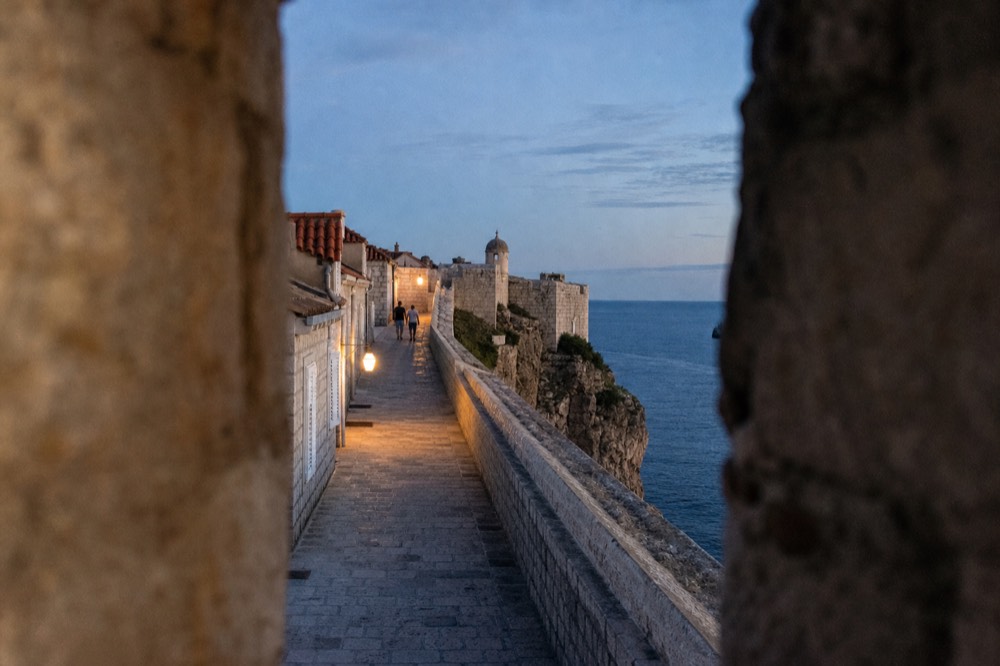
The ticket itself needs explaining, because the pricing confuses people. The 40-euro adult ticket is actually a combination: the walls plus Fort Lovrijenac, the fortress that stands on a 37-metre sea rock just outside the walls, plus the Western Outer Wall and the Collection of Coins of the Republic of Ragusa. There is no cheaper walls-only ticket, and there is no family ticket, only adult and child 7 to 18 at 15 euro, with under 6 free. The operator's own site, the Society of Friends of Dubrovnik Antiquities, publishes the full structure.
| Ticket | Main season (1 Mar to 30 Nov) | December |
|---|---|---|
| Adult walls + Lovrijenac | 40 euro | 20 euro |
| Child 7 to 18 | 15 euro | 5 euro |
| Child 6 and under | free | free |
| Lovrijenac alone | 15 euro | 15 euro |
In the afternoon, give the streets time. The Stradun is 298 metres long, and the 1272 Statute fixed the final plan of both the city and its main street, so what you are walking is a medieval street plan wearing baroque facades. A guided walk earns its price on day one rather than day three, because it orients you for everything that follows. The Old Town walk with a local guide runs from $20 per person and carries a 4.8 rating across 5,826 reviews.
Alex was a fantastic guide, she explained the complex history of Dubrovnik to give a lasting impression of the history of the area. Really appreciated that she aimed for shaded areas on a boiling September day. The food recommendations for after were much appreciated too! Great tour for a first experience of the old town!
Sophie
If you prefer to walk the circuit with a guide rather than alone, the two-hour walls walk from Dubrovnik Walks runs from $29.58 per person and is rated 4.8 across 1,387 reviews.
What Should Day Two Look Like?
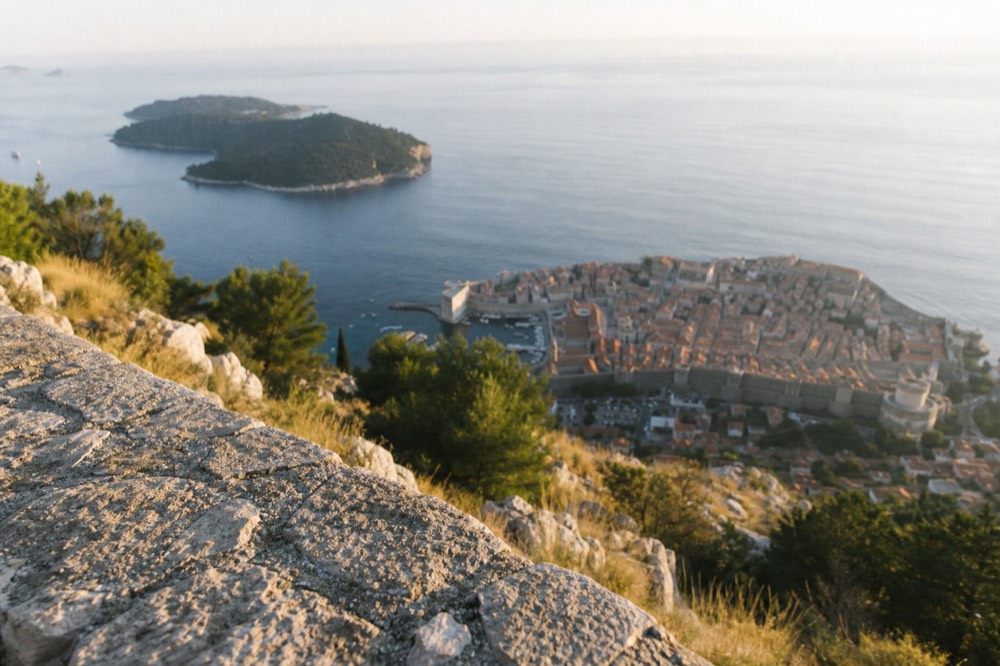
Day two splits into a morning on Lokrum and an evening on Mount Srđ. Boats leave the City Harbour at 09:00, then every 15 minutes from 10:00 to 18:00, and the 30-euro Lokrum ticket covers both the reserve entry and the return boat transfer. Save the cable car for late afternoon, when the summer timetable runs to midnight and the Old Town lights come on below you.
Lokrum rewards the morning slot. The island is a nature reserve with no cars and no hotels, peacocks and rabbits everywhere, botanical gardens, a small salt lake and rocky swimming spots. The ticket office is at Luža in the Old City Port and works 08:00 to 18:00, and a ticket stays usable for three days, so there is flexibility if the weather turns. Do not plan Lokrum around a strict return time: the departure pattern is frequent, but the last boats fill on peak days.
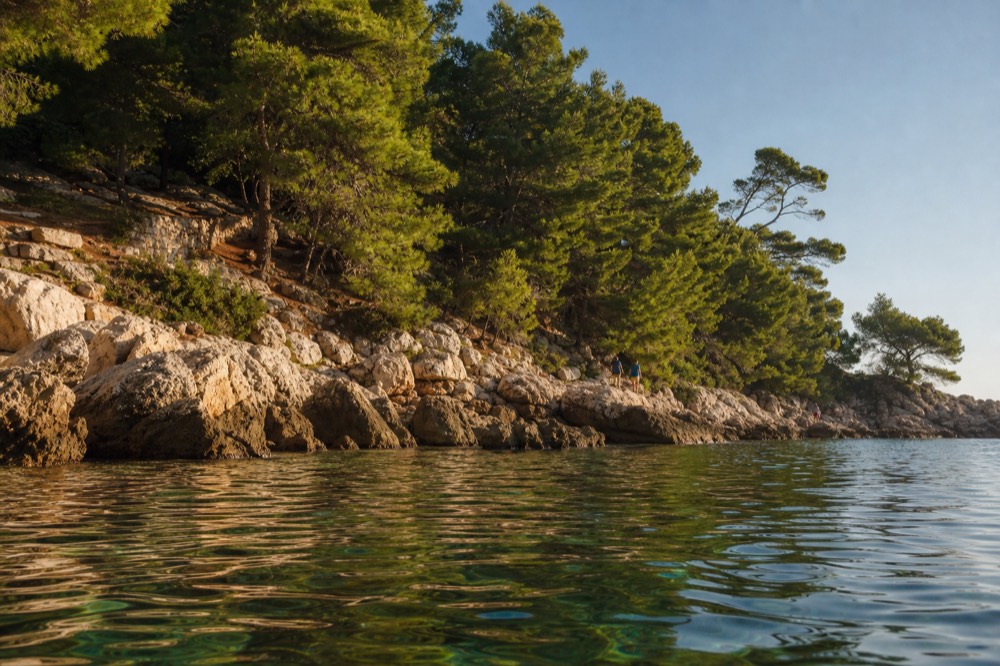
If you would rather be on the water than on the island, the kayaking alternative is strong. The two-hour kayak tour around Lokrum and Betina Cave runs from $35.49 per person, rated 4.9 across 1,518 reviews, and it reaches caves and cliffs a ferry passenger never sees. Our page on kayaking in Dubrovnik compares the options in detail.
The cable car half of the day needs less time than people expect. The track is 778.2 metres long, rises 367 metres from the lower terminal to the 405-metre upper station, and the ride takes 3 minutes 30 seconds. What takes the time is the viewing, and the operator claims a range of up to 60 km on a clear day. An adult round trip is 30 euro in 2026, a child 4 to 12 round trip is 8 euro, and under 4 rides free. Note the calendar: the cable car is closed January to March, and hours extend to midnight in June, July and August.
Between the two, keep the afternoon loose. A swim, the Buža bar on the cliffs, or the Franciscan Monastery museum, whose pharmacy is one of the oldest in Europe, all fit the gap. If museums are your priority, this is where the Dubrovnik Pass starts paying for itself, and the official pass site lists every inclusion.
What Should Day Three Look Like?
Day three is the day trip, and the choice comes down to sea or inland. The classic sea option is a full-day Elaphiti Islands cruise with lunch, about 8 hours, from $59.16 per person. The classic inland option is Mostar and Kravica waterfall in Bosnia and Herzegovina, from $35 per person, about 11 hours. Both leave early and both are worth the alarm clock.
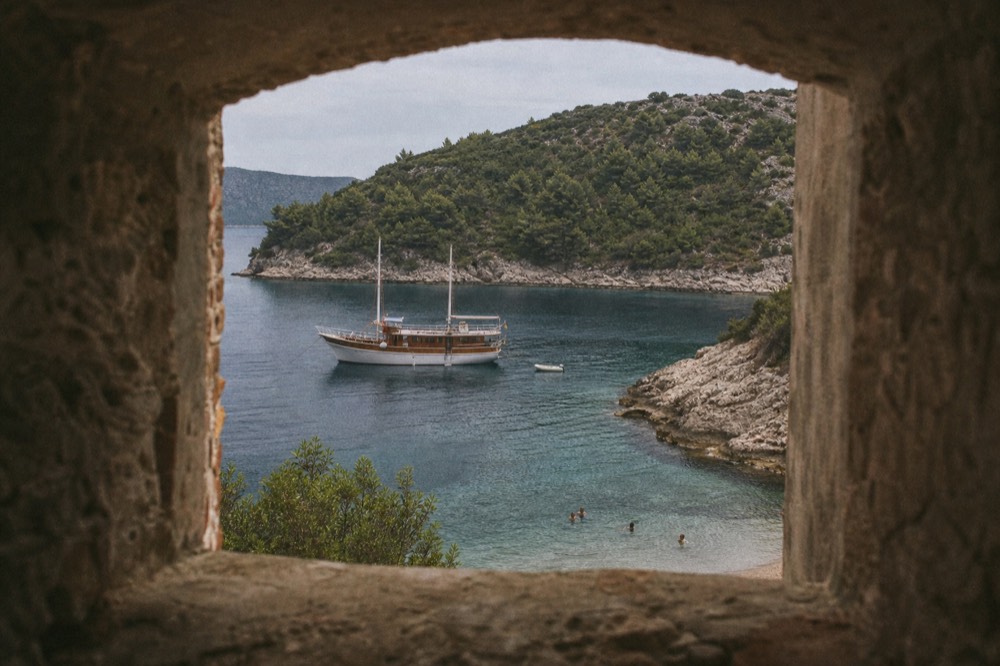
The Elaphiti cruise is the highest-value booking of a three-day trip, and I say that as someone who has watched these boats come and go from the harbour for years. Three islands, a fish picnic lunch, swimming stops, and a day entirely off the stone stairs. The most-reviewed version runs from $59.16 per person with a 4.9 rating across 10,312 reviews; the replica pirate ship Karaka sails the same waters from $65 per person with a 4.8 rating across 757 reviews, and it is the more atmospheric choice if the sailing itself matters to you.
The Mostar option is a different animal: a border crossing, a UNESCO-listed Ottoman bridge town, and the Kravica waterfalls. It runs from $35 per person for the standard version, rated 4.6 across 10,019 reviews, or from $53.19 for a small-group version rated 4.8 across 1,254 reviews. Bring your passport and, as one traveller put it, bring euros. Our Mostar day trip guide covers the border logistics in full.
| Day trip | Duration | From (per person) | Rating |
|---|---|---|---|
| Elaphiti Islands cruise with lunch | about 8 hours | $59.16 | 4.9 across 10,312 reviews |
| Elaphiti pirate ship cruise | about 8 hours | $65 | 4.8 across 757 reviews |
| Mostar and Kravica waterfall | about 11 hours | $35 | 4.6 across 10,019 reviews |
| Montenegro day trip | about 11 to 12 hours | $58 | 4.4 across 5,611 reviews |
When Is the Best Time of Day to Walk the Walls?
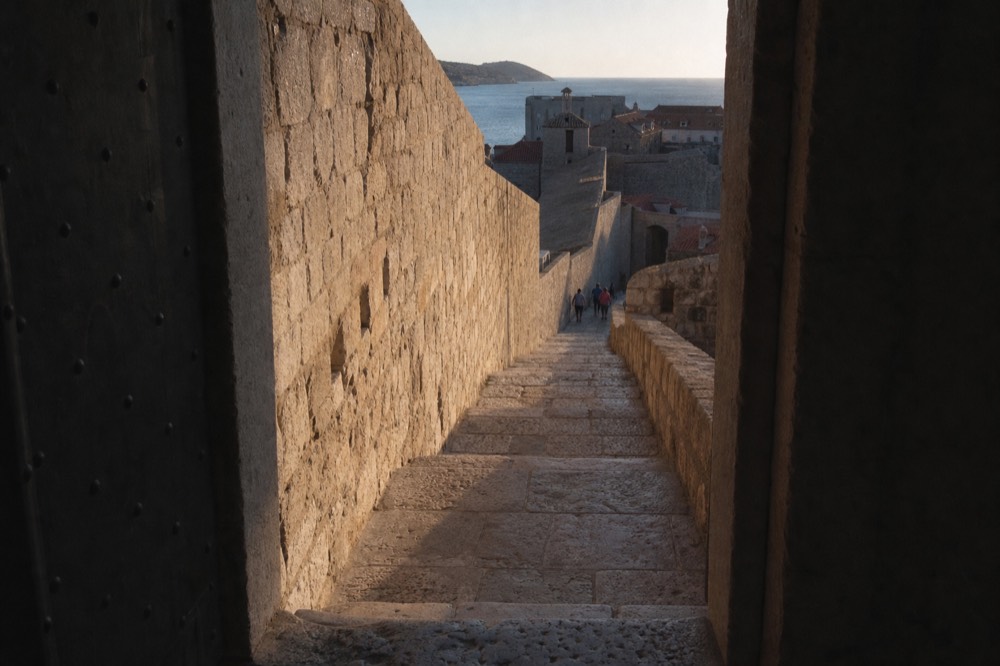
Walk the walls at 08:00, the moment the operator opens, or in the final two hours before the 19:30 close. The crowd counters tell the story: 5,419 people in the Old Town at 08:00 against a 7,739 peak at 10:00, and the September cruise season pushes the counts higher than July. Midday is the worst of both worlds, maximum people and maximum heat on unshaded stone.
The timing question matters more in Dubrovnik than in most cities because the cruise calendar does not behave the way people assume. Port Authority data shows 2025 cruise passengers peaked in September at 101,246 and October at 100,132, both above July's 96,072 and August's 87,385. September, not August, is the busiest cruise month. If you are visiting in early autumn, treat the walls like a dawn appointment.
The Port Authority limits cruise passengers to 8,000 a day in most cases, and of 243 cruise days a year only 18 exceed that number, per the Port Authority's own cruise-destination page. Even so, those passengers concentrate into a few midday hours, which is exactly the window you want to be below the walls rather than on them.
Practical notes for the circuit itself: there is essentially no shade, the path is one-way at the busiest sections, wear real shoes, and carry water. The full circuit takes most people between 90 minutes and two hours with photo stops, longer in heat.
How Much Does 3 Days in Dubrovnik Cost?
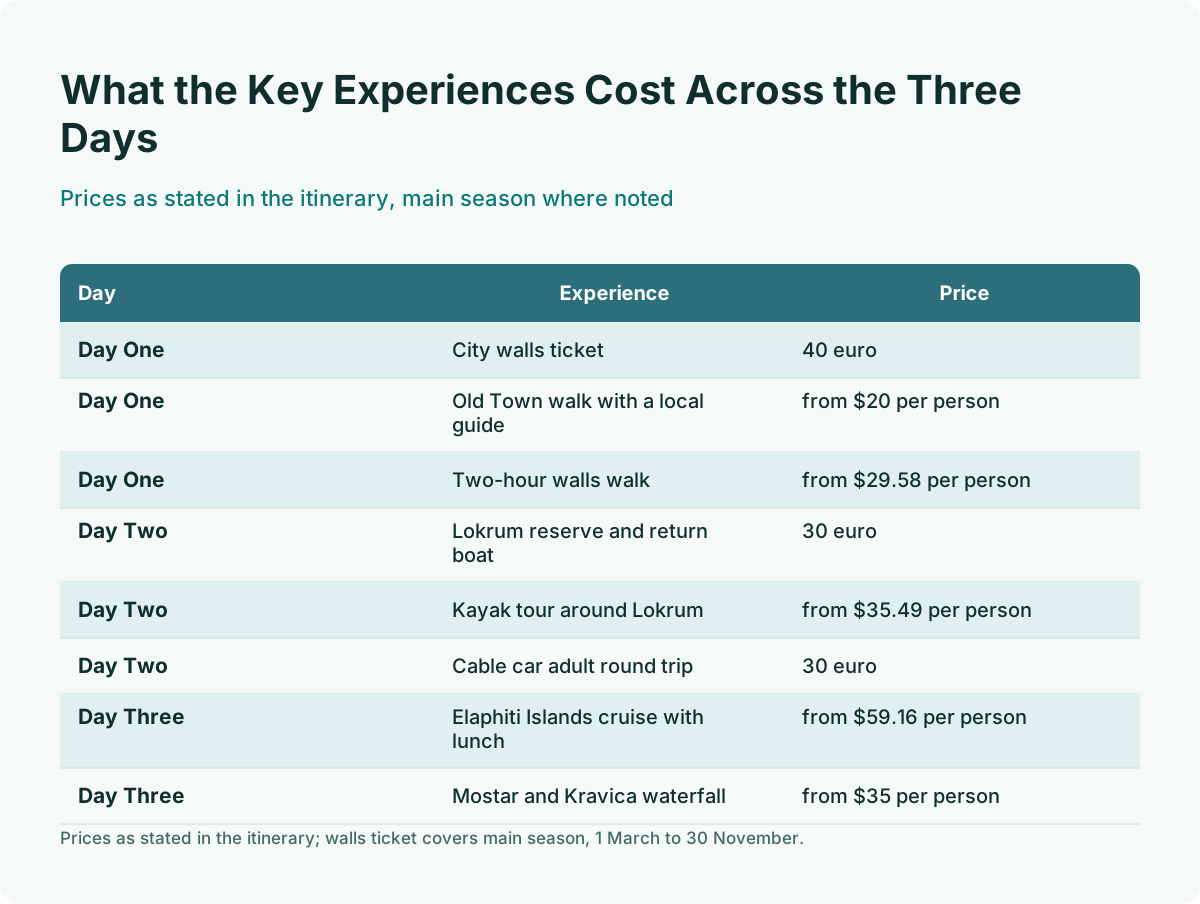
Budget roughly 130 to 200 euro per person for the core three days: 40 euro for the walls, 30 euro for Lokrum, 30 euro for a cable car round trip, and one booked day trip from about 55 euro, plus food. The one-day Dubrovnik Pass costs the same 40 euro as the walls ticket in main season and adds ten more sights plus a 24-hour bus ticket, which makes it the better buy for museum-goers.
That pass comparison needs its season qualifier, because it is only true from 1 March to 30 November. In December the standalone walls ticket drops to 20 euro while no winter pass tier is on sale at all, so the "pass costs the same as the walls" line is a main-season fact, not a year-round one. The pass tiers are 40 euro for one day, 50 for three days and 60 for seven, sold as an adult pass for ages 7 and up.
| Item | Main-season price | Notes |
|---|---|---|
| City walls + Lovrijenac, adult | 40 euro | Child 7 to 18: 15 euro, under 6 free |
| Dubrovnik Pass, 1 day | 40 euro | Walls plus ten sights and a 24h bus ticket |
| Dubrovnik Pass, 3 days | 50 euro | Adds suburban bus coupons and House Bukovac |
| Lokrum ticket | 30 euro | Reserve entry plus return boat |
| Cable car, adult round trip | 30 euro | Child 4 to 12: 8 euro, under 4 free |
Food is the flexible variable. A konoba dinner with fish runs meaningfully more than pizza or pasta, and lunch on a boat cruise is often already included in the ticket. If you are watching costs, our budget Dubrovnik guide breaks down where the money actually goes.
Is 3 Days Too Long in Dubrovnik?
No, and the people who claim it is have usually only seen the Old Town. The walled core can be walked in two hours, but three days uses Dubrovnik as a base for the Elaphiti Islands, Lokrum, Mount Srđ and a border-crossing day trip. The only travellers who find three days too long are those with no interest in boats, viewpoints or leaving the city at all.
The honest version of the objection goes like this: Dubrovnik is expensive, crowded at midday, and small enough that a determined sightseer can tick off the core in a day. All three parts are true. The answer is that the three-day plan deliberately spends less than half its time inside the walls. Day one is in the city, day two is half on an island, day three is entirely elsewhere.
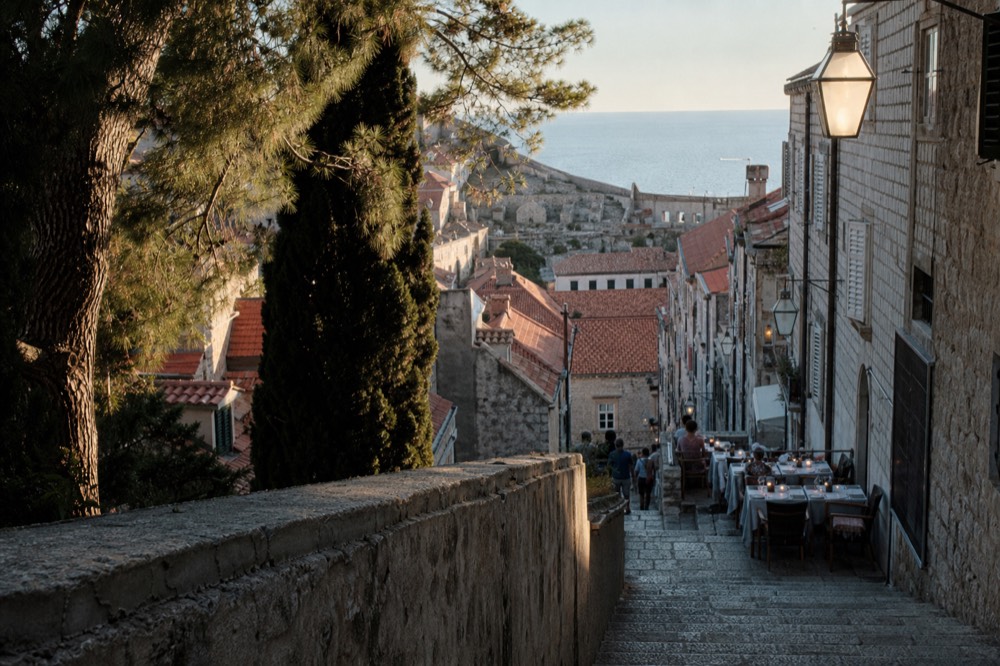
There is a mood argument too, and it is the one I make hardest. Dubrovnik at 08:00, before the counters climb, is a different city from Dubrovnik at 13:00. Three days gives you three chances to catch the quiet version, and the quiet version is the one people remember. If you are still unsure, the question is 3 days in Dubrovnik too much? gets a direct answer elsewhere on this site.
What Would You Change for a Shorter or Longer Stay?
With two days, drop the day trip and merge Lokrum and the cable car into one afternoon-and-evening. With four days, add a second day trip, Montenegro or Korčula, and a beach day at Banje or Sveti Jakov. The three-day spine stays the same in every version: walls first, islands second, day trip third.
The sequence is not arbitrary. The walls need the early morning, so they anchor day one. Lokrum and the cable car are both weather-dependent half-days that can swap or slide. The day trip is the least flexible block because boats and buses leave on fixed schedules, so it sits on the day you can commit to a 07:00 start.
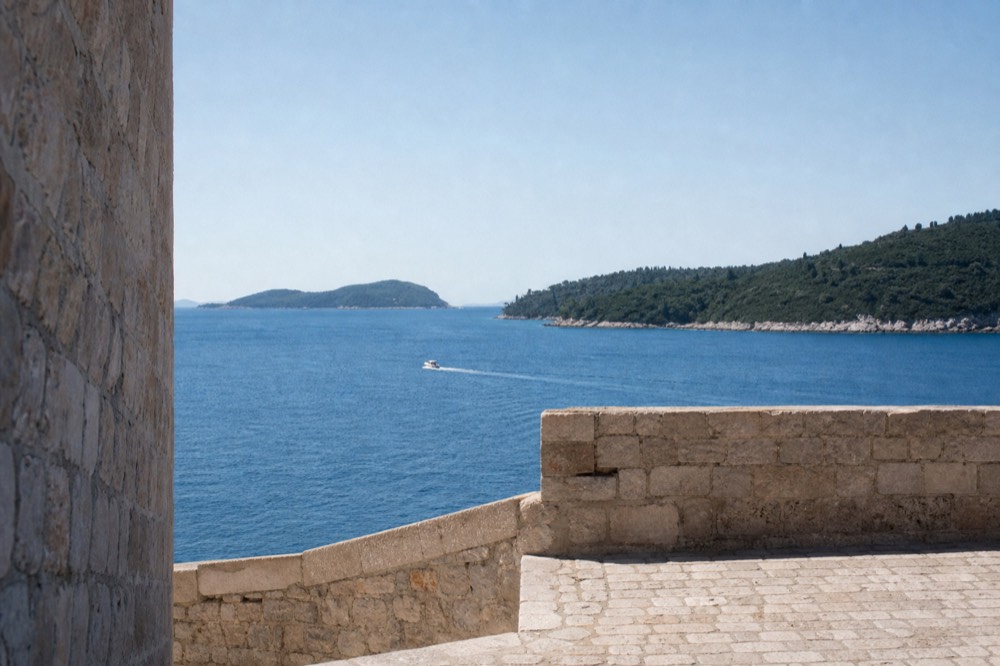
For a longer stay, the second tier of day trips opens up: Montenegro from $58 per person, Korčula with wine tasting from $81.69, Mljet National Park from $139.47. Each of those deserves its own early start, which is exactly why four days begins to feel generous rather than excessive. Whatever length you settle on, the planning spine on Things to Do in Dubrovnik starts from the same first move: the walls, at opening, on day one.
Common Questions About 3 Days in Dubrovnik
Is 3 Days in Dubrovnik Too Much?
No. Three days covers the Old Town and walls, Lokrum, the cable car and one full-day trip at a humane pace. One day is rushed, two is the minimum, and three is the first length at which the city stops feeling like a race.
is 3 days in dubrovnik too much?
No, three days is the sweet spot. The Old Town itself is small, but the walls circuit, Lokrum, Mount Srđ and an Elaphiti or Mostar day trip fill three days comfortably without padding.
How Many Days Is Enough to See Dubrovnik?
Two days is enough to see the essentials: the walls, the Old Town streets, and either Lokrum or the cable car. Add a third day for a day trip, which is the part of the region most short visitors miss entirely.
How Many Days in Dubrovnik Do You Need With Kids?
Three days works well with children: the walls early on day one, Lokrum's peacocks and swimming on day two, and a boat day trip on day three, since the Elaphiti cruises include lunch and swimming stops and demand no walking.
What Is the Best Month for a 3-Day Trip?
May, June, September and October. Note that cruise passengers actually peak in September and October rather than July and August, so early mornings matter most in autumn. The sea is at its warmest in August at a 25.8-degree long-run average, while September sits at about 23.6 degrees.
Should I Buy the Dubrovnik Pass for 3 Days?
The three-day pass is 50 euro against a 40-euro walls ticket, so it pays off if you will visit at least two or three of the included museums on top of the walls. In main season every tier includes the walls and Lovrijenac, plus the bus ticket, and each sight can be visited once.