Is It Better to Stay in Dubrovnik or Cavtat?
Cavtat sits on a wooded peninsula about a half-hour boat ride from Dubrovnik, and every summer a share of visitors faces the same fork: sleep inside the walled city or base themselves in the quieter town down the coast.
Short answer
Stay in Dubrovnik if the walled Old Town is the point of your trip and you want walls, museums and nightlife at your door. Stay in Cavtat if you want sea, calm, lower prices and an easy commute: the boat runs to the Old City Port and a one-day Dubrovnik Pass costs 40 euro in main season, 1 March to 30 November.
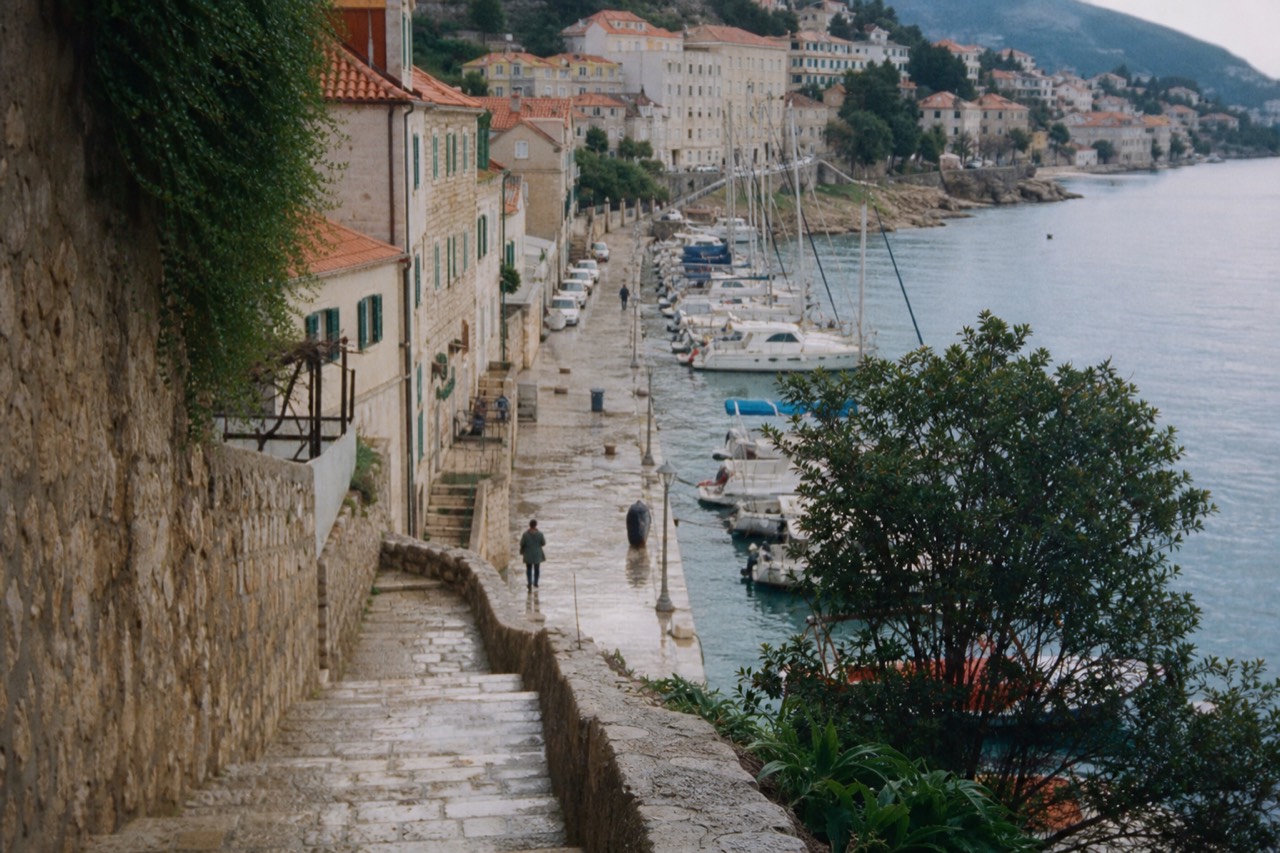
Cavtat is the quiet cousin. A peninsula of pines, a horseshoe harbour full of boats, two sheltered swimming bays and a waterfront row of konobas, all on the southern edge of Dubrovnik Bay. Dubrovnik recorded about 4.2 million overnight stays in 2025, sharing first place among Croatian destinations with Rovinj, and almost all of that pressure lands on the walled Old Town, a UNESCO site since 1979 covering 24.7 hectares. Cavtat absorbs a fraction of it. The choice between them is really a choice about what kind of holiday you are planning, and this page walks through it with the verified numbers.
I have walked both towns in every month of the year, and the difference is not subtle. In Dubrovnik you step out of your door onto the Stradun, 298 metres of polished limestone that the 1272 Statute fixed as the city's main street. In Cavtat you step out onto a seaside promenade where the loudest thing at seven in the morning is a fishing boat.
Is It Better to Stay in Dubrovnik or Cavtat?
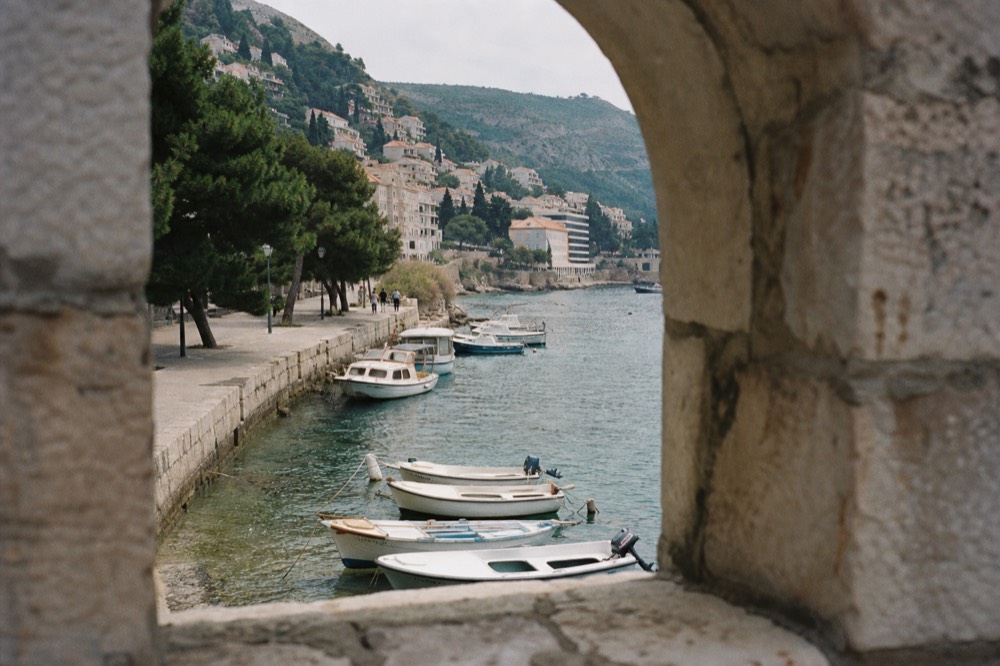
Stay in Dubrovnik when the Old Town itself is the destination: you want the city walls at your door at 08:00, museums, restaurants and evening life without a commute. Stay in Cavtat when you want a swimming bay within five minutes' walk, calmer nights and lower accommodation prices, and you are happy to travel to the sights. Roughly, Dubrovnik wins for first short visits, Cavtat wins for relaxed weeks.
The honest starting point is time. If you have two or three days in the area and have never seen Dubrovnik, staying in Cavtat and commuting in costs you flexibility: the boat is pleasant but it is a schedule, and the last evening return matters more than you think when dinner runs late. First-timers with limited days are usually better placed inside or beside the walls, which is why the first-timers guide on this site leans that way.
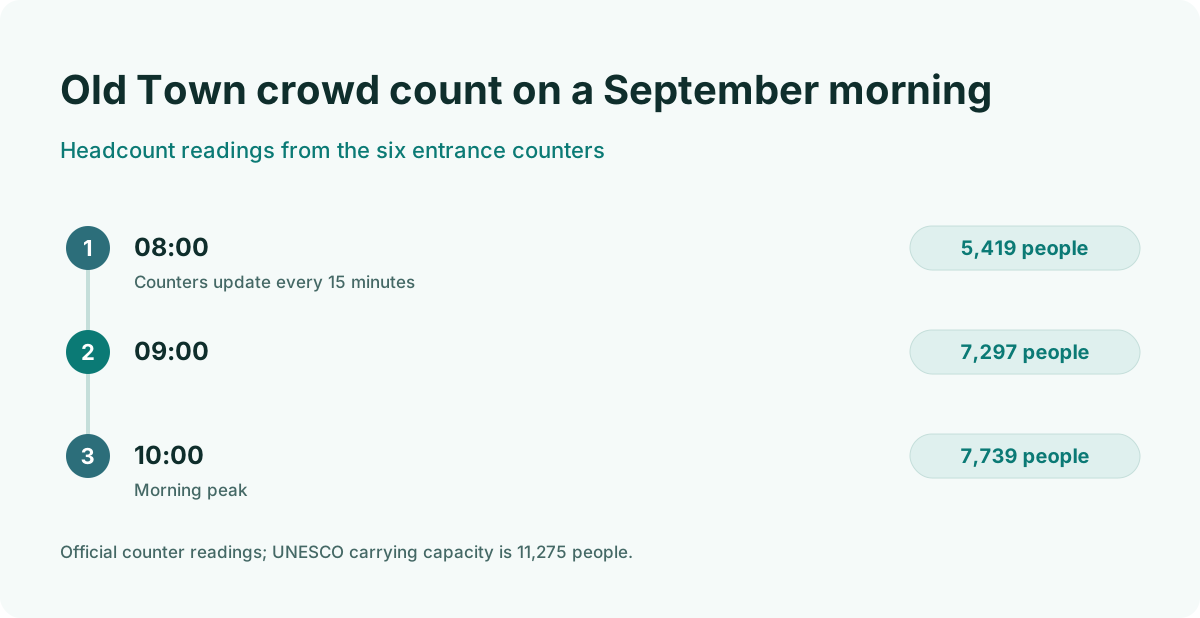
The crowd math matters too. Six counters at every Old Town entrance update a headcount every 15 minutes, and the official carrying capacity from the UNESCO assessment is 11,275 people. On a real September morning the curve read 5,419 people at 08:00, 7,297 at 09:00 and a 7,739 peak at 10:00. Those are daytime figures, driven by day-trippers and cruise passengers: the Port Authority counted 625,257 cruise passengers in 2025, and the peak months were September at 101,246 and October at 100,132, above July's 96,072. The crowd thins in the evening, but the daytime density is the price of sleeping in the middle of it.
Cavtat flips that equation. You swim before breakfast, take the boat or the number 10 bus into Dubrovnik for the walls and the sights, and come back to a town where dinner tables do not need booking a day ahead. For a week-long stay, a family holiday or anyone who has already seen the Old Town once, it is often the better base.
Is It Better to Stay in Cavtat or Dubrovnik?
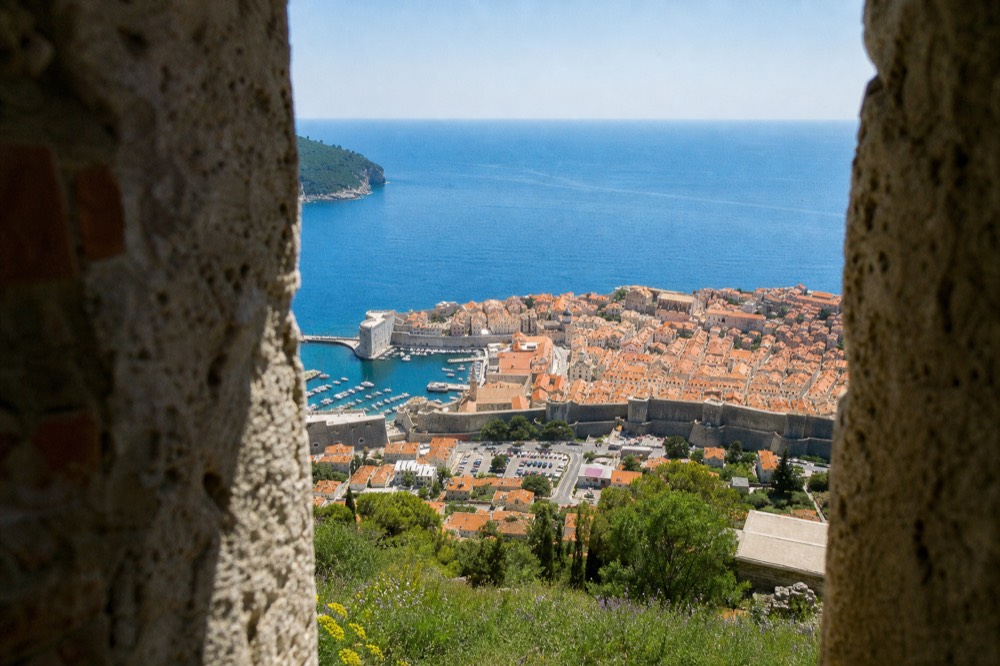
From the Cavtat side the argument is simpler: you get sea, space and value, and Dubrovnik becomes a scheduled excursion rather than a backdrop. The trade-offs are evening access, since the boat stops running at night, and distance, since every wall walk, cable car ride and museum visit starts with a transfer. Cavtat suits swimmers, families and slow travellers.
Cavtat's strengths are concrete. Two sheltered bays sit right on the promenade, so swimming needs no bus, no cliff path and no planning. The sea here behaves like the rest of the coast: the September average is about 23.6 degrees, a long-run open-water figure, and sheltered bays run warmer, with the Croatian met service's Dubrovnik buoy reading 27.0 to 27.4 degrees on 8 September 2026 against that 23.6 mean. Restaurants along the waterfront are local in feel and gentler on the wallet than anything inside the walls. The Cavtat guide covers the town in depth.
The weakness is equally concrete. The boat to Dubrovnik is a daytime service, and evening events in the Old Town, from the summer festival to simply wandering the Stradun after the day-trippers leave, require either a late bus, a taxi or an early night. If your picture of the holiday involves Dubrovnik after dark, base yourself in Dubrovnik.
There is a middle path worth naming: stay in Cavtat, and book one or two structured days in Dubrovnik rather than drifting in and out. A guided walk compresses the Old Town efficiently, and the walking tours compared page lays out the options, from a paid local-guide walk rated 4.8 across 5,826 reviews from $20 per person to free pay-what-you-want walks on GuruWalk.
One structured evening deserves a special mention because it starts from Cavtat itself. The Cavtat sunset cruise runs about an hour with a cold platter and drinks included, rated 4.9 across 203 reviews and from $23.66 per person. It is the kind of hour that justifies the Cavtat base on its own: the coastline at golden hour, a plate of local ham and cheese, and the lights of Dubrovnik across the bay on the way back. Check availability
Is It Better to Stay in Split or Dubrovnik?
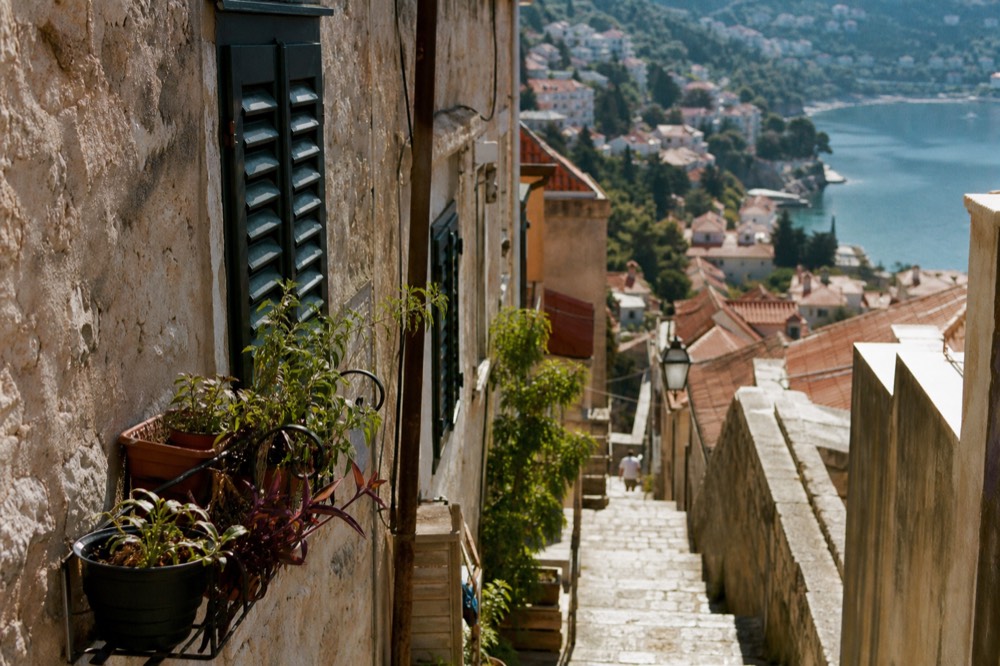
Choose Dubrovnik when the trip is about one spectacular walled city, island boats and a short, walkable stay. Choose Split when you want a bigger, cheaper, livelier working city with faster transport links inland and to more islands. Split suits longer and more varied trips; Dubrovnik suits concentrated ones.
This comparison gets asked almost as often as the Cavtat one, and the answer runs on different axes. Split is Croatia's second city, a transport hub with more flight options, cheaper beds and Diocletian's Palace as its old core. Dubrovnik is smaller, more expensive, more photogenic and more crowded, but its walls, its sea approach and its day-trip geography, Elaphiti islands, Lokrum, Montenegro, Mostar, are unmatched. The Dubrovnik vs Split page does the full head-to-head.
Two practical points decide it for most people. First, cost: accommodation and eating out in Split run noticeably cheaper, and if budget drives the trip, Split stretches a week further. Second, itinerary shape: if you are island-hopping up the coast, start in Dubrovnik and finish in Split, or the reverse, rather than basing in one. The island hopping guide covers that route.
| Factor | Dubrovnik | Split |
|---|---|---|
| Scale and feel | Small, concentrated, monumental | Bigger, livelier, working city |
| Accommodation cost | Higher | Noticeably lower |
| Transport links inland | Limited | Strong hub |
| Island day trips | Elaphiti, Lokrum, Mljet | More islands, faster ferries |
| Best for | Short, concentrated visits | Longer, varied trips |
A useful pattern for a Cavtat-based week is to treat the region as a day-trip hub. The Elaphiti islands cruise is the classic: the Zrinka boat runs about 8 hours with a fish picnic lunch, from $59.16 per person, rated 4.9 across 10,312 reviews. One guest review calls it "This is a wonderful day. Nice and shaded on the boat as we cruised on the cool adriatic. Loved seeing the neat Elphiti Islands and a wonderful way to get out the the heat and large crowds for a bit. They kept the drinks flowing and lunch was phenomenal and a generous portion. This is the way to cruise the Adriatic."
Is It Better to Stay in Old Town, Dubrovnik or Outside?
Inside the walls you pay a premium for atmosphere and pay again in stairs, noise and luggage hauling; outside you pay in commuting. The sweet spot for most travellers is just outside: Pile or Ploče for walking access, Lapad for beaches and hotels, Gruž for the port and lower prices. Old Town itself is best for one or two special nights.
The Old Town is a car-free zone of stone streets and staircases, and the practicalities are real: wheeled luggage over polished limestone, evening noise from bars and restaurants, and hotel prices at the top of the market. What you get in exchange is unmatched. The walls open at the operator's stated hours of 08:00 to 19:30, the adult ticket is 40 euro in main season, 1 March to 30 November, and 20 euro in December, and being first through the gate at 08:00 is the single best crowd tactic in the city. The where to stay page maps every district.
Lapad is the compromise most families land on. It has its own beach, a pedestrian strip of cafes and restaurants, and bus links to Pile Gate in minutes. The budget pick there is Hotel Komodor, a three-star rated 7.8 out of 10 across 822 Expedia reviews, about a 29-minute walk to the Gruž cruise and ferry port, with the number 6 bus to Pile Gate. The mid-range pick is Hotel Lapad, in the same peninsula with a pool and garden setting.
Check rates at Hotel Excelsior
Ploče, just outside the eastern wall, buys you Old Town walking access with sea views and quieter nights, and it is where the luxury option sits: Hotel Excelsior looks straight at the old city and the island of Lokrum from across a small bay. Gruž, around the port, is the value corner, useful if you arrive or leave by ferry and happy to ride the bus into town. The rest of the planning pages sit on Things to Do in Dubrovnik.
How Do You Get Between Dubrovnik and Cavtat?
By boat in season, by bus year-round. The passenger boat links Cavtat's harbour with Dubrovnik's Old City Port on a daytime schedule; the number 10 bus runs the coastal road from Cavtat through Mlini to Dubrovnik. A taxi or transfer covers the same road in about twenty minutes when the timetable does not suit you.
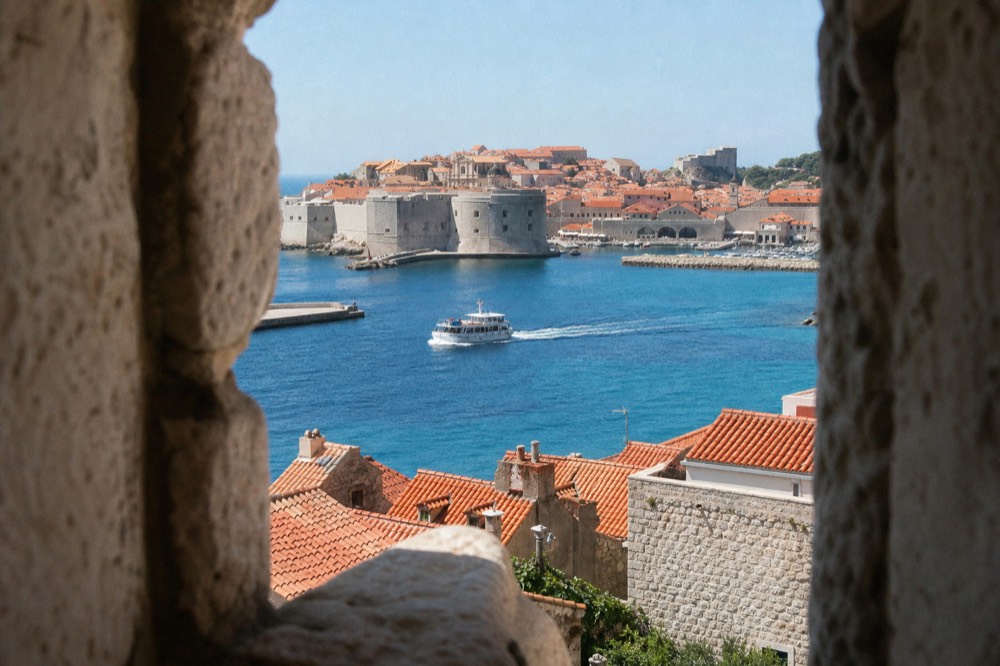
The boat is the one to plan around. It delivers you into the Old City Port, inside the walls and a two-minute walk from the Stradun, which no bus can do, and the crossing itself is part of the day: Dubrovnik's walls and Fort Lovrijenac, standing on its 37-metre sea rock, slide past the rail. Schedules shift with the season, so check the operator's current timetable before you commit to an evening plan, and note that the service is daytime only, which is the single biggest constraint on a Cavtat base.
The bus is the reliable fallback. It runs frequently along the coast, stops in Mlini and Srebreno if you are staying between the two towns, and terminates within walking distance of Pile Gate. Tickets are cheap, bought from the driver or a kiosk, and the ride is a scenic one along the bay. For luggage-heavy arrivals and late nights, taxis and transfers bridge the gaps; the taxis and Uber page has the fare picture.
One planning trick ties the two towns together neatly. The one-day Dubrovnik Pass costs 40 euro in main season, exactly the same as the standalone walls ticket, and adds ten more sights plus a 24-hour bus ticket, which covers the city buses you will actually use. That comparison is main-season only: in December the walls ticket drops to 20 euro and no pass tier is on sale at all. The is the pass worth it page runs the numbers for each stay length.
What Does Each Base Cost?
Cavtat undercuts Dubrovnik on beds and dinners by a clear margin, while the headline sights cost the same wherever you sleep: the walls are 40 euro adult in main season, the cable car round trip is 30 euro, Lokrum is 30 euro including the boat. Budget roughly the same attraction spend from either base, and let accommodation prices decide the rest.
The attraction prices are fixed by the operators, not by your postcode. The cable car, from its lower terminal at 38.0 metres to the Mount Srđ station at 405.0 metres in 3 minutes 30 seconds, charges 30 euro adult round trip, 17 euro one way, with children 4 to 12 at 8 and 5 euro and under 4 free. Lokrum's 30 euro ticket covers reserve entry and the return boat, with departures from the City Harbour at 09:00, then every 15 minutes from 10:00 to 18:00. Where you sleep changes none of that.
| Item | Dubrovnik base | Cavtat base |
|---|---|---|
| City Walls adult, main season | 40 euro | 40 euro plus transfer |
| City Walls adult, December | 20 euro | 20 euro plus transfer |
| Cable car adult round trip | 30 euro | 30 euro plus transfer |
| Lokrum ticket with boat | 30 euro | 30 euro plus transfer |
| One-day Dubrovnik Pass | 40 euro, main season | 40 euro, main season |
Accommodation is where the two towns genuinely diverge. Old Town Dubrovnik commands the region's highest rates in summer, with Lapad and Ploče a step behind and Gruž cheaper again. Cavtat's hotels and apartments sit below all of them for comparable quality, which is precisely why it has become the family favourite. Dinner follows the same curve: a waterfront konoba in Cavtat reliably costs less than an equivalent table inside the walls, where the restaurants guide shows how steep the gradient gets.
| Factor | Dubrovnik (Old Town) | Cavtat |
|---|---|---|
| Accommodation price level | Highest in the region | Noticeably lower |
| Dinner for two, mid-range | Premium | Moderate |
| Swimming access | Buses or cliff bars | Bays on the promenade |
| Evening access to Old Town | On foot | Bus, taxi or boat schedule |
| Luggage and stairs | Significant | Minimal |
Which Should You Choose for Your Trip?
Pick Dubrovnik for a first visit of three days or fewer, for romance, and for evenings inside the walls. Pick Cavtat for a week, for children, for swimming and for budgets. Split your stay if you have five days or more: nights in Dubrovnik first, then Cavtat to finish slow, or the reverse if your flight leaves from the airport, which sits closer to Cavtat than to the Old Town.
The split-stay option is underused and often the best answer of all. Dubrovnik's magic hours are early morning and late evening, when the day crowds drain away, and those hours belong to people sleeping nearby. Cavtat's magic is unhurried: long swims, long dinners, a boat into town when you feel like it. Doing both, two or three nights each, costs you one hotel change and buys the whole picture.
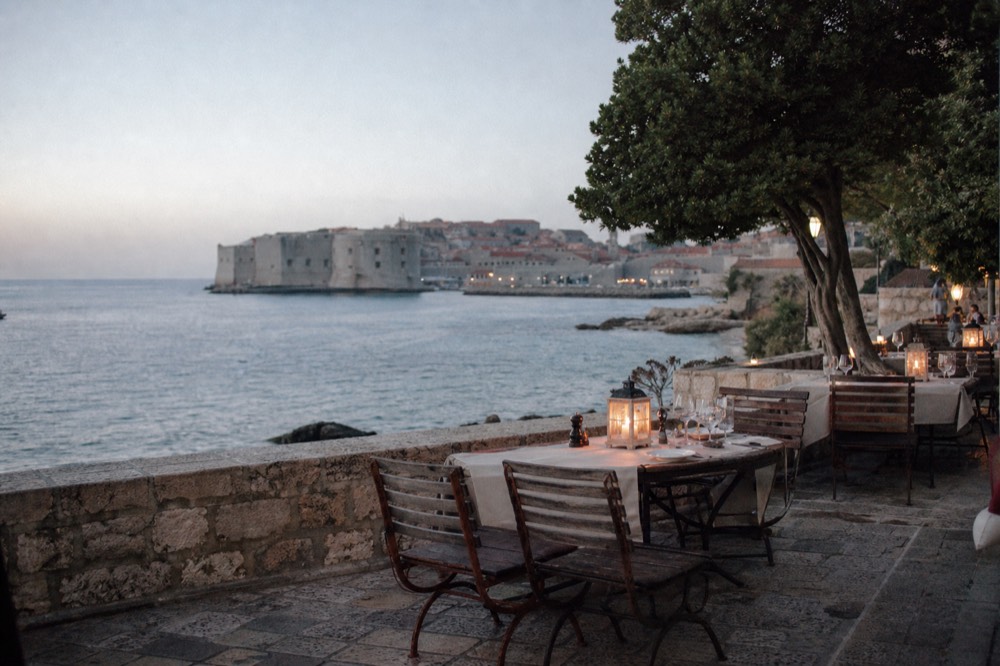
Families should weigh the swimming access heavily. From an Old Town base, a beach day means a bus to Lapad or Copacabana or a scramble down to a cliff bar; from Cavtat, the sea is the front garden. Couples on a short break should weight the opposite way: the walls at 08:00, the cable car at sunset, dinner on the Stradun, all without checking a timetable.
Whatever you choose, book the walls walk for your first Dubrovnik morning rather than leaving it to chance. The 2-hour city walls walk from $29.58 per person, rated 4.8 across 1,387 reviews, sets the whole city in context, and one guest review says "This well organized tour helped put Dubrovnik's past (and present) into perspective. It's incredible that the city walls have withstood the test of time. Antun was a wonderful guide."
A final word on timing, because it cuts across every choice above. The busiest cruise months are not July and August but September and October, when the Port Authority counted 101,246 and 100,132 cruise passengers in 2025. If your dates are flexible and you want the region at its calmest with the sea still swimmable, the September average of about 23.6 degrees makes early autumn a strong pick, just arrive at the walls at opening time. More on that in the best time to visit guide.
Common Questions About Dubrovnik vs Cavtat
Is It Better to Stay in Dubrovnik or Cavtat?
Stay in Dubrovnik for short first visits, walls-and-museums itineraries and evenings in the Old Town. Stay in Cavtat for week-long, relaxed or family trips built around swimming, lower prices and quieter nights, with Dubrovnik visited by boat or bus.
is it better to stay in dubrovnik or cavtat
Same question, same answer: Dubrovnik for concentration and atmosphere on a short trip, Cavtat for space, sea and value on a longer one. Many travellers split the stay, a few nights in each.
How Do You Get From Cavtat to Dubrovnik?
A daytime passenger boat links Cavtat harbour with the Old City Port in Dubrovnik, and the number 10 bus runs the coastal road year-round through Mlini. Taxis and transfers cover the same road in about twenty minutes when schedules do not fit.
Is Cavtat Cheaper Than Dubrovnik?
Yes, mainly on accommodation and dinners. The headline sights cost the same from either base: the walls are 40 euro adult in main season, the cable car round trip is 30 euro, and Lokrum is 30 euro including the return boat.
Can You Swim in Cavtat?
Yes, easily. Two sheltered bays sit directly on the promenade, and the water follows the regional pattern: the September average is about 23.6 degrees as a long-run open-water figure, with sheltered bays running warmer.
How Many Days Should You Spend in Each?
Two to three days covers Dubrovnik's walls, museums and an island or cable-car excursion. Give Cavtat two unhurried days, or use it as a week-long base with day trips to the Elaphiti islands, Lokrum and the Old Town.