Which City Is Better to Visit, Kotor or Dubrovnik?
Two walled cities, one bay-studded corner of the Adriatic, and a border crossing in between. Here is how Dubrovnik and Kotor actually compare for a visitor deciding between them, or trying to do both.
Short answer
Dubrovnik is the bigger, pricier, more polished headline act: a 1,940-metre wall circuit, a 40-euro main-season ticket and about 4.2 million overnight stays in 2025. Kotor is smaller, cheaper and moodier, with a fjord-like bay and a steeper climb. If you have four or more days, do Dubrovnik and take a Kotor day trip.
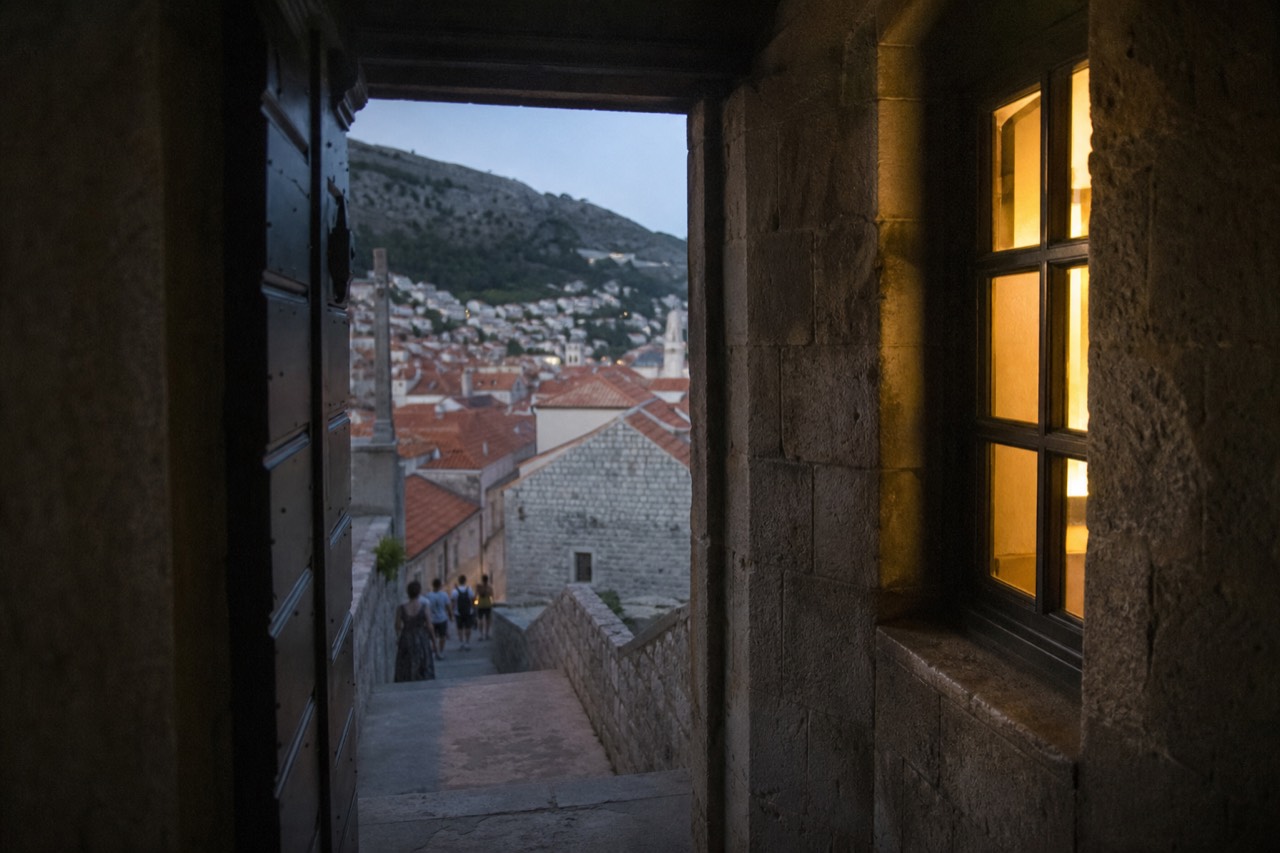
Two limestone cities face each other across a border and a century of very different tourism stories. Dubrovnik, the former Ragusa, sits on the southern Croatian coast and holds one of the most photographed Old Towns in Europe. Kotor waits at the end of a mountain-ringed bay in Montenegro, smaller, darker, and still carrying the slightly rough edges that Dubrovnik polished away a generation ago. Travellers planning a trip to this corner of the Adriatic keep asking the same question, and the honest answer is that it depends on how much time you have, how you feel about crowds, and whether you would rather climb a wall or a fortress hill.
I have walked both cities in every month of the season, and the contrast is sharper than the postcards suggest. This guide compares them on the things that actually decide a trip: scale, cost, crowds, beaches, food, and the logistics of getting between them. It also answers the two questions that almost always follow: Split or Dubrovnik, and how the beaches compare. For the wider picture of what the Croatian side offers, start with our Things to Do in Dubrovnik homepage and work inward.
Which City Is Better to Visit, Kotor or Dubrovnik?
Dubrovnik wins on spectacle, variety and ease; Kotor wins on price, atmosphere and a landscape no Croatian city can match. Dubrovnik's walls run 1,940 metres with towers, bastions and a 40-euro main-season ticket, inside a UNESCO site of 24.7 hectares. Kotor's walled core is far smaller, cheaper to enter, and backed by a bay that feels Alpine. Short trip: pick one. A week: base in Dubrovnik, visit Kotor.
Start with what each city actually is. Dubrovnik's Old Town was inscribed by UNESCO in 1979 under criteria (i), (iii) and (iv), covering 24.7 hectares with a buffer zone of 1,188.6 hectares. The wall circuit around it is 1,940 metres long, up to 25 metres high, and carries 16 towers, 3 fortresses and 6 bastions. The Stradun, its limestone main street, runs 298 metres from gate to gate. This is a city built to impress, and it does, every single day.
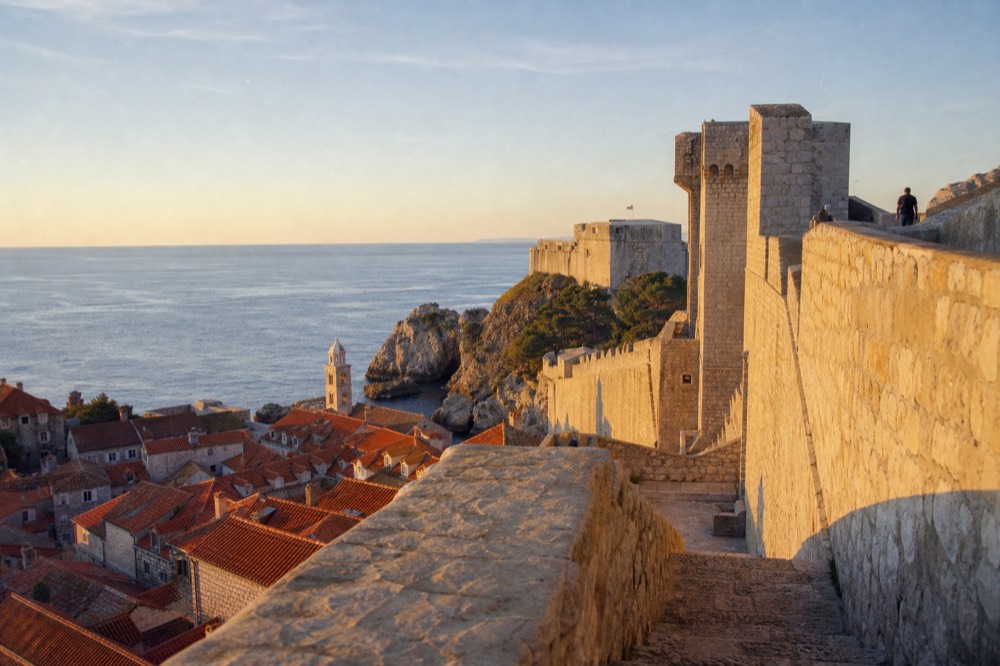
Kotor's old core is a fraction of that size. You can cross it in ten minutes at a stroll, and its wall climb, up to the fortress of San Giovanni above the town, is a stairmaster of a hike rather than a level promenade. What Kotor has instead is the bay: a deep, mountain-walled inlet that the road hugs for its final stretch, so the arrival itself is the attraction. Dubrovnik's setting is beautiful. Kotor's setting is theatrical.
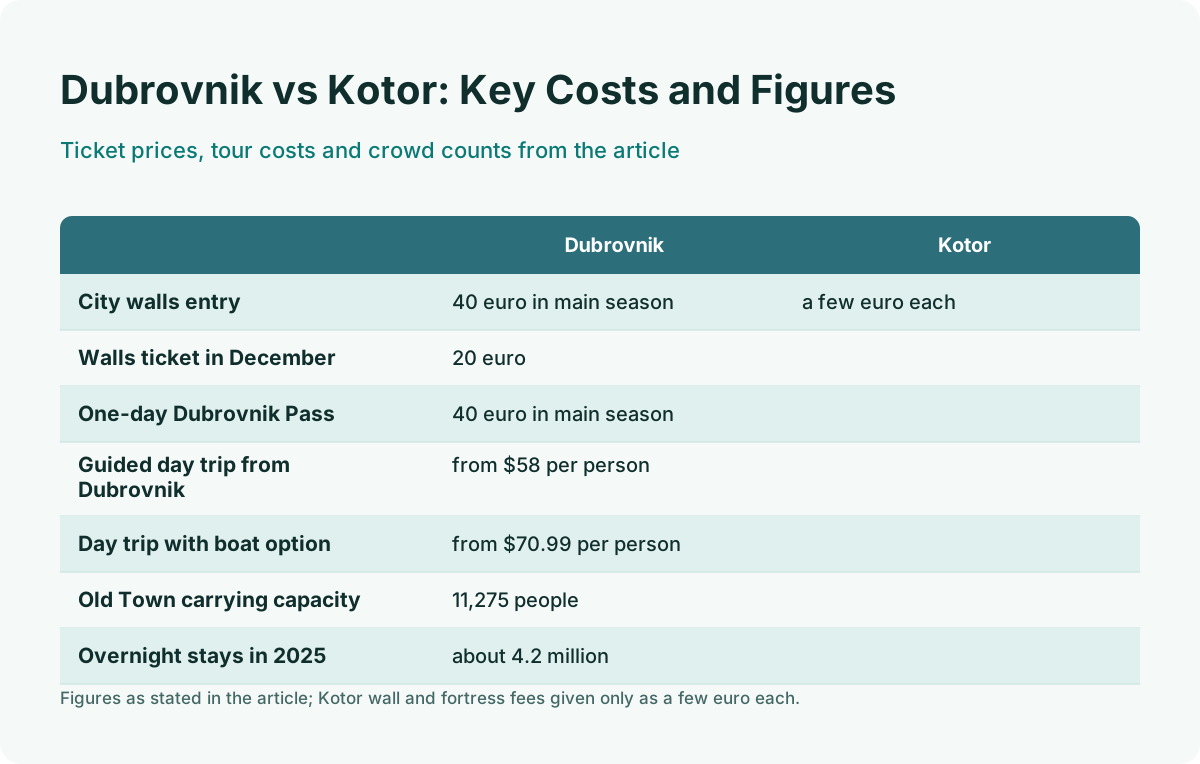
The cost gap is real and worth planning around. Dubrovnik's adult City Walls ticket is 40 euro in main season, 1 March to 30 November, and 20 euro in December. The one-day Dubrovnik Pass costs the same 40 euro in main season and adds ten more sights plus a 24-hour bus ticket, which makes it the better buy if you will use the museums. Kotor's entry fees for its walls and fortress are a few euro each, and a restaurant meal in Kotor generally runs noticeably below Dubrovnik prices. Accommodation follows the same pattern.
| Comparison | Dubrovnik | Kotor |
|---|---|---|
| Walled core size | 24.7-hectare UNESCO property | Fraction of Dubrovnik's area |
| Wall circuit | 1,940 metres, up to 25 metres high | Steep climb to San Giovanni fortress |
| Main wall entry | 40 euro main season, 20 euro December | A few euro per entry |
| Setting | Open Adriatic coast with islands | Mountain-ringed bay |
| Overall feel | Polished, visitor-oriented | Rougher, more local |
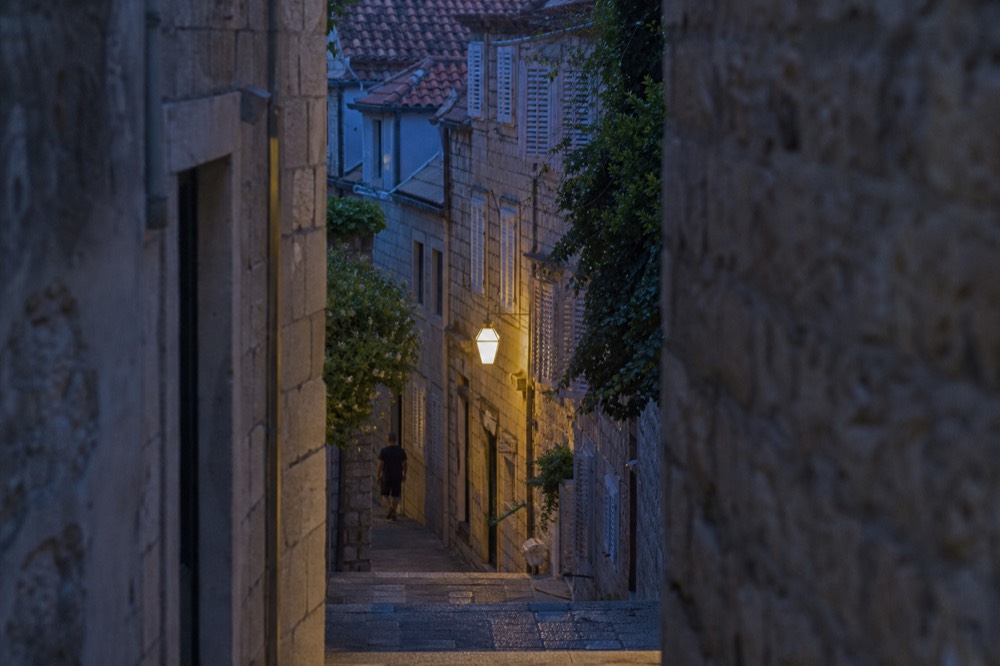
Then there is the crowd question, and here the numbers matter. Dubrovnik recorded about 4.2 million overnight stays in 2025, sharing first place among Croatian destinations with Rovinj, and its cruise traffic peaked not in July but in September, with 101,246 cruise passengers that month against 96,072 in July. Kotor receives cruise ships too, but its baseline is far lower, and outside July and August its lanes can feel almost local. If you want a walled city mostly to yourself in shoulder season, Kotor is the easier place to find it.
My honest summary, having sent plenty of travellers in both directions: with three days or fewer, choose one city and go deep. Dubrovnik rewards depth more, because the walls, Lokrum, the cable car and the Elaphiti islands fill days easily. With five days or more, base in Dubrovnik and cross to Kotor for a day, which is exactly what the next sections cover.
Which City Is Better, Split or Dubrovnik?
Split wins for a longer, cheaper, more lived-in Croatian stay anchored by Diocletian's Palace; Dubrovnik wins for a short, concentrated hit of walls, sea and postcard views. Split is bigger, cheaper and better connected by ferry and bus; Dubrovnik is more compact, more expensive and more uniformly beautiful. Two nights in Split, three in Dubrovnik is a classic split.
This question arrives almost as often as the Kotor one, usually from travellers flying into one city and out of the other. Split's old core is a Roman palace that became a city, which means the "old town" is not a monument you visit but a place where people live, shop and drink. It is grittier, cheaper and, outside the palace cellars and the waterfront, far less stage-managed than Dubrovnik.
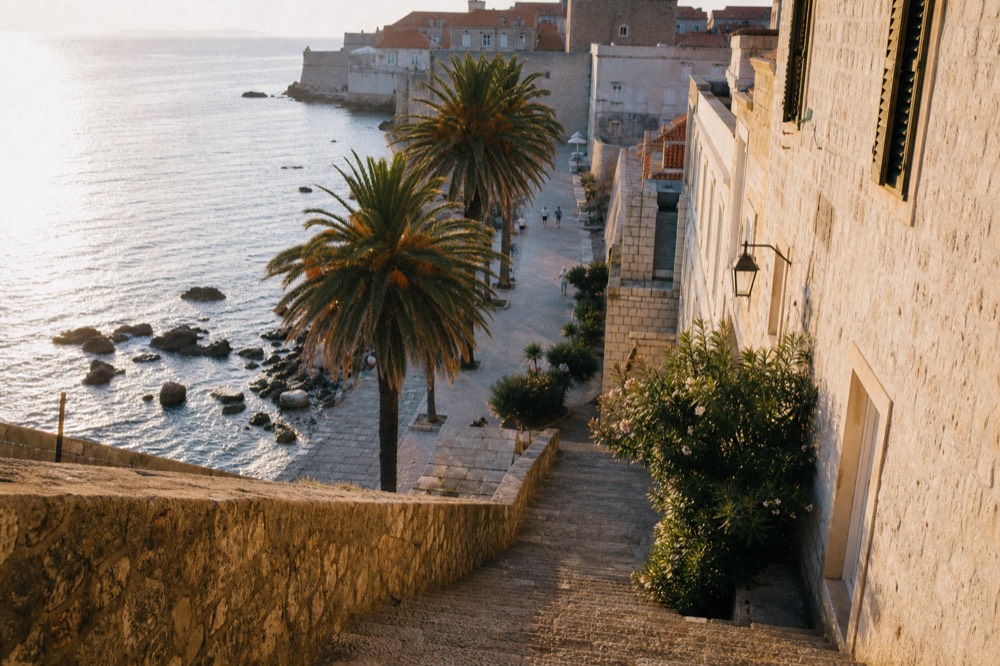
Dubrovnik is the opposite trade. Everything inside the walls is oriented to the visitor, prices reflect that, and the experience is more intense for it. Walking the walls at 08:00, before the crowds build toward the mid-morning peak, is one of the great two hours on the Mediterranean. The cable car to Mount Srd costs 30 euro round trip and gives the view that settles the argument for many people: red roofs, the Adriatic, and Lokrum floating just offshore.
| Factor | Split | Dubrovnik |
|---|---|---|
| Old core | Diocletian's Palace, lived-in | Walled Ragusa, visitor-oriented |
| Cost level | Lower across food and lodging | Higher, premium inside the walls |
| Transport links | Ferries to Hvar, Brač, Vis; buses inland | End of the line, fewer connections |
| Best for | A week with island hopping | A short highlight stay |
If you are choosing a base for a week, Split's transport links make the stronger case: ferries to Hvar, Brač and Vis, buses inland, and a bigger restaurant scene at lower prices. If the trip is a short highlight reel, Dubrovnik delivers more per hour. And if the dilemma is really about how to split a week between them, the answer is usually two or three nights in Split, then three or four in Dubrovnik, travelling between the two by bus or ferry, a route our Dubrovnik to Split transport guide covers in detail.
For travellers who want the comparison extended to the water, the next section takes the beach question on its own terms.
What Is the Best Way to Get From Dubrovnik to Kotor?
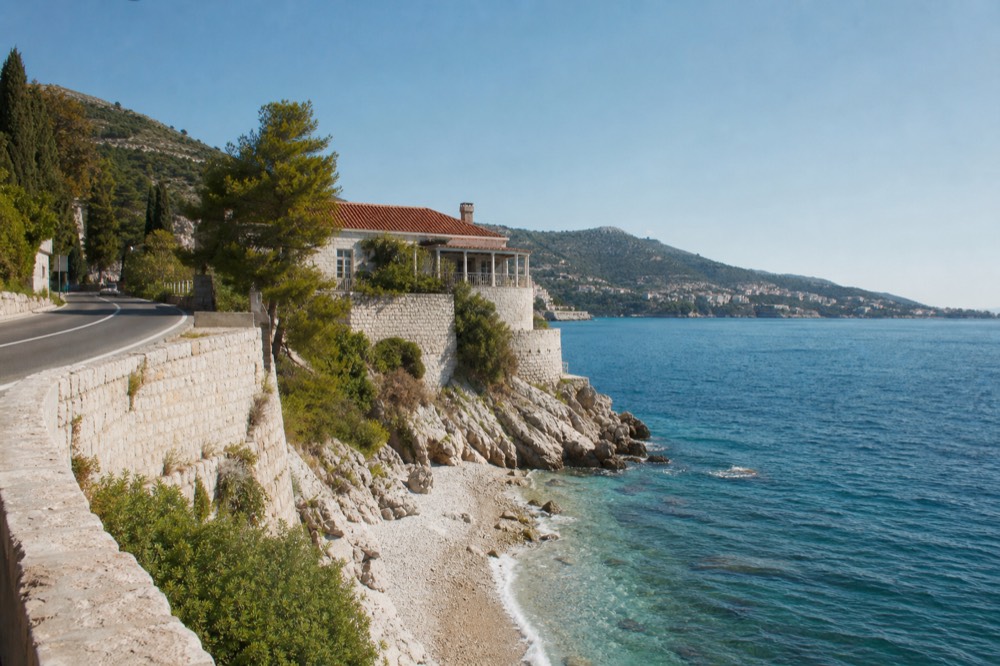
The best way for most visitors is a guided day trip from Dubrovnik, from $58 per person, because the drive is slow and the border crossing is unpredictable. Independent travellers take the bus, roughly 11 to 12 hours round trip door to door, or hire a driver. A rental car gives the most freedom, including stops in Perast and Herceg Novi, but parking in Kotor is scarce in season.
The road distance is modest but the driving is not. The coastal route from Dubrovnik to Kotor wraps around the Bay of Kotor, and the last stretch is a slow, scenic crawl. Add the Croatia to Montenegro border crossing, which can take minutes or more than an hour depending on the day and the season, and the journey becomes the kind of logistics that guided tours exist to absorb.
The guided option comes in two main shapes on this route. The standard Montenegro day trip runs from $58 per person and is rated 4.4 across 5,611 reviews. The version with an optional boat trip runs 11 to 12 hours, from $70.99 per person, rated 4.4 across 3,829 reviews, and adds a water-level view of the bay and Our Lady of the Rocks near Perast, which is the single best photo stop on the whole route. One recent guest review on the live listing noted that the border in September took the group only 15 minutes, which shows how variable the crossing is: a good day can be very good indeed.
Going independently, the bus is the budget choice. Buses run from Dubrovnik's station toward Kotor several times a day in season, and the ticket costs a fraction of a tour, but you are tied to the timetable and you carry the border wait yourself. A private transfer or a hired driver costs more and removes every variable, which matters if you are travelling with luggage or on a cruise-port day with a hard departure time.
| Option | Typical duration | Best for |
|---|---|---|
| Guided day trip | 11 to 12 hours | First visit, no border stress |
| Bus | Set by timetable | Budget travellers |
| Private driver | Flexible | Cruise-port days, luggage |
| Rental car | Flexible, early start advised | Stops in Perast and Herceg Novi |
A rental car is the middle path and my usual recommendation for anyone staying a week or more. You stop where the bay demands it, you set your own border timing by leaving early, and Kotor's old core is car-free anyway, so the car sits in a paid lot while you walk. Leave Dubrovnik by 07:30 and you will usually cross the border before the coaches do.
Which City Has Better Beaches, Split or Dubrovnik?
Split wins on quantity and access: sandy Bačvice in the centre plus a string of pebble beaches along the Marjan peninsula. Dubrovnik wins on drama and water colour, with Banje facing the Old Town walls and cove beaches like Sveti Jakov. Neither city has many true sandy beaches; both are pebble and rock, and the sea is warmest from June to September.
Croatian beaches are pebble and slab, not sand, and both cities follow the rule. Split's advantage is immediacy. Bačvice bay sits a few minutes from Diocletian's Palace, and the Marjan hill park spreads rocky swimming spots along its western shore, so a beach afternoon costs you nothing in travel time. For families, that walkability matters more than postcard quality.
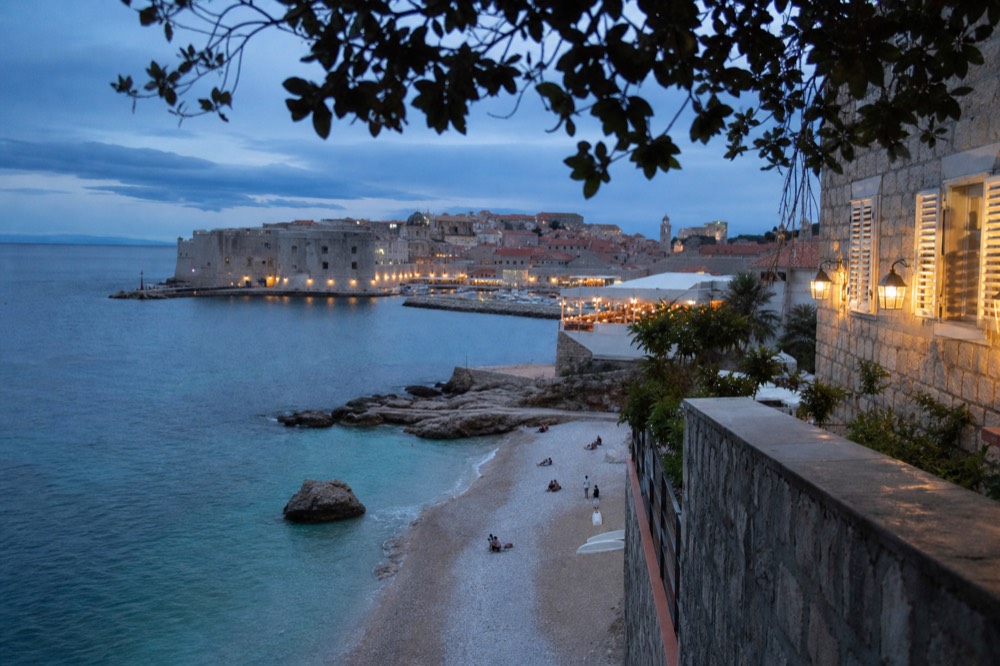
Dubrovnik's beaches are more scattered and more spectacular. Banje sits directly below the walls with the Old Town behind you in the water, Sveti Jakov demands a staircase descent and rewards it with the best view of the city from any beach, and Lapad bay holds the sandy-ish stretch most families end up on. The sea itself is a genuine draw: the September average for this coast is about 23.6 degrees, a long-run open-water average rather than a beach thermometer, and August averages about 25.8. Sheltered bays run warmer still.
| Beach factor | Split | Dubrovnik |
|---|---|---|
| Signature city beach | Bačvice, sandy, central | Banje, pebble, below the walls |
| Best view beach | Marjan peninsula coves | Sveti Jakov |
| Family pick | Bačvice | Lapad bay |
| Access from old core | Minutes on foot | Short walk or bus |
Kotor, for completeness, barely competes on beaches. Its bay water is swimmable but the shoreline is largely quay and stone; the beach towns sit further around the bay toward Herceg Novi. If swimming is central to your trip, that is a point for Croatia over Montenegro generally, not just for these two cities.
If you would rather swim from a boat than a shore, the Blue Cave and Sunj Beach boat tour, from $63.48 per person and rated 4.87 across 3,105 reviews, pairs a cave swim with the sandy shallows of Lopud's Sunj beach, a combination no city beach in either country matches.
How Do the Two Cities Compare on Crowds and Cost?
Dubrovnik is significantly more crowded and more expensive, and the gap widens in peak season. Dubrovnik's official Old Town carrying capacity is 11,275 people, counted by six entrance counters every 15 minutes, and September, not July, is its busiest cruise month. Kotor sees a fraction of the volume. Expect to spend roughly half in Kotor what you would in Dubrovnik on food and drink.
The crowd story in Dubrovnik is better documented than in almost any European city, because the city counts. Six counters at every Old Town entrance update a headcount every 15 minutes, published on the official visitors platform, and the accepted carrying capacity from the UNESCO assessment is 11,275 people. On a busy September morning the count climbs from 5,419 at 08:00 to a 7,739 peak at 10:00. The Port Authority limits cruise passengers to 8,000 a day in most cases, and even so, September and October outrank July and August for cruise arrivals.
What that means in practice: in Dubrovnik, timing is everything. Enter the walls at opening, do the Stradun before 10:00, and the city feels manageable. Arrive with the coaches at midday in September and you will understand the overtourism debate personally. Kotor gets its cruise days too, and its tiny core can feel full with two ships in port, but the volume is simply smaller, and by early evening the day-trippers have gone and the town reverts to its residents.
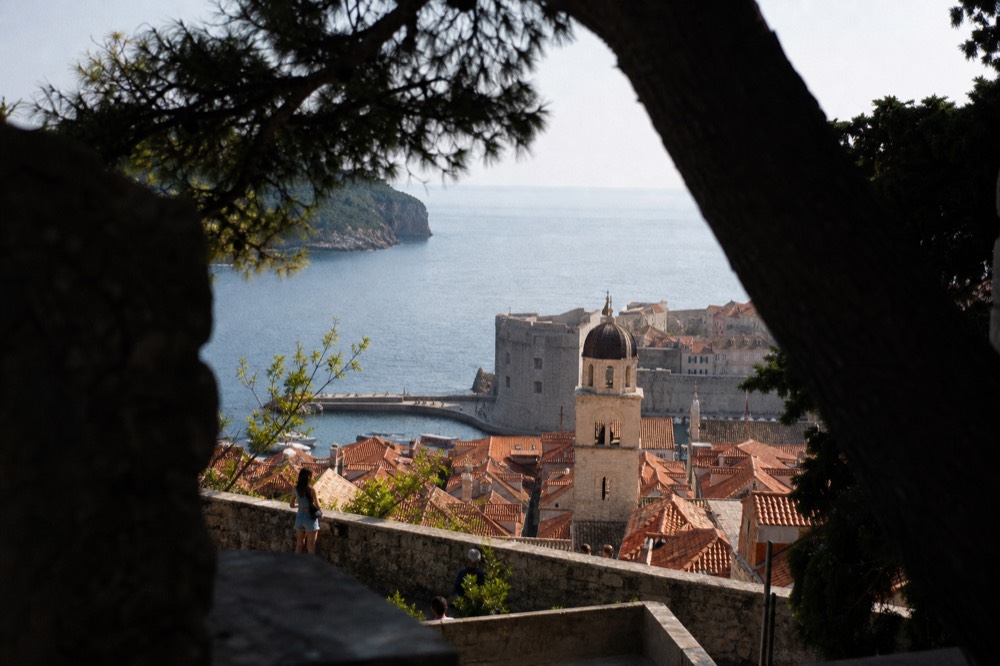
On cost, the pattern is consistent across every category. Dubrovnik's walls ticket is 40 euro in main season; Kotor's town walls and fortress entries are a few euro each. A sit-down dinner inside Dubrovnik's walls carries a premium of roughly a third to a half over equivalent meals in Kotor, and hotel rates follow the same curve, driven by the 4.2 million overnight stays the destination recorded in 2025. Alcohol, coffee and gelato all tilt the same way. Kotor is not cheap by Balkan standards, but next to Dubrovnik it feels forgiving.
| Cost item | Dubrovnik | Kotor |
|---|---|---|
| Main wall or fortress entry | 40 euro main season, 20 euro December | A few euro per entry |
| One-day city pass | 40 euro, ten sights plus bus | No equivalent pass needed |
| Dinner for two in the old core | Premium level | Roughly a third to a half less |
| Hotel rates | Driven by 4.2 million overnight stays in 2025 | Noticeably lower |
The one cost reversal worth knowing: if you are based in Dubrovnik and paying for a guided Kotor day trip, the excursion price can eat most of the saving. The trade is that you pay for certainty at the border and a guide who explains the bay, which, for a single day, many travellers consider money well spent.
Can You See Both Cities on One Trip?
Yes, easily, and it is the arrangement I recommend most often. Base four or more nights in Dubrovnik, take one guided or self-driven day trip to Kotor, and use a second day for either Mostar or the Elaphiti islands. The border makes Kotor a long day, roughly 11 to 12 hours with a tour, so do not plan it on the same day as your flight home or your walls walk.
The classic week looks like this. Nights one to four in Dubrovnik: walls at opening on day one, Lokrum or the cable car on day two, an island cruise on day three, and Kotor on day four. Lokrum's combined ticket is 30 euro including the return boat, with departures from the City Harbour at 09:00 and then every 15 minutes from 10:00 to 18:00, so it slots neatly into a lighter morning. The cable car closes January to March, so spring and autumn trips should check the timetable before promising anyone a sunset ride.
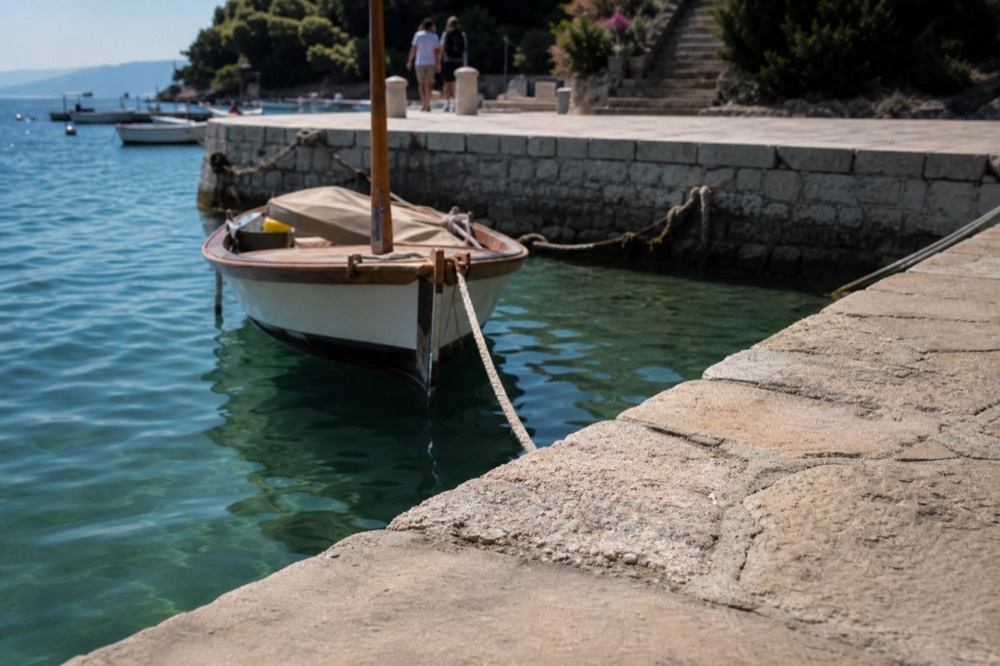
If you want a second contrast day, Mostar fills it well. The Mostar and Kravica Waterfalls day tour from Dubrovnik runs about 11 hours, from $53.19 per person in a small group, rated 4.8 across 1,254 reviews, and gives you Bosnia's most famous bridge plus a swim under a waterfall, a different kind of border-crossing day with the same guided logic. One guest on that route advised future travellers simply to bring euros, which is as practical as border advice gets.
The reverse arrangement, basing in Kotor and day-tripping to Dubrovnik, also works, and it saves money on accommodation. The trade-off is that Dubrovnik deserves its early mornings, and a day-tripper arriving at 11:00 never sees the city at its best. If walls and light are the point of your trip, sleep on the Croatian side.
For anyone still weighing the wider itinerary, the deeper comparisons are worth a read: our Split or Dubrovnik decision guide, the best month to visit Dubrovnik, and the best day trips from Dubrovnik all feed directly into this choice.
Common Questions About Dubrovnik vs Kotor
Which city is better to visit, kotor or dubrovnik?
Dubrovnik for spectacle, beaches and a bigger choice of tours; Kotor for price, atmosphere and the bay landscape. With three days or fewer, pick one. With five or more, base in Dubrovnik and day-trip to Kotor.
Is Kotor Cheaper Than Dubrovnik?
Yes, noticeably. Kotor's wall and fortress entries cost a few euro against Dubrovnik's 40-euro main-season walls ticket, and restaurant and hotel prices generally run well below Dubrovnik levels.
Can You Do Kotor as a Day Trip From Dubrovnik?
Yes. Guided tours run from $58 per person and take 11 to 12 hours including the border crossing. Independent options are the bus, a hired driver, or a rental car, which gives you stops in Perast on your own schedule.
Which City Is More Crowded?
Dubrovnik, by a wide margin. Its Old Town carrying capacity is 11,275 people, counts peak at 7,739 on busy September mornings, and September, not July, is its busiest cruise month. Kotor has busy cruise days but far lower volume overall.
Do You Need a Passport to Travel Between Dubrovnik and Kotor?
Yes. Croatia is in the Schengen area and Montenegro is not, so the border is a real international crossing with passport checks. Queues vary from minutes to over an hour, which is the main argument for taking a guided tour.