Dubrovnik Events Calendar: When Festivals, Crowds and Weather Collide
Dubrovnik's year is not one long season with a quiet edge. It is a rolling calendar of festival weeks, cruise peaks and sea-temperature swings, and the month you pick changes everything from ticket prices to how long you will queue at Pile Gate.
Short answer
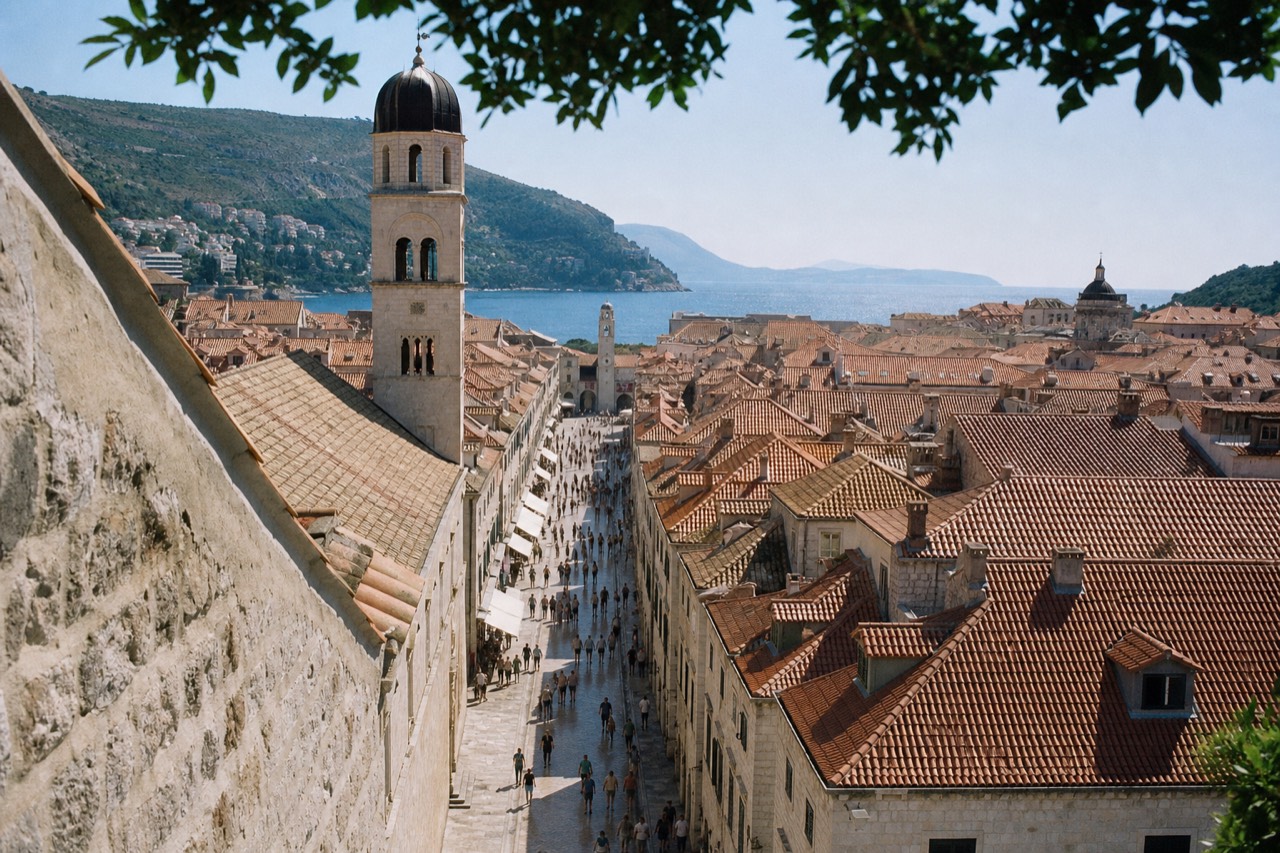
September is the strongest all-round month: cruise passengers peak at 101,246 but the sea still averages 23.6 degrees and the walls cost 40 euro. July and August are hottest and busiest on the Stradun, while December drops walls tickets to 20 euro with the fewest visitors. The rainiest stretch is late autumn, and January is the coldest month at 14.3 degrees sea temperature.
Dubrovnik Events Calendar: When Festivals, Crowds and Weather Collide
Dubrovnik's year turns on a handful of hard numbers, not on vibes. The Port Authority counted 625,257 cruise passengers in 2025, the sea off the city averages 25.8 degrees in August against 14.3 in January, and the walls operator charges 40 euro in main season and 20 euro in December. Build your trip around those swings and the calendar starts making decisions for you. This page is the hub: it lays out the whole year with verified figures, then hands you to the individual month guides and the event-specific pages where the detail lives. I walk these streets for a living, and the single biggest mistake I see is visitors booking a date before they know what that date actually holds.
What Is the Best Month to Visit Dubrovnik?
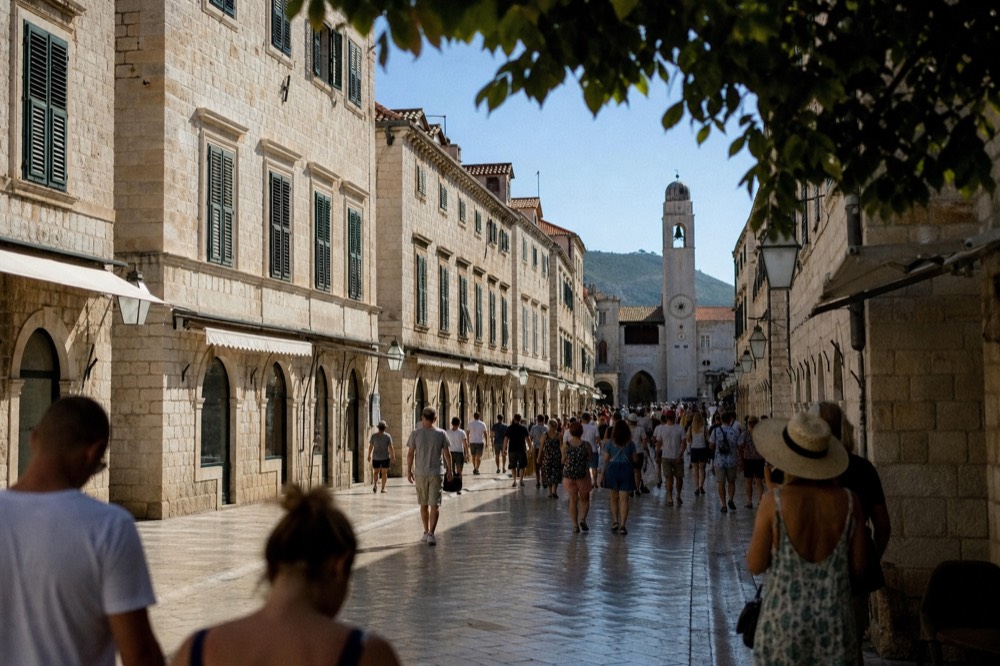
September wins on almost every measure that matters. The sea still averages 23.6 degrees, the cable car runs until 23:00 from the 15th of the month, and the full cultural calendar is still live after the summer programme. The trade-off is honest: September is also the busiest cruise month of the year, 101,246 passengers, ahead of even July and August, so the Old Town hums from mid-morning.
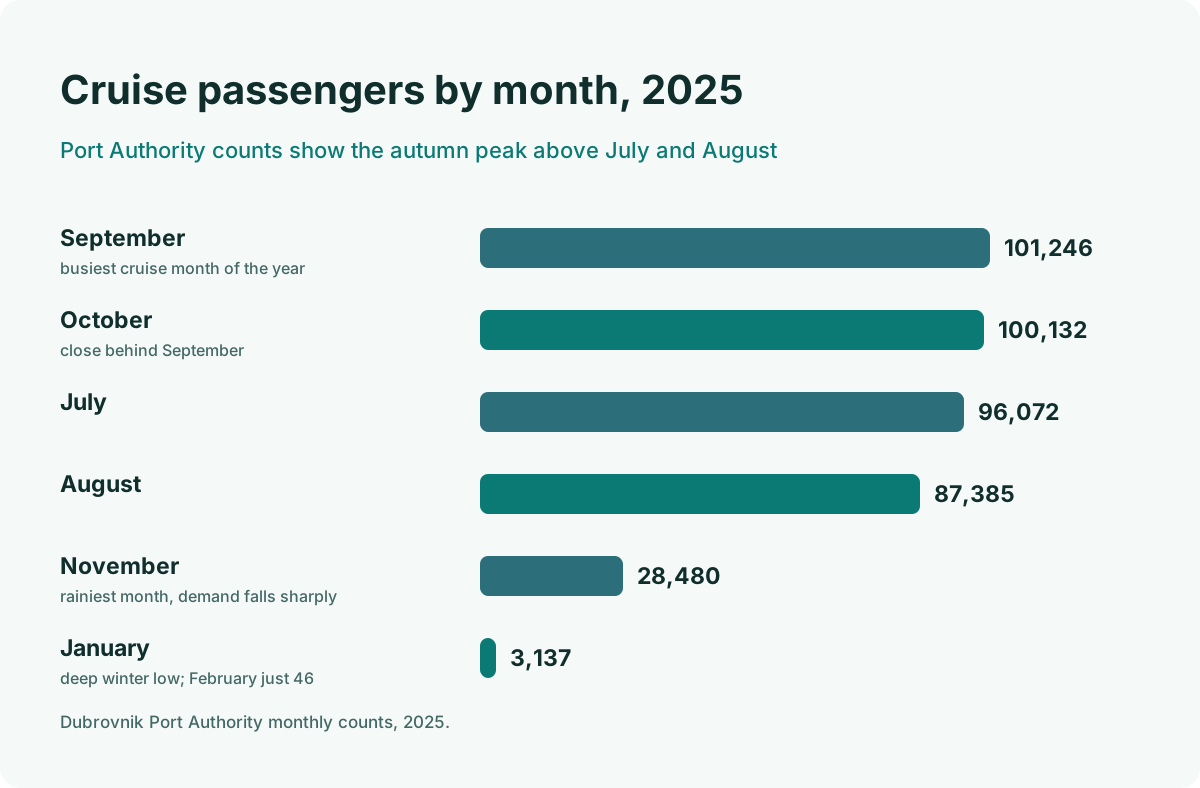
The counter-intuitive part deserves spelling out, because almost every generic travel article gets it backwards. Port Authority data shows cruise passengers peaked in September (101,246) and October (100,132) in 2025, above July (96,072) and August (87,385). The idea that the city empties the moment schools go back is simply wrong. What does change is the character of the crowds: fewer families, more couples and tour groups, and a city that stays warm enough for swimming well into the month.
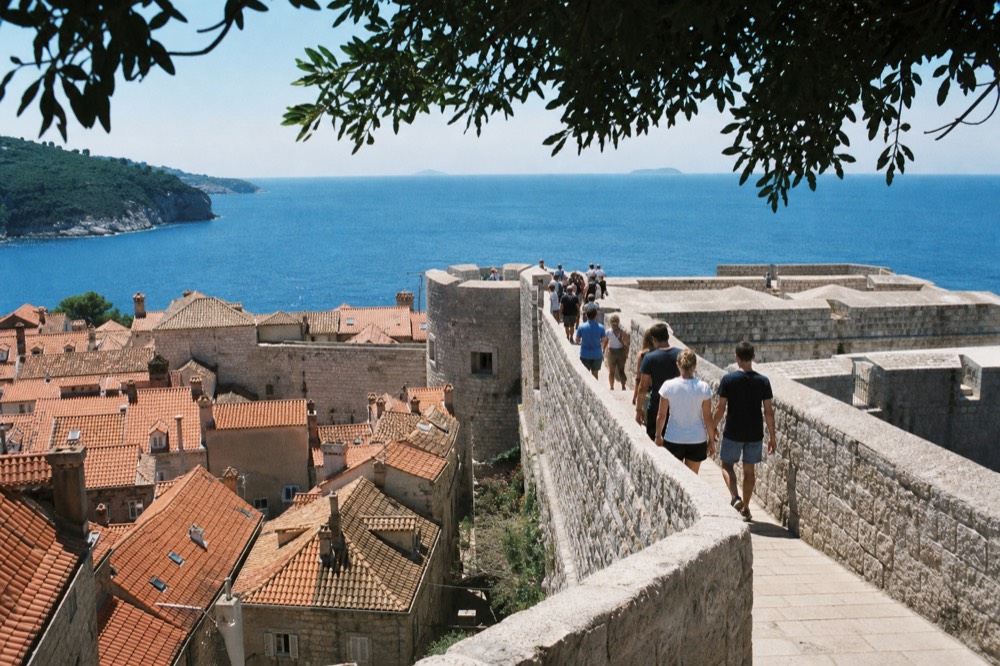
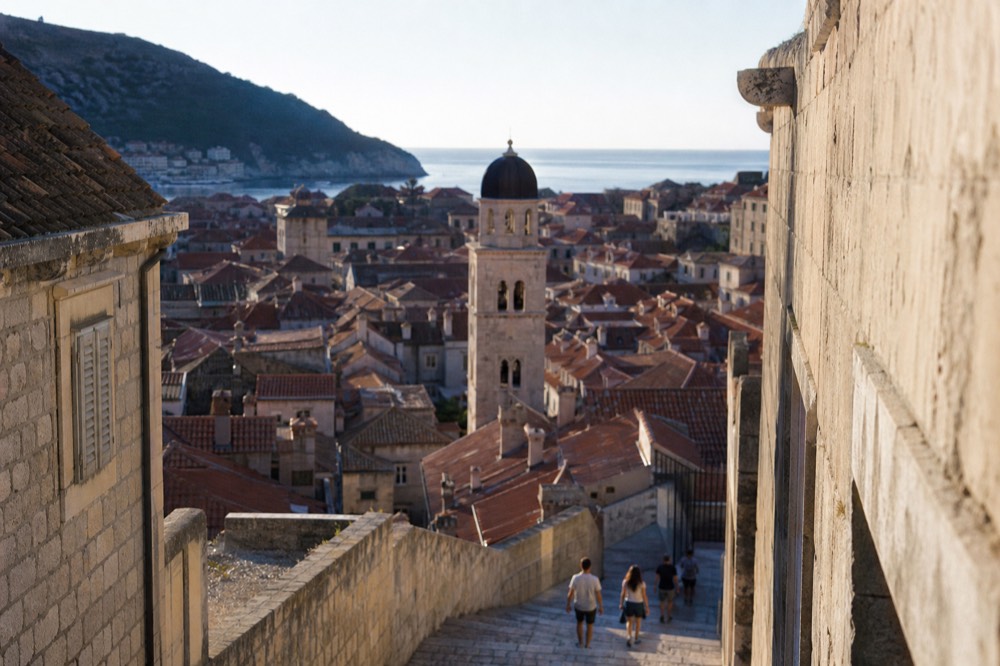
May and June are the connoisseur's answer. The June sea average of 22.5 degrees is already swimmable, the cable car runs to midnight, and the cruise counts sit below their autumn peak. May carries a 18.6 degree sea average, cooler but fine for kayaking, and the light in late spring is the best of the year for photographs from the walls. If your priority is the best views over the terracotta rooftops, aim for the shoulder months when the morning haze burns off slowly and the Adriatic reads as deep blue rather than washed-out.
For the full month-by-month breakdown, the Dubrovnik in September guide covers the peak-crowd month in detail, and the best time to visit guide weighs price against weather across the whole year. The short version: September for the complete package, June for balance, October for value with crowds still high, and May for the quietest warm month.
What Is the Rainiest Month in Dubrovnik?
Late autumn is the wettest stretch of the Dubrovnik year, with November the rainiest single month on the regional pattern, and the visitor numbers agree: November 2025 saw cruise passengers fall to 28,480 from October's 100,132. The sea drops to an 18.5 degree November average, and the cable car cuts back to reduced October hours onward. Rain here arrives in short, heavy bursts rather than all-day drizzle.
I want to be careful with this one, because the verified facts pack for this site does not carry a monthly rainfall series, and I will not invent one. What the pack does carry is the pattern around the rain: the sea-temperature curve from NOAA's 1991 to 2020 long-run average shows October at 21.0 degrees falling to 18.5 in November and 16.0 in December, and the Port Authority's monthly passenger counts show demand collapsing across exactly the same window. When the weather turns, the city genuinely quietens, and that is when hotel rates and crowd pressure both drop.
The practical response to a wet day is not cancellation, it is substitution. The walls stay open, the museums stay open, and a heavy shower over the Adriatic from a café window on the Stradun is its own small event. The rainy day things to do guide lists the indoor options in order of merit, and the Dubrovnik Pass becomes better value precisely in this season because you will move between museums rather than beaches. One seasonal trap to avoid: the Western Outer Wall section is closed in December, January and February, so a winter walls walk is a shorter circuit than the summer one.
A rainy-day plan still deserves a good guide, and these three are the ones I would shortlist for a shoulder-season visit, from a focused walls history walk to a full Old Town and walls combination.
The walls-and-wars walk in that band is the two-hour option, rated 4.8 across 1,387 reviews and priced from $29.58 per person, and it is the one I would pick on a day when the clouds are moving fast, because the guide fills the sheltered stretches with story while the open bastions give you the views between showers.
What Is the Coldest Month in Dubrovnik?
January is the coldest month, with a sea-surface average of 14.3 degrees against February's 14.0, and the January air on the Stradun can feel sharper than the numbers suggest when the bora wind funnels down the side streets. The cable car is closed January to March, and cruise traffic collapses to 3,137 passengers for the whole month. The walls stay open and cost 20 euro.
That February figure of 14.0 degrees is technically the lowest sea reading in the NOAA series, but January is the month that feels coldest on land, and the Port Authority data backs the intuition: January 2025 carried 3,137 cruise passengers and February just 46, which tells you how dead the deep winter visitor economy is. The walls operator's off-season pricing runs 1 December to the end of February, with the adult ticket at 20 euro and child 7 to 18 at 5 euro, under 6 free. There is no family ticket at any price, in any season.
Winter in Dubrovnik is not a poor relation, it is a different city. The Stradun belongs to locals, the Dubrovnik in winter guide covers what stays open, and the Christmas and New Year period is its own brief high season before the January lull. The honest caveat is the cable car: it is closed January to March, so the classic Mount Srd panorama is off the table in the coldest months, and the mount Srd guide explains the alternatives. If a winter trip is on your list, the trade is simple: the cheapest walls ticket of the year and empty streets, against short days, a cold sea and one major attraction shuttered.

Which Months Draw the Biggest Crowds?
The crowd peak is not where most people expect it. Cruise passengers in 2025 peaked in September at 101,246 and October at 100,132, both above July's 96,072 and August's 87,385, and the official carrying capacity of the Old Town is 11,275 people, measured by six counters at every entrance updating every 15 minutes. The busiest hours are late morning, not midday.
The counting system is the part worth knowing about, because it changes how you plan a day. A real half-hourly curve read on 8 September 2026 shows the Old Town holding 1,200 people at 04:00, 3,139 at 07:00, 5,419 at 08:00, 7,297 at 09:00, a 7,739 peak at 10:00, then 7,205 at 11:00. The message is blunt: by 10:00 the day's damage is done. If you want the Stradun and the walls to yourself in peak season, you are walking at 08:00 or you are not walking in peace at all. The what time of day is best to walk the walls answer page takes this further.
The Port Authority also caps the inflow: cruise passengers are limited to 8,000 a day in most cases, out of 243 cruise days a year only 18 exceed that number, and only 4 days a year run slightly above 10,000. About forty call requests were refused in a single season. For the rest of 2026 the schedule holds 149 ship calls across 80 cruise days, 217,458 passengers by capacity, with the busiest days being 6 October (2 ships, 5,798), 29 September (2, 5,675), 30 September (3, 5,536) and 15 September (4, 5,273). Those are ship capacity figures, not people who actually walk ashore, so read them as a ceiling, not a headcount. The cruise schedule guide tracks the detail.
Crowd pressure is exactly the problem a guided walk solves, because a guide knows which staircase empties and which courtyard stays quiet while the Stradun fills. This is the tour I would put in front of anyone whose one free morning coincides with a heavy cruise day. The rest of the planning pages sit on Things to Do in Dubrovnik.
The two-hour format matters here. On a crowded day, a long tour spends more of its runtime fighting foot traffic, while the two-hour walls-and-wars circuit hits the high points, the 1,940-metre circuit's best bastions and the stories behind them, before the 11:00 crush settles in for the afternoon.
What Does a Month-by-Month Dubrovnik Calendar Look Like?
The year splits into five real seasons: a dead winter (January to February), a building spring (March to May), a full summer (June to August), a peak-crowds autumn (September to October) and a quiet, wet November. The sea runs from a 14.0 degree February low to a 25.8 degree August high, cable car hours stretch from closed in winter to midnight in summer, and the walls price drops to 20 euro only in December.
Here is the sea-temperature spine of the year, from NOAA's OISST v2.1 long-run 1991 to 2020 average for the open water off Dubrovnik. These are grid-cell averages, not beach thermometer readings, and sheltered bays run warmer: the Croatian met service's own Dubrovnik buoy read 27.0 to 27.4 degrees on 8 September 2026 against a 23.6 September mean. For swimming planning, the swimming season guide is the detailed companion.
| Month | Sea Average (°C) | Swimmable? | Character |
|---|---|---|---|
| January | 14.3 | No | Quietest month, cable car closed |
| February | 14.0 | No | Coldest sea of the year |
| March | 14.2 | No | Walls main season starts on the 1st |
| April | 15.4 | Brief dips | Cable car reopens, 09:00 to 21:00 |
| May | 18.6 | Yes, fresh | Quietest warm month |
| June | 22.5 | Yes | Full season, midnight cable car |
| July | 24.9 | Yes, warm | Hot, busy, 96,072 cruise passengers |
| August | 25.8 | Yes, warmest | Peak heat, 87,385 cruise passengers |
| September | 23.6 | Yes | Best all-rounder, biggest cruise month |
| October | 21.0 | Yes, cooling | Second cruise peak, 100,132 |
| November | 18.5 | Hardy only | Wettest stretch, crowds gone |
| December | 16.0 | No | Walls at 20 euro, festive season |
Layer the ticket prices on top and the value case for each month sharpens. The walls and the Dubrovnik Pass share the same 40 euro price in main season, 1 March to 30 November, and that equivalence is a main-season fact only: in December the walls ticket falls to 20 euro and no pass tier is on sale at all, so the pass-versus-walls comparison is false in winter. The Dubrovnik Pass guide works through the full inclusion list.
| Item | Main Season (1 Mar to 30 Nov) | December |
|---|---|---|
| City Walls adult (includes Lovrijenac) | 40 euro | 20 euro |
| City Walls child 7 to 18 | 15 euro | 5 euro |
| Child 6 and under | free | free |
| Dubrovnik Pass, one day | 40 euro | not on sale |
| Dubrovnik Pass, three days | 50 euro | not on sale |
| Dubrovnik Pass, seven days | 60 euro | not on sale |
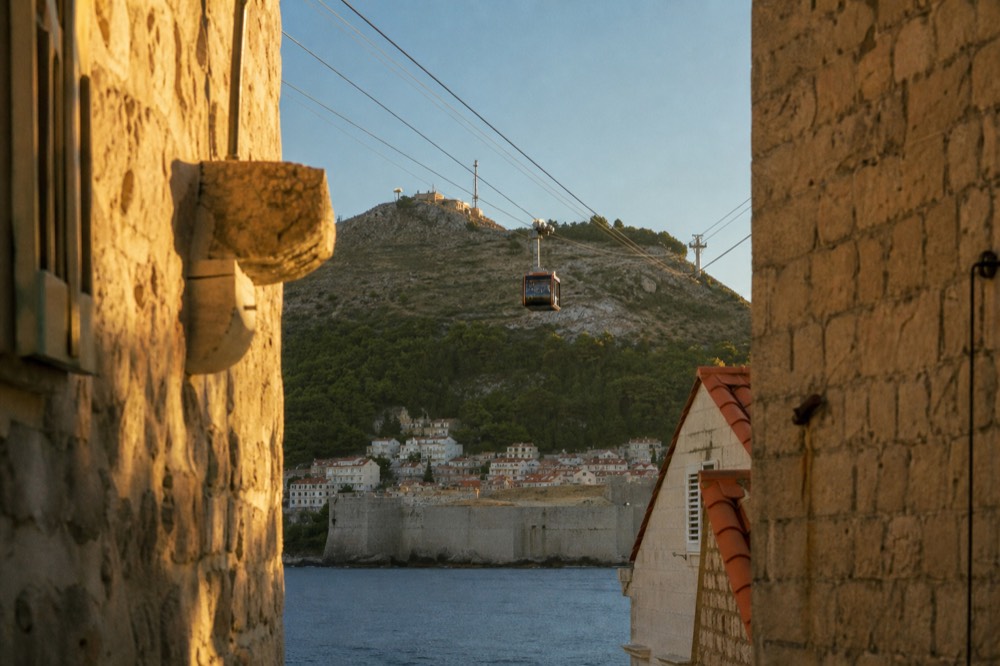
The cable car adds its own rhythm, and its hours are the clearest single signal of how the operator reads each month's demand. January to March it is closed outright; by June, July and August it runs 09:00 to midnight. The cable car tickets guide covers pricing, which runs 30 euro adult round trip in 2026 with children 4 to 12 at 8 euro.
| Period | Cable Car Hours |
|---|---|
| January to March | closed |
| April | 09:00 to 21:00 |
| 1 to 14 May | 09:00 to 22:00 |
| 15 to 31 May | 09:00 to 23:30 |
| June to 14 September | 09:00 to midnight |
| 15 to 30 September | 09:00 to 23:00 |
| October onward | reduced hours |
Which Tours Fit Each Season Best?
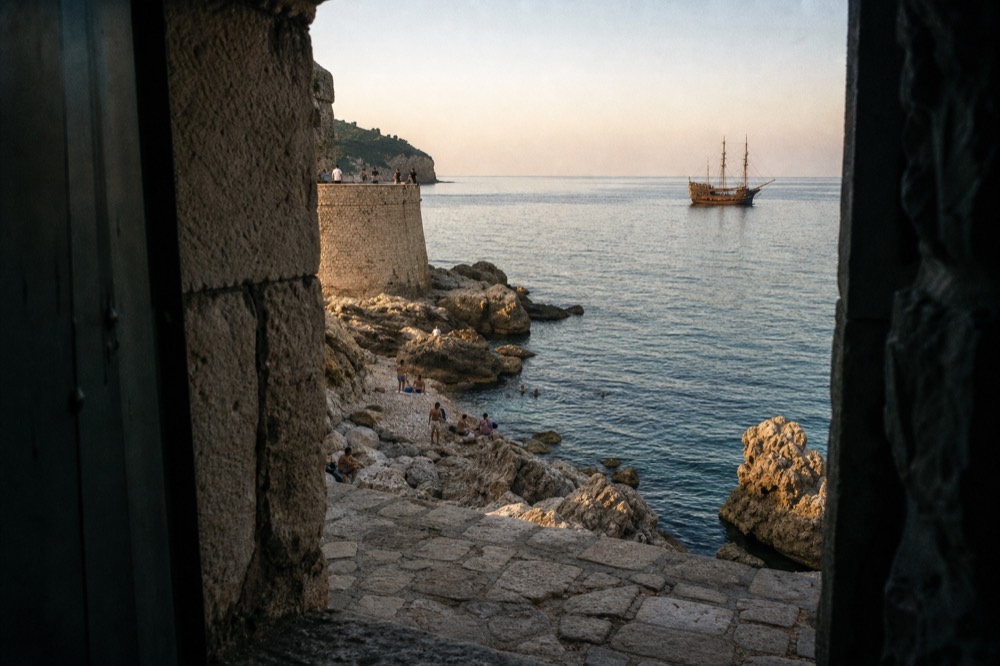
Match the tour to the month, not the other way round. Boat cruises belong to June through September when the sea averages 22.5 degrees or better, the walls walk earns its price from March through November, and sunset sailing shifts later as the season stretches, with a 1.5-hour adults-only cruise on the Karaka ship running from 59 euro. Winter visitors should weight their plans toward food, museums and the 20 euro walls ticket.
The island cruises are the clearest seasonal case. The full-day Elaphite Islands cruise with lunch, from $59.16 per person and rated 4.9 across 10,312 reviews, is the most reviewed product in the city's whole roster, and it is at its best in the months when the sea is warm enough that the swim stops are a pleasure rather than an endurance. A June to September window is the sweet spot; by late October the 21.0 degree average makes the swimming breaks brisk.
This was a wonderful day. Nice and shaded on the boat as we cruised on the cool adriatic. Loved seeing the neat Elphiti Islands and a wonderful way to get out the the heat and large crowds for a bit. They kept the drinks flowing and lunch was phenomenal and a generous portion. This is the way to cruise the Adriatic.
Shelby_S
That review captures the real function of an island day in peak season: it is the one full day that takes you physically away from the crowd counter's 7,739-person peak. The Elaphiti Islands guide covers the islands themselves, and the boat tours guide compares the cruise options.
For the walls, the season changes the product more than people expect. In main season the 40 euro ticket covers the full circuit plus Fort Lovrijenac, whose sea rock rises 37 metres, and the Western Outer Wall, though that section closes December through February. A guided walk in the shoulder months is a different experience from the same walk in August: same stones, same 1,940 metres, but the pauses at the bastions are calmer and the guide can hold the group's attention at the viewpoints instead of steering around traffic. The city walls guide is the deep reference.
This well organized tour helped put Dubrovnik's past (and present) into perspective. It's incredible that the city walls have withstood the test of time. Antun was a wonderful guide.
linda_a
The sunset cruise is the flexible one, the tour that fits almost any month from April to October, because a 1.5-hour commitment does not depend on a warm sea, only on a clear evening. The Karaka ship's adults-only panoramic sunset cruise runs from $59 per person, rated 4.8 across 833 reviews, and the sunset spots guide lists where to stand if you would rather watch from land for free.
| Tour Type | Best Months | Why |
|---|---|---|
| Full-day island cruise | June to September | Sea averages 22.5 degrees or warmer, swim stops comfortable |
| City walls guided walk | April to June, September to October | Full circuit open, cooler staircases, thinner crowds |
| Sunset cruise | April to October | Short commitment, evening light, no swimming needed |
| Kayaking | May to September | Sea from 18.6 to 25.8 degrees, calm mornings |
| Food and wine walk | All year | Indoor stops, best value in the quiet months |
| Cable car and panorama tours | April to December | Cable car closed January to March |
How Do You Time a Visit Around the Cruise Schedule?
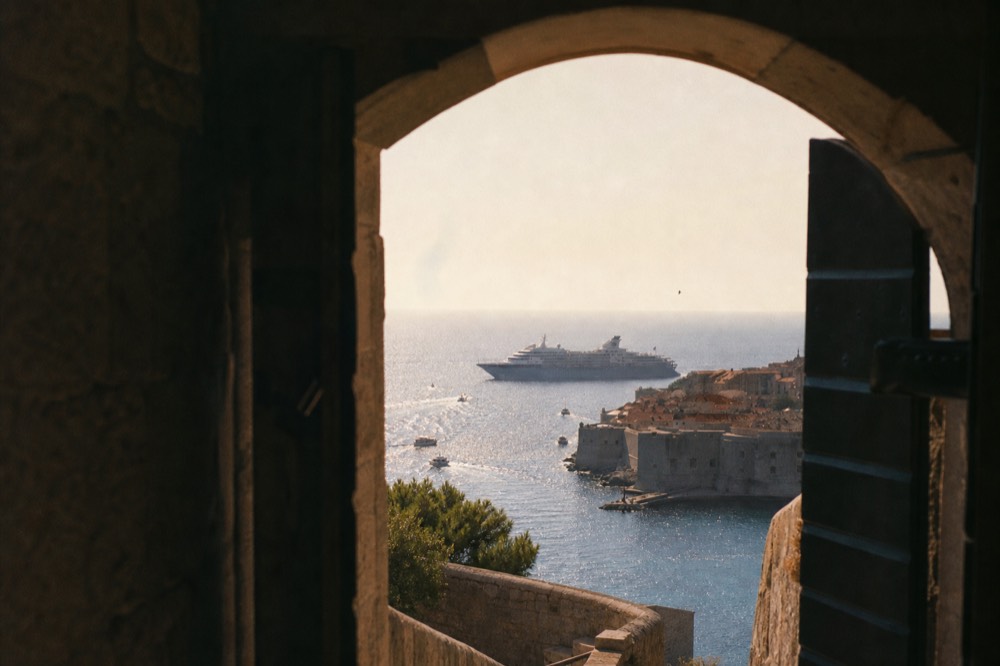
Check the port calendar before you book, not after. The Port Authority publishes its statistics openly, 461 cruise calls are scheduled for 2026, and the remaining season's heaviest days are 6 October (2 ships, 5,798 passengers by capacity), 29 September (2, 5,675), 30 September (3, 5,536) and 15 September (4, 5,273). A single heavy morning can put the Old Town near its 11,275-person carrying capacity by 10:00.
The Port Authority's own statistics application is the primary source, and it is public: you can read the monthly passenger series and the schedule yourself at the Port Authority statistics page. The crowd-management rules, including the 8,000-passenger daily limit and the "2+1" berthing arrangement, are stated on the Port Authority's cruise destination page. Ignore the paraphrases you will read elsewhere, including the "two ships a day" framing, which is trade-press shorthand rather than the Port Authority's own wording.
The strategy that falls out of the data is simple. If you are staying several days, put your walls walk and your Old Town wandering on the lighter cruise days and give the heavy days to the islands, the kayak routes or a Mostar day trip that takes you out of the city entirely. If you are on a short visit and cannot choose your days, then go early: the counter curve shows 5,419 people by 08:00 against a 7,739 peak at 10:00, and that two-hour gap is the difference between the Dubrovnik of the photographs and the Dubrovnik of the queue. The walls operator's stated hours at time of check were 08:00 to 19:30, so an opening-hour start is always possible in season.
One more timing layer: the city's own visitor platform publishes the arrival prediction data that the counters feed, and the overtourism guide explains what the city is doing about the peaks. For a longer read on how Dubrovnik's 4.2 million overnight stays in 2025 compare with the rest of Croatia, the Croatian Bureau of Statistics release is the primary record at the DZS tourism release. The walls' own dimensions and history come from the walls operator's official page, which is also where the 1,940-metre circuit figure lives.
For anyone planning around a port day rather than a stay, the cruise port to Old Town guide covers the transfer, and the one day itinerary sequences a single day against exactly the crowd curve described above.
Before you lock your dates, here are the three tours that anchor a well-timed visit at any point in the main season.
Common Questions About the Dubrovnik Events Calendar
What Is the Best Month to Visit Dubrovnik?
September is the strongest all-round month: the sea averages 23.6 degrees, the cultural calendar is still full, and the cable car runs until 23:00 from the 15th. The trade-off is that September is also the busiest cruise month, 101,246 passengers in 2025. June and May offer the best balance of warmth and thinner crowds.
What Is the Rainiest Month in Dubrovnik?
Late autumn is the wettest stretch, with November the rainiest month on the regional pattern. Visitor numbers collapse across the same window: November 2025 carried 28,480 cruise passengers against October's 100,132, and the sea average falls from 21.0 to 18.5 degrees. Rain tends to arrive in heavy bursts rather than all-day drizzle.
What Is the Coldest Month in Dubrovnik?
January is the coldest month, with a 14.3 degree sea average, and February's 14.0 degrees is the lowest sea reading of the year. The cable car is closed January to March, cruise traffic falls to 3,137 passengers for the whole of January, and the walls ticket drops to 20 euro in the off-season window.
What is the best month to go to Dubrovnik?
For most travellers, September: warm sea, full programme, long cable car hours. If avoiding crowds matters more than swimming, choose May, when the sea averages 18.6 degrees and cruise counts sit well below the autumn peak.
Do the City Walls Cost the Same All Year?
No. The adult walls ticket is 40 euro in main season, 1 March to 30 November, and 20 euro in December. The 40 euro one-day Dubrovnik Pass matches the walls ticket in main season only, because in December no pass tier is on sale at all. The child ticket runs 15 euro in season and 5 euro in December, with under 6 free year round.
When Is the Old Town Most Crowded?
Counter data shows the Old Town peaking at 10:00, with 7,739 people inside on a measured September morning and 5,419 already there by 08:00. September and October draw more cruise passengers than July and August. Walk early, and give heavy cruise days to islands or day trips.