Kotor From Dubrovnik: A Complete Day Trip Guide
Kotor is the day trip that changes the view twice in one morning: the Dalmatian coast on the way out, a fjord-like bay ringed by grey mountains when you arrive. Here is how to plan it from Dubrovnik, honestly.
Short answer
A Kotor day trip from Dubrovnik runs roughly 11 to 12 hours on an organised tour, from $58 per person for the standard trip or from $70.99 with an optional boat ride. You need a passport, euros for Montenegro, and patience for the border. Tours run year-round and the best-rated options carry 4.4 across thousands of reviews.
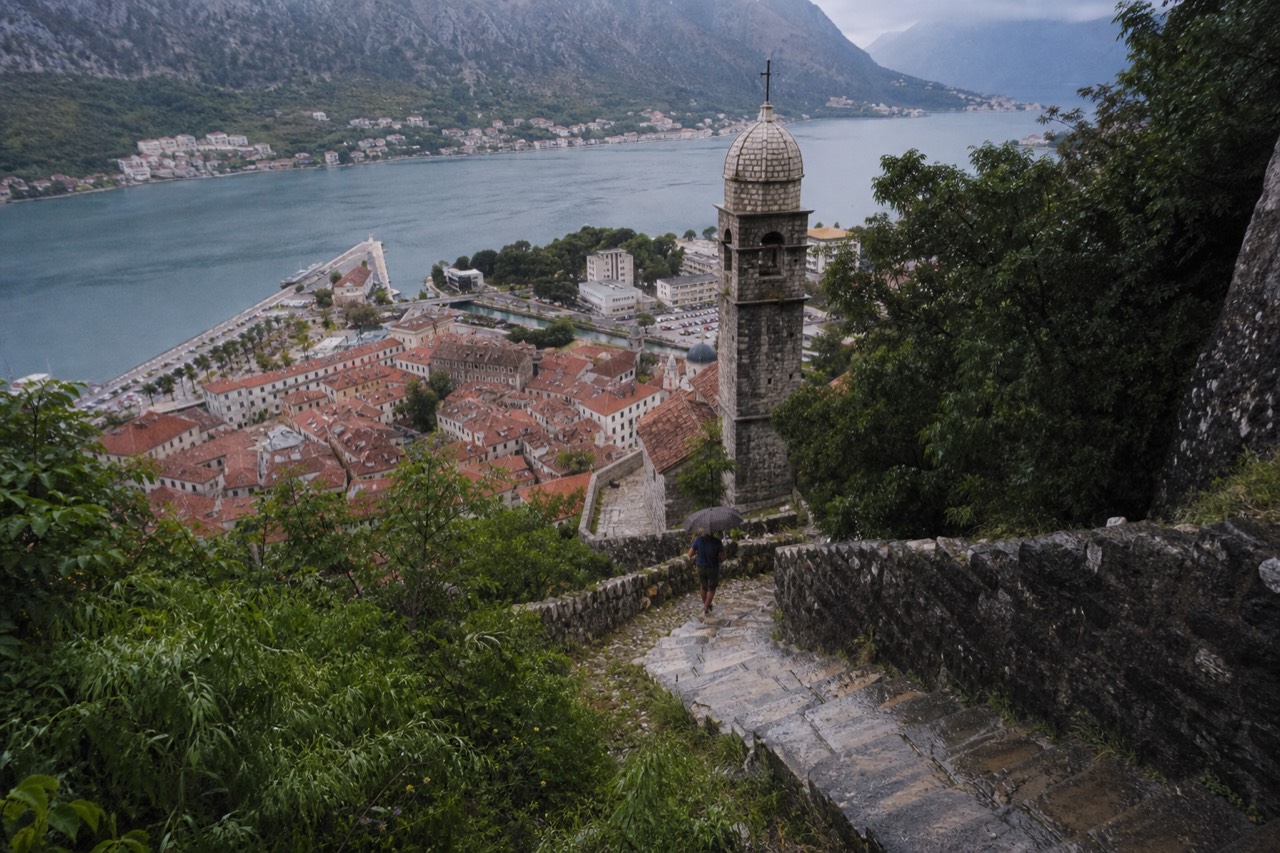
The road south out of Dubrovnik gives you about twenty minutes of Croatia before the border at Debeli Brijeg, and then Montenegro opens up: a narrow coastal strip, the Bay of Kotor bending inland, and grey limestone walls that look closer to the Alps than to the Adriatic you just left. I have driven this route with visiting friends more times than I can count, and the reaction at the first sight of the bay is always the same. People lean forward in their seats.
Kotor is the headline attraction on that road, a small walled town sitting at the deepest point of its bay, and it is one of the two best-selling day tours out of Dubrovnik, the other being Mostar in Bosnia and Herzegovina. This guide covers whether the trip is worth your day, what the organised tours cost and include, what the border crossing actually involves, and how Kotor stacks up against the alternatives. Everything here comes from the operators' own listings and the official sources I use across this site.
Is Montenegro Worth a Day Trip From Dubrovnik?
Yes, for most travellers Montenegro is worth the day, because the Bay of Kotor delivers scenery that Dubrovnik simply cannot match: a mountain-ringed bay, a second walled Old Town with a completely different history, and Perast's island churches on the water. The trade is a long day, a passport check in both directions, and less time in Dubrovnik itself. If your stay is three days or fewer, the maths gets harder.
The honest framing is this. Dubrovnik is a dense, walkable, intensely beautiful city that rewards slow time: the walls in the morning, a swim in the afternoon, the Stradun after dark. A day trip to Montenegro removes one of those days and replaces it with landscape, a border crossing and a different country. Travellers on a short stay often regret losing the Dubrovnik day. Travellers with four days or more almost never do.
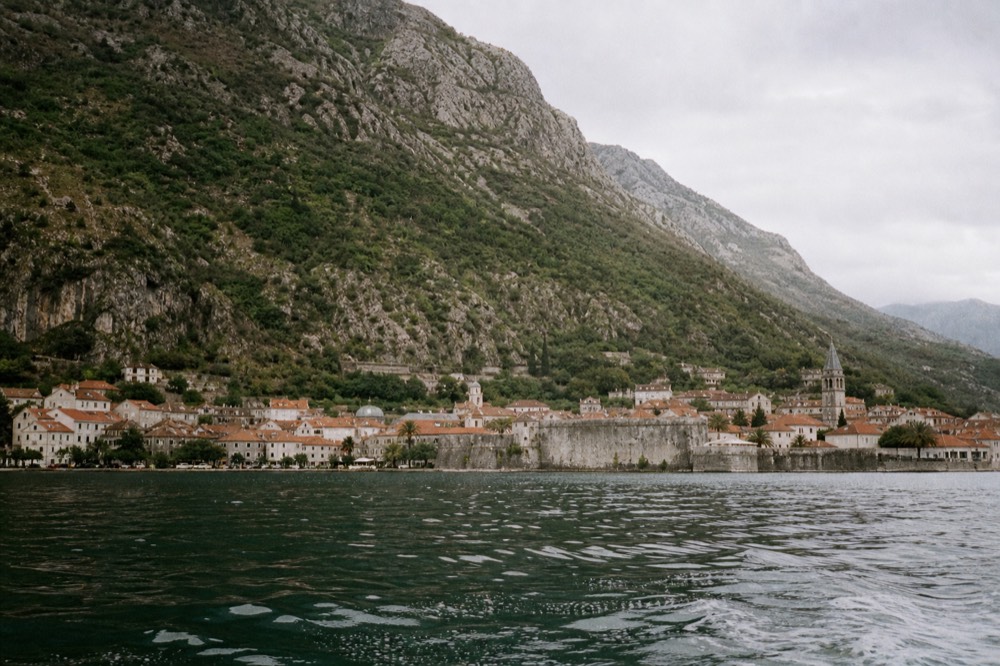
What Montenegro gives you is scale. The Bay of Kotor is a drowned river canyon, and the mountains come down to the water so steeply that the towns along the shore look pressed flat against them. Kotor's Old Town itself is compact, a maze of small squares and Romanesque churches inside walls that climb the hillside above the town. It is UNESCO-listed in its own right, like Dubrovnik, but it feels rougher and quieter, with cats in the alleys and laundry hanging over side streets.
There is also the practical pleasure of a second country in one trip. Two currencies, two languages, two very different histories, all within a couple of hours of your hotel. For American and other long-haul visitors especially, that density of experience is rare at home and is a genuine reason to spend the day.
Is a Day Trip From Dubrovnik to Montenegro Worth It?
For most visitors, yes: the organised trip costs from $58 per person for the standard tour, rated 4.4 across 5,611 reviews, and roughly 11 to 12 hours door to door. It is worth it if you want the bay's scenery without renting a car or managing the border yourself. It is not worth it if you hate long bus days or have only two nights in Dubrovnik.
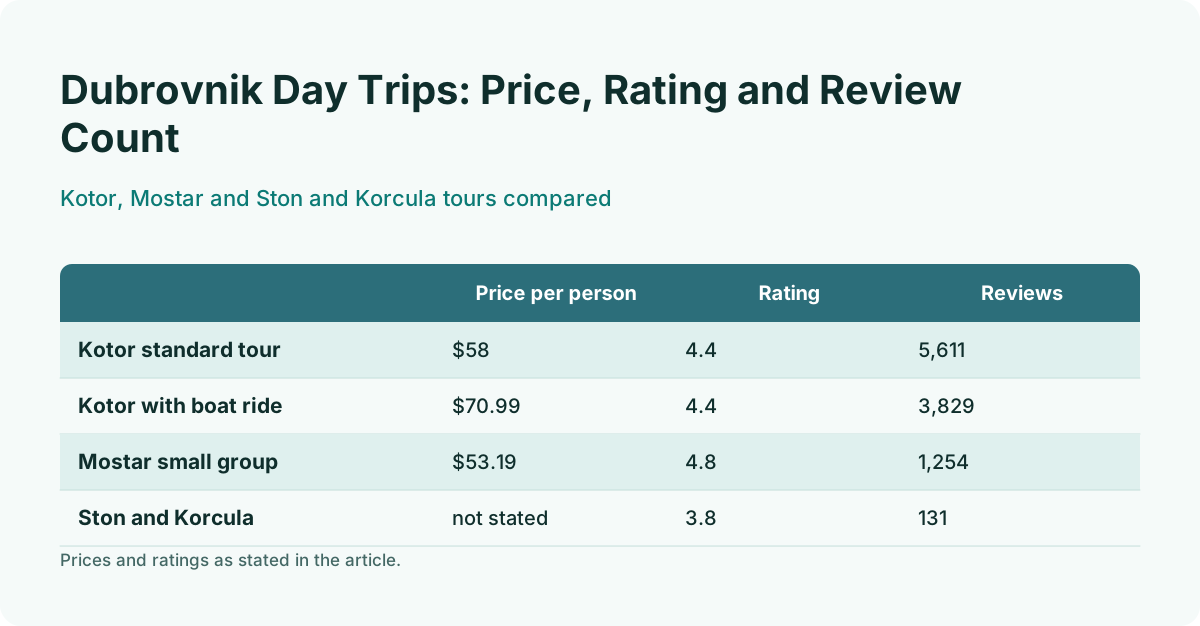
The value case rests on what the tour removes. Driving yourself means the Debeli Brijeg border queue twice, parking in Kotor in high season, and working out Perast's boat schedules on the fly. The organised trip bundles all of that. The standard option, run by Super Tours Travel Agency, runs from $58 per person and carries a 4.4 rating across 5,611 reviews. A second option from the same family of operators adds an optional boat trip and runs 11 to 12 hours, from $70.99 per person, rated 4.4 across 3,829 reviews.
One recent review on the live listing captures the experience well, border and all:
We booked the semi-private tour. 6 people total. Robert was fantastic! He was so knowledgeable and enthusiastic about everything. The tour was well organized and we had just the right time at the spots. Extremely satisfied with this tour and would certainly recommend to anyone. Also the border in September only took us 15 minutes.
Nithya
That border line matters. The crossing can be fifteen minutes in shoulder season or well over an hour on a summer Saturday, and no operator controls it. Build your expectations around the queue, not around the timetable.
The three trips above are the main rivals for your day, and I will compare them properly lower down. For now, the short version: Montenegro wins on scenery, Mostar wins on drama and history, and the Ston and Korčula trip wins on food and pace, with no border at all.
What Does the Journey From Dubrovnik to Kotor Look Like?
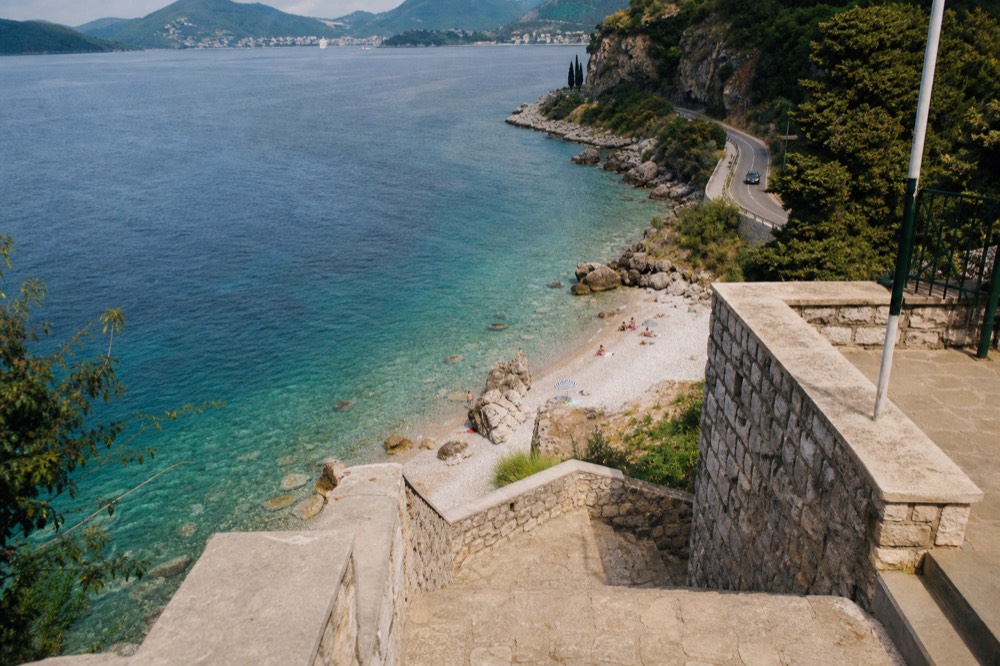
The journey is roughly 11 to 12 hours on an organised tour, leaving Dubrovnik early in the morning and returning after dark in summer. You cross the Croatia-Montenegro border at Debeli Brijeg, follow the coastal road past Herceg Novi, and reach the Bay of Kotor at its outer mouth before driving around it to Kotor town. Most tours stop at a viewpoint above the bay and in Perast.
I say this as someone who has made the drive many times: the first hour, along the Dubrovnik riviera and down to the border, is pleasant but unremarkable. The moment worth waiting for comes after Herceg Novi, when the road turns inland along the mouth of the bay and the Verige strait opens up in front of you. From there the scenery does not really stop until you are back in Croatia.
A typical organised itinerary looks like this. Pick-up in Dubrovnik between roughly 07:00 and 08:00, depending on your hotel's position on the route. The border crossing, timing entirely dependent on traffic. A photo stop at a viewpoint over the bay. Perast, the small baroque town on the shore, usually with an optional boat ride out to Our Lady of the Rocks, the man-made island church just offshore. Then Kotor itself, with two to three hours of free time for lunch and the Old Town, before the return leg and a second border crossing.
| Stage of the day | What happens | What to watch for |
|---|---|---|
| Early pick-up | Hotel or nearest stop collection, 07:00 to 08:00 window | Have your passport in hand, not buried in a suitcase |
| Border, outward | Croatia exit and Montenegro entry at Debeli Brijeg | Queue length varies hugely; stay on the bus unless told otherwise |
| Bay viewpoint | Photo stop above the Bay of Kotor | The classic shot of the full bay bend |
| Perast | Short town stop, often with optional boat to the island church | Optional boat is paid locally if not included |
| Kotor Old Town | Two to three hours of free time | Lunch, the walls, the cathedral square, the cats |
| Return and border again | Drive back around the bay and across to Croatia | Evening queues are usually shorter than morning ones |
Two practical notes from experience. First, the day is genuinely long: you will be out of your hotel for eleven or twelve hours, so book nothing for the evening. Second, Montenegro uses the euro, so the money in your pocket works on both sides of the border, but keep some cash for Perast boats and small lunch places that dislike cards.
If you would rather not think about any of the above, the organised trip is the straightforward answer, and the button above takes you straight to the operator's live listing.
What Do You Actually See in Kotor Itself?
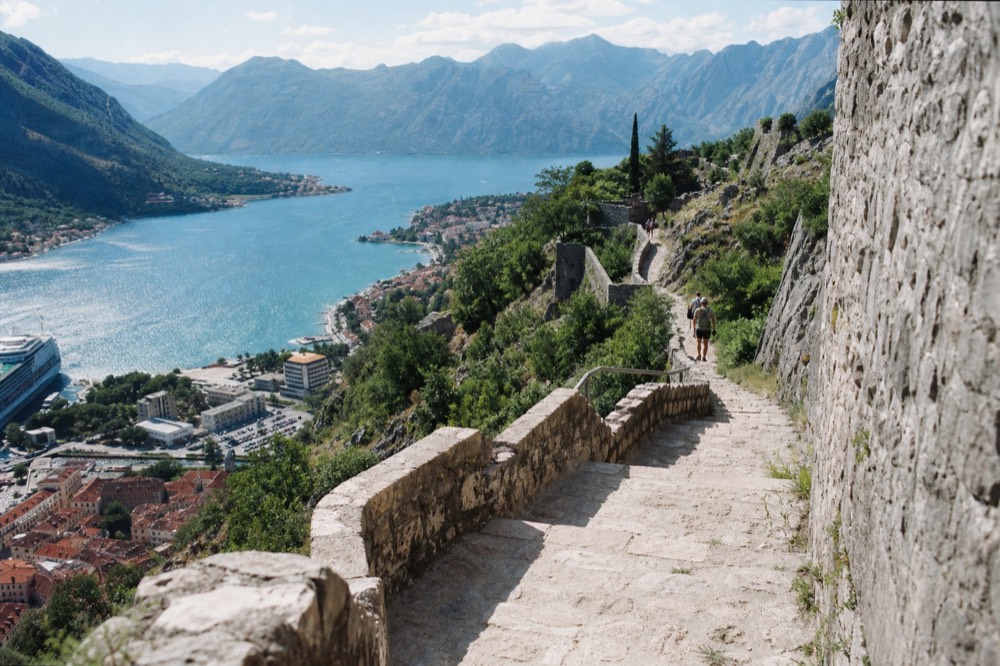
Kotor's Old Town is a compact walled maze of squares, Romanesque churches and palaces, with a defensive wall climbing the hillside above it to a fortress at the top. The town is small enough to see its core in two to three hours, which is exactly what the day tours give you. The main sights are St Tryphon's Cathedral, the main squares, and the climb up the walls if your legs and the heat allow.
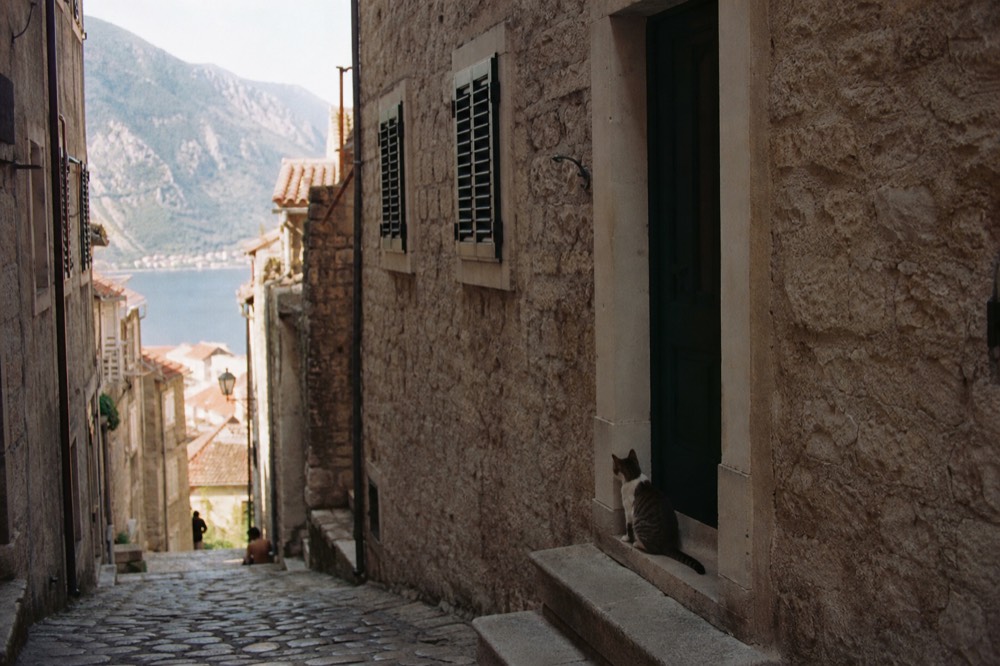
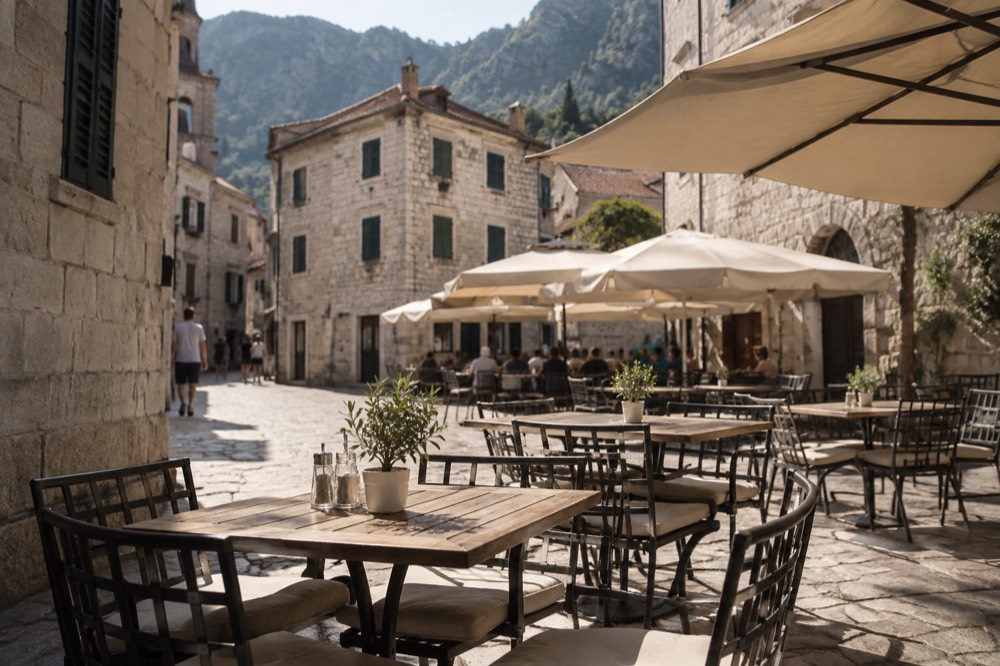
The town rewards wandering more than checklist-ticking. Enter through the Sea Gate and you are in the main square within a minute, with the cathedral on one side and cafes under the arcades. From there the streets narrow quickly into alleys where the main attractions are the details: carved doorways, cats asleep on warm stone, a chapel tucked behind a larger church. Kotor has a lived-in feel that Dubrovnik's polished core has largely lost, and that contrast is a real part of the day's appeal.
The wall climb above the town is the one big decision of your free time. The path zigzags up the hillside to the fortress of San Giovanni, and in summer heat it is a serious effort with little shade. If you are visiting between June and August, either start the climb immediately on arrival or skip it and swim instead, because the tour's departure time is fixed and the last stretch of the climb is steep. In spring and autumn it is a different proposition entirely and well worth the effort.
Below the town, the waterfront promenade faces directly across the bay. This is where the cruise tenders dock, and it is worth knowing that Kotor is itself a significant cruise port. On a day when a large ship is in, the Old Town's lanes fill exactly as Dubrovnik's do, and the quiet charm thins out by late morning.
Perast and the Islands: The Stop Most People Remember
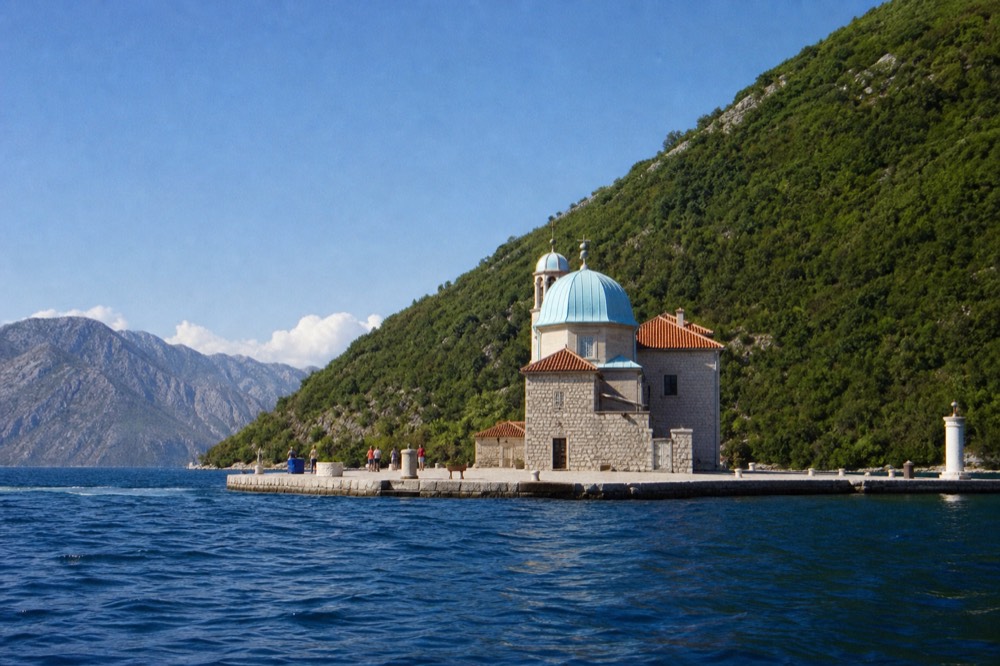
Perast, a small baroque town on the bay's shore, is the stop most visitors remember longest, because just offshore sit two tiny islands: the man-made Our Lady of the Rocks with its church, and the natural Saint George island beside it. Many tours include a Perast stop with an optional boat ride out to the church island, paid locally.
Perast is a single waterfront street with palaces facing the water and almost nothing behind them, which is precisely its charm. The town was built on naval wealth, and its churches and bell towers give it a profile far grander than its size suggests. Photographers get the classic shot here: the two islands sitting on still water with the mountains behind. The full index of guides sits on Things to Do in Dubrovnik.
Our Lady of the Rocks is the story worth telling on the boat. Local tradition holds that the island was built over centuries by sailors dropping stones, and later sinking old ships loaded with rock, around a chapel on a reef. Whether every detail survives scrutiny, the church that stands there today is real, small and atmospheric, and the boat ride out takes only a few minutes. The optional boat excursion on the tour that offers it is exactly this kind of trip.
If your tour's Perast stop is short, prioritise the boat over the town. You can see Perast's waterfront from the boat; you cannot see the island from most of the town.
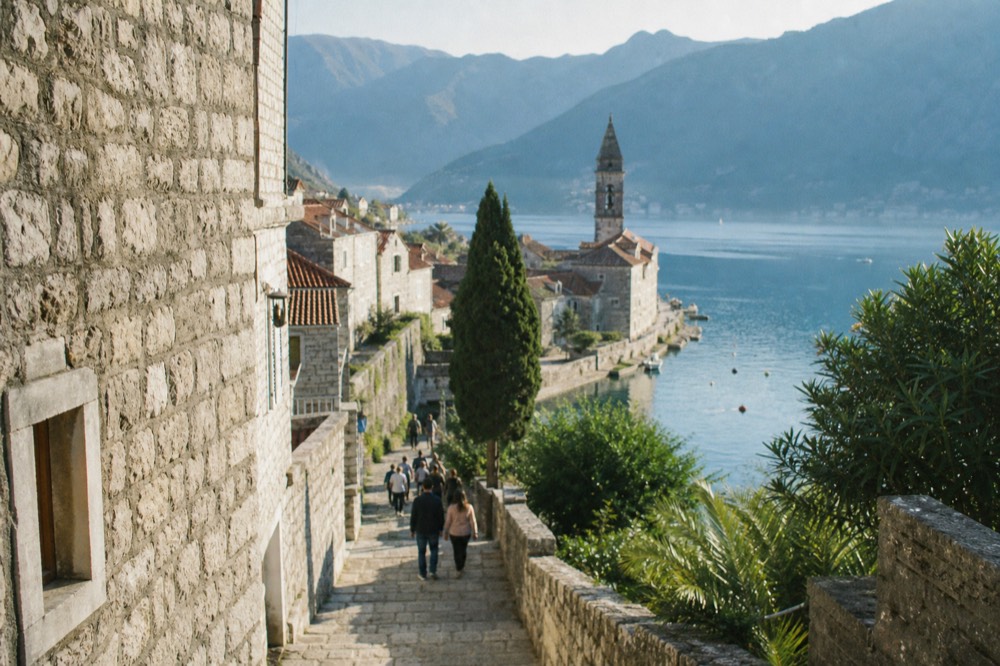
If the island visit is the part of the day you care about most, that version of the trip, with the optional boat ride built into the itinerary, is the one to look at first. It runs from $70.99 per person, rated 4.4 across 3,829 reviews.
What Is the Best Day Trip From Dubrovnik?
There is no single best day trip from Dubrovnik: Montenegro wins on scenery and a second country, Mostar and Kravica wins on history and drama, and Ston and Korčula wins on food, wine and a slower pace with no border crossing. If you can only take one and scenery moves you most, choose Montenegro. If you want the most striking single sight, choose Mostar's old bridge.
I get asked this constantly, and the honest answer depends on what kind of day you want. Here is how the three main contenders compare, using the figures from the operators' own listings.
| Day trip | Price from | Rating | Length | Border |
|---|---|---|---|---|
| Montenegro (Kotor and Perast) | $58 per person | 4.4 across 5,611 reviews | Full day | Yes, twice |
| Montenegro with optional boat | $70.99 per person | 4.4 across 3,829 reviews | 11 to 12 hours approx | Yes, twice |
| Mostar and Kravica waterfalls | $53.19 per person | 4.8 across 1,254 reviews | 11 hours approx | Yes, twice |
| Ston and Korčula with wine tasting | $81.69 per person | 3.8 across 131 reviews | 11 hours approx | No |
Mostar is the emotional heavyweight. The old bridge, the Ottoman old town and the Kravica waterfalls make for a day with more genuine drama than Kotor's, and the small-group version carries the strongest rating of the three at 4.8 across 1,254 reviews, from $53.19 per person. That is the Mostar experience in one sentence.
Ston and Korčula is the connoisseur's choice: oysters in Ston, the longest walls in this part of Europe, wine tasting on Korčula island, and no border at all, which makes it the most relaxed of the three. Its rating of 3.8 across 131 reviews is the weakest of the group, so read the recent reviews before booking.
The Montenegro trip, meanwhile, holds its own on volume: 5,611 reviews at 4.4 for the standard version is one of the most-booked days out of the city. For a deeper comparison of the Bosnian option, see the Mostar day trip guide, and for the wine-and-oysters route, the Ston and Pelješac guide covers it in detail.
When Should You Do the Kotor Trip?
The best months for a Kotor day trip are May, June, September and October, when the border queues are shorter, the bay is warm enough for a swim, and Kotor's lanes are not at peak cruise crush. July and August work but cost you time at the border and crowd in the Old Town. Winter trips run but the bay can be grey and many Perast boats stop.
The crowd logic comes from data, not folklore. In Dubrovnik, cruise passengers in 2025 actually peaked in September at 101,246 and October at 100,132, ahead of July's 96,072 and August's 87,385, according to Port Authority figures. The same shoulder-season pattern shapes Kotor, which sits on the same cruise circuit. The practical reading is counter-intuitive: September is not the quiet escape people imagine, while early June or late September weekdays are the real sweet spots.
| Period | Border queues | Kotor crowds | Swimming in the bay |
|---|---|---|---|
| May and June | Moderate | Manageable | Warming up |
| July and August | Longest | Heaviest | Warmest |
| September | Moderate | Busy, cruise peak season | Pleasant |
| October | Shorter | Easing | Cooling |
| November to April | Shortest | Quiet | Cold |
The Port Authority, which publishes these figures, limits cruise passengers to 8,000 a day in most cases, and of 243 cruise days a year only 18 exceed that number. The full 2025 total was 625,257 passengers, up from 582,499 the year before, with 461 calls scheduled for 2026. All of this is to say: the region is busy, but it is managed, and weekday timing beats month-picking if you can be flexible.
For more on timing your whole visit, the best time to visit guide breaks down the calendar month by month, and the Dubrovnik in September guide covers the busiest shoulder month specifically.
What Do You Need to Bring and Know?
You need a valid passport, since Montenegro is outside the European Union and Croatia's open borders do not apply; euros in cash for Perast boats and small lunch spots; sun protection and water for the Kotor wall climb; and comfortable shoes for cobbles. Your phone plan may not cover Montenegro, so download offline maps before you leave.
The passport point is the one that catches people. Croatia is in the EU and the Schengen area; Montenegro is in neither. That means a full border control on the way out and the way back, with passports checked on the bus. A national ID card works for some European nationals, but if you hold a US, UK, Canadian or Australian passport, carry the passport itself, and check Montenegro's entry rules for your nationality before you travel. Children need their own documents.
Money is simpler than people expect. Montenegro uses the euro unilaterally, so the same notes and coins you would use in Croatia work on both sides of the border. Cards are widely accepted in Kotor's restaurants and shops, less so at the small boat operators and market stalls. Budget for lunch, the optional boat, and a buffer for coffee, because Perast's waterfront cafes are hard to resist.
| Item | Why | Note |
|---|---|---|
| Passport | Full border control both ways | Keep it accessible, not in the hold luggage |
| Euro cash | Optional Perast boat and small vendors | Same currency as Croatia |
| Water and sun hat | The Kotor wall climb has little shade | Buy water in Kotor if needed |
| Comfortable shoes | Cobbles and the fortress path | Sandals with grip are fine, flip-flops are not |
| Offline maps | Phone plans may not roam into Montenegro | Download Kotor and Perast before pick-up |
One more note on timing your free time. The tour's departure from Kotor is fixed, so decide your priority before you arrive: the wall climb, a long lunch, or the museums. You will not comfortably do all three in the typical two to three hour window, and the travellers who enjoy Kotor most are the ones who choose one thing and do it properly.
Kotor or More of Dubrovnik: How to Decide
Choose Kotor if you have four or more days in Dubrovnik, you love dramatic scenery, and the idea of a second country in one trip appeals. Skip it if you have three days or fewer, because Dubrovnik's own sights, from the walls to Lokrum, need that time more. A city of 41,562 residents took about 4.2 million overnight stays in 2025, and the sights you would skip are the reason you came.
That overnight figure, from the Croatian Bureau of Statistics, is worth sitting with. Dubrovnik shares first place among Croatian destinations with Rovinj, and the density of visitors against a small resident population is exactly why the city's carrying capacity is monitored with six electronic counters at the Old Town entrances, updating every 15 minutes, against an official ceiling of 11,275 people. On a busy September morning the count passes 7,000 before 10:00.
So the real decision is not "is Kotor good", it is "what am I trading". The honest ledger: if you have already walked the walls, seen the Old Town at dawn and swum at a beach, Kotor is an easy yes. If you have not, the walls alone, 1,940 metres of them, up to 25 metres high, deserve your morning more than a bus seat does.
And if the answer is Kotor, book it for a day early in your stay rather than the last day. If the border or the weather eats the trip, you want a spare day to fall back on, not a flight to catch.
The standard Montenegro day trip, from $58 per person and rated 4.4 across 5,611 reviews, remains the most-booked way to do this day, and with good reason: it is the simplest version of a complicated journey.
Common Questions About the Kotor Day Trip From Dubrovnik
Is a day trip from Dubrovnik to Montenegro worth it?
For most travellers with four or more days in Dubrovnik, yes. The organised trip costs from $58 per person, runs roughly a full day, and delivers the Bay of Kotor's scenery, Perast and Kotor's Old Town without you having to drive or manage the border. If you have three days or fewer in Dubrovnik, spend them in the city instead.
Is it worth doing a day trip from Dubrovnik to Montenegro?
It is, if scenery and a second country appeal to you. The trade-offs are a long day, a passport border crossing in both directions, and less time in Dubrovnik. The tour is rated 4.4 across 5,611 reviews, which reflects a well-run day that most travellers are glad they took.
What is the best day trip from Dubrovnik?
It depends on what you want. Montenegro and Kotor win on scenery, Mostar and the Kravica waterfalls win on history and drama, and Ston and Korčula win on food and wine with no border crossing. If you can only take one and landscape is your priority, choose Montenegro.
Do I need a passport for the Kotor day trip?
Yes. Montenegro is outside the European Union and the Schengen area, so there is full border control both ways. Carry your actual passport, keep it accessible on the bus, and check Montenegro's entry requirements for your nationality before you travel.
What currency does Montenegro use?
The euro, even though Montenegro is not in the eurozone. The same cash you use in Croatia works in Kotor and Perast. Cards are accepted in restaurants and shops, but bring some notes for the optional Perast boat and small vendors.
When is the best time of year for the Kotor trip?
May, June, September and October offer the best balance of weather, shorter border queues and manageable crowds. July and August work but cost you time at the border and crowd in the Old Town. Note that September and October are actually the peak cruise months on this coast, ahead of July and August.