Lokrum Island Ferry: Tickets, Schedule and Planning Guide
The Lokrum ferry is a 30 euro combined ticket that covers both the reserve entry and your return boat transfer, running from Dubrovnik's Old City Harbour on a simple all-day schedule. Here is what the ticket buys, when the boats leave, and how to decide whether Lokrum earns a slot in your itinerary.
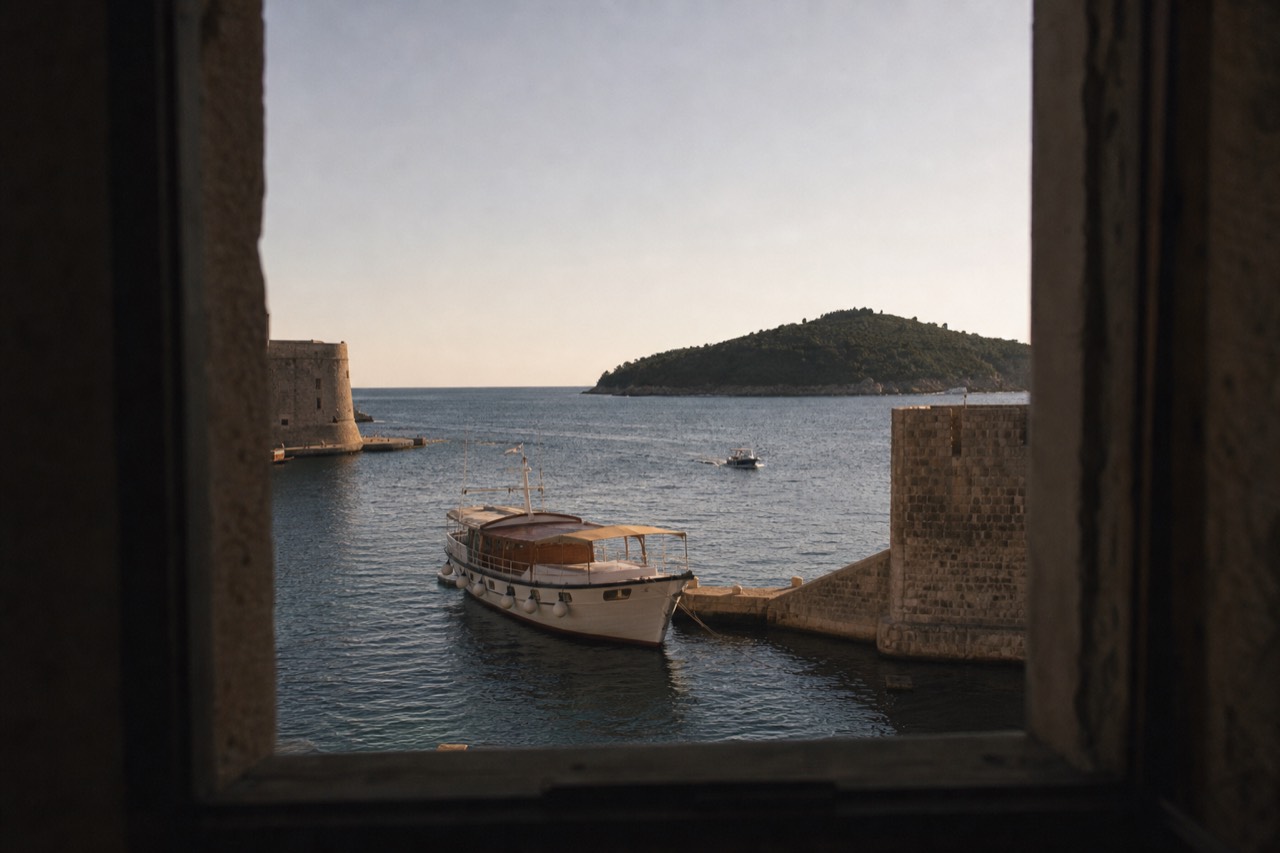
Short answer
The Lokrum ferry costs 30 euro per person and includes both reserve entry and the return boat transfer. Boats leave the City Harbour at 09:00, then every 15 minutes from 10:00 to 18:00, and the ticket office at Luža is open 08:00 to 18:00. A ticket stays usable for three days, so you are not locked into one departure.
Lokrum sits so close to Dubrovnik that you can see its wooded outline from the city walls, yet it is a separate world: a protected reserve with no hotels, no cars and no permanent overnight guests. The only practical way there for most visitors is the official boat from the Old City Harbour, and the ticketing works differently from most island ferries in Croatia. The price is not a fare plus an entrance fee paid separately at a gate. It is one combined 30 euro ticket that covers both the crossing and the reserve entry, whether you ride the official boat or arrange your own transport to the island.
That single design choice shapes everything else about planning a Lokrum visit. It means there is no cheap ferry-only option to hunt for, no way to skip the reserve fee by arriving independently, and no ticket window on the island itself where you can pay on arrival. I have watched plenty of travellers walk to the harbour expecting a two euro hop like the ones further up the coast, and the pricing catches them off guard every summer.
This guide walks through the whole decision: what the ticket costs and what it includes, how the schedule actually runs, the honest answer on crossing time, and whether Lokrum is worth the money against the alternatives. If you want the broader picture of the island itself, the Lokrum island guide covers the reserve in depth, and if you are weighing Lokrum against a full day on the water, the Elaphiti islands cruise guide is the natural comparison.
Is It Worth Going to Lokrum Island?
Yes, for most visitors Lokrum is worth the half day. It is a protected nature reserve minutes from the Old Town, covered in pine and holm oak woodland, with a monastery complex, rocky swimming spots and tame peacocks wandering the paths. It is not a beach resort or a full-day destination. Treat it as a green escape from the stone and the crowds, and the ticket earns its keep.
The strongest argument for Lokrum is proximity. Every other island trip from Dubrovnik, whether the Elaphiti chain, Mljet or Korčula, commits you to a large chunk of the day. Lokrum does not. You can walk out of Pile Gate, be at the City Harbour ticket office within minutes, and be on a boat within the quarter hour if the schedule is running in your favour. That makes it the one island excursion that fits comfortably into even a single-day Dubrovnik stopover, which matters a great deal if you arrived on a cruise ship and only have the afternoon.
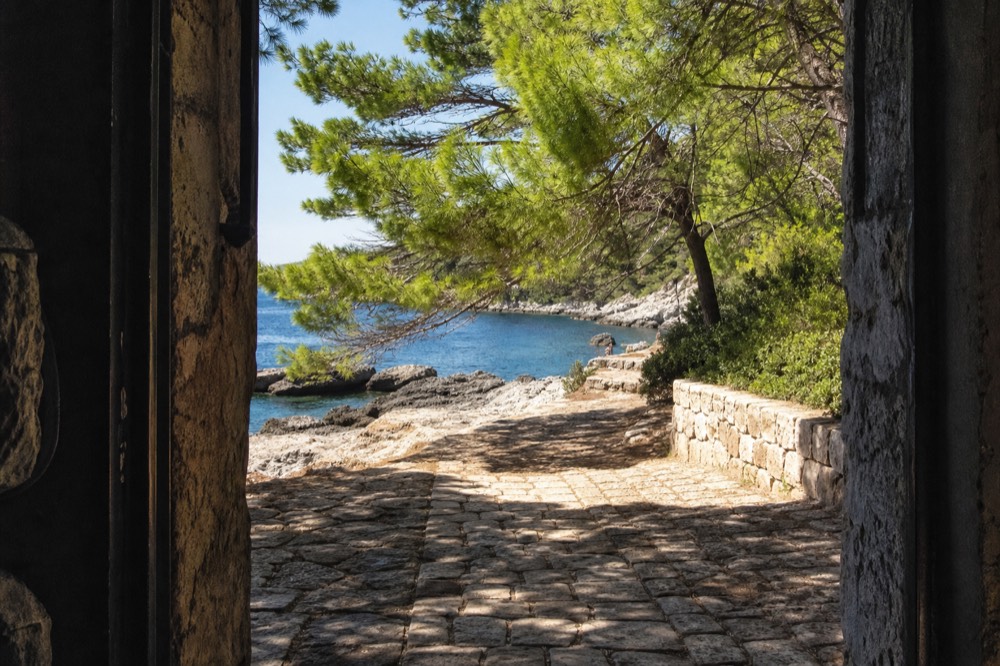
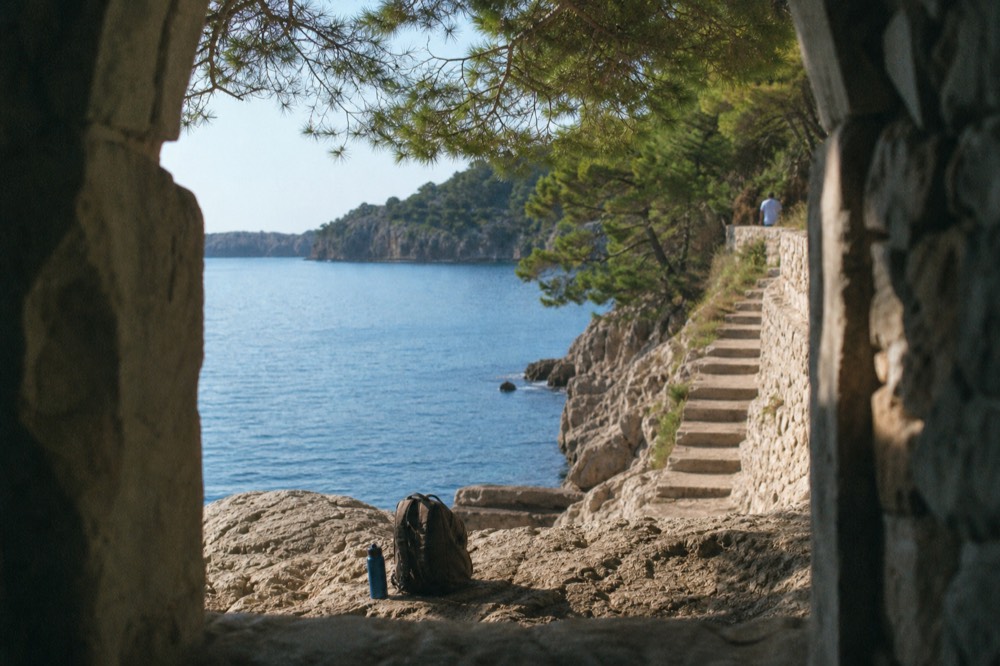
The second argument is the swimming. The sea around the island is clear and calm on the sheltered side, and the September average for this coast is about 23.6 degrees as a long-run open-water average, with sheltered spots reading warmer on a sunny afternoon. There are no sandy beaches to speak of; you swim from flat rocks and stone steps, which is the norm along this stretch of the Adriatic. Bring shoes you can walk on rocks in, and you will have a far better time than the visitors who arrive in flip-flops and then negotiate the ledges barefoot.
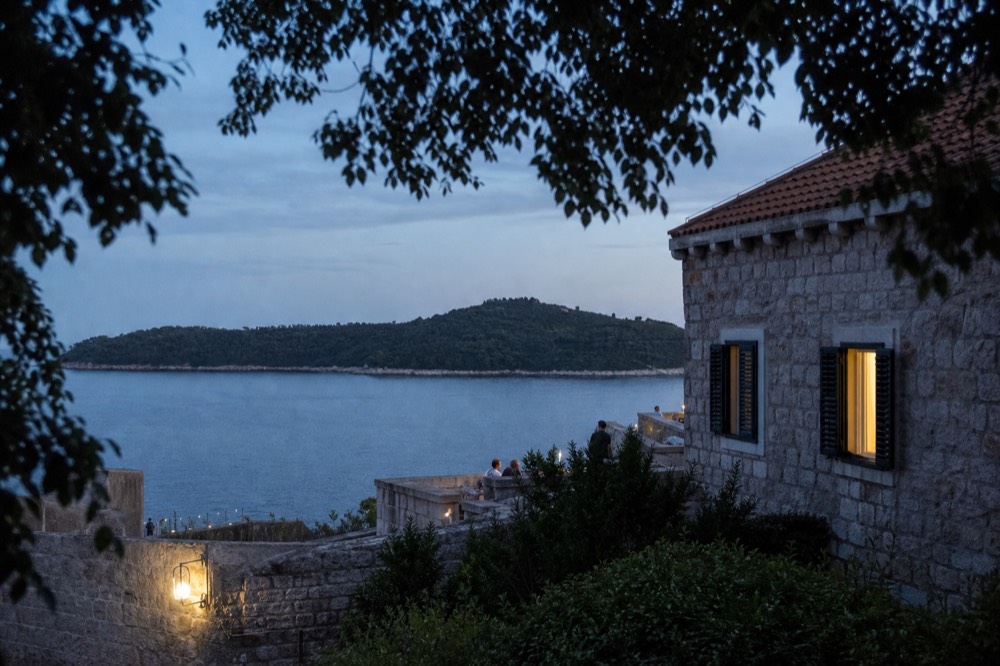
The honest counterargument is cost and crowds. Thirty euro per person is real money for a family of four, and in peak season the boats run full and the paths near the landing point get busy. The reserve also closes to visitors in the evening, so there is no sunset escape or overnight stay to stretch the value. If your Dubrovnik time is short and your budget is tight, a walk on the city walls or a free wander through the Old Town may deliver more per kuna, or rather per euro, than the boat.
My own advice as someone who plans visitor itineraries here: Lokrum earns its place on a first visit of two days or more, and on any trip where the midday heat makes another two hours on stone streets feel punishing. The island's shade is genuinely cooler, and the swim resets you for the evening. On a strict one-day itinerary with the walls and the cable car already booked, I would skip it without guilt.
How Much Does the Lokrum Ferry Cost?
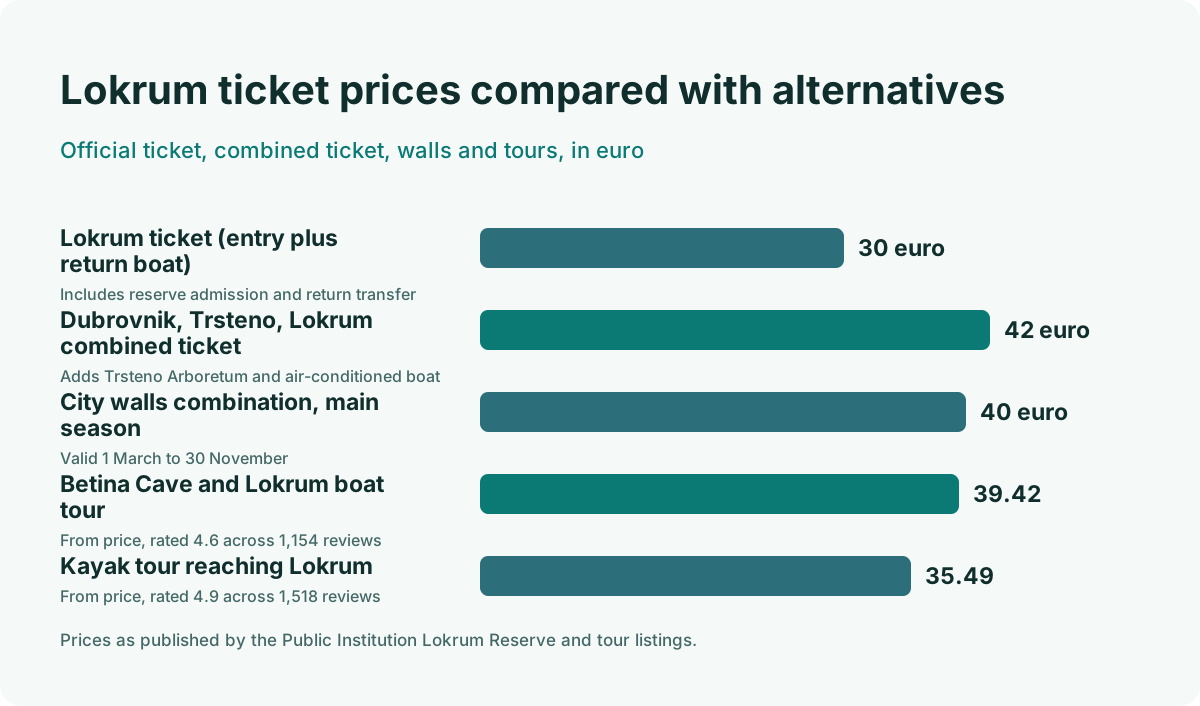
The Lokrum ticket is 30 euro per person, and that single price includes both the entrance to the Lokrum Reserve and a return boat transfer on the official boat. There is no separate, cheaper ferry-only fare, and no reserve-only ticket for people who arrive by their own means. A combined Dubrovnik, Trsteno, Lokrum, Dubrovnik ticket exists at 42 euro, adding Trsteno Arboretum admission and an air-conditioned boat.
The pricing is published by the Public Institution Lokrum Reserve on its official site, and the structure is worth understanding before you queue. The 30 euro is not a fare that happens to be bundled with entry; it is the reserve's admission model. The institution states plainly that the price applies whether you travel on the official Lokrum ferry or arrange your own transport, so arriving by kayak, taxi boat or private vessel does not get you a discount at the landing. The reserve is the product, and the boat is included as a convenience.
| Ticket | Price | What it includes |
|---|---|---|
| Lokrum ticket | 30 euro per person | Reserve entry plus return boat transfer on the official boat |
| Combined Dubrovnik, Trsteno, Lokrum, Dubrovnik | 42 euro per person | Reserve entry, return boat, Trsteno Arboretum admission, air-conditioned boat |
| Lovrijenac Fortress alone (Old Town side) | 15 euro | Fortress entry only, no boat |
| City Walls plus Lovrijenac combination | 40 euro main season, 20 euro in December | Walls circuit and fortress, no boat |
The comparison rows are there for a reason. Visitors often pair Lokrum with a walls walk on the same day, and it is worth seeing the two prices side by side before you commit your budget. The walls combination at 40 euro in main season, from 1 March to 30 November, is the single biggest sightseeing expense in the city, and stacking the 30 euro Lokrum ticket on top of it makes for an expensive day. If you are also weighing a museum multipass, the Dubrovnik Pass guide explains when the bundled card beats individual tickets.
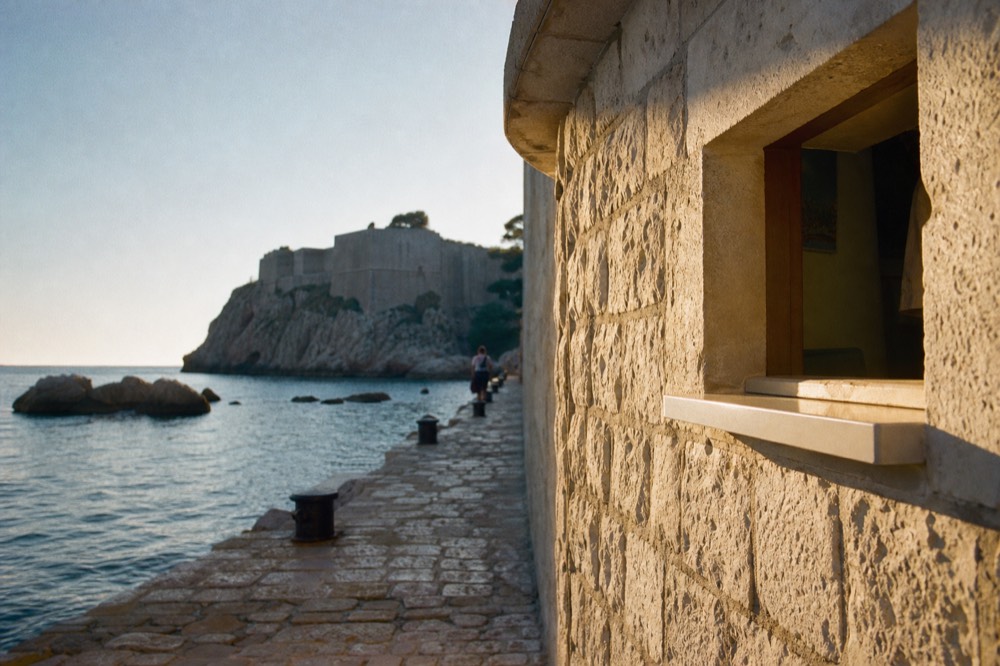
The ticket office sits at Luža in the Old City Port and works 08:00 to 18:00, so you buy before you board rather than on the boat. One detail that surprises people in a good way: a ticket stays usable for three days after the date printed on it. If the weather turns or a boat fills up, you have not lost your money by postponing a day or two. Buy on a clear morning, and the ticket keeps its value across the rest of your stay.
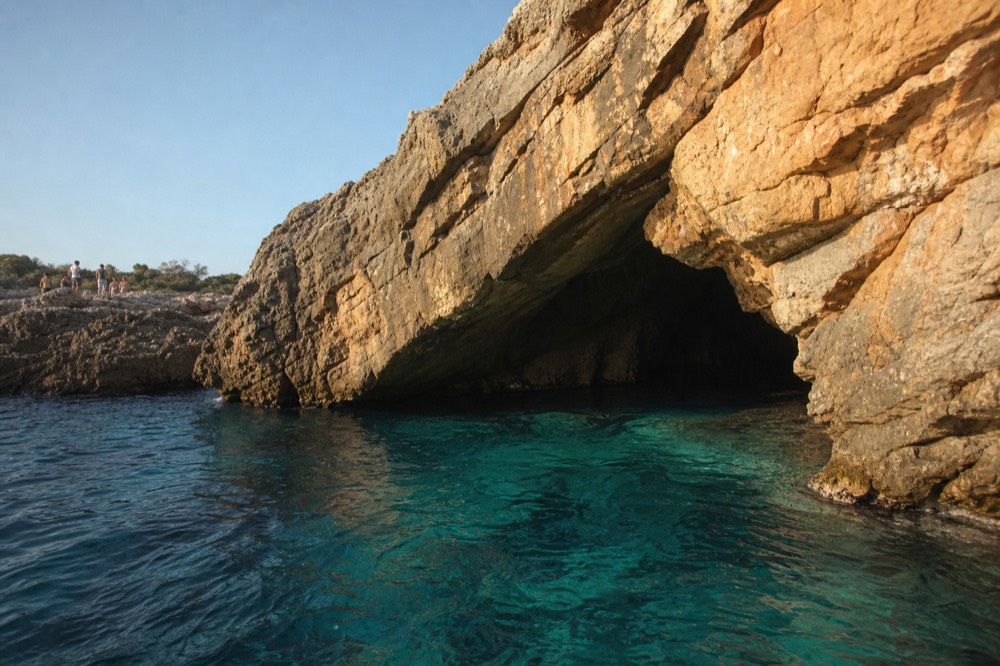
If the fixed schedule feels restrictive, there is a middle path between the official ferry and full independence: a guided boat tour that includes Lokrum as a stop. The Betina Cave and Lokrum boat tour runs from 39.42 per person, rated 4.6 across 1,154 reviews, and pairs the island with a swim stop at the cave along the cliffs. You can check availability on the tour page, or compare it against the other options below.
How Long Is the Ferry Ride to Lokrum Island?
The honest answer is that no official crossing time is published. Neither the Lokrum Reserve's own site nor its official boat schedule PDF states the crossing in minutes, and third-party sources disagree with each other, which is why a precise figure should not be repeated as fact. What is verified is the schedule itself: boats leave the City Harbour at 09:00, then every 15 minutes from 10:00 to 18:00.
I flag this deliberately because it is the most asked question about the ferry and the most commonly misanswered. Plenty of articles print a confident number of minutes, and the sources behind those numbers range widely and contradict one another. The reserve's own materials, which are the only primary source for the boat service, give the departure pattern and nothing else. When the operator itself does not state a crossing time, a travel writer inventing one is guessing with authority, and I would rather give you the verified schedule and let the geography speak: the island is visible from the harbour, and the crossing is a short hop by any standard of Adriatic travel.
What the schedule means in practice is that waiting time dominates planning. Turn up at 10:05 and you will likely wait until 10:15 at most for the next departure, assuming seats are free. Turn up at 09:20 having just missed the first boat, and you wait until 10:00, the one long gap in the day. That first departure at 09:00 is also your best weapon against crowds: the counting system that tracks Old Town visitor numbers shows the historic core climbing steeply through the morning, and Lokrum's own paths fill in the same pattern a couple of hours later.
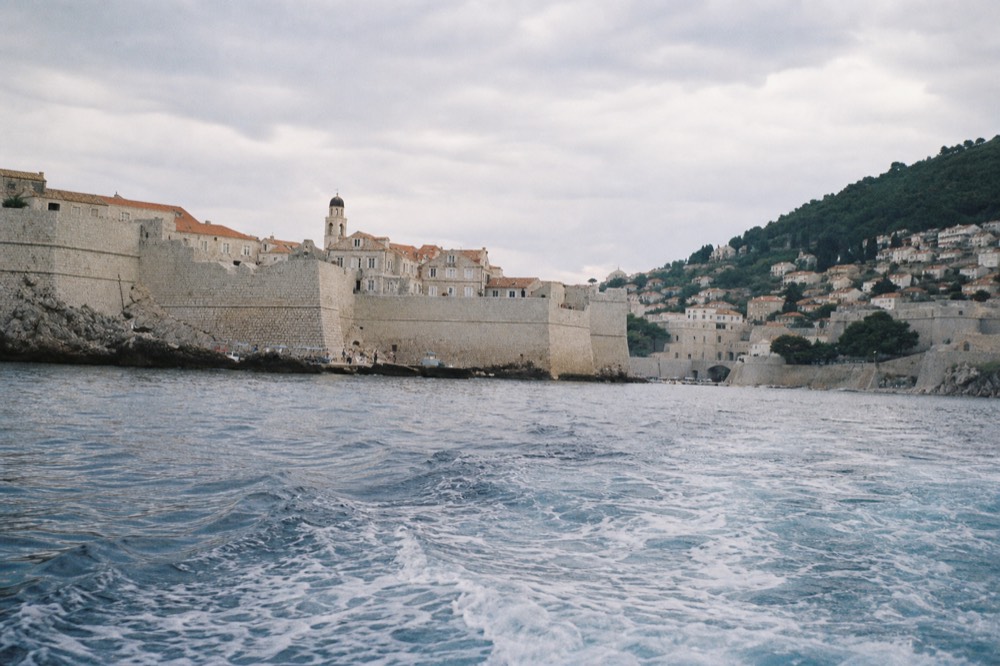
Return boats run on the same rhythm back from the island, and the last departures in the early evening are the ones to plan around rather than the crossings themselves. The reserve closes to visitors in the evening, and the staff clear the island on the final sailings, so treat the printed schedule at the landing point as the binding one for your return. If you are the kind of traveller who loses track of time swimming, set an alarm for the second-to-last boat and give yourself a margin.
Is It Worth It to Go to Lokrum Island?
Judged purely on value, Lokrum is worth it for visitors staying two or more days, and marginal for those on a tight one-day itinerary. At 30 euro it costs less than the city walls combination ticket, takes half a day at most, and delivers something the Old Town cannot: shade, swimming water and near-silence a short boat ride from a UNESCO core that recorded 4.2 million overnight stays in 2025.
The value question is really a question about what else you could do with the same afternoon. Here is how the realistic alternatives stack up for a half-day block in Dubrovnik, priced from the verified figures on this site.
| Half-day option | Cost per person | Time needed | Best for |
|---|---|---|---|
| Lokrum ferry and reserve | 30 euro | Half day | Shade, swimming, easy pace |
| City walls circuit | 40 euro main season | 2 to 3 hours | Views, history, photography |
| Guided kayak tour of Lokrum and Betina Cave | From $35.49 | 2 hours | Active travellers, cave swim |
| Old Town walking tour with a local guide | From $20 | Under 2 hours | First-timers, orientation |
| Cable car round trip | 30 euro | 1 to 2 hours | Sunset views over the city |
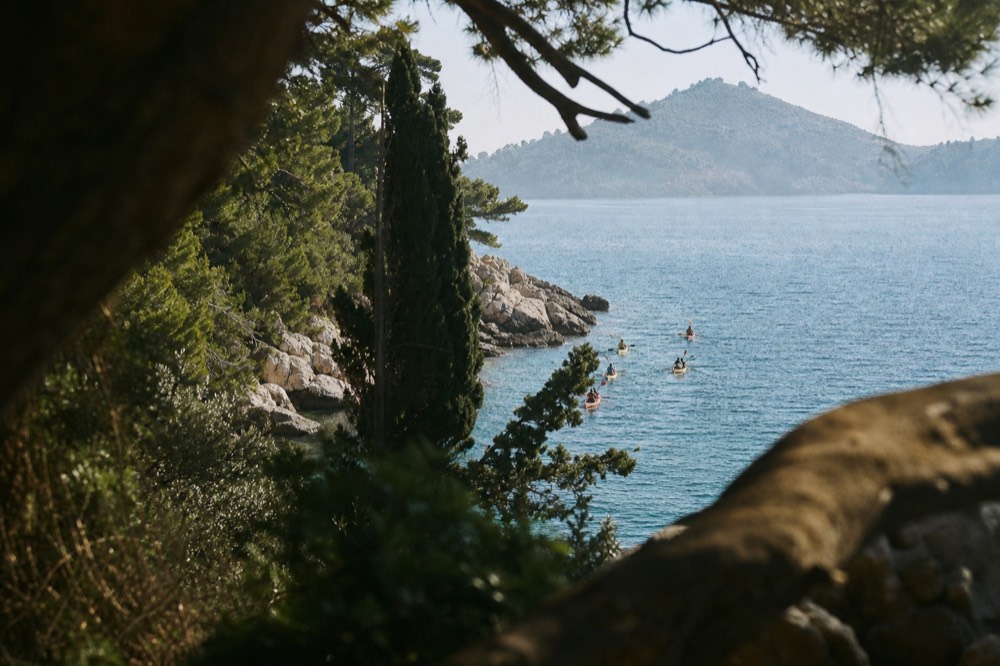
Notice how competitive that middle row is. The kayak tour from 35.49 dollars, rated 4.9 across 1,518 reviews, reaches Lokrum under your own power and adds a swim at Betina Cave, though you still need to reckon with the reserve's entry model if you plan to land and explore. For active visitors in their twenties and thirties, that combination often beats sitting on a passenger boat, and the kayaking guide covers the routes in detail.
For families, the calculus tilts back toward the ferry. Children manage a boat ride and a woodland wander far better than two hours of paddling, and the island's flat main paths are stroller friendly in the dry season, a point the visiting with kids guide builds a whole day around. The combined ticket price is per person regardless of age band, so check at the Luža office what applies to the youngest members of your group before assuming a child rate.
The one scenario where I would say no outright: a cruise passenger with fewer than six hours in port. By the time you walk to the harbour, wait for a boat, cross, explore and return, you have spent the bulk of your stop on one island while the walls, the Stradun and the Rector's Palace go unseen. Cruise days also concentrate arrivals: the Port Authority's 2025 figures show September was the busiest cruise month of the year at 101,246 passengers, ahead of July at 96,072 and August at 87,385, so an autumn call is no guarantee of a quiet Old Town either. The cruise day itinerary is built for exactly that squeeze.
What Time Do Boats to Lokrum Leave?
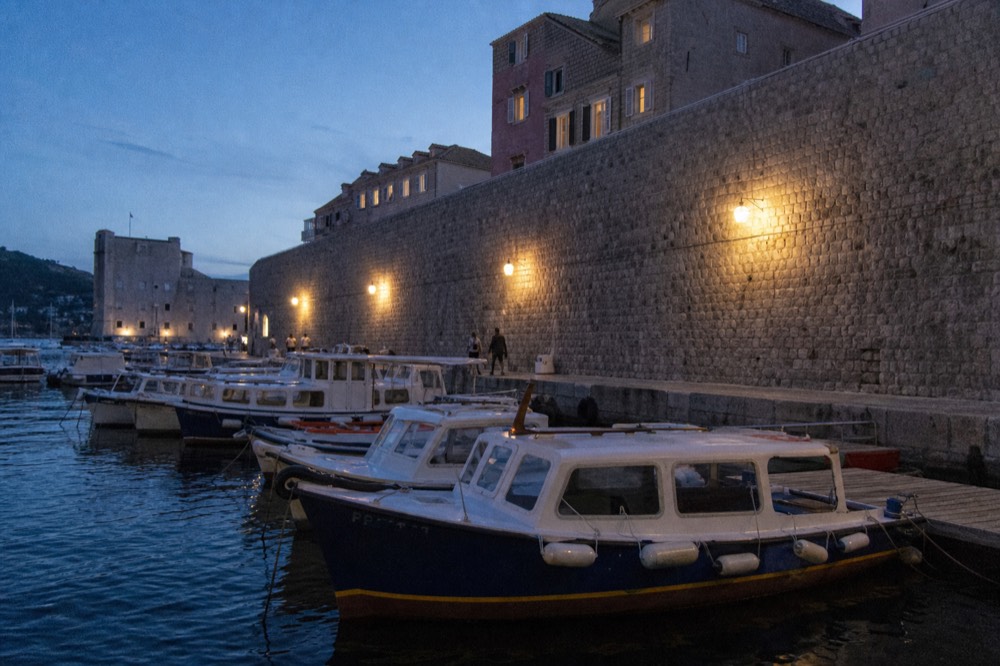
Boats leave the City Harbour at 09:00, then every 15 minutes from 10:00 to 18:00, according to the official schedule published by the Lokrum Reserve. The ticket office at Luža, in the Old City Port, is open 08:00 to 18:00, so you can buy a ticket a full hour before the first departure. Return sailings run back through the afternoon and early evening.
The 15 minute rhythm is the single most useful planning fact on this page, because it converts the ferry from a timetable you must memorise into a service you can simply turn up for. The only gap worth remembering is the one between the 09:00 first boat and the 10:00 restart. Miss the first sailing and your wait is the longest of the day; catch it and you land on an island that is still quiet, with the paths to yourself for the first hour. Everything else covered here is indexed on Things to Do in Dubrovnik.
| Time of day | Departure pattern | What to expect |
|---|---|---|
| 09:00 | First and only early departure | Quietest crossing and emptiest island paths |
| 10:00 to 13:00 | Every 15 minutes | Steady flow, boats fill on sunny mornings |
| 13:00 to 16:00 | Every 15 minutes | Peak island population, warmest swimming hours |
| 16:00 to 18:00 | Every 15 minutes | Day trippers leaving, afternoon light on the water |
| Final sailings | Early evening | Reserve closes to visitors, island cleared |
Two practical notes on reliability. The schedule is published by the reserve itself and the boats are its own operation, so the pattern holds through the season, but sea state can suspend sailings on rare rough days and the reserve's site is where a suspension would be announced. And because a ticket remains valid for three days, a weather cancellation is an inconvenience rather than a lost 30 euro, which is a genuinely traveller-friendly term you should factor into when you buy.
Can You Reach Lokrum Without the Official Ferry?
Yes, several ways, but none of them escapes the 30 euro reserve ticket, which applies whether you travel on the official boat or arrange your own transport. Options include the guided kayak tour from 35.49 dollars that paddles around the island with a Betina Cave swim stop, and boat tours such as the Betina Cave and Lokrum trip from 39.42 dollars that make the island an optional call. Private vessels still require the reserve entry.
The kayak route deserves special mention because it answers two desires at once: the crossing itself becomes the activity, and the cave along the way is one of the most photographed swim spots on this coast. The two hour tour is rated 4.9 across 1,518 reviews, and reviewers consistently single out the swimming break inside the cave. One recent guest review captures the experience well:
Loved this kayaking experience. Had an amazing time as a family and enjoyed the swimming break at Betina Cave very much. The views were amazing, water was crystal clear, the guide was excellent and we learnt a lot about Dubrovnik.
Imara_D
| Way to reach Lokrum | Cost | Reserve entry still required | Best suited to |
|---|---|---|---|
| Official ferry from City Harbour | 30 euro, boat included | Included in the ticket | Most visitors, families |
| Guided kayak tour | From $35.49 | Yes, if you land | Active travellers |
| Betina Cave boat tour with optional Lokrum | From $39.42 | Yes, if you land | Cave swimmers, tour lovers |
| Elaphiti pirate ship cruise passing the island | From $65 | Yes, if you disembark | Full-day sightseers |
| Private or hired vessel | Varies by operator | Yes, always | Boat licence holders |
The pirate ship option in that table is the Karaka, a replica vessel running the Elaphiti cruise from 65 dollars per person and rated 4.8 across 757 reviews. It is a full-day commitment rather than a Lokrum shuttle, but it shows the island from the seaward side, which is the view most visitors never get, and it bundles a very different kind of day on the water. If your heart is set on the Elaphiti chain rather than Lokrum itself, that cruise is the stronger buy.
When Is the Best Time to Visit Lokrum?
The best time is a weekday morning on the 09:00 boat, in June or September, when the sea is at its warmest and the day-tripper crowds are thinner than in July and August. The long-run September sea average for this coast is about 23.6 degrees against August's 25.8, both open-water averages, and September's 2025 cruise total of 101,246 actually exceeded July's, so the early boat matters more than the month.
That last point runs against intuition, so let me be plain about it. The Port Authority's own monthly figures put September 2025 at 101,246 cruise passengers and October at 100,132, both above July's 96,072 and August's 87,385. Autumn is no longer the quiet season in Dubrovnik; it is the peak of the cruise calendar. What autumn does give you is warmer-than-spring water, softer light and evening sailings that still run to 18:00, so the trade-off favours September for most travellers who can choose.
| Period | Open-water sea average | Crowd picture |
|---|---|---|
| May | 18.6 degrees | Building season, manageable mornings |
| June | 22.5 degrees | Warm water, pre-peak crowds |
| July | 24.9 degrees | 96,072 cruise passengers in 2025 |
| August | 25.8 degrees | Warmest water, fullest boats |
| September | 23.6 degrees | 101,246 cruise passengers in 2025, the year's peak |
| October | 21.0 degrees | 100,132 cruise passengers in 2025, softer midday heat |
Those sea figures are NOAA long-run averages for 1991 to 2020, open-water grid-cell values rather than beach thermometer readings, and sheltered bays around Lokrum run warmer than the average on a still afternoon. The Croatian met service's own Dubrovnik buoy read 27.0 to 27.4 degrees on one early September day against that 23.6 monthly mean, which tells you exactly how much a sheltered swimming spot can exceed the open-water number. Plan on the average, enjoy the surplus.
Within any given day, the pattern is predictable. The 09:00 boat delivers the emptiest island. By late morning the paths near the landing fill, lunchtime concentrates swimmers at the rocky coves, and the late afternoon thins again as families head back. If your priority is photographs of the monastery and the gardens without strangers in frame, go early and walk the far side of the island first, then swim on the way back when the crowds have thinned toward the boats.
What Should You Know Before You Board?
Buy at the Luža office between 08:00 and 18:00, aim for the 09:00 boat, keep your ticket for up to three days of validity, bring rock-friendly shoes and drinking water, and plan your return around the final sailings because the reserve closes in the evening and the island is cleared. Cash for the small on-island refreshment point is wise, and the 30 euro price applies however you arrive.
The practical failure modes on Lokrum are few but consistent. Visitors arrive in flip-flops and struggle on the rocks. Visitors assume a sandy beach exists and are disappointed by stone ledges. Visitors swim late, miss the second-to-last boat by minutes and end their day in a rush. And visitors buy a ticket in the afternoon expecting evening access, not realising the reserve closes and clears. None of these are hidden traps; they are all just facts nobody told them at the harbour.
If you are pairing Lokrum with a second activity in one day, sequence it after rather than before. A morning on the walls in summer heat followed by an afternoon swim on Lokrum is a far better order than the reverse, because the island's shade and water reward you precisely when the stone city becomes punishing. The walls operator's stated hours run 08:00 to 19:30, so an early walls circuit still leaves the whole afternoon for the boat.
For anyone who would rather fold Lokrum into a bigger day on the water, the guided options below are the strongest on this site's verified roster, and each leaves the schedule, the boat and the timing in an operator's hands rather than yours. Whichever way you go, reserve a little margin at the end of the day: the last boats fill first when everyone's energy runs out at once, and a ticket valid for three days is no help if your flight leaves tomorrow morning.
The pirate ship is the most relaxed of the three: a full-day replica-vessel cruise that passes Lokrum on its way out to the Elaphiti chain, priced from 65 dollars and rated 4.8 across 757 reviews. Between the boat tour, the kayak route and the official ferry, there is a version of this island trip for almost every budget and energy level, and the trio below puts them side by side for a final comparison.
Common Questions About the Lokrum Island Ferry
How long is the ferry ride from dubrovnik to lokrum island?
No official crossing time is published by the Lokrum Reserve or its boat schedule, so any minute figure you read is an estimate rather than a fact. What is verified is the schedule: boats leave the City Harbour at 09:00, then every 15 minutes from 10:00 to 18:00. The island is visible from the harbour and the crossing is short by any Adriatic standard.
How Long Is the Ferry Ride to Lokrum Island?
The reserve publishes no crossing duration, and third-party figures disagree with each other, which is why this site does not print one. Plan around the departure pattern instead: one boat at 09:00, then a departure every 15 minutes from 10:00 to 18:00, with the ticket office at Luža open from 08:00.
Is It Worth Going to Lokrum Island?
For most visitors staying two or more days, yes. The 30 euro ticket buys shade, clear swimming water and a protected reserve minutes from the Old Town, and the trip needs only half a day. On a strict one-day itinerary, or a short cruise stop, the city walls and Old Town usually deliver more per hour.
How Much Does the Lokrum Ferry Cost?
The ticket is 30 euro per person and includes both the reserve entry and the return boat transfer. A combined Dubrovnik, Trsteno, Lokrum, Dubrovnik ticket costs 42 euro and adds Trsteno Arboretum admission with an air-conditioned boat. There is no cheaper ferry-only fare.
Do You Need to Book the Lokrum Ferry in Advance?
There is no advance booking requirement for the official boat; you buy at the Luža ticket office, open 08:00 to 18:00, and board the next departure with space. A ticket stays valid for three days after its date, which gives you flexibility if a sailing is full or the weather turns.
Can You Swim on Lokrum Island?
Yes, from rocky ledges and stone steps rather than sandy beaches. The long-run September open-water average for this coast is about 23.6 degrees and August's is 25.8, with sheltered spots around the island running warmer on still afternoons. Bring shoes you can walk on rocks in.