Dubrovnik Overtourism: When the Crowds Come and How to Dodge Them
Dubrovnik has a reputation for crowds, and partly it has earned it, but the numbers tell a more useful story than the headlines. Here is when the city actually fills up, what not to do once you are inside the walls, and how to see it without becoming part of the problem.
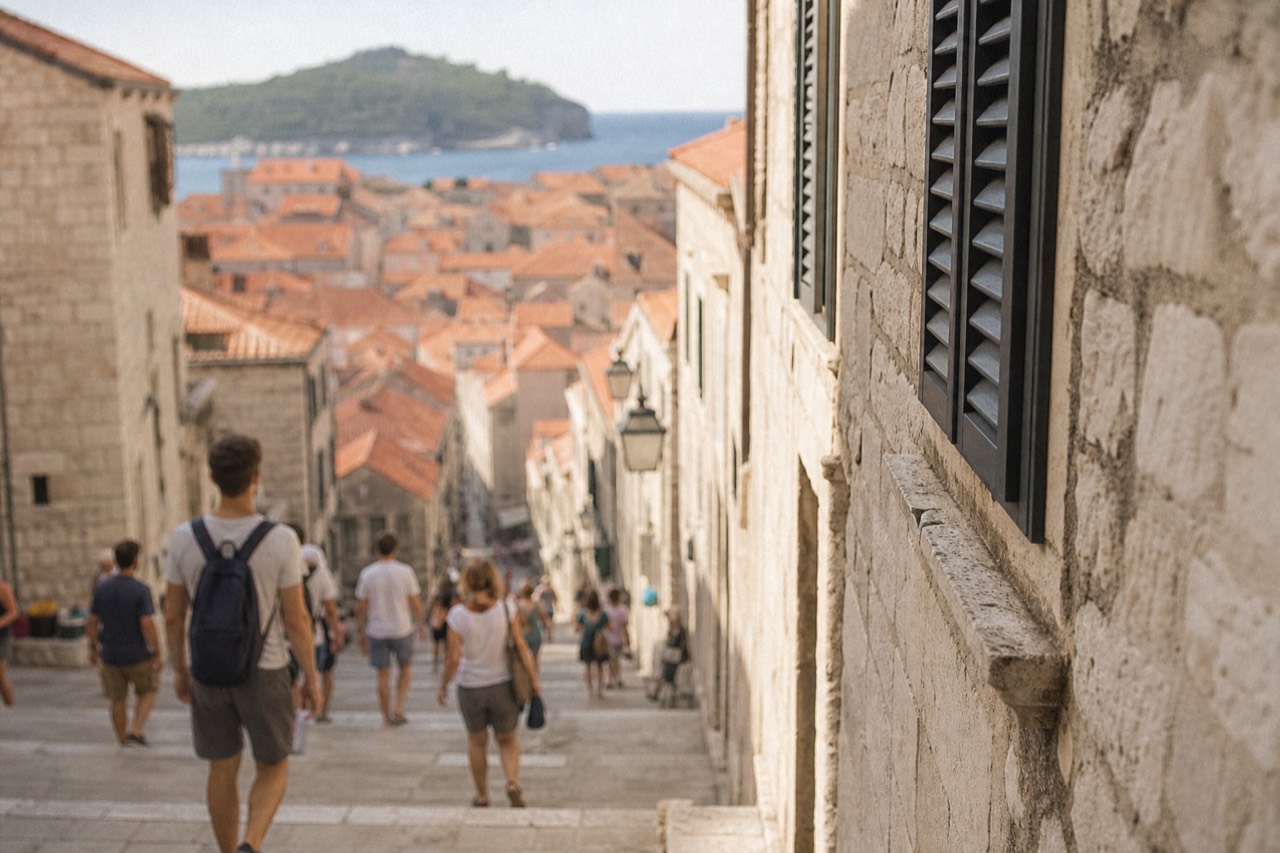
Short answer
Dubrovnik recorded 625,257 cruise passengers in 2025 and about 4.2 million overnight stays, yet the crush is not spread evenly. Cruise arrivals peak in September (101,246) and October (100,132), ahead of July and August, and the Old Town headcount tops out between 10:00 and 11:00. Visit before 08:00, after 18:00, or outside those two months.
What Is Dubrovnik Overtourism, Really?
Dubrovnik overtourism is real but narrowly concentrated: the city counted 625,257 cruise passengers across 2025 and about 4.2 million overnight stays in the same year, yet six counters at every Old Town entrance show the pressure building for roughly three hours a day, peaking at 7,739 people at 10:00 on a measured September day. The carrying capacity assessed for the UNESCO site is 11,275 people, so the Old Town rarely breaks its official limit, but it feels full long before that because everyone crowds the same two streets. I have walked these streets in every month and every hour of the day, and the difference between 07:00 and 11:00 is the difference between two cities.
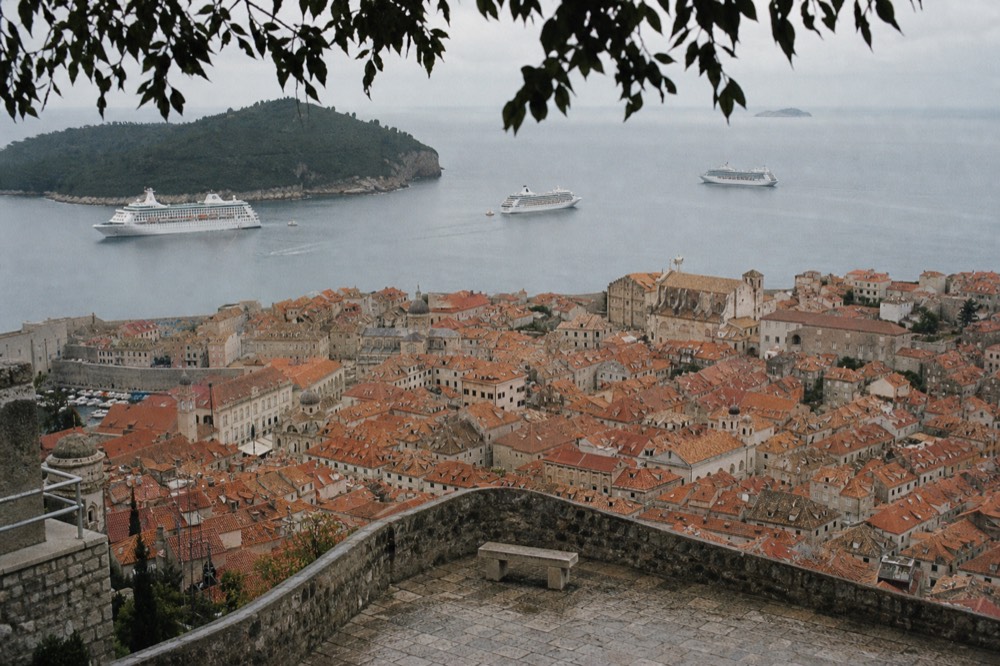
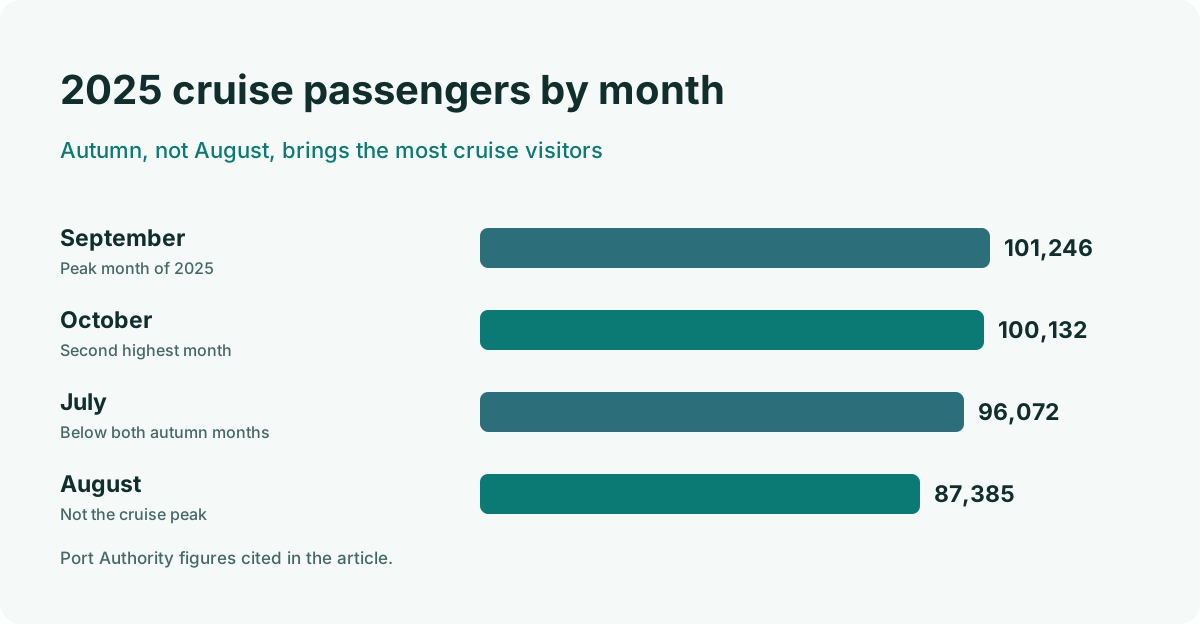
The Port Authority's own figures overturn the usual assumption that August is the worst month. In 2025, cruise passengers peaked in September at 101,246 and October at 100,132, both above July's 96,072 and August's 87,385. Anyone who has stood on the Stradun in early October knows this already: the sea is still warm, the sun still strong, and the tour groups still arriving in waves. The full-year total of 625,257 was up from 582,499 in 2024, and 461 cruise calls are scheduled for 2026, so the trend is not slowing. The Port Authority publishes these figures directly on its statistics page, and it is the only source worth quoting.
Cruise figures are also ship capacity, not feet on the street. A day listed at several thousand cruise passengers does not mean that many people inside the walls, because a share of every sailing stays aboard. The counting system that matters is the one the city runs itself: six counters at all Old Town entrances, updating every 15 minutes, published on the official visitors platform. That is where the half-hourly curve above comes from, and it is the closest thing Dubrovnik has to a live crowd forecast.
| Month 2025 | Cruise passengers | What it means on the ground |
|---|---|---|
| July | 96,072 | Busy, hot, peak hotel prices |
| August | 87,385 | Fewer cruise arrivals than July, but peak land tourism |
| September | 101,246 | The busiest cruise month of the year |
| October | 100,132 | Second busiest, with warmer sea than spring |
| November | 28,480 | Quiet streets, reduced boat schedules |
What Not to Do in Dubrovnik?
Do not walk the city walls at midday in peak season, do not arrive by cruise shuttle between 10:00 and 13:00, do not eat on the Stradun's first row of tables, and do not treat Lokrum or the beaches as add-ons you will fit in "if there's time". Each of these mistakes puts you in the densest crowd at the densest hour and pays the highest price for it. The walls at noon in July are a slow single-file shuffle in full sun; the same circuit at 08:00 takes a relaxed hour and a half with room to stop.
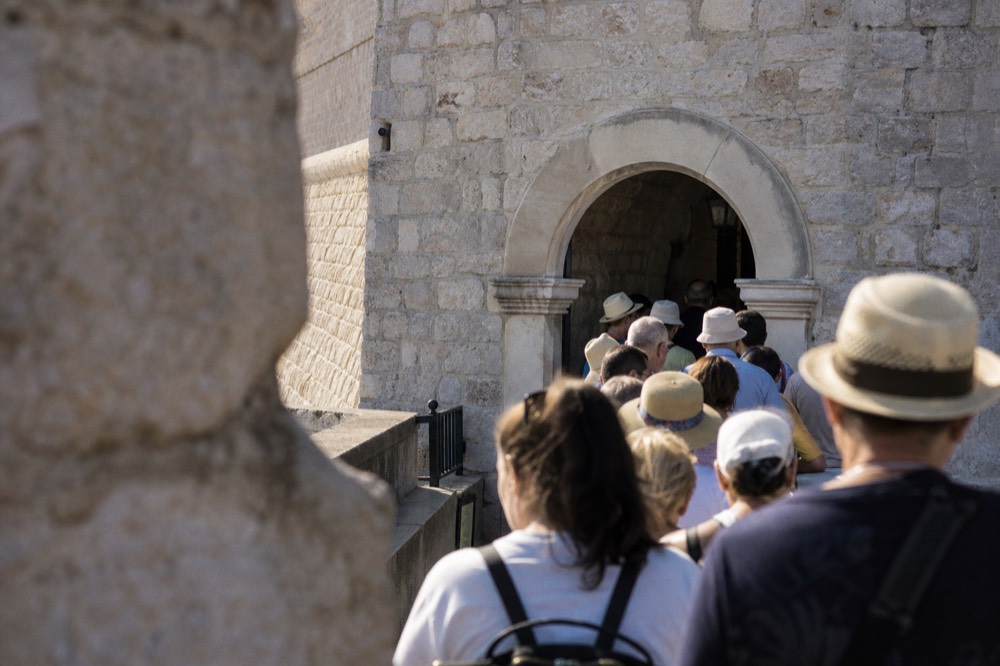
The timing mistake is the big one. The walls operator's stated hours run 08:00 to 19:30, and the counter data shows why the first hour matters: the Old Town held 5,419 people at 08:00 and 7,739 by 10:00. Walkers who start at the Pile entrance at opening time are usually past the busiest viewpoints before the cruise shuttle buses land. The same logic applies in reverse in the evening: after 18:00 the day-trippers have gone, the stone has cooled, and the light on the rooftops is better than anything midday offers.
The spending mistakes compound the timing ones. The first row of tables on the Stradun rents its view, and you pay for it. Two streets in any direction the prices drop and the cooking improves, which is exactly the argument in our guide to where locals eat in Dubrovnik. And do not buy a walls ticket from anyone other than the operator's own webshop or gate: the adult ticket is 40 euro in main season, 1 March to 30 November, and 20 euro in December, and the only ticket types sold are adult and child 7 to 18, with under 6 free. Anyone selling a "family ticket" is selling you something that does not exist.
| Common mistake | Why it backfires | Do this instead |
|---|---|---|
| Walls at midday, July or August | Peak crowd, full sun, single-file shuffle | Enter at 08:00 or after 17:00 |
| Old Town 10:00 to 13:00 | Headcount peaks at 10:00 at 7,739 | Museums or beach in the middle hours |
| Lunch on the Stradun front row | You pay for the view, not the food | Walk two streets in, or read the locals' guide |
| "Family ticket" for the walls | No such ticket exists | Adult 40 euro, child 7 to 18 at 15 euro, under 6 free |
| Trying Lokrum "if there's time" | Last boats and ticket office hours bite | Give it a half day; boats run 09:00 then every 15 minutes from 10:00 to 18:00 |
If your instinct is to see the city with someone who knows the back lanes, a guided walk moves you off the crush more efficiently than wandering alone, because guides time their routes against the crowds rather than through them. These three are the strongest fits for that job.
When to Avoid Dubrovnik?
Avoid the middle of the day between late June and early October, and specifically avoid the late-September to early-October window if crowd-averse, because cruise volume peaks in September (101,246 passengers in 2025) and October (100,132) rather than in August. The single worst hours are 10:00 to 13:00, when the Old Town headcount sits above 7,205 and the walls are at their slowest. The worst days are the handful when multiple ships overlap: 6 October 2026 carries 2 ships and up to 5,798 cruise passengers by capacity, with 29 September close behind at 5,675.
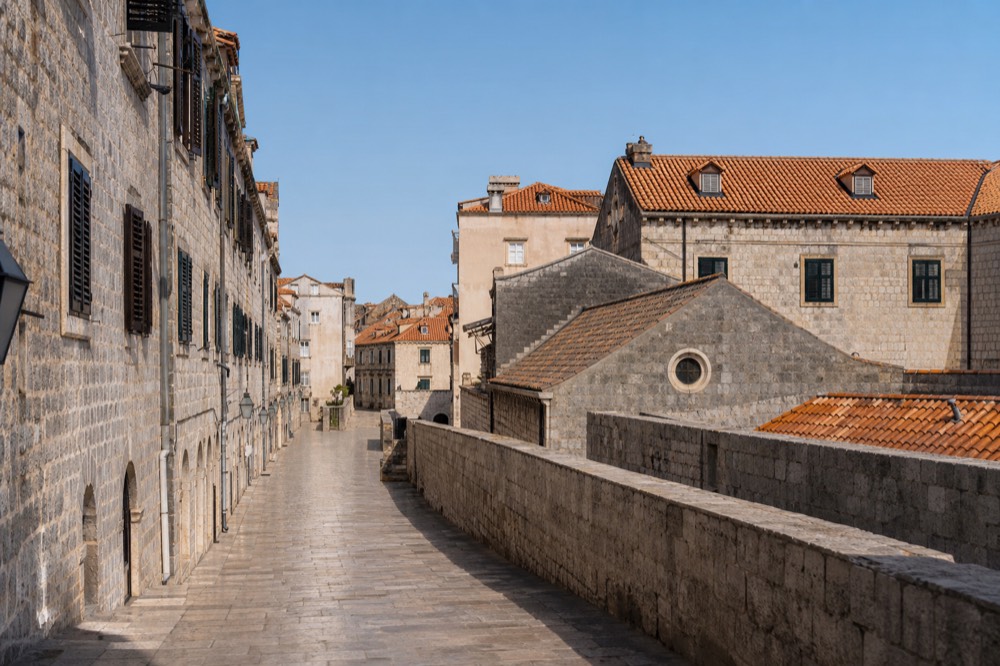
The ship schedule is public, so the worst days are not a mystery. The remaining 2026 season holds 149 ship calls across 80 cruise days, and the busiest of them are published in advance: 6 October (2 ships, 5,798), 29 September (2, 5,675), 30 September (3, 5,536) and 15 September (4, 5,273). Remember these are capacity figures, not a promise of that many people ashore, but they are the best planning signal available. If your dates are flexible, cross-check them against the schedule in our Dubrovnik cruise schedule guide before you book anything.
Season by season, the calculus looks like this. July and August bring the heat, the peak hotel rates and the land-based crowds, but slightly fewer cruise passengers than the autumn. September and early October bring the cruise peak alongside sea temperatures that are still swimmable, the September long-run average being about 23.6 degrees. November through February is genuinely quiet, with the December walls ticket at 20 euro, though the cable car closes January to March and many boat tours stop running. Our best time to visit Dubrovnik guide works through the trade-offs month by month.
| Period | Crowd level | Trade-off |
|---|---|---|
| July to mid-August | High, land tourism peak | Heat and prices, but fewer cruise calls than autumn |
| Mid-August to late September | Highest | Warm sea plus the September cruise peak of 101,246 |
| Early October | Very high | 6 October 2026 carries up to 5,798 cruise passengers by capacity |
| November | Low | 28,480 cruise passengers in the whole month; reduced schedules |
| December to February | Lowest | Walls ticket 20 euro, but cable car closed January to March |
One more timing lever people forget: the hour, not just the month. The counter curve shows 1,725 people at 06:00 and 3,139 at 07:00, against that 7,739 peak at 10:00. An early start buys you the same streets at less than half the density, and it costs nothing. The Croatian Bureau of Statistics release behind the annual volume figures is public at podaci.dzs.hr if you want the national picture alongside it.
Is Dubrovnik Worth Visiting?
Yes, and precisely because the crowds are so time-shaped rather than constant: a visitor who enters the walls at 08:00, spends 11:00 to 16:00 on a beach or up on Mount Srd, and returns to the Old Town after 18:00 experiences a city that barely matches its reputation. The UNESCO-inscribed core is 24.7 hectares of genuinely extraordinary architecture, the walls circuit is 1,940 metres long and up to 25 metres high, and the counter data proves the crush is a three-hour phenomenon, not an all-day one. Worth visiting is not even a close call; worth visiting badly is the only expensive version.
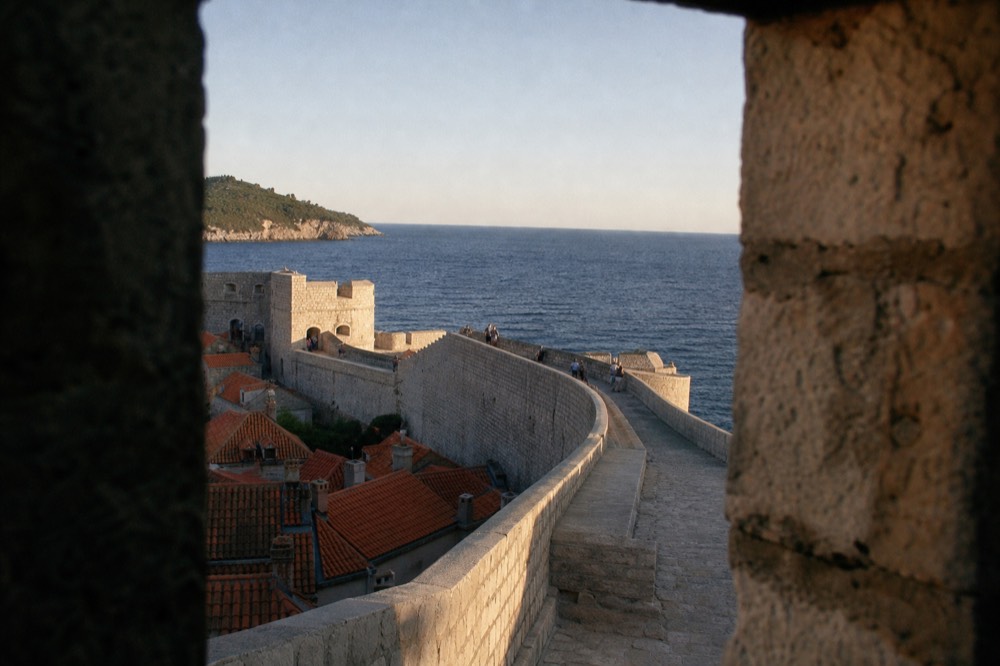
The honest framing is this: Dubrovnik's problem is not too many visitors in total, it is too many visitors in the same three hours on the same two streets. The city limits cruise passengers to 8,000 a day in most cases, and of 243 cruise days a year only 18 exceed 8,000 and only 4 exceed roughly 10,000. The carrying capacity of 11,275 is rarely approached. What makes the Stradun unbearable at 11:00 is geography, not arithmetic: a 298-metre main street absorbing everyone who arrived between 09:00 and 12:00. Everything else covered here is indexed on Things to Do in Dubrovnik.
That is why the best answer to "is it worth it" is a routing plan rather than a yes. Go up first: the cable car lifts you 367 metres to the upper terminal at 405 metres above sea level in 3 minutes 30 seconds, and from there the whole crowd problem is visible as a small dense patch you can re-enter on your own terms. The cable car and Old Town walking tour pairs exactly those two halves, rated 4.6 across 716 reviews and running about 4 hours 30 minutes from $163.50 per person.
A guest review from Fred_W captures why this format works in a crowded city: "Great tour with a great guide. Terrific views from the cable car. The old town is fascinating. We walked part of the wall because it was very hot. Sara was a fabulous guide and gave us recommendations for lunch and what else we should see."
Great tour with a great guide. Terrific views from the cable car. The old town is fascinating. We walked part of the wall because it was very hot. Sara was a fabulous guide and gave us recommendations for lunch and what else we should see.
Fred_W
For the deeper background on the city's case, our is Dubrovnik worth visiting guide works through the value question in full, and the UNESCO listing itself, inscribed in 1979 under criteria (i), (iii) and (iv), is documented at whc.unesco.org.
Is Dubrovnik Good for Beaches?
Yes, though not in the postcard sense of long sandy sweeps: Dubrovnik's beaches are small, mostly stone or shingle, and concentrated at Banje near the Old Town, Lapad Bay's developed stretch, and the quieter coves at Sveti Jakov and Copacabana, with the swimming season running roughly May to October on a sea that averages 23.6 degrees in September. The beach question matters for overtourism because the beach is the single best crowd-management tool you have: it is where you should physically be between 11:00 and 16:00, the hours the counter data says the Old Town is at its worst.
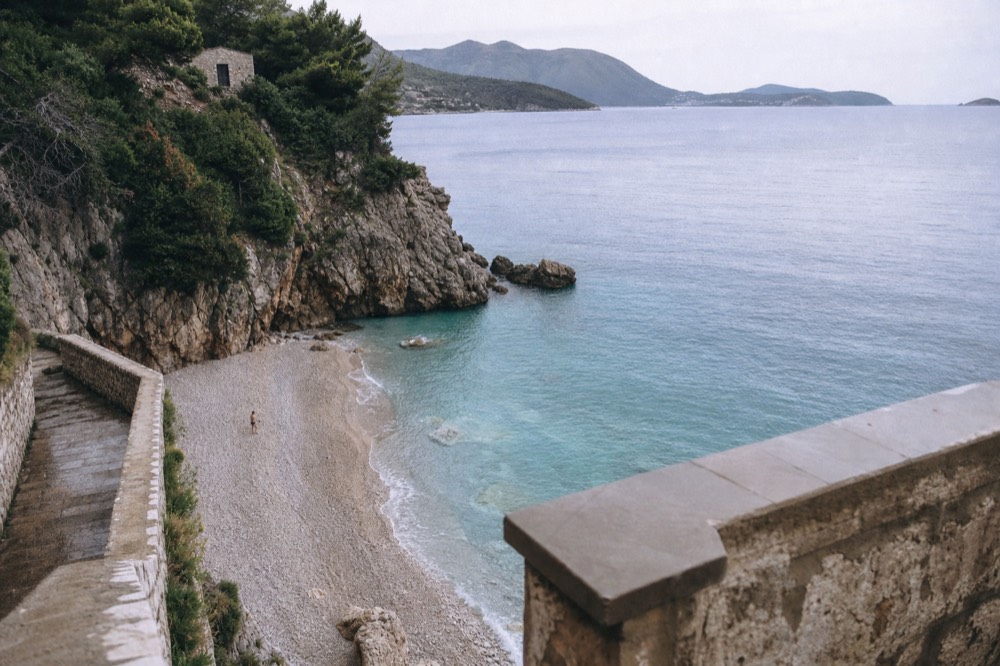
Be honest about the sea temperature numbers. The monthly figures are NOAA long-run averages for 1991 to 2020, open-water grid-cell values rather than beach readings: July averages 24.9 degrees and August 25.8, easing to 23.6 in September and 21.0 in October. Sheltered bays run warmer than that, and the Croatian met service's own Dubrovnik buoy read 27.0 to 27.4 degrees on 8 September 2026 against the 23.6 September mean. So September swimming is better than the average suggests, provided you pick a sheltered spot rather than an exposed point.
The beach hierarchy for crowd-avoidance is straightforward. Banje is the famous one, closest to Ploče Gate and therefore the most crowded, though it empties noticeably once the cruise shuttles leave. Lapad Bay is the family workhorse, a short bus ride out and never as dense as anything inside the walls. Sveti Jakov is the one worth the effort: a small beach below a monastery with the best view back over the Old Town, reached by a descent that filters out most of the crowd. Our best beach in Dubrovnik answer compares them properly.
| Beach | Surface | Crowd character | Best hours |
|---|---|---|---|
| Banje | Pebble | Closest to Old Town, busiest 11:00 to 15:00 | Early morning, late afternoon |
| Lapad Bay | Pebble and concrete | Family crowds, spread over a long bay | Any, in shoulder season |
| Sveti Jakov | Pebble | Quietest, the walk down filters numbers | Morning, before the climb heats up |
| Copacabana | Pebble | Watersports hub, Lapad peninsula | Afternoon |
| Lokrum coves | Rock | Island day trip, swims on all sides | Boats run 09:00 then every 15 minutes from 10:00 to 18:00 |
Lokrum deserves its own line in any beach answer, because it doubles as a crowd solution. The 30 euro ticket covers reserve entry and the return boat transfer, and once you are on the island the density drops sharply: most cruise passengers never make the crossing. Give it a half day rather than a rushed hour, and read our Lokrum Island guide for the practical detail.
How to Visit Lightly: Timing, Tickets and Routes
Visit lightly by entering the walls at 08:00 before the crowds build, spending midday at altitude or on the water rather than inside the packed lanes, and returning to the Old Town after 16:00 once the day-trippers have gone; buying tickets in advance and approaching on foot or by local transport keeps both your route and your impact lighter. Get the ticket arithmetic right and you save money and skip a queue at the same time, because the one-day Dubrovnik Pass costs the same 40 euro as the standalone walls ticket in main season, 1 March to 30 November, but in December the walls ticket drops to 20 euro and no winter pass tier is on sale at all.
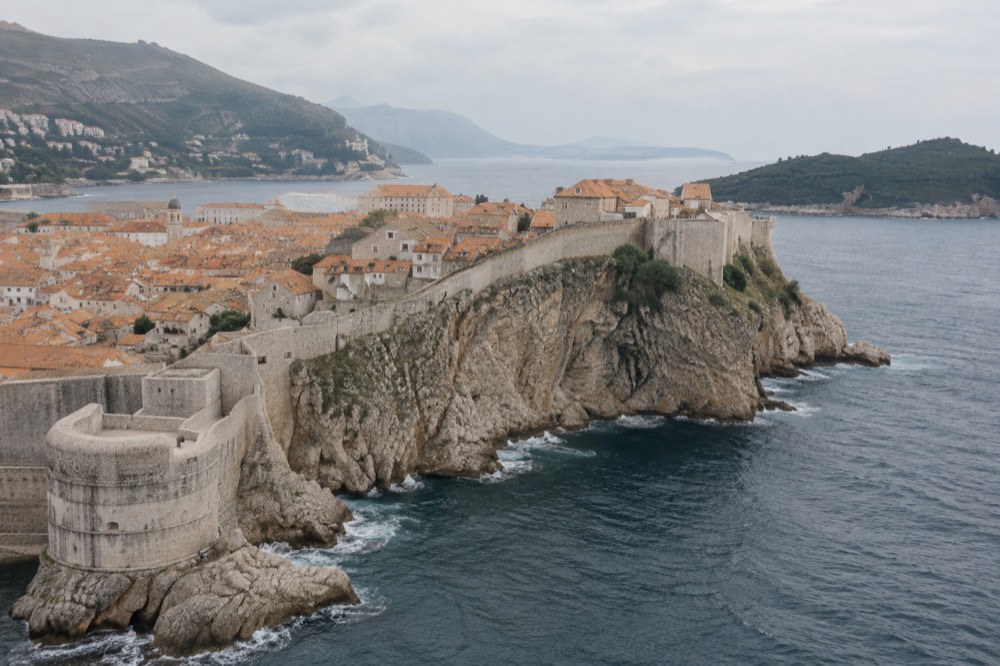
The pass comparison deserves its own sentence of care. In main season the one-day pass at 40 euro matches the walls ticket at 40 euro and adds ten more sights plus a 24-hour bus ticket; the three-day pass is 50 euro and the seven-day 60 euro, adding suburban bus coupons and House Bukovac in Cavtat. Every tier includes the walls and Lovrijenac Fortress, one visit each. But the equivalence is a main-season claim only: in December the standalone walls ticket falls to 20 euro and the pass is not on sale in any winter tier. Our Dubrovnik Pass guide has the full included list.
| Ticket | Main season (1 Mar to 30 Nov) | December |
|---|---|---|
| City Walls adult (includes Lovrijenac) | 40 euro | 20 euro |
| City Walls child 7 to 18 | 15 euro | 5 euro |
| Lovrijenac alone | 15 euro | 15 euro |
| Dubrovnik Pass 1 day | 40 euro | Not on sale |
| Dubrovnik Pass 3 day | 50 euro | Not on sale |
| Dubrovnik Pass 7 day | 60 euro | Not on sale |
Routing matters as much as tickets. The classic mistake is to do the walls, the Stradun and the Rector's Palace in one unbroken block, which puts you in the crowd for six consecutive hours. Split the day instead: walls at 08:00, cable car or a kayak loop from 11:00, museums after 15:00 when the counters fall back, dinner after 19:00 when the Old Town belongs to the people staying the night. A combined ticket that bundles the walls with a guided Old Town walk does the splitting for you, and the combo of the Old Town and the ancient city walls runs about 3 hours 30 minutes from $50.94 per person, rated 4.8 across 1,183 reviews.
If you would rather trade the walls entirely for the panorama, the cable car, walking tour and city walls combo at from $90.66 per person, rated 4.6 across 360 reviews, covers all three layers of the city in one booked morning. Whichever you choose, the principle is the same: book the structured part of your day for the crowded hours and keep the free wandering for the edges.
Off-Peak Alternatives Worth Booking Instead
The strongest anti-crowd moves are the products that physically remove you from the Old Town core during the 10:00 to 13:00 peak: a full-day Elaphite islands cruise, a Mostar and Kravica day trip across the border, a sea kayaking loop around Lokrum, or the panorama zipline over the coast, all of which leave the counters to the day-trippers while you are elsewhere on the water or in the hills. These are not consolation prizes; the most reviewed product on this entire site is the Elaphite islands cruise, rated 4.9 across 10,312 reviews, from $59.16 per person with lunch included.
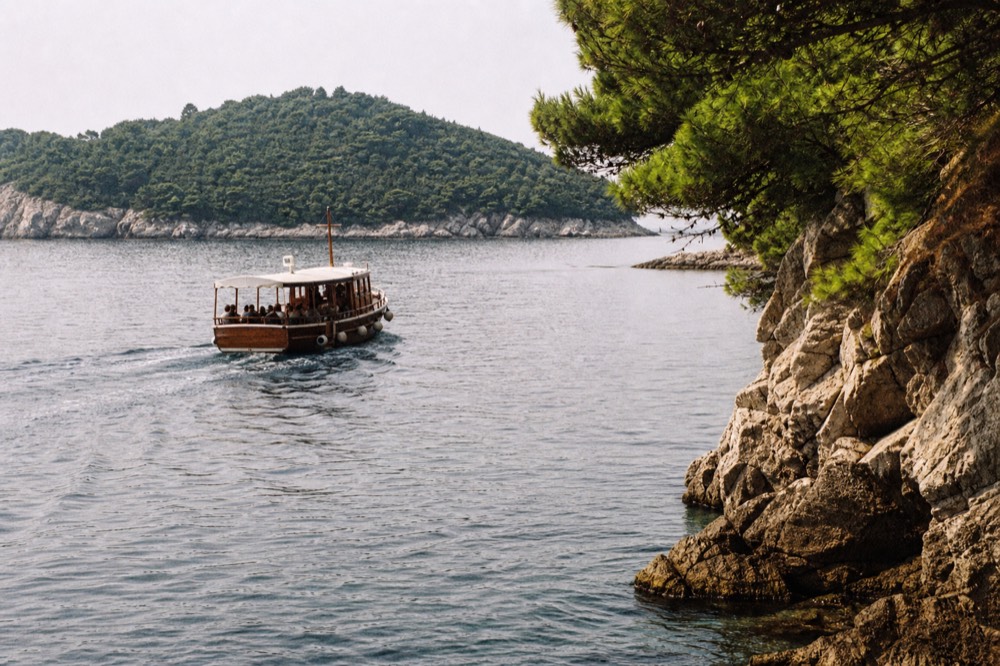
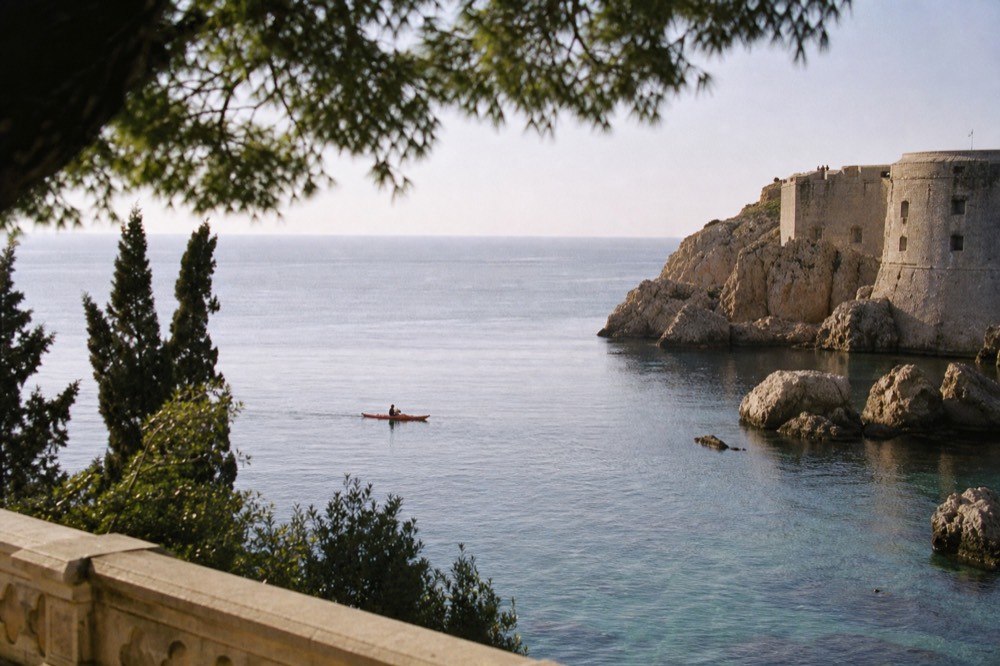
The pattern generalises. Kayaking around Lokrum and Betina Cave runs about 2 hours from $35.49 per person, rated 4.9 across 1,518 reviews, and puts you on the water while the streets behind you fill. The Mostar and Kravica day trip from $35 per person, rated 4.6 across 10,019 reviews, takes you out of the country for the day. Even the free walks help: the pay-what-you-want evening walks on GuruWalk, like the Magical Dubrovnik Nights history and legends tour rated 4.9 across 288 reviews, run after the counters have fallen. The point is not to avoid Dubrovnik, it is to avoid Dubrovnik at 11:00.
Common Questions About Dubrovnik Overtourism
When to avoid Dubrovnik?
Avoid the 10:00 to 13:00 window year-round, and avoid the late-September to early-October stretch if you are crowd-averse, because cruise passengers peak in September (101,246 in 2025) and October (100,132), above July and August. The busiest single days in the remaining 2026 schedule are 6 October (2 ships, up to 5,798 cruise passengers by capacity) and 29 September (5,675).
What Is the Tourism Problem in Dubrovnik?
The problem is concentration, not total volume. The Port Authority limits cruise passengers to 8,000 a day in most cases and the Old Town's assessed carrying capacity is 11,275 people, yet the headcount still peaks at 7,739 at 10:00 because everyone arrives and moves through the same two streets in the same three hours.
What Not to Do in Dubrovnik?
Do not walk the walls at midday in peak season, do not arrive in the Old Town between 10:00 and 13:00, do not eat on the Stradun's front row of tables, and do not buy a "family ticket" for the walls, because no such ticket exists. Only adult (40 euro main season) and child 7 to 18 (15 euro) tickets are sold, with under 6 free.
Is Dubrovnik Worth Visiting?
Yes. The UNESCO-inscribed core covers 24.7 hectares, the walls run 1,940 metres and reach up to 25 metres high, and the crowd crush is a three-hour phenomenon rather than an all-day one. Enter at 08:00, leave the core at midday, and return after 16:00 and you will see a completely different city from the one in the horror stories.
Is Dubrovnik Good for Beaches?
Yes, in the Dalmatian sense: small pebble and stone beaches rather than sand. Banje is closest to the Old Town and most crowded, Lapad Bay is the family workhorse, Sveti Jakov is the quiet one with the best view, and the sea averages 23.6 degrees in September as a long-run open-water figure, with sheltered bays running warmer.
How Many Cruise Ships Come to Dubrovnik?
461 cruise calls are scheduled for 2026, after 625,257 cruise passengers across 2025, up from 582,499 in 2024. The Port Authority refused about forty call requests in one season to keep most days under the 8,000-passenger limit, and of 243 cruise days a year only 18 exceed 8,000 passengers.