Pelješac Wine Tour From Dubrovnik: The Full Guide
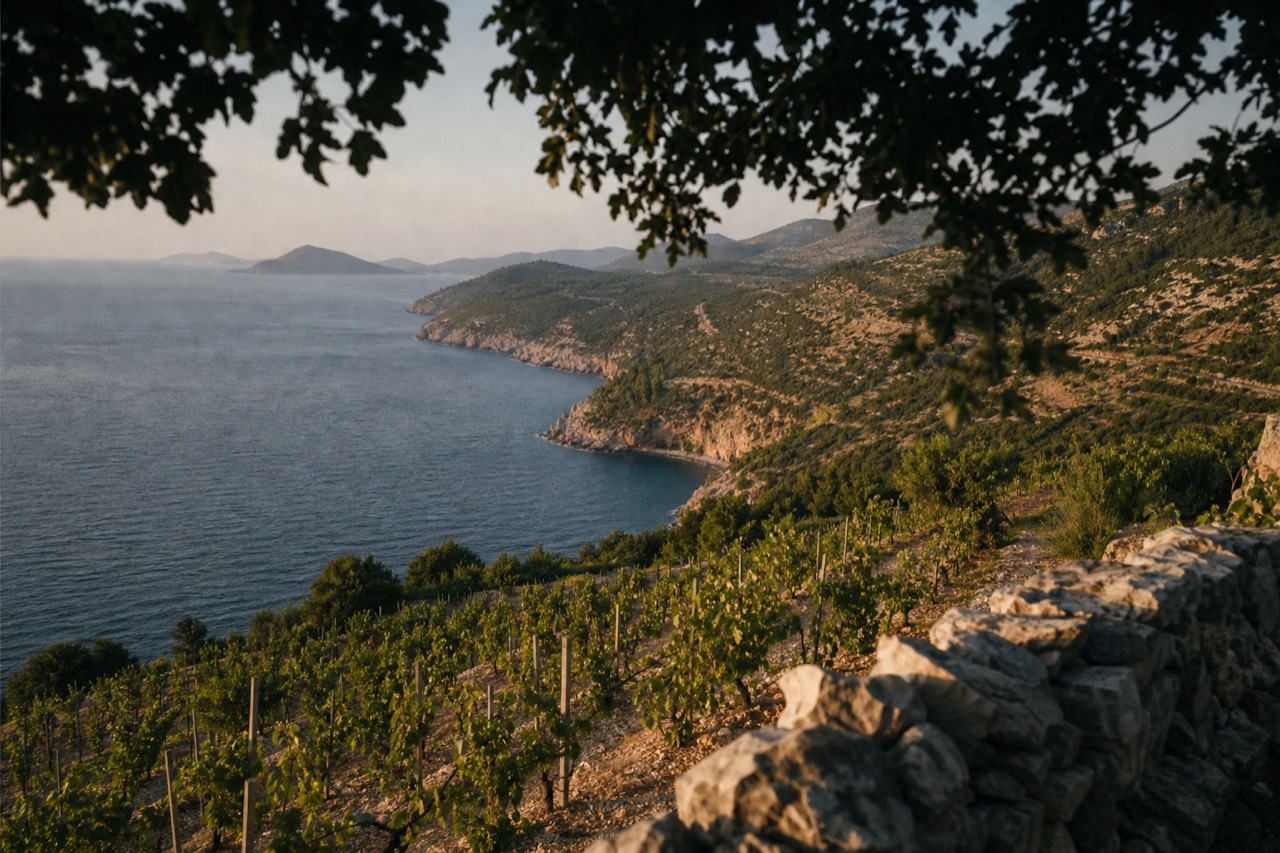
The best wine country near Dubrovnik is not on an island. It is on the Pelješac peninsula, an hour up the coast, where Plavac Mali grows on slopes so steep every grape is picked by hand.
Short answer
Yes, a wine tour from Dubrovnik is worth it. Pelješac, the peninsula an hour north-west of the city, is Croatia's great red-wine region, home to Plavac Mali and the famous Dingač appellation.
Does Dubrovnik Have Good Wine?
Yes, and more than most visitors expect. Dubrovnik sits at the southern end of the Dalmatian coast, one of the oldest wine regions in the Mediterranean, and the local speciality is a powerful red called Plavac Mali, grown on steep, stony slopes within an hour of the city. The city recorded about 4.2 million overnight stays in 2025, sharing first place among Croatian destinations with Rovinj.
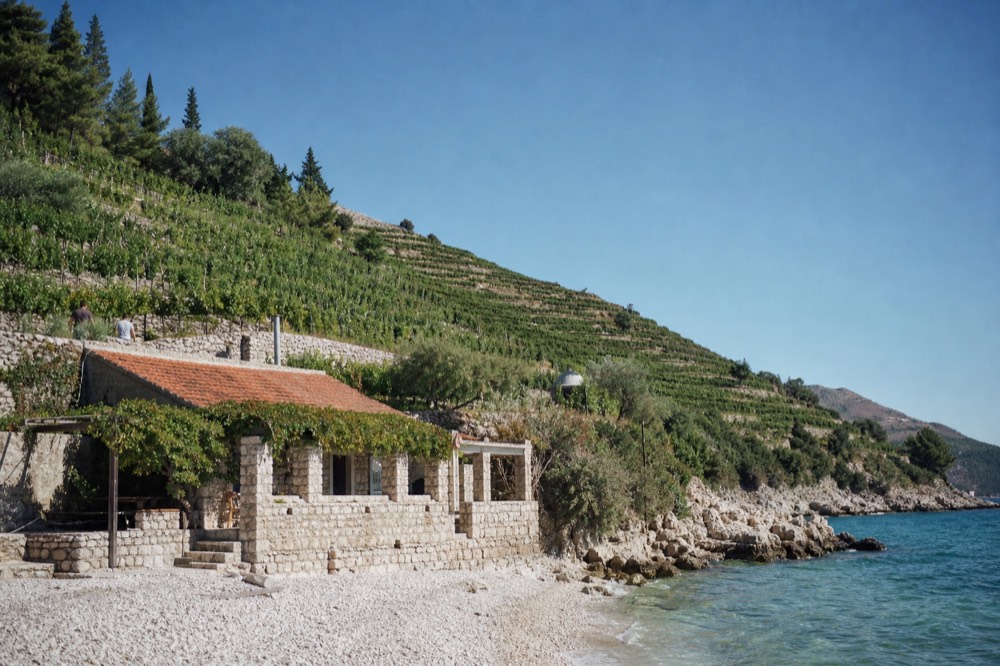
That is a shame, because the wine country starts almost at the city limits. The Konavle valley, the fertile plain south-east of the airport, has been Dubrovnik's kitchen garden and vineyard for centuries, and several family wineries there welcome visitors for tastings. An hour up the coast, the Pelješac peninsula takes over: a long, mountainous finger of land where the vineyards climb slopes so steep that no machine has ever harvested them. Further along the same peninsula, at Dingač, the vines grow on a slope that drops straight into the sea.
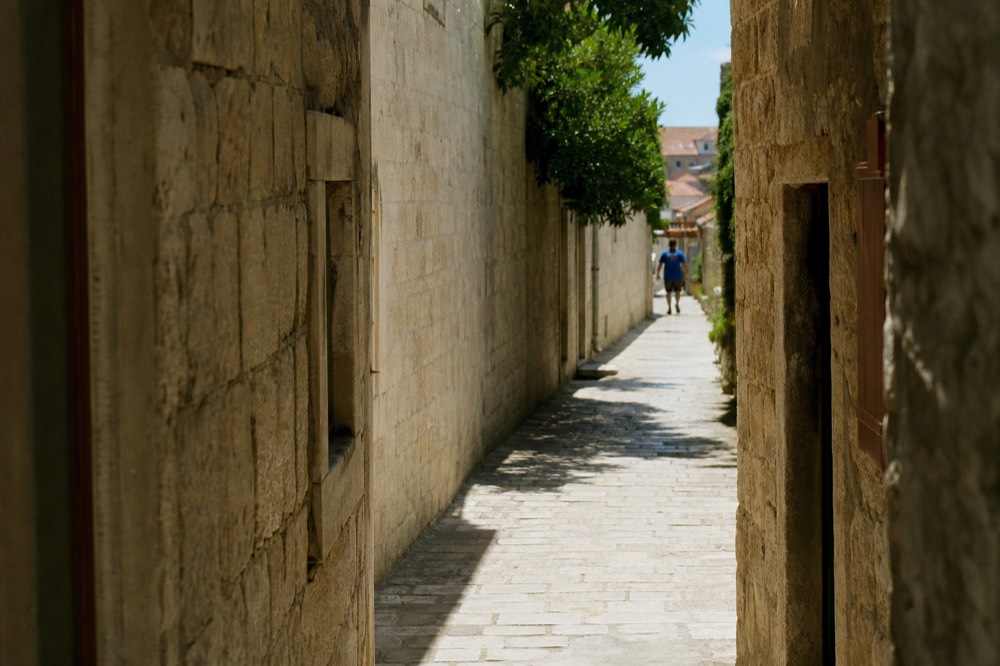
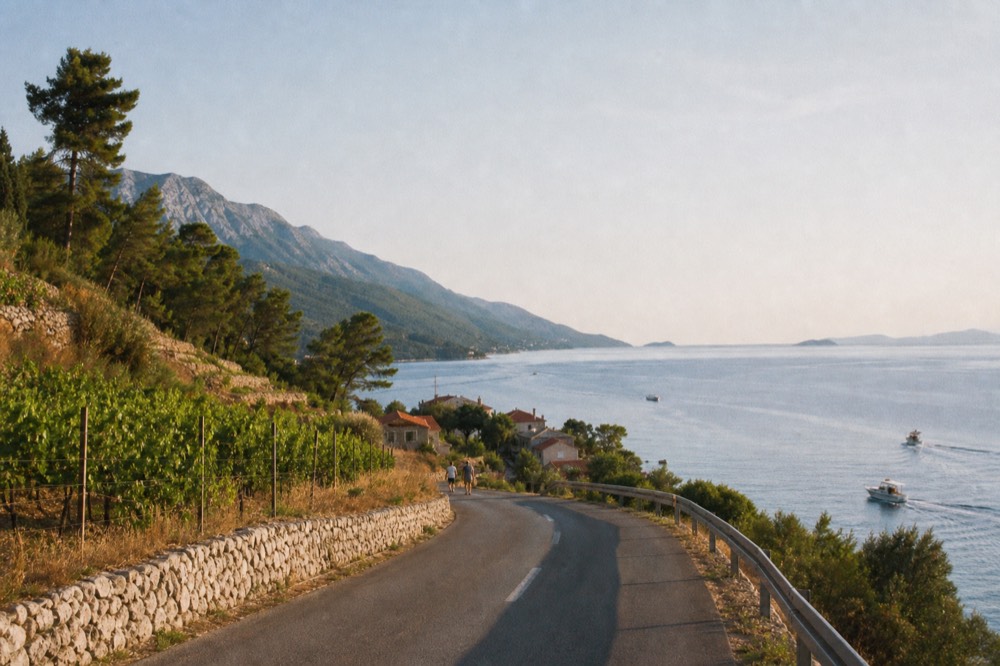
I have driven this coast many times, and the thing that surprises people is how quickly the landscape changes. One minute you are in the crowds around the Stradun, that 298-metre limestone street the 1272 Statute fixed in place, and the next you are on a narrow road above terraced vineyards with nothing but pine and stone in view. The contrast is the whole point of the trip.
The practical answer for a visitor is simple. If you have one free day and want wine, you have three realistic options: a half-day tasting in Konavle close to town, a full-day loop of Pelješac with its cellars and oyster farms, or a food and drink walk inside the Old Town itself. Each suits a different kind of traveller, and this guide covers all three.
| Wine region | Distance from Dubrovnik | Signature wine | Best tour format |
|---|---|---|---|
| Konavle valley | Under an hour south | White and red blends, family cellars | Half-day tasting |
| Pelješac peninsula | About an hour north-west | Plavac Mali, Dingač | Full-day loop with lunch |
| Ston and Pelješac coast | Just over an hour north-west | Plavac Mali plus oysters | Full day with oyster lunch |
| Dubrovnik Old Town | On foot | Regional pours at bars and taverns | Evening food and drink walk |
What Wine Is Dubrovnik Known For?
Dubrovnik is known for Plavac Mali, a thick-skinned red grape that thrives on the steep, sun-baked, stony slopes of southern Dalmatia. Its most celebrated expression comes from Dingač, a protected slope on the Pelješac peninsula where the vineyards face the sea. The region also produces Pošip and other whites, but Plavac Mali is the name that travels.
Plavac Mali is a demanding grape. It ripens late, it needs poor soil and a lot of sun, and it gives small, concentrated berries that make deep, tannic reds with a mineral edge from the stone they grow on. The best sites are the least sensible ones: slopes so steep that everything, pruning to picking, is done by hand, and in some old vineyards on stone terraces that have not changed shape in living memory. The hardship is the flavour. Vines stressed by drought and stone produce the grapes winemakers want.
Dingač is the crown of that. It is a specific, protected hillside on the southern side of Pelješac where the slope faces the open sea and the sun reflects back off the water, ripening the grapes harder than anywhere else on the coast. A bottle labelled Dingač comes only from that slope, and it is the wine most locals will put in front of you if they want to show off. Our guide to Plavac Mali goes deeper into the grape itself, and the Dingač explainer covers the appellation and why it costs what it costs.
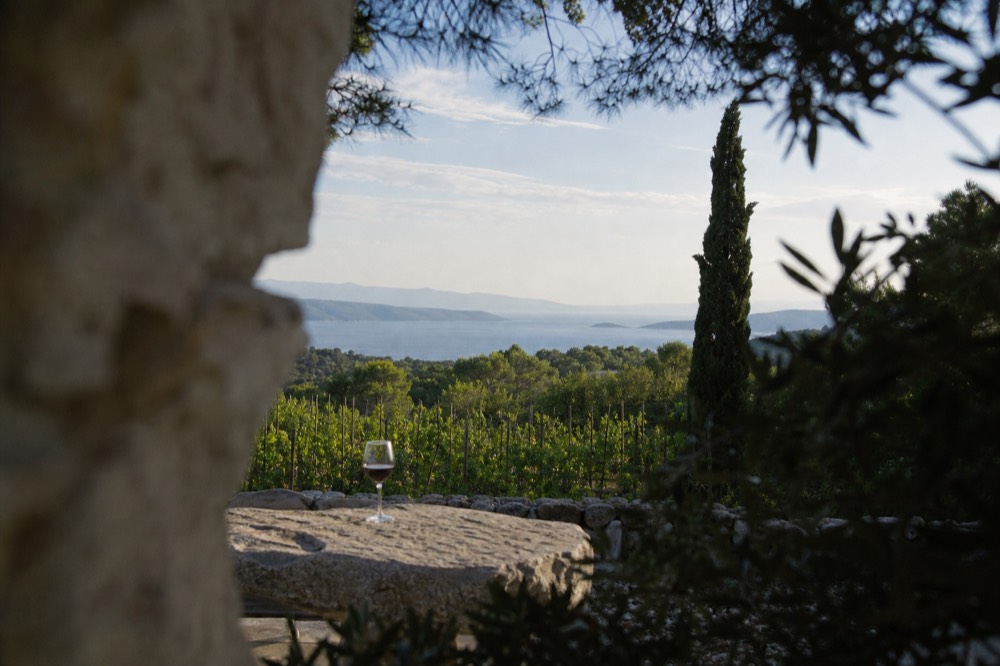
Whites matter too. Pošip, originally from the island of Korčula just across the water from Pelješac, is the region's best-known white: full, dry and food-friendly. Many Pelješac wineries pour a white alongside their reds, and a good tasting room will walk you through both. If your palate runs to whites, a day that combines Pelješac with a Korčula crossing is the strongest wine itinerary on this coast, and the Korčula day trip guide covers the logistics.
| Wine | Type | Home ground | What it tastes like |
|---|---|---|---|
| Plavac Mali | Red | Pelješac, southern Dalmatia | Dark fruit, firm tannin, mineral finish |
| Dingač | Red | One protected sea-facing slope, Pelješac | Concentrated, powerful, ages well |
| Postup | Red | Western Pelješac | Ripe and full, softer than Dingač |
| Pošip | White | Korčula | Dry, full-bodied, citrus and stone fruit |
Is a Wine Tour From Dubrovnik Worth It?
**For most visitors, yes. The best vineyards are an hour or more from the city, the tasting rooms keep irregular hours, and driving after tasting is a bad idea on coastal roads, so a tour solves the three real problems at once.
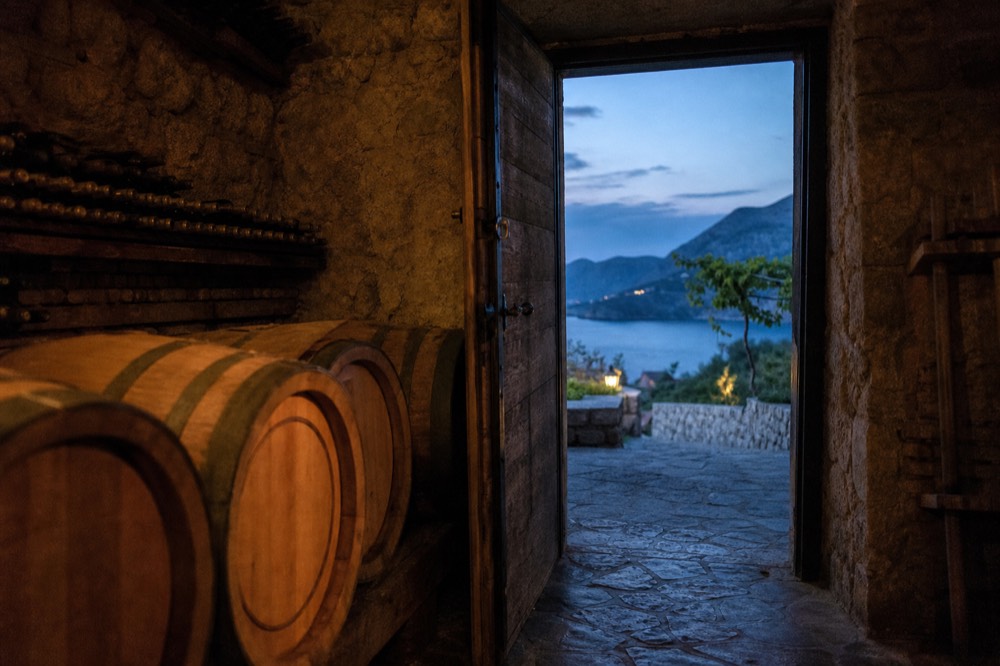
The economics only tell half the story. A good guide knows which cellar is pouring its reserve that week, which family is in the room that day, and what the difference between a Postup and a Dingač actually means when you taste them side by side. Self-driving also means one person in the group stays sober all day on the most scenic road in the region, which is a small tragedy, and self-driving costs roughly $40 in fuel, tolls and tasting fees with no one to explain what is in the glass.
If you would rather stay in town, the food and drink walking tours solve the problem differently: they bring the wine to you, poured at Old Town taverns alongside the food that goes with it. Here are the three strongest options for a wine-focused day, at three price points and two formats.
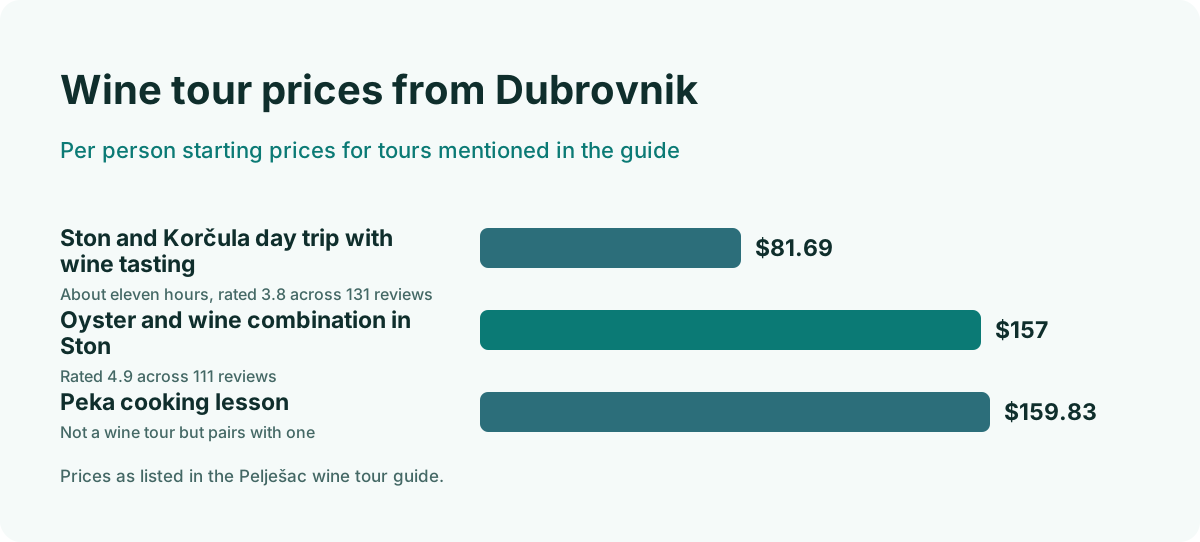
The Peka cooking lesson, from $159.83 per person, is not a wine tour at all but pairs beautifully with one, because peka, the Dalmatian dish of meat or octopus slow-cooked under a domed lid in embers, is exactly the food these reds were made for. And the food and drink walk, from $165.64 per person and rated 5 across 704 reviews, keeps you on your feet in the Old Town with a local guide leading you from stop to stop.
One recent guest on that food walk put it better than a description can:
Amazing food tour! Marija was a great guide, full of stories and facts that really brought Dubrovnik to life. The food was delicious, and generous. Wines at every stop. Would highly recommend this tour to anyone visiting Dubrovnik, especially to help get your bearings of the city and know where to go for dinner!
Bryan_M
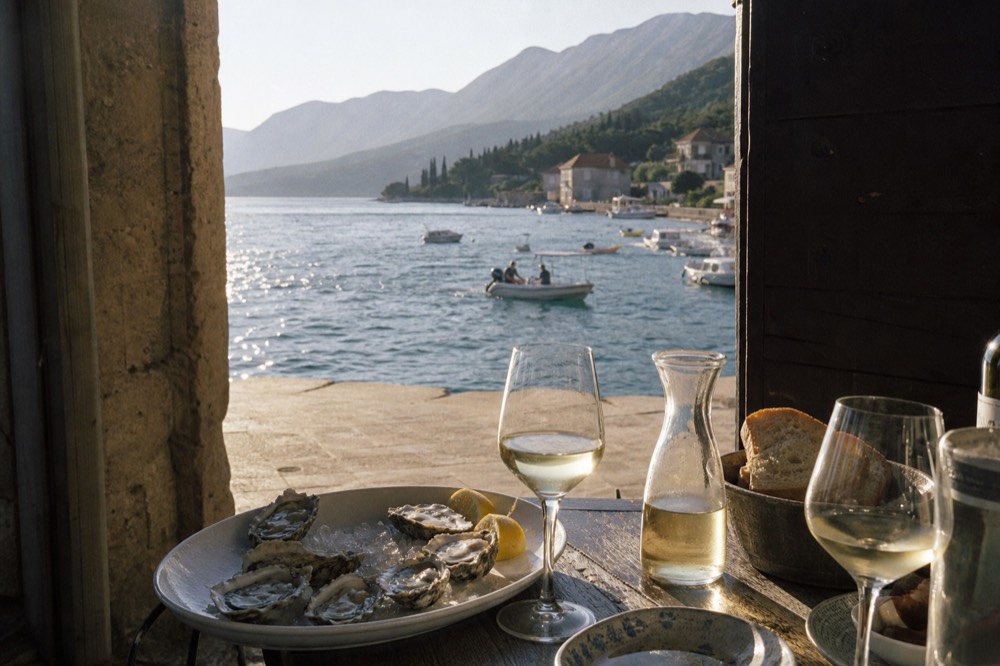
For a full Pelješac day, the oyster and wine combination is the one I would point most people at. The tour runs from $157 per person, is rated 4.9 across 111 reviews, and builds the day around Ston, the oyster-farming town at the base of the peninsula, where you taste shellfish pulled from the water that morning alongside the local whites and reds. Oysters and Plavac Mali sound like an odd couple until you try them.
What Not to Do in Dubrovnik?
The mistakes to avoid are all timing and crowding errors: don't walk the city walls at midday in summer, don't try to combine a Pelješac wine day with an evening Old Town itinerary, don't buy wine from the first shop by the gate, and don't drive yourself to tastings. The walls alone can take two hours in full sun, and the Old Town regularly fills past its 11,275-person capacity between mid-morning and late afternoon.
I plan days around the crowd curve because it is predictable. The counters at the Old Town gates update every 15 minutes, and on a busy September day the count climbs from 3,139 at 07:00 to a peak of 7,739 at 10:00, then eases to 7,205 by 11:00. That mid-morning peak is exactly when the wine country is at its emptiest, which is why a wine tour is the single best use of those hours. You leave the crush behind and come back to a town that has exhaled.
The other mistakes are money mistakes. Wine bought at the airport or in souvenir shops near Pile Gate carries a markup and often a shelf-life problem; buy from the winery you visited, where the price is the cellar door price and the bottle has a story attached. And don't skip lunch: Dalmatian wine is high in alcohol and tannin, and tasting on an empty stomach ends days early. Every good tour builds food in, which is one more argument for booking one rather than improvising.
A final word on the walls, because the mistake costs real money. The adult ticket is 40 euro in main season, 1 March to 30 November, and 20 euro in December, and it is actually a combination covering Fort Lovrijenac and the Western Outer Wall as well. The one-day Dubrovnik Pass costs the same 40 euro in main season and adds ten more sights plus a 24-hour bus ticket, which makes it the better buy if you are doing anything beyond the walls. In December that comparison collapses: the walls ticket drops to 20 euro and no pass tier is on sale at all, so buy the standalone ticket. Our Dubrovnik Pass guide has the full breakdown.
How Do You Plan a Pelješac Wine Day Yourself?
Drive or book a tour, leave by 09:00, and work the peninsula in order: Ston for oysters first, then the wineries of Postup and Dingač, then the village of Orebić before the return. Allow a full day, roughly eight to ten hours door to door, and book at least one cellar in advance because the best tasting rooms are small family operations that open by arrangement.
The road is the itinerary. You leave Dubrovnik north-west on the coastal road, cross into Pelješac at Ston, and then the peninsula unrolls: oyster farms at Ston, walls above it, then the vineyards climbing as the road rises towards Postup and Dingač, and finally Orebić looking across the channel at Korčula. Tasting fees usually run a modest per-person amount at family cellars, often waived against a bottle purchase, so check with each room rather than expecting a fixed tariff.
| Stop | What it is | How long to allow |
|---|---|---|
| Ston | Oyster and mussel farms, salt pans, town walls | 1 to 2 hours with a tasting |
| Postup area | Family wineries on the western slopes | 1 to 2 hours per cellar |
| Dingač | The famous sea-facing slope and its cellars | 1 to 2 hours |
| Orebić | Waterfront village, views to Korčula, swim stop | 1 hour or more |
Season matters more than most guides admit. September and October are the sweet spot: harvest is under way or just finished, the sea is still swimmable, and the cruise data explains why the peninsula beats the city, because September and October were the two busiest cruise months of 2025 at 101,246 and 100,132 passengers. Those passengers are all in the Old Town, not in the vineyards. The Port Authority's own figures, published at its statistics page, are worth a look if you enjoy planning around numbers.
What About Konavle Instead of Pelješac?
**Konavle is the half-day answer when you cannot give a full day to wine. The valley lies south-east of the airport, the drive is short, and several family wineries run structured tastings with a light meal included.
The trade-off is character. Konavle is green, gentle and close; Pelješac is dramatic, remote and famous. If your trip is short, or you have an evening plan in the city, Konavle gives you cellar doors and local pours without surrendering the whole day. If wine is the point of the trip, Pelješac wins on every axis that matters: the slope, the sea, the appellations and the oysters.
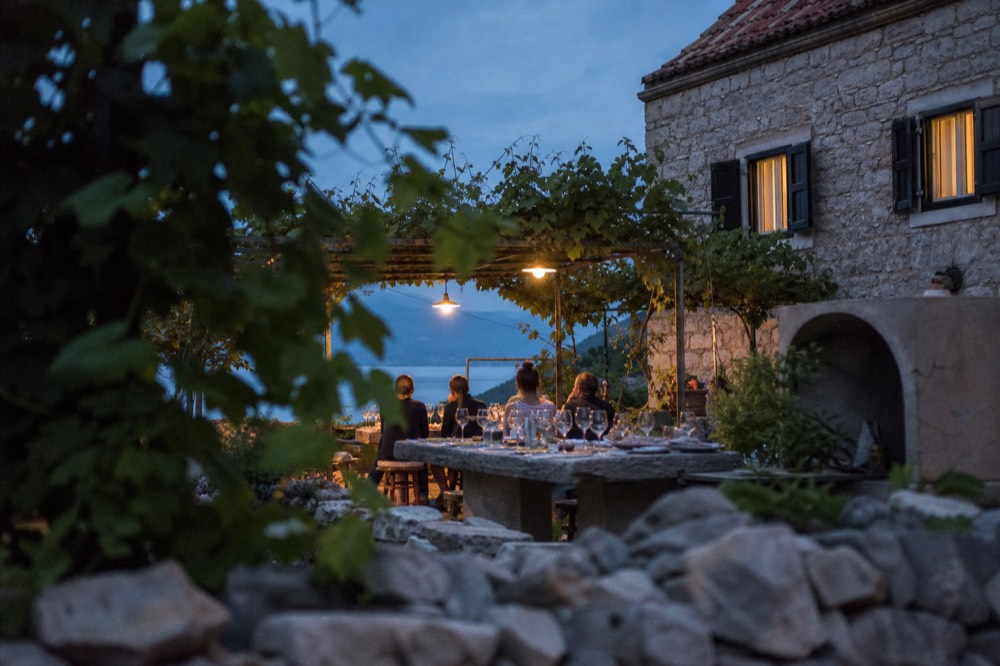
Konavle also combines well with a border-crossing day, because the valley sits close to the Montenegro frontier, and with a visit to Cavtat, the small seaside town at its southern edge. The three-day and seven-day Dubrovnik Pass tiers even include suburban bus coupons usable for a trip to Cavtat, though the pass itself covers cultural sights rather than wineries, so treat that as transport, not entry.
Which Wine Tour Should You Actually Book?
Book the Konavle tasting if you have half a day, the Ston oyster and wine tour if you want the full Pelješac experience with lunch built in, and the Old Town food and drink walk if you would rather not leave the city at all. All three run to a high standard on the live listings, with free-cancellation terms on most, and the choice is really about how much of your day you want to give to wine.
For travellers who want one day that stitches it all together, the Ston and Korčula day trip with wine tasting, from $81.69 per person, is the widest loop: peninsula, oysters, a crossing to Korčula and a tasting, in about eleven hours. It is rated 3.8 across 131 reviews, lower than the pure wine days, which usually reflects the long drive rather than the wine. Our Ston oysters guide and the wine tasting overview go deeper on the cellar side, and the wider Things to Do in Dubrovnik collection has the rest of the city covered.
| Tour | Format | From (per person) | Rating |
|---|---|---|---|
| Oyster, Mussels and Wine Tasting in Ston | Full day, oyster lunch included | $157 | 4.9 across 111 reviews |
| Ston and Korčula Day Trip with Wine Tasting | Full day, island crossing included | $81.69 | 3.8 across 131 reviews |
| Food and Drink Walking Tour, Old Town | On foot in the city, about 3 hours | $165.64 | 5 across 704 reviews |
Whichever you choose, book ahead for September and October. Those are the busiest cruise months of the year on this coast, ahead of July and August, and the good small tours fill first. The Croatian Bureau of Statistics recorded 4.2 million overnight stays in Dubrovnik in 2025, and a growing share of those visitors have read the same advice you are reading now.
Common Questions About a Pelješac Wine Tour From Dubrovnik
Does Dubrovnik have good wine?
Yes. Dubrovnik sits beside one of the Mediterranean's oldest wine regions, and the local speciality is Plavac Mali, a powerful red grown on steep stony slopes within an hour of the city. Family wineries in the Konavle valley and on the Pelješac peninsula both welcome visitors for tastings.
What wine is Dubrovnik known for?
Plavac Mali, and above all its Dingač expression, grown on a protected sea-facing slope on Pelješac. The region's best-known white is Pošip, originally from the island of Korčula across the channel.
Is a wine tour from Dubrovnik worth it?
For most visitors, yes. The best vineyards are an hour or more away, tasting rooms keep irregular hours, and someone has to drive back on coastal roads.
What not to do in Dubrovnik?
Don't walk the walls at midday in summer, don't try to combine a full wine day with an evening itinerary, don't buy wine at airport or gate-side shops, and don't self-drive to tastings. The Old Town regularly fills past its 11,275-person capacity between mid-morning and late afternoon.
How many days do you need for wine country?
One well-planned day covers Pelješac properly: Ston, two or three cellars and a swim stop, in eight to ten hours. A half-day in Konavle is the alternative when your schedule is tight.