Dingač Wine: Croatia's Famous Plavac Mali From Pelješac
Dingač is the name that comes up whenever anyone asks about Croatian red wine, and it is one of the first things I point people toward when they have a spare day on the coast. Here is what it is, why it matters, and how to actually taste it.
Short answer
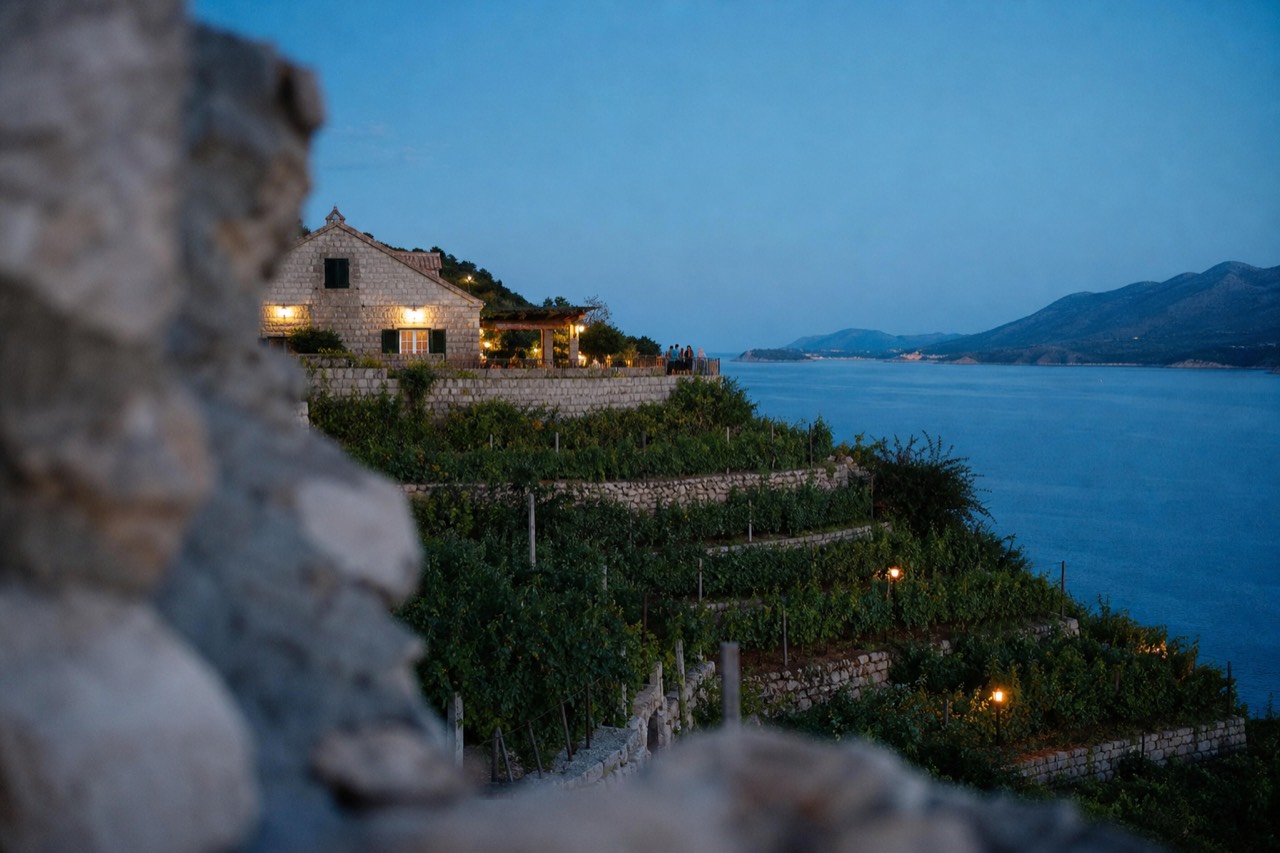
Dingač is a protected red wine made from Plavac Mali grapes grown on the steep southern slopes of the Pelješac peninsula, about an hour from Dubrovnik.
Dingač Wine: Croatia's Famous Plavac Mali From Pelješac
Every wine region has one name that travels further than the rest. In Croatia, that name is Dingač, a dense red grown on slopes so steep that everything has to be done by hand, on a peninsula you can see from the walls of Dubrovnik on a clear afternoon. Travellers taste it once in a konoba, ask what it is, and then spend the rest of the trip trying to find it again.
I have walked the Pelješac hillsides and the coast road below them more times than I can count, and the place still surprises people. This guide covers what Dingač actually is, how it fits into the wider question of what Croatia is famous for, and the practical ways to taste it while you are based in Dubrovnik, including the wine tours that earn their price.
What Is Dingač Wine?
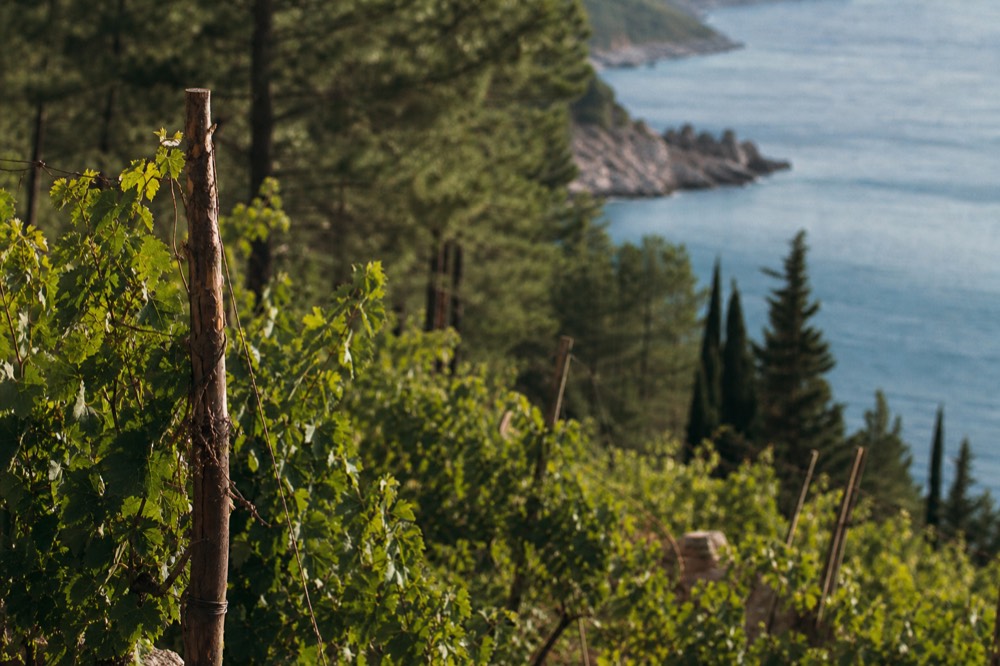
Dingač is a protected, geographically specific red wine made entirely from Plavac Mali grapes grown on a single defined stretch of steep, sun-facing slopes on the Pelješac peninsula in southern Dalmatia. It is not a grape and not a producer: it is a place, and only wine from those slopes may carry the name. The vines grow on terrain so steep that grapes were historically hauled up by donkey.
That last detail is not decoration. The southern slopes of Pelješac rise sharply from the water near the villages of Dingač and Potomje, and the angle of the hillside is the whole story of the wine. The vines face the sun and the reflective sea at the same time, the soil is thin and stony, and the grape bunches grow small and concentrated because the plant has to fight for everything. Low yields and old, gnarled vines are exactly what you want in a serious red.
The wine itself is typically deep in colour, high in alcohol relative to cool-climate reds, tannic when young, and full of dark fruit with a warm, herbal, sometimes dried-fig character that people either fall for immediately or learn to love. Plavac Mali, the grape behind it, is the most planted dark variety on the Dalmatian coast and appears under various local names up and down the region, but it is on these specific slopes that it reaches its most concentrated form.
If you have read our broader Plavac Mali grape primer, you already know the variety. Dingač is that grape's flagship address, the way a single hillside can define a whole country's idea of what its red wine should taste like.
What Is the Best Wine From Croatia?
There is no official answer, but among reds the argument usually comes down to Dingač and its neighbouring slopes on Pelješac, while whites centre on Pošip and Grk from the islands and Malvazija from Istria in the north. Dingač is the name with the longest-standing reputation and the one most likely to appear on a serious Croatian wine list. Ask ten sommeliers and you will get ten rankings, but Dingač is never absent from the list.
Croatia's wine story is really two stories. The coastal half, Dalmatia, works with sun-soaked indigenous reds and island whites, and Plavac Mali is its backbone. The continental half, Slavonia and the inland hills, builds on Graševina and fresh, Central European styles. A traveller based in Dubrovnik is firmly in the first story, and Dingač is its loudest chapter.
What makes the "best wine" question hard is that Dalmatia rewards comparison rather than a single winner. A Plavac from the neighbouring slopes of Postup, which share the same protected-status logic as Dingač, can be more elegant and less powerful. An island Pošip can be more refreshing on a hot afternoon than any red. The honest advice I give visitors is to taste across the region rather than hunt one trophy bottle, and to treat Dingač as the reference point every other local red gets measured against.
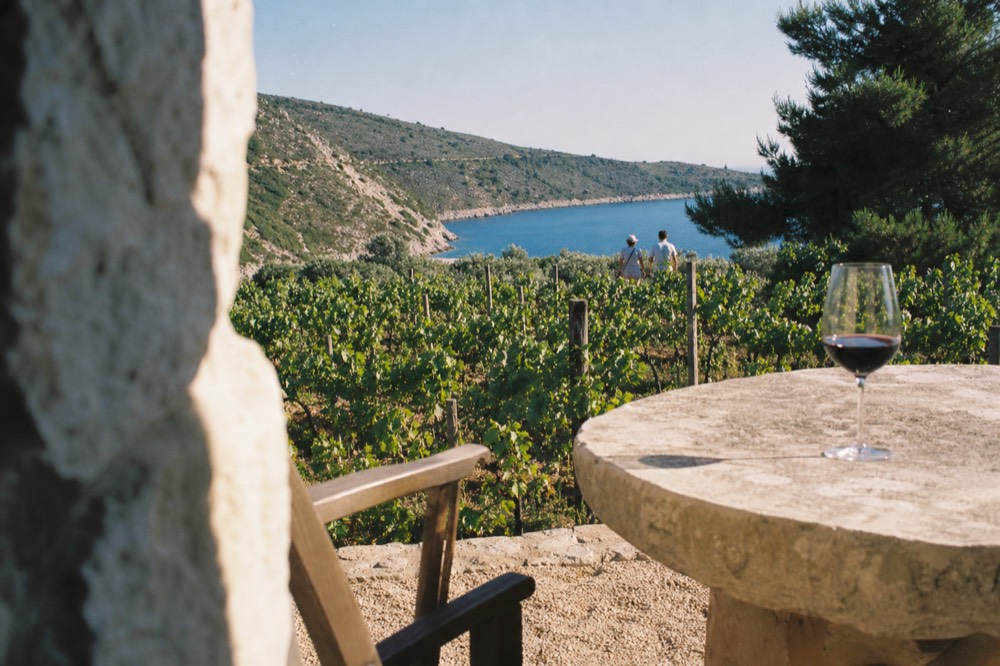
For most visitors, the practical version of that advice is a guided tasting. A good guide explains what you are drinking, pours you the comparison flights you would never assemble yourself, and handles the driving on roads where you absolutely should not be behind the wheel after the third winery.
What Is Croatia Famous For?
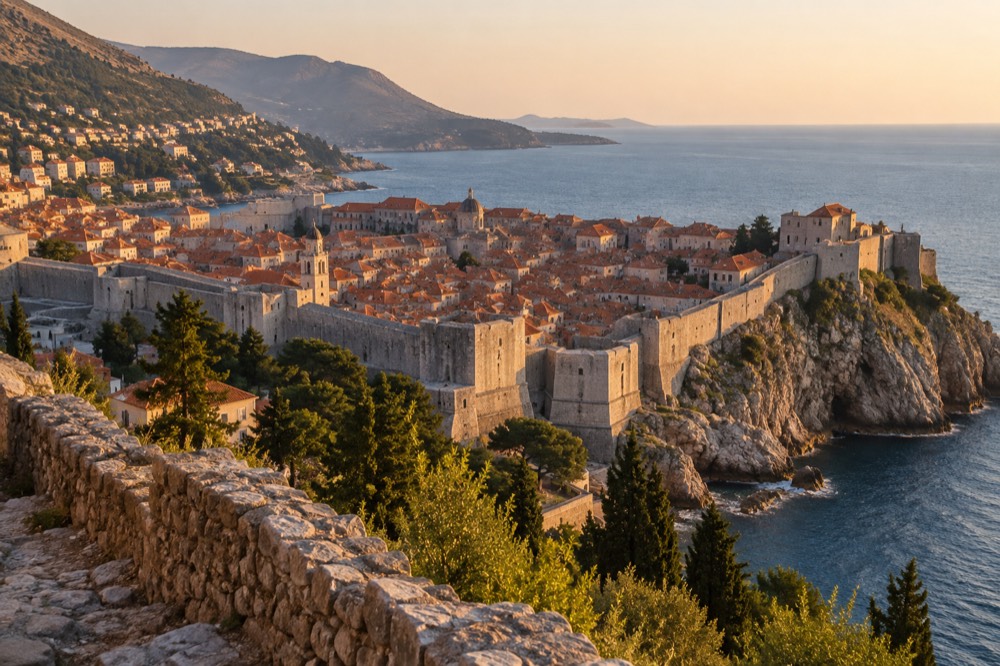
Croatia is famous for its walled Adriatic cities, its islands, Game of Thrones filming locations, its long coastline, and increasingly its food and wine, with Dubrovnik as the single most recognised name. Dubrovnik recorded about 4.2 million overnight stays in 2025, sharing first place among Croatian destinations with Rovinj, according to the Croatian Bureau of Statistics. Wine, and Dingač in particular, is the quiet half of that fame.
The numbers behind that fame are worth knowing because they shape your trip. The Old City of Dubrovnik was inscribed by UNESCO in 1979 under criteria (i), (iii) and (iv), covering a property area of 24.7 hectares, and it sat on the List of World Heritage in Danger from 1991 to 1998. The city counted 41,562 inhabitants at the 2021 census. Those are small figures carrying an enormous global reputation, which is exactly why the town can feel saturated by mid-morning while the wine hills an hour away stay almost empty.
The counter-intuitive part, and the fact I repeat to anyone timing a visit, is that cruise passengers in 2025 peaked in September at 101,246 and October at 100,132, above July's 96,072 and August's 87,385, according to Port Authority data. September is not the calm shoulder month most people imagine. If you are planning a wine day out of the city, that matters: the peninsula is never the problem, but the departure point can be.
Food and drink are the fastest-growing part of Croatia's reputation. Oysters from Ston, olive oil from the coast, peka cooked under a bell, and Plavac-based reds are what people go home talking about now, not just the walls. Our Ston oysters guide covers the shellfish half of that story, and Ston sits on the same peninsula as the Dingač slopes, which is why so many tours pair the two.
What Is the Best Wine in Croatia?
The best wine in Croatia is the one you taste in context, but if you want a single answer built on reputation, it is a top-flight Dingač or Postup from Pelješac among reds, and a serious Pošip or Grk among whites. What separates the best bottles is old vines and low yields on the coast, and single-vineyard sourcing everywhere. Price alone will not tell you which bottle that is.
The reason I resist naming one bottle is that Dalmatian winemaking is a family business. The same village road on Pelješac holds small producers making a few thousand bottles and larger operations making wine you can find abroad, and the small producer's entry bottle can outclass a famous name's flagship on a given vintage. What you can rely on is the appellation logic: the name Dingač on the label legally means the grapes came from those specific slopes, the same way Postup means its neighbouring slopes.
For a visitor, the best strategy is a structured comparison. Taste a Plavac from flat coastal land next to a Dingač from the steep slopes and the difference explains itself: concentration, tannin, depth of colour. Then taste an island white between the reds to reset your palate. That is exactly the format a good tasting room or guided tour gives you, and it is why I recommend tours over DIY visits for a first encounter.
| Style | Flagship names | Where it grows | What to expect |
|---|---|---|---|
| Coastal red | Dingač, Postup | Steep southern slopes of Pelješac | Dense, tannic, dark fruit, high ripeness |
| Coastal red, broader | Plavac Mali (unqualified) | Dalmatian coast and islands | Softer, earlier-drinking, more affordable |
| Island white | Pošip, Grk | Korčula and other islands | Dry, mineral, citrus and stone fruit |
| Northern white | Malvazija | Istria | Aromatic, fuller, often aged on lees |
| Continental white | Graševina | Slavonia and inland hills | Fresh, light, everyday drinking |
Why Is Croatia Famous For?
Croatia is famous for a walled medieval city on the sea, a thousand-plus islands, Game of Thrones locations, lavender and olive oil, and a wine culture built on indigenous grapes found almost nowhere else. Plavac Mali and its Dingač slopes sit at the intersection of the landscape and the table, which is why wine is becoming the second reason people come.
Phrased that way, the question reads awkwardly, but it is one of the most searched sentences about the country, and the answer people are really looking for is a short list they can build a trip around. Dubrovnik gives them the walls, the Stradun, which runs 298 metres through the Old Town, and the cable car up Mount Srđ, which climbs 367 metres over a 778.2-metre track in three and a half minutes. The islands give them beaches and blue caves. The peninsula gives them wine and oysters.
The connection matters for planning. The Pelješac peninsula, where Dingač grows, is also home to the longest walls in Europe after Dubrovnik's own at Ston, and the oyster beds below them. A single day trip can cover medieval walls, shellfish, and the vineyards, which is a density of experiences most wine regions cannot match. That is the honest pitch for the peninsula, and it is why wine from Dubrovnik so often means wine from Pelješac.
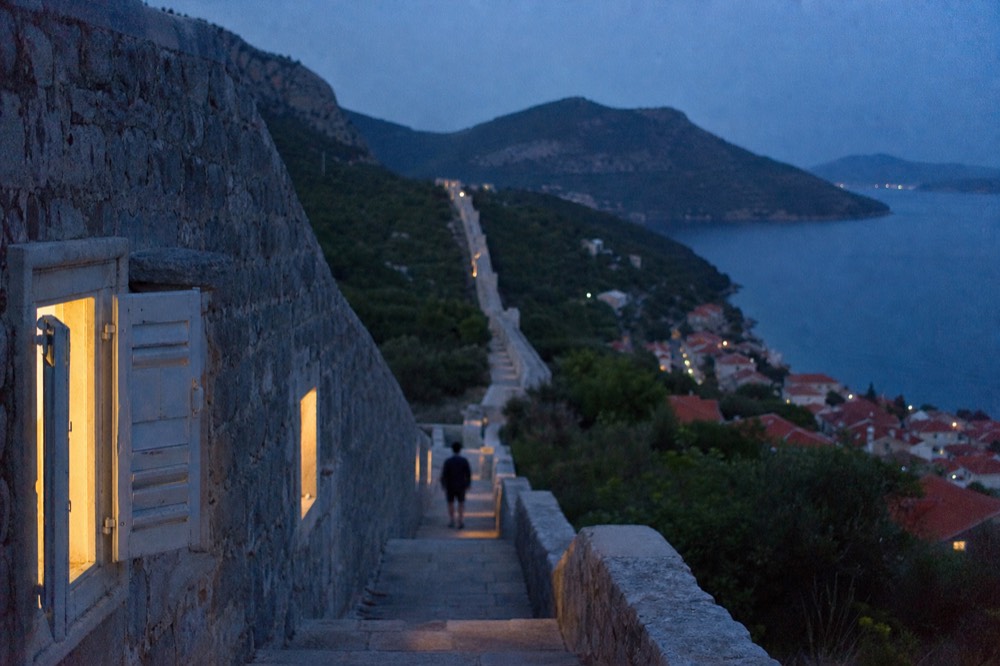
For the wine half of the question, our Pelješac wine region guide goes deeper into the peninsula's producers and routes, and the Dalmatian wine tasting guide covers how tastings work once you are there.
Where Does Dingač Come From?
Dingač comes from a defined belt of steep south-facing slopes near the village of Potomje on the southern shore of the Pelješac peninsula, roughly an hour's drive northwest of Dubrovnik. The slopes fall so sharply toward the sea that mechanised harvesting is impossible, and the vineyards sit in a protected zone whose borders are fixed by law.
The geography is the wine. The hillside catches direct southern sun all day, then the sea below bounces light and heat back up into the canopy, ripening the grapes well past what latitude alone would allow. The stone retains the day's heat into the night. The slope sheds water and forces the vine's roots deep. Every physical feature of the site pushes Plavac Mali toward concentration rather than volume, and the resulting wine is the reason the name carries legal protection.
Getting there is straightforward but slow. The coast road from Dubrovnik runs through Ston at the base of the peninsula, then west along the water toward Potomje and the wine villages. Many producers have their tasting rooms along or just off this road, and several of the best-known cellars are dug into the hillside itself, cool without air conditioning. If you are driving yourself, one driver stays dry, and even that is a compromise on a road with this many stops worth making.
| Way to taste Dingač | Time needed | Best for | Trade-off |
|---|---|---|---|
| Self-drive along the Pelješac road | Full day | Independent travellers who plan ahead | The driver cannot drink |
| Guided wine tour with transport | Half to full day | First-time visitors, groups | Fixed itinerary and stops |
| Ston and Korčula day trip with tasting | About 11 hours | Combining walls, oysters and wine | Long day, less cellar time |
| Restaurant bottle in Dubrovnik | An evening | A first taste before committing a day | Restaurant mark-up, no context |
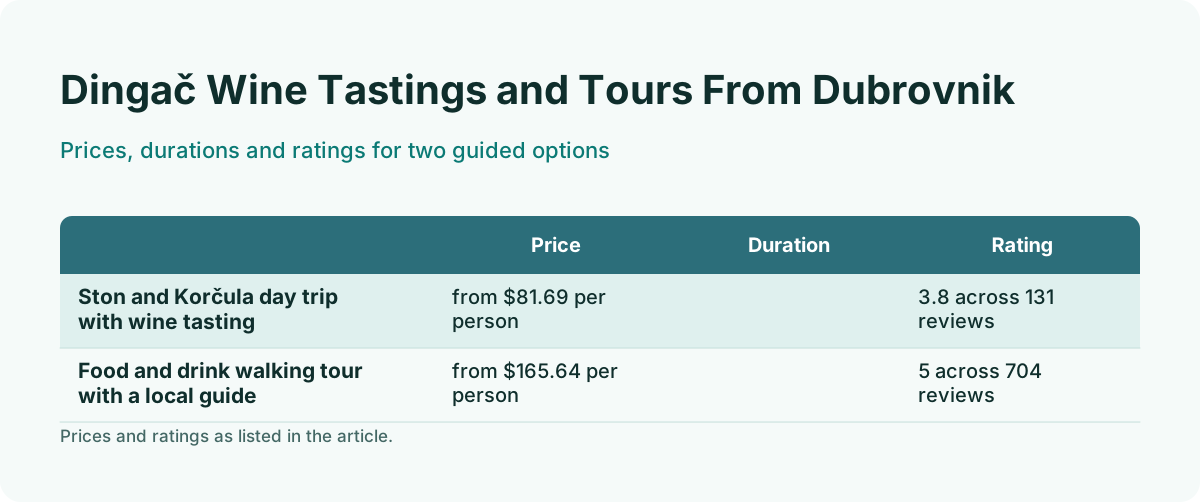
The Ston and Korčula day trip from Dubrovnik with wine tasting, from $81.69 per person and rated 3.8 across 131 reviews, is the version that bundles the peninsula's other attractions into the same day, and it is a sensible pick if one day is all you have.
How to Taste Dingač From Dubrovnik?
Alternatively, rent a car, drive to Potomje, and book cellar visits directly. Each route suits a different kind of traveller.**
Konavle, the green valley just southeast of the city, is not Dingač country, and I want to be honest about that. What a Konavle tasting gives you is the local wine culture without a full-day commitment: family cellars, indigenous varieties, and a guide who explains the Dalmatian style, all close enough to Dubrovnik that you are back for dinner. It is the best introduction, and for many visitors the introduction is what they actually need before deciding whether to spend a whole day on Pelješac.
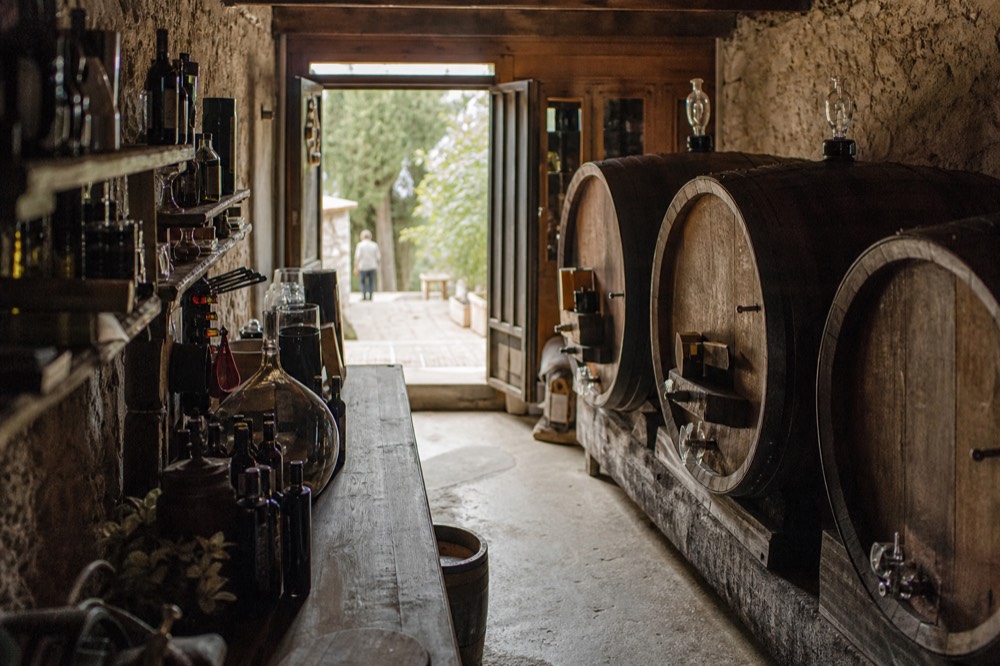
It keeps the day short, the roads someone else's problem, and the afternoon free.
If you would rather taste inside the city, the food and drink walking tour with a local guide, from $165.64 per person and rated a perfect 5 across 704 reviews, weaves wine into a route through konobas and bars where the guide explains what is in each glass. One recent guest review captures it well:
Amazing food tour! Marija was a great guide, full of stories and facts that really brought Dubrovnik to life. The food was delicious, and generous. Wines at every stop. Would highly recommend this tour to anyone visiting Dubrovnik, especially to help get your bearings of the city and know where to go for dinner!
Bryan_M
What to Eat With Dingač?
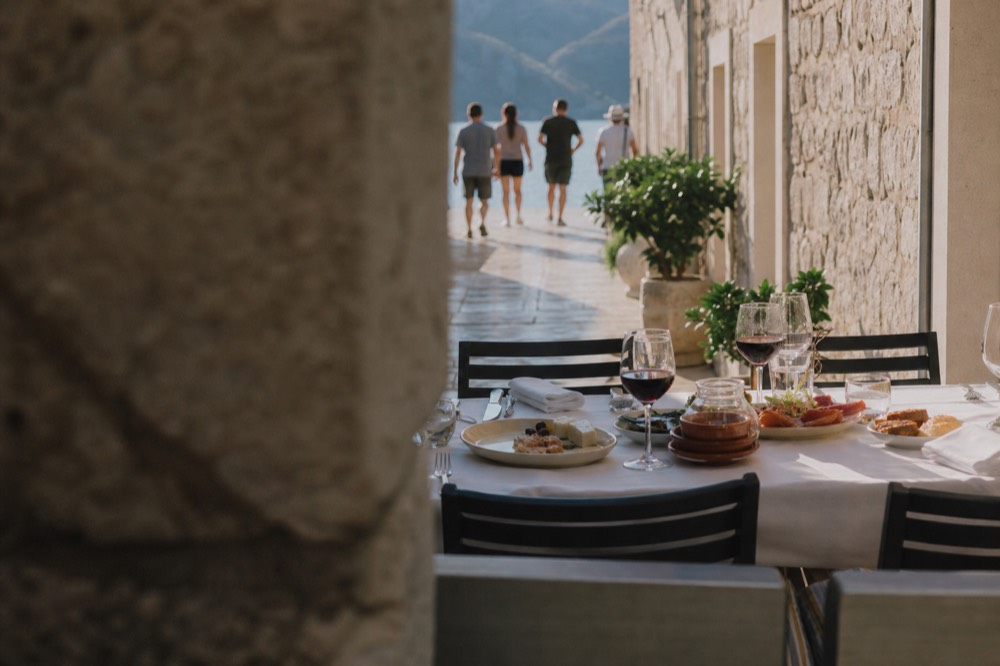
Dingač pairs with the full Dalmatian table: grilled meat, peka cooked under a baking bell, aged cheese, and any slow-cooked dish that can stand up to its tannin and ripeness. It is not a light fish wine, and ordering it with a grilled sea bass wastes both the bottle and the fish. Think lamb, beef, and hard sheep's cheese, or drink it on its own after the meal.
The traditional pairing logic on the coast is simple: powerful red, powerful food. Peka, the dish where meat and vegetables cook for hours under a domed bell covered in embers, is the classic match, and a good Dingač cuts through the rendered fat while matching the dish's depth. Aged sheep's cheese from the Dalmatian hills works the same way, the salt and the tannin arguing productively.
| Dish | Why it works with Dingač |
|---|---|
| Peka (meat under a bell) | Slow-cooked richness meets the wine's tannin and dark fruit |
| Grilled lamb | Char and herbs echo the wine's herbal, sun-baked side |
| Aged sheep's cheese | Salt against tannin, a classic coastal combination |
| Grilled beef or veal steak | Enough protein to soften a young, firm Dingač |
| Dark chocolate or dried figs | The wine's dried-fruit character carries into dessert |
With lighter seafood, reach for an island white instead. The pairing rule on this coast has been settled for generations, and no amount of enthusiasm for the local red changes what a Plavac does to a delicate white fish. If you want the full food picture, our what to eat in Dubrovnik guide walks through the whole Dalmatian table, and the konoba tradition guide explains the family taverns where these pairings actually happen.
When Should You Drink Dingač?
Drink Dingač with a proper meal rather than as an aperitif, and give a young bottle time in the glass, because the tannin softens noticeably after twenty minutes or so. Vintage matters more here than with most wines you will meet on holiday: a few years of age rounds the fruit and settles the alcohol. Ask whoever pours it how old the bottle is.
Temperature is the practical detail almost everyone gets wrong. A red served at the temperature of a Dalmatian summer afternoon tastes hot and flat, and a bottle that has been sitting in the sun is worse. Cellar temperature, meaning noticeably cooler than the room, is what these wines are built for, and it is no accident that the serious cellars on Pelješac are carved into stone. If a restaurant hands you a bottle that is warm to the touch, ask for an ice bucket for ten minutes; nobody will blink.
The other practical note is decanting, or the lazy version of it, which is pouring the bottle into glasses early and letting it sit. Plavac Mali's tannin is real tannin, and it rewards the patience. I have watched tables go from polite to enthusiastic over a single bottle purely because the second half of the glass tasted softer than the first.
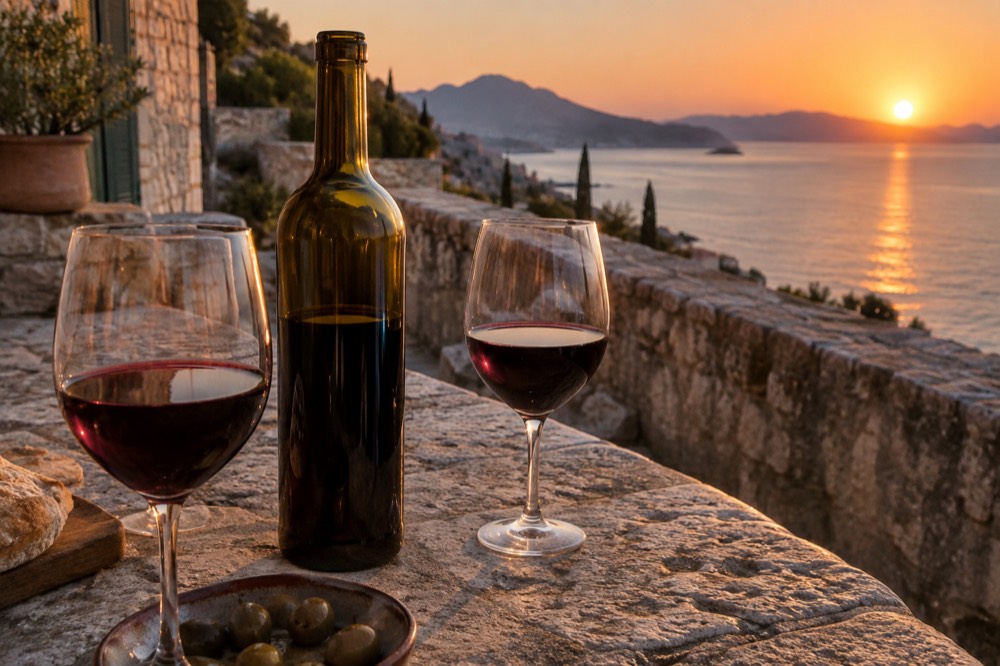
Planning Your Dingač Day From Dubrovnik
Plan a full day for Pelješac itself: about an hour to Ston, tasting stops along the southern road near Potomje, and a late lunch before the drive back. Book cellar visits ahead in summer and September, start early to beat both heat and traffic, and keep one sober driver or take a tour. The peninsula rewards the slow version of the day.
Timing around crowds is the part worth thinking about. September is the month everyone assumes is quiet, and for the Old Town it is not: cruise passengers peaked that month in 2025 at 101,246, above both July and August. The peninsula is a different world, but your departure point is the same, so an early start matters most precisely when the town is busiest. The walls operator's stated hours run 08:00 to 19:30, and the town's six entrance counters update a headcount every 15 minutes against an official carrying capacity of 11,275 people, so the morning squeeze is measurable, not anecdotal.
| Plan | Cost per person | Rating | Time | Who it suits |
|---|---|---|---|---|
| Ston and Korčula trip with tasting | From $81.69 | 3.8 across 131 reviews | About 11 hours | Wall-and-wine combiners |
| Food and drink walk in the city | From $165.64 | 5 across 704 reviews | About 3 hours | Evening explorers |
| Self-drive Pelješac route | Car hire plus tasting fees | Set your own pace | Full day | Confident independent planners |
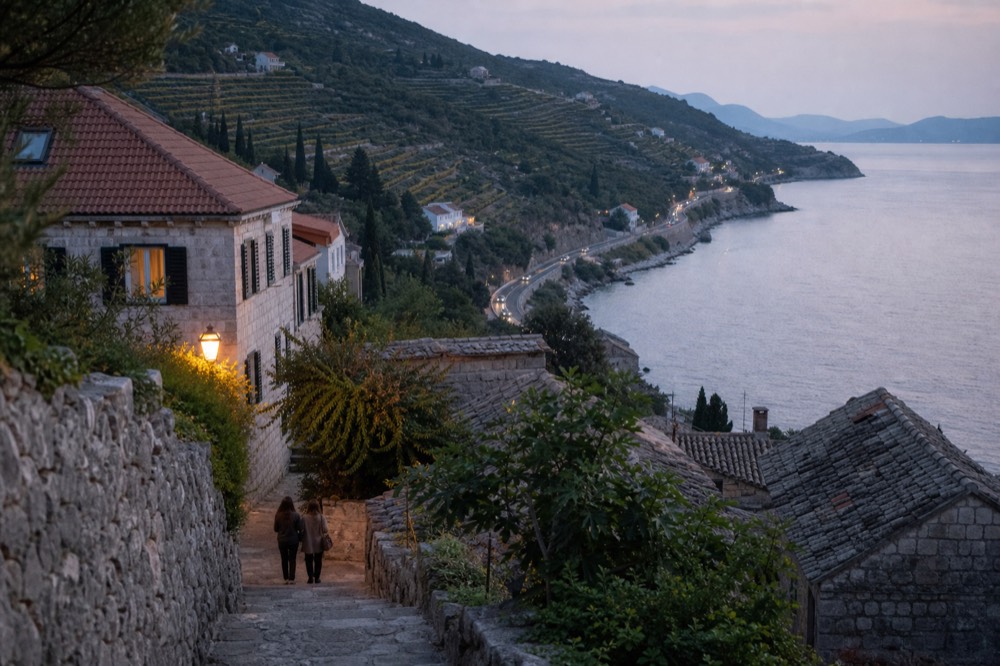
However you structure the day, the wine is the reason to go, and the wine is the reason to come back. Croatia's broader fame rests on its walls and its water, and you will see both from the Pelješac road anyway, but the bottle you carry home is the part of the trip that lasts. For everything else the region pours, start with Things to Do in Dubrovnik and work outward from the walls to the vines.
Common Questions About Dingač Wine
What Is Dingač Wine?
Dingač is a protected red wine made from Plavac Mali grapes grown on the steep southern slopes of the Pelješac peninsula near Potomje. The name refers to the place, not the grape or a producer, and only wine from those defined slopes may carry it.
What Is the Best Wine From Croatia?
Among reds, Dingač and its neighbouring Postup slopes on Pelješac lead the conversation, while whites centre on Pošip, Grk and Malvazija. There is no official winner, but Dingač is the red most likely to appear on a serious Croatian wine list.
What Is Croatia Famous For?
Croatia is famous for its walled Adriatic cities, islands, Game of Thrones locations and its food and wine. Dubrovnik recorded about 4.2 million overnight stays in 2025, sharing first place among Croatian destinations with Rovinj.
What Is the Best Wine in Croatia?
The best wine in Croatia is best found by comparison rather than a single bottle: a top Dingač or Postup among reds and a serious Pošip or Grk among whites. Old vines and single-vineyard sourcing matter more than price.
Why Is Croatia Famous For?
Phrased awkwardly but asked constantly: Croatia is famous for a walled medieval city on the sea, more than a thousand islands, filming locations, oysters, olive oil and indigenous wines like Plavac Mali, whose flagship address is Dingač.
Can You Visit the Dingač Vineyards From Dubrovnik?
Yes. The slopes near Potomje are roughly an hour's drive away on the Pelješac peninsula. You can drive yourself, book cellar visits directly, or take a guided tour such as the Ston and Korčula day trip with wine tasting, from $81.69 per person.