Ston Oysters: A Food Lover's Guide to Pelješac From Dubrovnik
The oyster beds of Mali Ston sit less than an hour up the coast from Dubrovnik, and they produce some of the finest shellfish on the Adriatic. Here is how to plan the day, what to eat while you are at it, and how the trip fits into a wider food itinerary.
Short answer
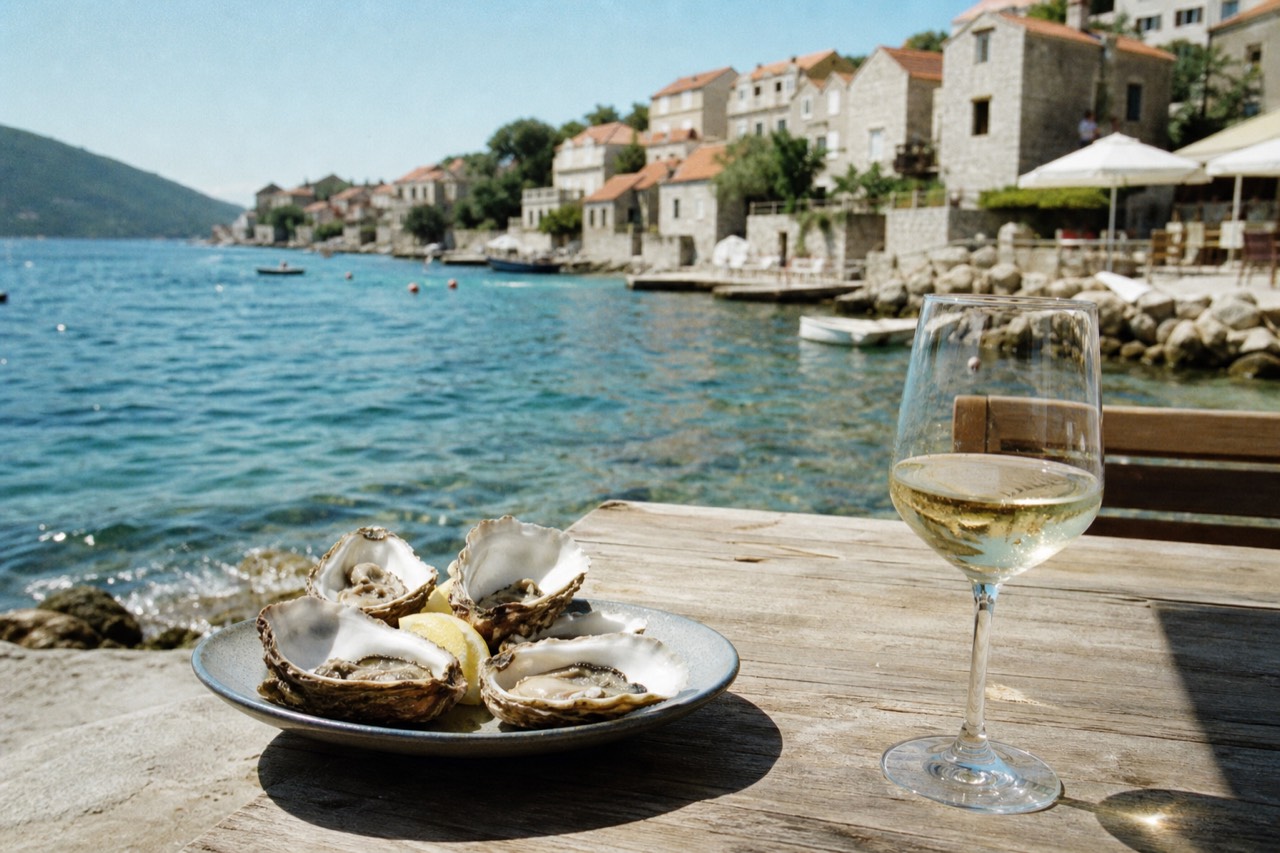
Ston oysters come from Mali Ston Bay on the Pelješac peninsula, an easy day trip from Dubrovnik. A guided oyster, mussel and wine tasting tour in Ston runs from $157 per person, rated 4.9 across 111 reviews, with lunch included. Independent travel by car or bus is also straightforward.
Ston Oysters: A Food Lover's Guide to Pelješac From Dubrovnik
The oyster beds of Mali Ston Bay are one of the great quiet food stories of the Croatian coast. While most visitors to Dubrovnik queue for the city walls and photograph the Stradun, the shellfish farms a short drive northwest are quietly farming oysters in a bay whose sheltered, nutrient-rich water has made it a centre of mollusc cultivation for generations. I have sent more visitors up the Pelješac peninsula for a plate of oysters than for almost any other single experience around Dubrovnik, and the feedback is remarkably consistent: people rank that lunch among the best meals of their whole trip.
This guide covers the practical side of a Ston oyster day. How the bay works, what the tour option costs and includes, what else you should eat while you are in the region, and how the trip slots into the bigger picture of eating well in Dubrovnik itself, including the questions visitors ask me most about local food, fine dining and dinner timings.
Why Ston Oysters Are Worth the Trip
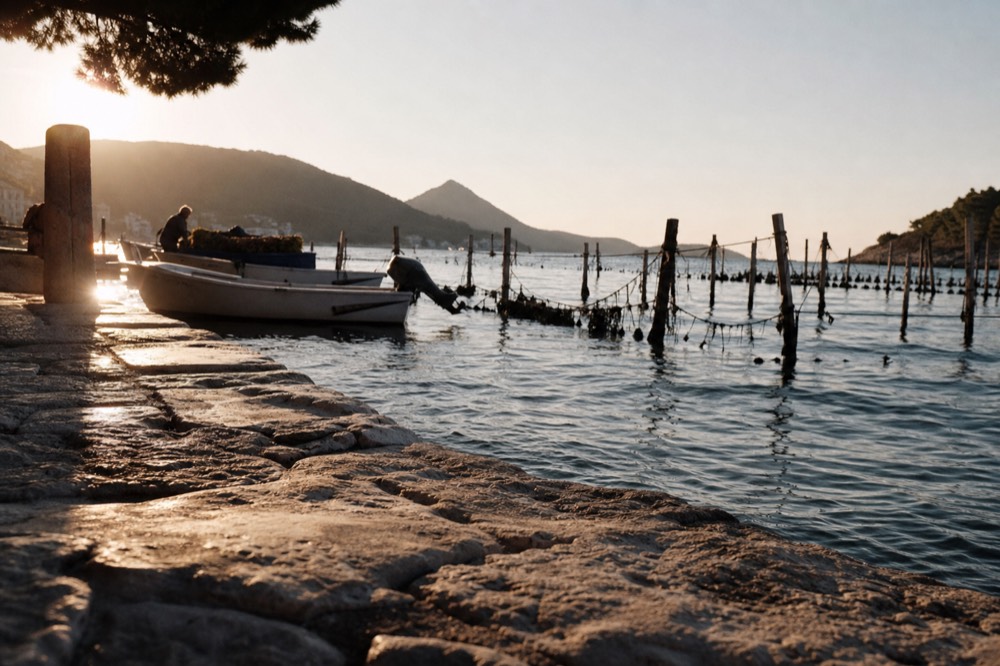
Ston oysters are farmed in Mali Ston Bay on the Pelješac peninsula, roughly an hour's drive northwest of Dubrovnik, and they are served hours or even minutes after harvest. The bay's sheltered, shallow water produces clean, briny oysters with a distinctly mineral finish, and the same farms raise mussels, which is why oyster and mussel tastings are almost always paired.
The town of Ston itself is famous for two things, and they sit oddly well together. The first is the defensive wall that stretches across the hill above the town, one of the longest fortification systems in Europe and a genuine sight in its own right. The second is the shellfish. Mali Ston, the small settlement at the head of the bay on the Dubrovnik side, is where the oyster farms actually are, and the restaurants along its waterfront serve what the boats bring in that morning.
What makes the oysters distinctive is the water. Mali Ston Bay is shallow, semi-enclosed and fed by freshwater streams running off Pelješac, which lowers the salinity slightly and gives the oysters a softer, sweeter character than fully open-sea shellfish. Locals will tell you the oysters are best in months with an R in the name, the classic northern European rule, and there is truth in it here too: the colder months produce firmer, cleaner meat. That said, farmed oysters are available year round in Ston, and summer visitors eat them happily.
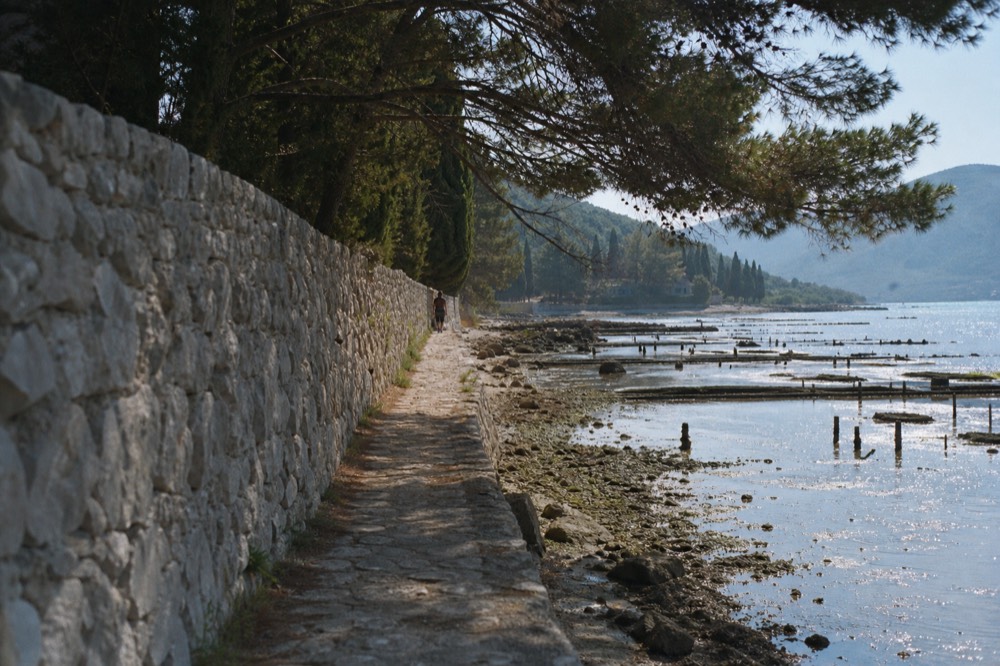
The practical appeal for a visitor based in Dubrovnik is simple: it is a half-day or full-day trip that combines food, wine and scenery without the border crossing or the early start that a Mostar or Montenegro day demands. You can leave Dubrovnik mid-morning, be tasting oysters by noon, drink a couple of glasses of local white wine in the afternoon, and be back for dinner. If you are building a wider food itinerary around the city, our Ston and Pelješac planning guide covers the walls, the salt works and the driving route in detail.
One honest note on expectations. Ston is a small place, and in the height of summer the waterfront restaurants fill with tour groups by lunchtime. The experience is best either early, before the coaches arrive, or late, when the day-trippers have gone and the light turns golden across the bay. Either way, the oysters do not change.
What Local Food Should I Try in Dubrovnik?
Beyond oysters, the essential Dubrovnik foods are black risotto made with cuttlefish ink, grilled fish straight off the boat, peka (meat or octopus slow-cooked under a domed baking lid), pršut and cheese from neighbouring Herzegovina, and the rozata custard pudding for dessert. The old town is dense with konobas, traditional taverns, serving all of it within a ten minute walk of the Stradun.
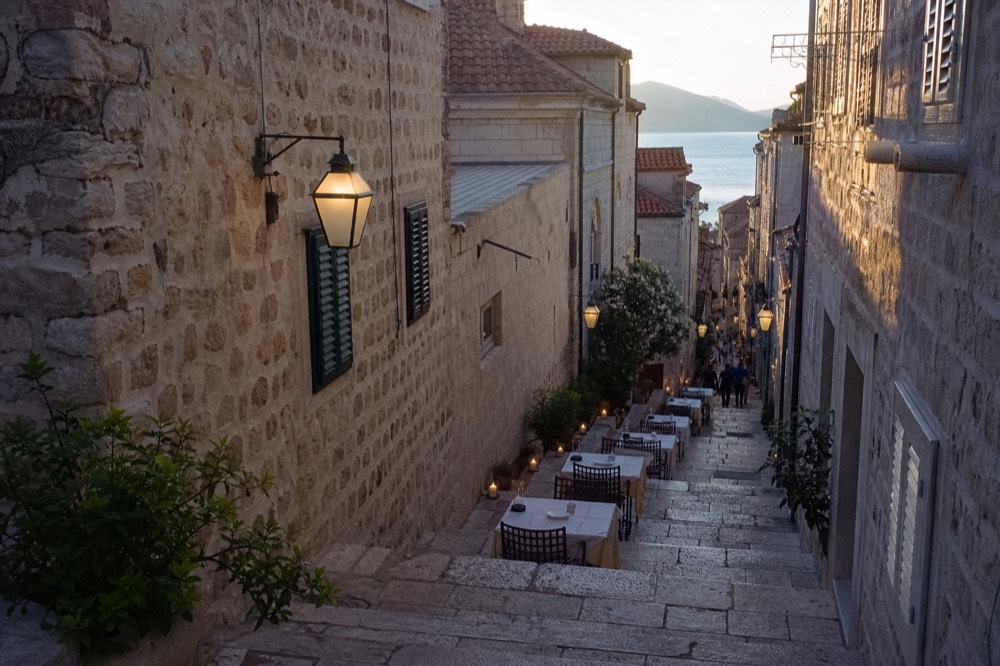
The Stradun itself, that famous limestone main street, runs 298 metres from Pile Gate to the clock tower, and the food worth eating sits on the side streets either side of it rather than on the street itself. That layout matters. Visitors who eat on the main drag pay more for worse food; the good konobas are one or two lanes in, and the difference is measurable in both quality and price. The Dubrovnik Tourist Board's own page on the Placa notes that the Statute of 1272 fixed the final plan of the city and its main street, which is why the grid feels so deliberate as the Tourist Board's Placa history explains.
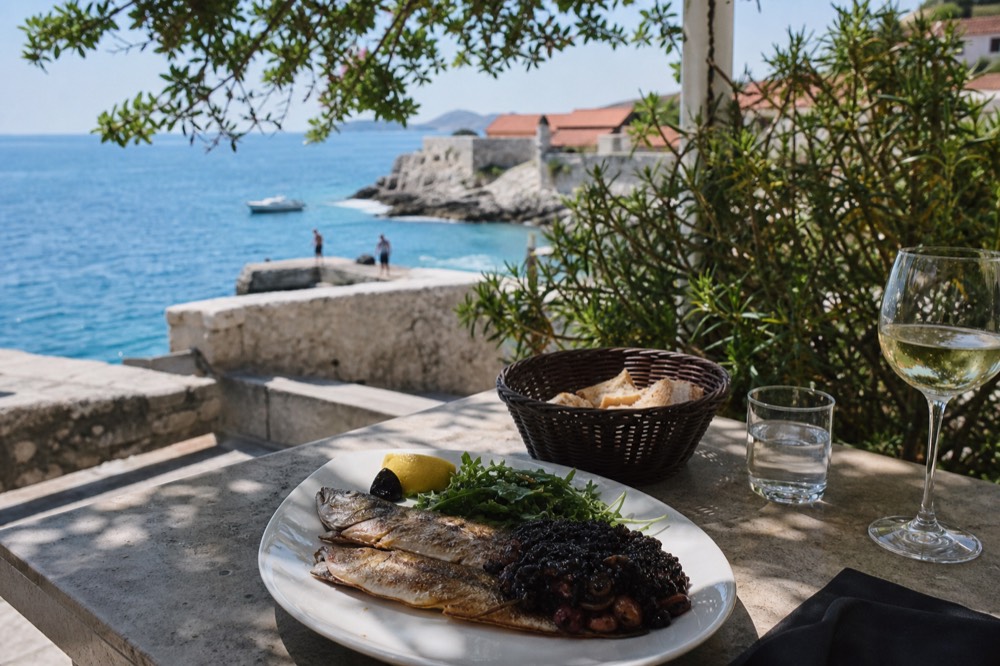
Here is the short list I give friends, with the caveat that portions in Dalmatia are generous and sharing is normal:
| Dish | What It Is | Where to Eat It |
|---|---|---|
| Black risotto | Rice cooked with cuttlefish ink, deeply savoury | Any konoba near the old port |
| Peka | Meat, potatoes or octopus baked for hours under a domed lid | Book ahead; many places need 24 hours notice |
| Grilled fish | Whole fish, priced by the kilo, grilled with olive oil and lemon | Waterfront konobas in Gruž and Mali Ston |
| Pršut and cheese | Dried ham and sheep cheese, the standard starter plate | Everywhere; quality varies, ask for local |
| Oysters | Served raw with lemon, six or twelve to a plate | Mali Ston, or the daily catch stalls in Dubrovnik |
| Rozata | Caramel-topped custard pudding, the classic Dubrovnik dessert | Old town restaurants that cook traditionally |
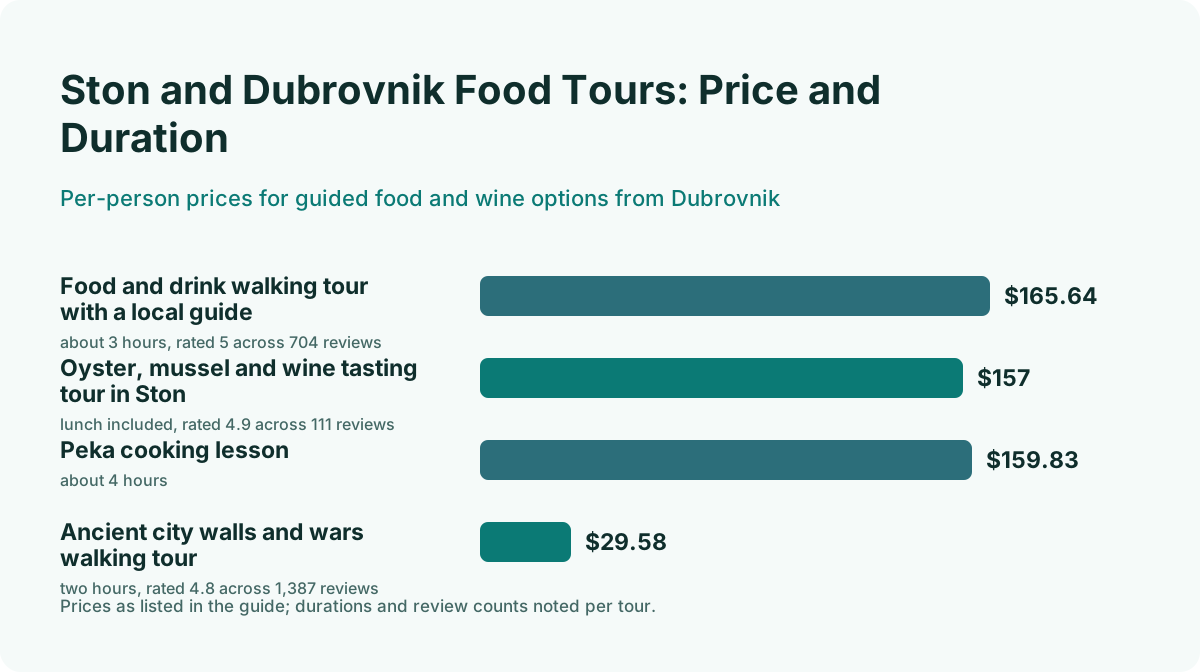
If you would rather have a local walk you through all of this, the food and drink walking tour with a local guide runs about 3 hours, from $165.64 per person, rated 5 across 704 reviews, with food and wine at every stop. It is not cheap, but reviewers consistently describe it as the orientation meal of their trip. For a fuller treatment of the city's food, start with our guide to what to eat in Dubrovnik, and for the deeper background on the question, the harvested visitor question what local food should i try in dubrovnik? is answered in full on our food answers page.
The three options above frame the choice neatly. The oyster tour is the food-first day out of the city, the peka cooking lesson is the hands-on version for people who want to make the food rather than just eat it, and the walls walk is the counterweight for travellers whose priority is history rather than lunch. Most people have room for at least two of the three on a week-long visit.
How Do You Visit Ston From Dubrovnik?
The simplest way is the oyster, mussel and wine tasting tour in Ston, from $157 per person with lunch included, rated 4.9 across 111 reviews. Independently, you drive the coastal road up Pelješac in under an hour each way, or take a bus from Dubrovnik toward Orebić and get off at Ston; both let you set your own pace and linger over the wine.
The tour deserves its price tag for the logistics alone. It bundles the round-trip transport, the oyster and mussel tasting at a farm in Mali Ston, and a proper lunch, which means no designated driver, no parking hunt and no guessing which waterfront restaurant is the good one. The operator is Travel agency CIty of stone, and the reviews at 4.9 across 111 are unusually strong for a food day trip. For a full breakdown of the route and the alternatives, see our Ston and Pelješac day trip guide.
| Option | Approx. Duration | Best For | Trade-off |
|---|---|---|---|
| Guided oyster and wine tour | Full day with lunch | Food-first travellers, no driving | Fixed schedule, group pace |
| Rental car | Flexible, under an hour each way | Couples combining Ston with wineries | Someone cannot drink at lunch |
| Bus toward Orebić | Set departures, cheap | Budget travellers with time | Limited evening returns, check times |
| Private driver | Flexible | Families and small groups | Costs more than the tour for two people |
The driving route is genuinely lovely: the road hugs the coastline along Župa Bay and around the Pelješac peninsula's southern shore, with the oyster beds appearing on your left as you drop toward Mali Ston. If you drive, plan at least one winery stop on the way back; the Dingač and Postup vineyards on Pelješac's southern slopes are the reason the peninsula is as famous for red wine as Ston is for shellfish, and our Dingač wine guide covers that side of the trip.
Booking is worth doing a day or two ahead in the warmer months, because the small-group format fills quickly when several cruise calls land on the same morning. The listing carries its full cancellation terms, and the transport is included from central Dubrovnik, so there is nothing to arrange on the day beyond showing up hungry.
Whether you book the tour or drive yourself, one planning point matters more than any other: go for lunch, not dinner. The oyster farms and the best waterfront restaurants in Mali Ston operate around the middle of the day, and several close by early evening. This is a lunch destination. Treat it that way and everything about the day gets easier.
Does Dubrovnik Have a Michelin Star Restaurant?
The honest answer for this site's verified record is that no Michelin-starred restaurant in Dubrovnik is confirmed in our fact-checked sources, so I will not print a star count I cannot stand behind. What is beyond doubt is that the city's fine dining scene has grown sharply with its visitor numbers, and several restaurants appear in the Michelin Guide's coverage of Croatia.
That is a deliberately careful paragraph, and it is written that way on purpose. Food writing on the Adriatic is full of confident claims about stars that restaurants do not actually hold, and the Michelin Guide's Croatian selections change with each annual announcement. If a starred meal is central to your trip, check the Guide's own current Croatia selection before you book flights, because a food writer's article, this one included, is a poor substitute for the live list.
What I can say with confidence is that the gap between Dubrovnik's best cooking and its tourist-trap tier is wide, and knowing which side of it you are booking on matters more than any star. The city recorded about 4.2 million overnight stays in 2025, sharing first place among Croatian destinations with Rovinj, according to the Croatian Bureau of Statistics release on 2025 tourist traffic. Volume like that supports both a serious restaurant scene and a lot of indifferent kitchens three lanes off the Stradun.
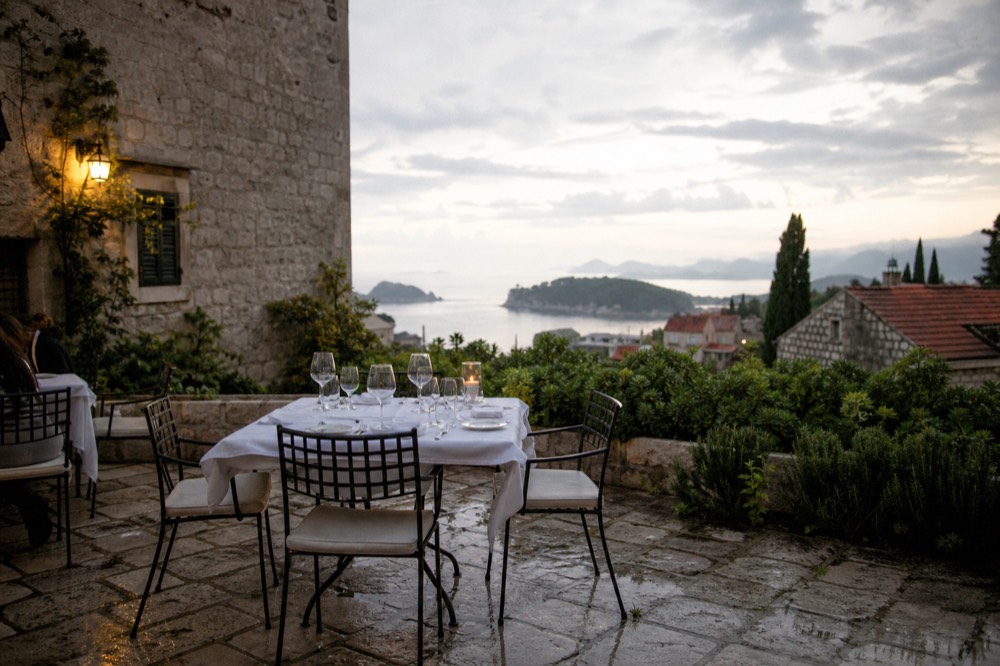
For the practical side, our Michelin restaurants in Dubrovnik guide tracks the fine dining options and what a tasting menu actually costs, and our restaurants with a view guide covers the other end of the special-occasion spectrum. A useful rule of thumb for the old town: the closer a table is to the Stradun or the city walls viewpoints, the more you are paying for the view. The kitchens worth booking are usually a few streets deeper in.
What Time Do People Eat Dinner in Dubrovnik?
Locals in Dubrovnik eat dinner later than most northern European visitors expect, with the serious restaurant kitchens filling from around eight in the evening onward and peak service well after that. Lunch, by contrast, is a proper midday meal, and many konobas do their biggest business between one and three. Plan around the local rhythm and you will eat better and wait less.
I say this as someone who lives here: the visitors who sit down at six in the evening are often eating in an empty room, and the ones who arrive at eight-thirty walk into a restaurant at full swing. Nothing about the food is different, but the atmosphere is, and kitchens that have been slow all evening are sometimes not at their best for the first covers of the night. The exception is with children, and restaurants here are genuinely welcoming to families eating early. The rest of the planning pages sit on Things to Do in Dubrovnik.
| Meal | Local Rhythm | Visitor Tip |
|---|---|---|
| Breakfast | Light, often coffee and pastry standing at a bar | Bakeries open early, sit-down breakfasts are a visitor thing |
| Lunch | Main midday meal, one to three | The best time for a long konoba lunch, and for Ston |
| Dinner | Kitchens fill from around eight | Book ahead for anywhere good in high season |
| Late drinks | After dinner, terraces and bars | The old town stays lively past midnight in summer |
Two practical consequences follow. First, restaurant reservations matter in Dubrovnik in the warmer months, especially for the small konobas with a dozen tables; do not assume you can walk in at eight. Second, the late dinner rhythm is exactly why a Ston lunch day works so well: you eat your big meal at midday by the oyster beds, come back to Dubrovnik in the late afternoon, and only want something light in the evening, which is when the city's casual grill counters and wine bars are at their best.
If you want to cook that evening meal yourself rather than book it, the peka cooking lesson is the standout option. It runs about 4 hours, from $159.83 per person, and teaches the traditional Dalmatian technique of slow-cooking under a domed baking lid, the dish I mentioned earlier in the food list. It has too few reviews for a star rating to be meaningful, so I will not print one, but the format itself, a half day of cooking and then eating your own work, suits travellers who want to take a recipe home rather than a receipt.
Which Wines Go With Oysters on Pelješac?
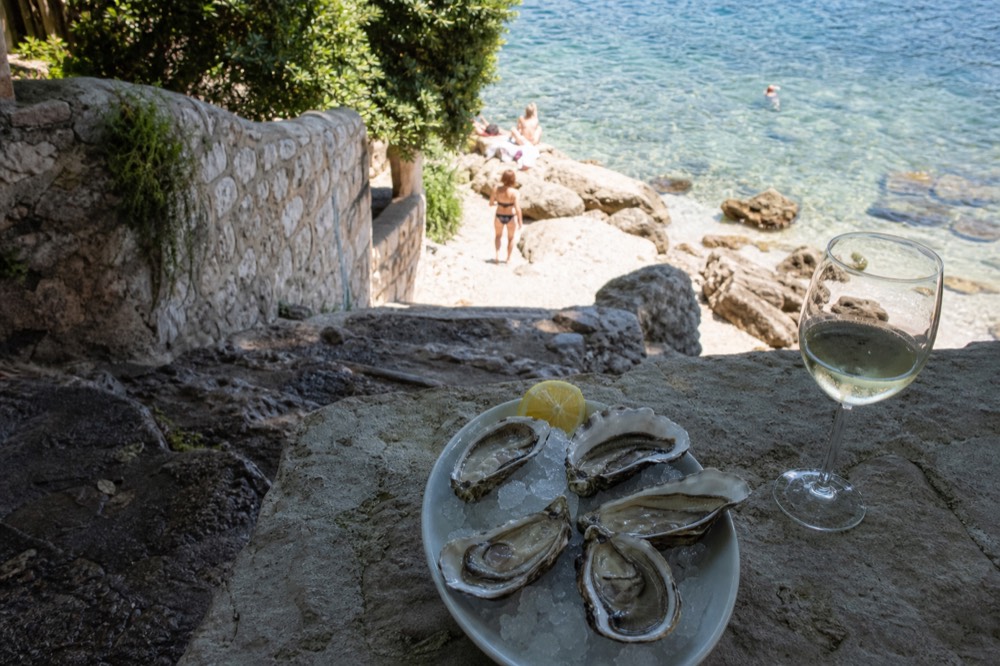
The classic pairing in Ston is a local Pošip or other Dalmatian white, crisp and mineral enough to stand up to the oysters' brine, while Pelješac's own fame runs to Plavac Mali reds from the Dingač and Postup vineyards on the peninsula's southern slopes. An oyster lunch followed by a red wine tasting is the standard, and frankly correct, Pelješac day.
The geography does the work here. The same peninsula that shelters Mali Ston Bay also produces Croatia's most celebrated red grape, Plavac Mali, grown on steep terraces so close to the sea that the vines catch the salt spray. The whites you drink with the oysters often come from further up the coast, but the reds you finish the day with are local to the hills you are driving through. Our Plavac Mali guide and Pelješac wine guide cover the grape and the region in depth.
| Wine | Type | Where It Comes From | Pairing |
|---|---|---|---|
| Pošip | White | Korčula and central Dalmatia | Oysters and mussels |
| Plavac Mali | Red | Pelješac, Hvar and the southern coast | Grilled meat and peka |
| Dingač | Red, premium Plavac | Specific Pelješac slopes | Aged cheese and pršut |
| Malvazija | White | North of Dubrovnik, Istrian influence | Light fish starters |
It pairs naturally with a Ston day on a longer trip: one day for oysters and reds on Pelješac, another for whites in Konavle. For visitors who want the wine without leaving the city at all, our wine tasting in Dubrovnik guide lists the urban options.
One thing worth knowing before you plan a wine day around the coast: the tasting fees and glass prices vary a lot between cellars, and the smaller family operations on Pelješac often prefer a call ahead. Treat any price you read online as a planning range and confirm with the cellar, because the family-run places change their tasting terms seasonally.
Oysters, Sea Temperature and the Best Season
The best months for a Ston oyster trip are late spring through early autumn, when the tour schedules run daily and the coastal road is fully open. The sea's long-run September average on this coast is about 23.6 degrees, and the bay's sheltered, shallow water runs warmer than that open-water figure, which is exactly the condition the oyster farms thrive on.
That temperature number needs its caveat, and I will give it properly: it is a long-run average for 1991 to 2020 from the NOAA OISST dataset, an open-water grid-cell figure rather than a beach thermometer reading, and it is corroborated within about one degree by the independent EMODnet climatology. The Croatian met service's own Dubrovnik buoy read 27.0 to 27.4 degrees on a single early September day against that 23.6 monthly mean, which tells you how much warmer sheltered, shallow water runs in high summer. Mali Ston Bay behaves like the sheltered end of that spectrum.
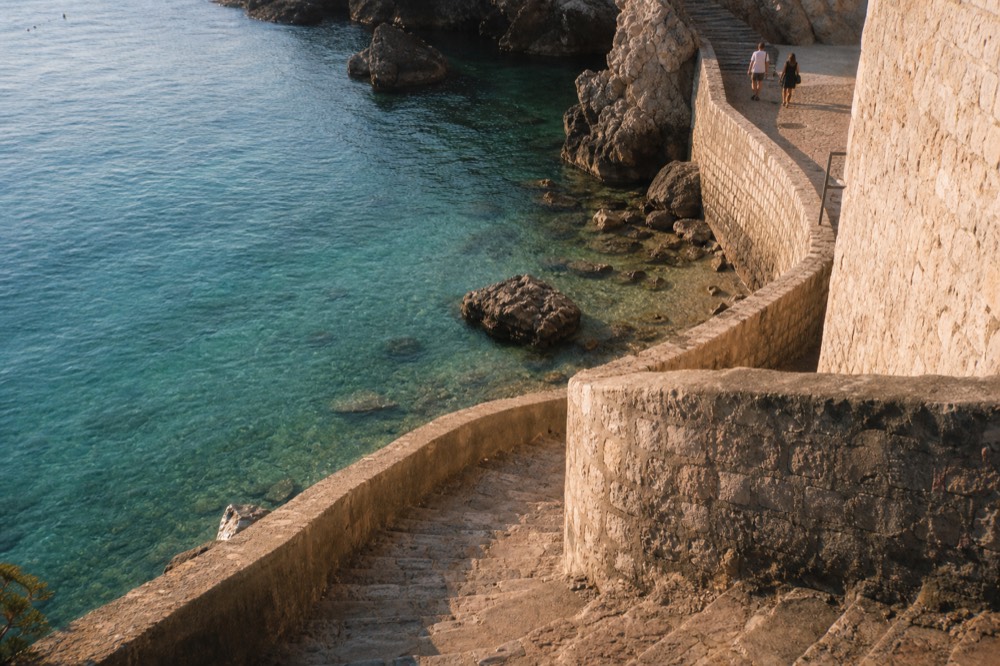
For planning purposes, the season question is really a crowds question. September and October are the sweet spot for a food-focused trip: the sea is still warm enough for a swim after lunch, the oysters are coming into their best season, and, counter to what most visitors assume, the cruise traffic actually peaks in those months, with 101,246 cruise passengers in September 2025 and 100,132 in October, both above July's 96,072, per the Port Authority's own statistics. Those passengers concentrate in the old town, not in Mali Ston, so the oyster bay stays comparatively calm even when the city is at its busiest.
| Period | Oysters | Crowds in Dubrovnik | Overall |
|---|---|---|---|
| May to June | Good, firm meat | Building | Excellent balance |
| July to August | Available, softer in heat | Peak heat and visitors | Book everything early |
| September to October | Coming into peak condition | Cruise peak, but outside the old town | The sweet spot |
| November to April | Classic R-month season | Quiet, some closures | For the committed |
If you are visiting in the shoulder season and combining food with the classics, the ancient city walls and wars walking tour is a strong pairing with a Ston day: two hours on the walls with a guide, from $29.58 per person, rated 4.8 across 1,387 reviews, run by Dubrovnik Walks. The walls ticket itself is 40 euro in main season, 1 March to 30 November, covering the walls plus Fort Lovrijenac, per the walls operator's own site. Do the walls early in the morning, drive to Ston for lunch, and you have compressed the best of the region into a single day.
Planning Your Ston Day: Costs and Timing
Budget roughly $157 per person for the all-in oyster, mussel and wine tour with lunch, or the cost of a rental car plus a raw oyster plate and a couple of glasses of wine if you go independently. Allow a full day either way: out by late morning, lunch at the farms, a winery stop on the return, and back in Dubrovnik before the evening rush.
The comparison between the bookable food experiences is worth setting out side by side, because they solve different problems. The oyster tour is the day out; the peka lesson is the skill; the food walk is the city orientation. Here is how the verified numbers stack up:
| Experience | From (per person) | Rating | Duration |
|---|---|---|---|
| Oyster, mussel and wine tasting in Ston | $157 | 4.9 across 111 reviews | Full day with lunch |
| Food and drink walking tour, local guide | $165.64 | 5 across 704 reviews | 3 hours approx |
| Peka cooking lesson | $159.83 | Too few reviews for a rating | 4 hours approx |
| Oyster farm plate, independent visit | On the day | Varies by farm | Your own schedule |
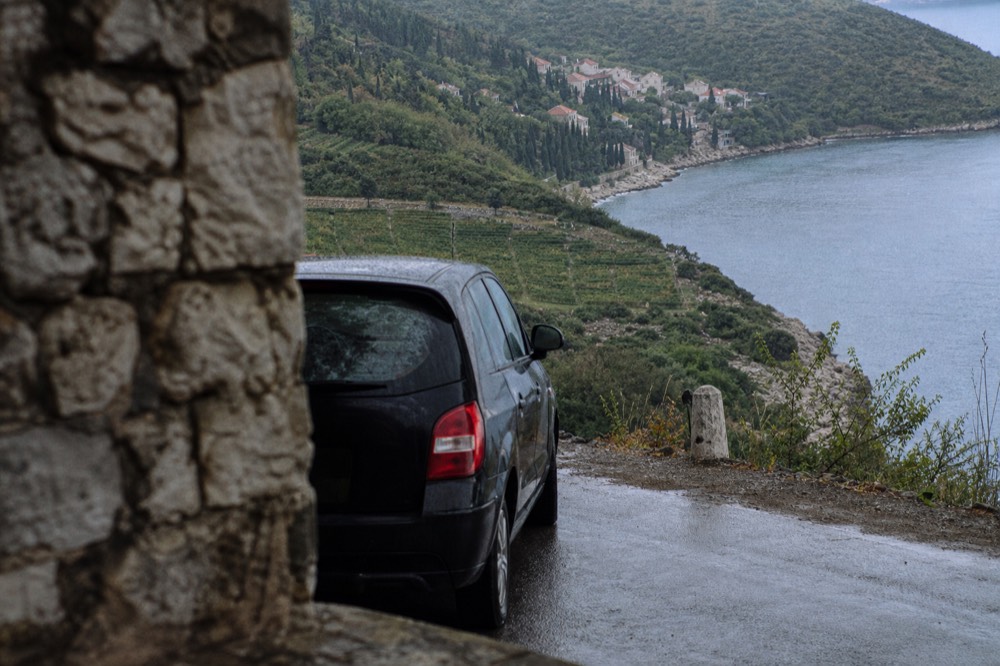
My own suggested shape for the day, based on years of sending visitors up this coast: leave Dubrovnik by ten, stop at the Ston walls viewpoint for half an hour if the sky is clear, be at a farm in Mali Ston for a noon tasting, take lunch on the waterfront, then one winery on the southern slopes of Pelješac on the way back, and roll into Dubrovnik around five or six with the evening still ahead of you. That is a full day, but it is not an exhausting one, and it needs no border documents and no early alarm.
For travellers fitting Ston into a shorter visit, the honest advice is to take the tour rather than the car. On a two or three day Dubrovnik trip, the hours you would spend arranging a rental, parking in Ston and finding the right farm are hours better spent on the walls or the cable car. The tour buys back your time, and on a short trip that is the scarce resource. However long you are staying, the shellfish of Mali Ston belong on your itinerary, and they are the single easiest world-class food experience within reach of the city.
Common Questions About Ston Oysters and Food in Dubrovnik
What local food should i try in dubrovnik?
Black risotto, grilled whole fish, peka slow-cooked under a baking dome, pršut and sheep cheese, raw oysters, and rozata custard for dessert. The good konobas sit a lane or two off the Stradun rather than on it, and lunch is when Dalmatian kitchens do their best work.
Does Dubrovnik Have a Michelin Star Restaurant?
No starred restaurant in Dubrovnik is confirmed in this site's verified sources, so no star count is printed here. The Michelin Guide does cover Croatia, and its live selection is the only reliable place to check the current status before a special-occasion booking.
What Time Do People Eat Dinner in Dubrovnik?
Later than most visitors expect: restaurant kitchens fill from around eight in the evening and peak well after that. Lunch is the main midday meal between one and three, which is exactly why a Ston oyster lunch fits the local rhythm so well.
How Far Is Ston From Dubrovnik?
Ston sits at the base of the Pelješac peninsula, roughly an hour's drive northwest of Dubrovnik along the coastal road. Buses toward Orebić stop at Ston, and the guided oyster tour covers the round trip with lunch included.
When Is the Best Season for Ston Oysters?
Farmed oysters are available year round, with the colder months traditionally producing the firmest meat. For a visit combining oysters, wine and swimming, late May through June and September through October are the sweet spots, with September and October also bringing the year's cruise peak to the old town while Mali Ston stays calm.
Can You Swim Near the Oyster Farms?
The sheltered bays around Pelješac are warm and swimmable from late spring into autumn; the long-run open-water September average on this coast is about 23.6 degrees, and shallow sheltered bays run warmer than that. Bring a towel on any independent Ston day.