Rector's Palace Dubrovnik: What to See, Tickets and Pass Tips
The Rector's Palace is the most complete building inside Dubrovnik's walled Old Town, and it is also one of the ten sights a Dubrovnik Pass unlocks. Here is what it is, how to see it without wasting money, and where it fits in a day of sightseeing.
Short answer
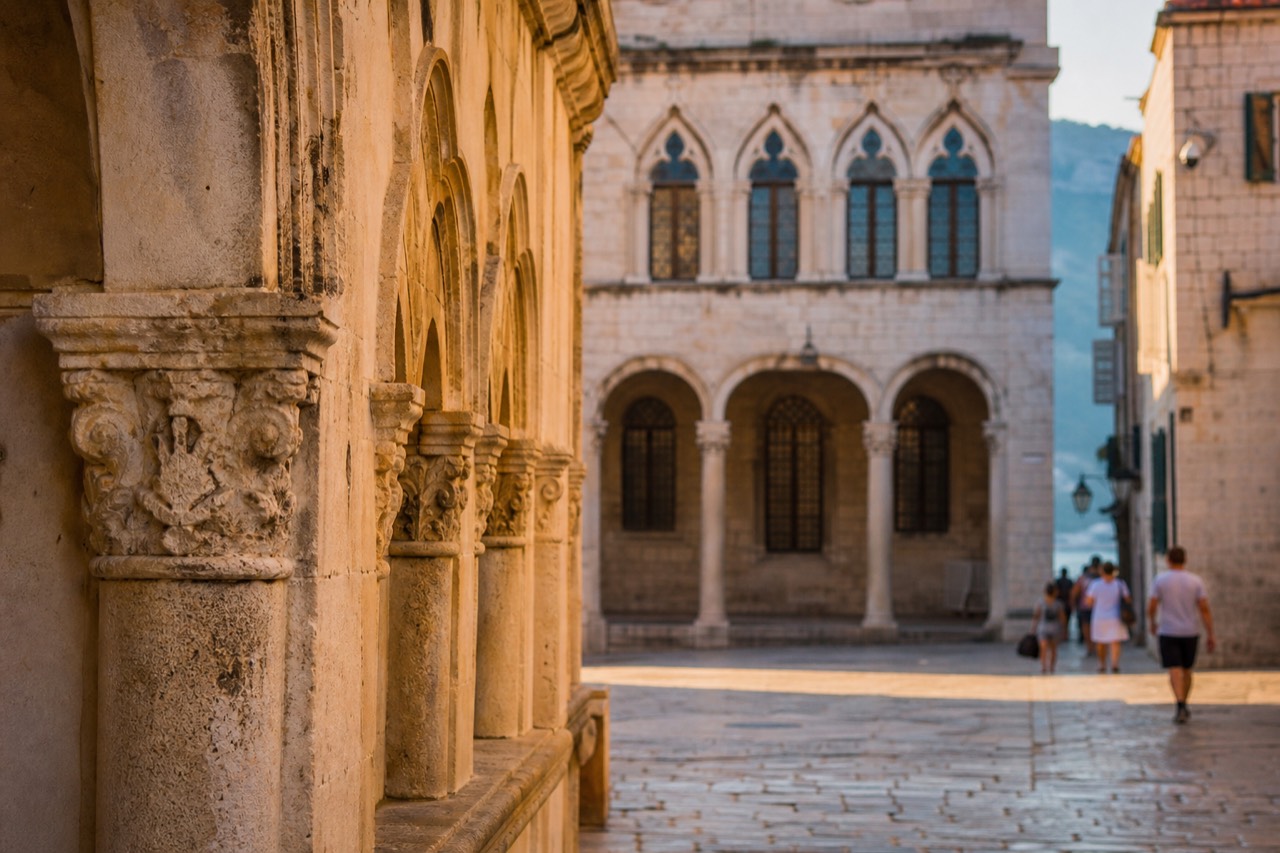
The Rector's Palace is Dubrovnik's historic government seat, now a museum on the Stradun. Entry is covered by every Dubrovnik Pass tier, which costs 40 euro for one day, 50 for three days and 60 for seven days in the 1 March to 30 November season. The pass also covers the City Walls and Lovrijenac Fortress once each.
The Rector's Palace sits halfway down the Stradun, and almost every visitor walks past it within an hour of arriving. Most of them keep walking. That is a mistake worth correcting, because inside that stone facade is the single best introduction to how this city actually worked when it ran itself as the Republic of Ragusa, a state that bought its security with diplomacy and shipping rather than armies. I have walked this street hundreds of times with travellers, and the palace is the one interior in the Old Town that explains all the others.
This page covers the practical questions people actually ask before visiting: what the building is, how the Dubrovnik Pass treats it, whether the pass helps with Lokrum, and the errors that cost people money and time in this city. The palace is not a big museum, so the planning around it matters more than the palace itself, and that planning is where most of the value of this page sits.
What Is the Rector's Palace in Dubrovnik?
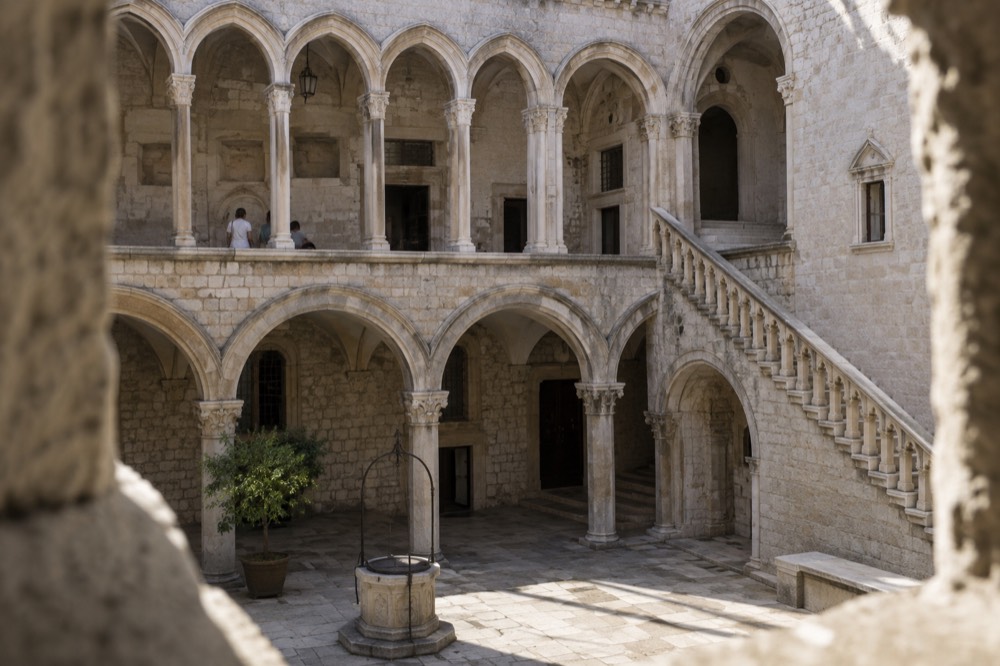
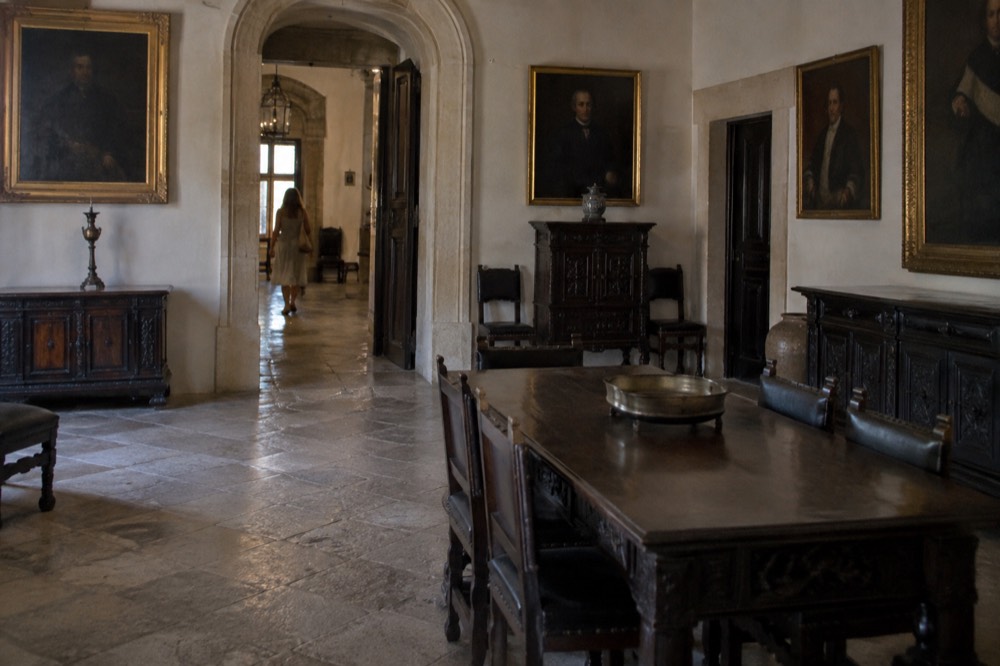
The Rector's Palace was the seat of government of the Republic of Ragusa, the city-state that ran Dubrovnik for centuries, and it is now the Cultural Historical Museum. It stands on the Stradun, roughly midway between the Pile and Ploče ends, and it is included in every tier of the Dubrovnik Pass alongside the City Walls and Lovrijenac Fortress. Expect a courtyard, state rooms and period interiors rather than a single blockbuster artwork.
The building's role explains its design. The Rector, the republic's head of state for a one-month term, was effectively locked in here for the duration: he ate, slept and governed inside the palace and could not leave without permission. The republic was built on the idea that no single man should hold power for long, so the architecture is deliberately administrative rather than royal. There is no throne room. What you get instead is the atrium where the Small Council met, the rector's quarters, the armoury and a run of rooms furnished as they would have been during the republic's last decades.
The collection is the Cultural Historical Museum, and its strength is everyday statecraft: coins, keys, furniture, portraits, pharmacy ware and the paraphernalia of a merchant aristocracy. Visitors who arrive expecting a palace on the scale of Vienna or Venice recalibrate quickly, and usually happily, because the building itself is the exhibit. The blend of Gothic, Renaissance and Baroque elements in one facade is not a stylistic accident: the palace was rebuilt several times after fires and an earthquake, and each rebuild layered a new style onto the old shell. The Old City as a whole is UNESCO-listed, inscribed in 1979 under criteria (i), (iii) and (iv) with a property area of 24.7 hectares, and the palace is one of the key buildings inside that boundary, per the UNESCO listing.
For context on the street outside: the Stradun runs 298 metres end to end, and the Statute of 1272 fixed the final plan of both the city and its main street, according to the Dubrovnik Tourist Board. The palace sits on the square where that plan's civic heart was always meant to be.
What Is the Name of the Palace in Dubrovnik?
The palace most people mean is the Rector's Palace, the former government seat on the Stradun. Other named palaces in the Old Town include Sponza Palace, which faces the Luža square and now holds the state archive, and the Dubrovnik Synagogue building on Žudioska street. There is no single building just called "the Palace", so naming matters when you buy tickets or book a tour.
The naming confusion is real and it costs people time. Search for "Dubrovnik palace" and you will get results mixing the Rector's Palace, Sponza Palace, the Reveal of Game of Thrones "Red Keep" locations and even hotels with palace in their name. Sponza Palace is the other big one: it stands at the Luža end of the Stradun, directly opposite the church, and its ground-floor arcade is one of the most photographed spots in the city. It functions as the Croatian State Archive, so unlike the Rector's Palace it is generally admired from outside rather than toured.
The distinction matters for pass planning. The Dubrovnik Pass covers the Rector's Palace, the Maritime Museum, the Ethnographic Museum, Marin Držić House, the Natural History Museum, the Franciscan Monastery Museum, the Museum of Modern Art, the Dulčić-Masle-Pulitika Gallery, Pulitika Studio and the archaeological exhibitions, plus the City Walls and Lovrijenac Fortress. Sponza Palace is not a ticketed museum stop on that list. If your plan is "see the palaces", the pass covers exactly one of them as an interior, and that is the Rector's.
A good way to anchor all these names in one morning is a guided walk. A guide puts names to facades fast, which matters in a city where every second building has a story and a title.
Is Dubrovnik Palace a Good Hotel?
There is no hotel called "Dubrovnik Palace" inside the walled Old Town, and the Rector's Palace is a museum, not lodging. The name people usually half-remember is a large resort hotel on the Lapad peninsula, outside the walls. Inside the Old Town you sleep in small guesthouses and converted townhouses, not palaces, and that distinction shapes where you should book.
The mix-up is understandable. Type "Dubrovnik palace hotel" into a search box and the results point west, to the Babin Kuk and Lapad stretch where the resort hotels actually stand. That side of the city is where the beach-front, pool-and-lobby end of the market lives, a bus or a long walk from the Pile Gate. The Old Town itself is protected heritage fabric, 24.7 hectares of it, and its accommodation is correspondingly small-scale: stone staircases, compact rooms, and luggage you will carry by hand over polished stone. For a full comparison of the two experiences, read the guide to where to stay in Dubrovnik, which breaks the neighbourhoods down street by street.
If a resort base appeals, the Lapad peninsula is the practical choice. Hotel Komodor there is the budget anchor: a three-star rated 7.8 out of 10 across 822 Expedia reviews, about a 29-minute walk from the Gruž cruise and ferry port, with the number 6 bus rather than a walk to Pile Gate. Hotel Lapad covers the mid-range on the same peninsula, and Hotel Excelsior is the luxury option on the Ploče side, a short stroll from the Old Town's eastern gate. Check rates at each before committing, because summer pricing in this city moves fast.
The honest framing: if your trip is built around the Rector's Palace, the walls and evening konoba dinners, staying inside or beside the Old Town beats a resort, because the resort commute eats the golden morning hours when the Stradun is still empty. If your trip is built around beaches and a pool, reverse that. Neither is wrong; they are different holidays.
Is the Rector's Palace Included in the Dubrovnik Pass?
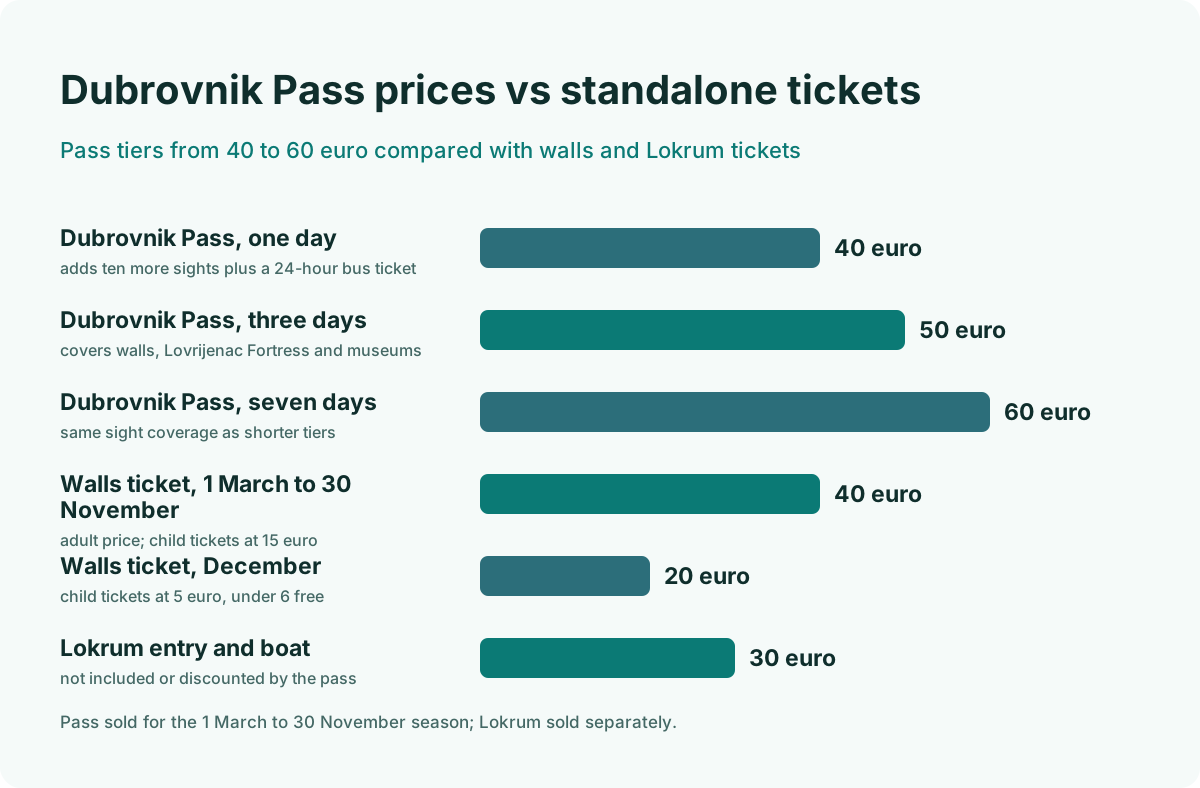
Yes, every Dubrovnik Pass tier includes the Rector's Palace, once per pass. The pass costs 40 euro for one day, 50 euro for three days and 60 euro for seven days, sold for the 1 March to 30 November season, and each tier also covers the City Walls, Lovrijenac Fortress and a set of museums plus a bus ticket. The one-day pass costs the same 40 euro as the standalone walls ticket in main season.
That last sentence is the whole value case, and it needs its season qualifier. The standalone adult City Walls ticket is 40 euro from 1 March to 30 November and 20 euro in December, with child tickets at 15 euro and then 5 euro, and under 6 free. In main season, the one-day pass at 40 euro therefore costs exactly the same as the walls ticket alone and adds ten more sights plus a 24-hour bus ticket. In December the walls ticket drops to 20 euro and no pass tier is on sale at all, so the "pass costs the same as the walls" line is a main-season claim only. Prices and the included list come from the official Dubrovnik Pass site and the walls operator's own official page.
| Pass tier | Price | Sights | Transport |
|---|---|---|---|
| One day | 40 euro | City Walls, Lovrijenac, Rector's Palace and more | 24-hour bus ticket |
| Three days | 50 euro | All of the above, plus House Bukovac in Cavtat | 72-hour bus ticket, suburban coupons |
| Seven days | 60 euro | All of the above, plus House Bukovac in Cavtat | 168-hour bus ticket, suburban coupons |
One limit matters and is easy to miss: each institution allows a one-time visit, the City Walls included. You cannot use a one-day pass to walk the walls twice, once in the morning cool and once for sunset. Plan the walls as a single, deliberate circuit and use the palace and museums to fill the hours when the wall stones are radiating heat.
The September and October cruise peak deserves a line of its own, because it inverts the usual "avoid August" advice. The Port Authority's own monthly figures show autumn, not midsummer, is when the most cruise passengers come ashore, and the daily limit is 8,000 passengers in most cases. If you are choosing between late August and late September for a quiet palace visit, the data says late August.
For travellers who want the palace and the walls stitched together with commentary, the strongest option on the roster is the combo walk: three and a half hours covering the Old Town and the full walls circuit, from $50.94 per person, rated 4.8 across 1,183 reviews and run by Dubrovnik Walks. One recent guest review calls it a well organized tour that put the city's past into perspective, and the same review singles out the walls' survival over the centuries. That is exactly the framing the Rector's Palace deserves too.
How Much Time Do You Need Inside the Rector's Palace?
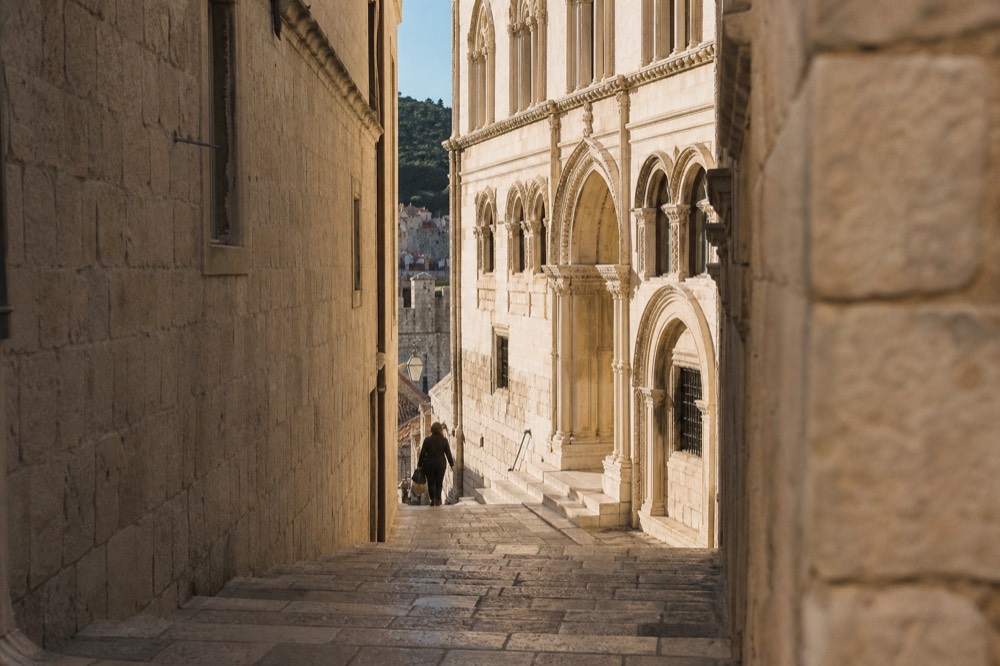
Most visitors spend 45 minutes to an hour inside the Rector's Palace, longer if the courtyard is quiet and you read the room labels. The building is compact, a courtyard plus two floors of state rooms, so it slots naturally between a morning walls walk and lunch. Pair it with Sponza Palace's exterior and the cathedral next door and you have a full morning without rushing.
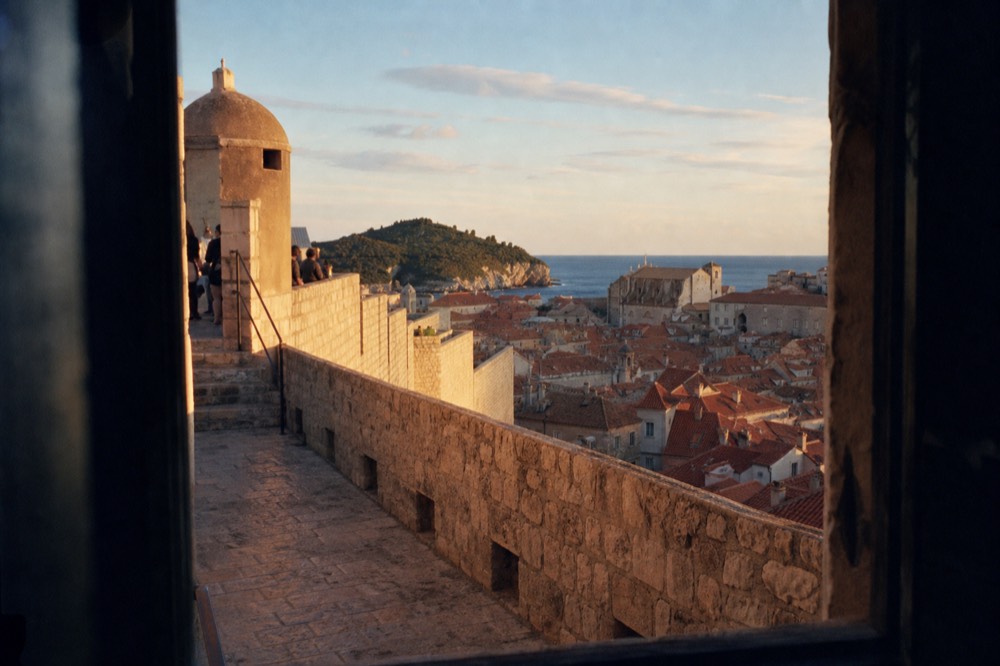
The sequencing advice I give travellers is simple: walls first, palace second. The walls demand the coolest hours, and the operator's stated hours are 08:00 to 19:30, so an 08:00 start beats both the heat and the tour groups. By late morning you are off the wall, and the palace is a five-minute walk from the Pile-side wall exit, perfectly placed for the hours when the stones outside are too hot to enjoy. The palace interior is cool stone and shade, which is not a small thing in a city where the September air temperature still pushes visitors into shaded doorways by noon. Everything else covered here is indexed on Things to Do in Dubrovnik.
If you would rather have the whole sequence narrated, a dedicated walls walk runs about two hours from $29.58 per person, rated 4.8 across 1,387 reviews. There is also a bare admission option, from $36.37 per person, for visitors who want to walk the circuit at their own pace with no guide; its rating sits at 3.6 across 249 reviews, which mostly reflects people expecting more than a ticket delivers. Choose the narrated version if the republic's story is why you came.
| Ticket | Main season | December |
|---|---|---|
| City Walls adult | 40 euro | 20 euro |
| City Walls child 7 to 18 | 15 euro | 5 euro |
| Child under 6 | free | free |
| Lovrijenac alone | 15 euro | 15 euro |
Note what is not on that table: a family ticket. The walls operator sells exactly two paid article types, adult and child 7 to 18, so any site offering a "family walls ticket" is selling something the operator does not.
Can I Get a Discount on Lokrum Tickets With My Dubrovnik Pass?
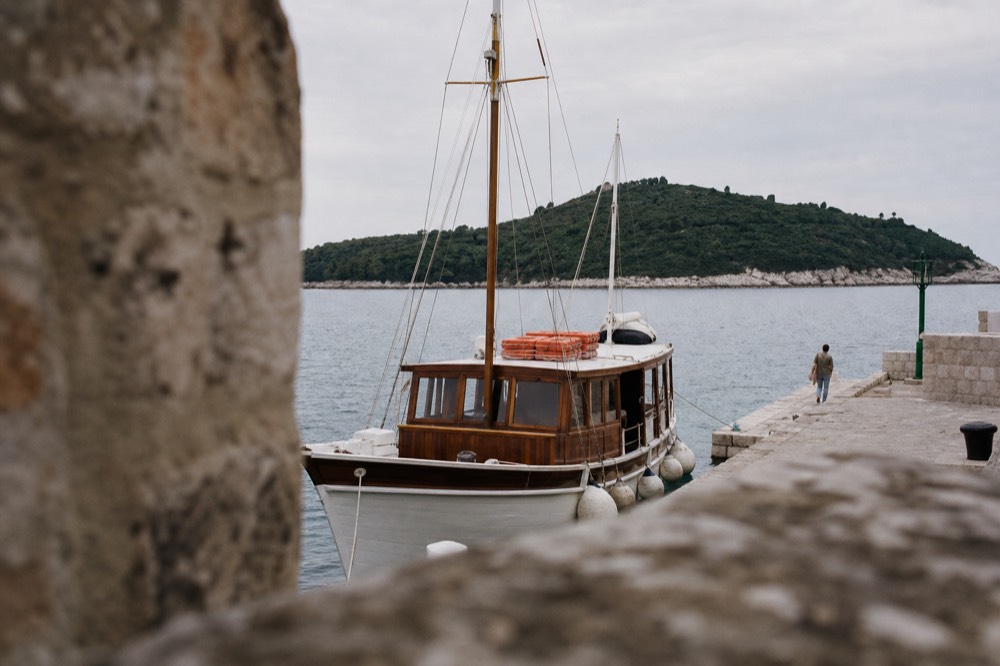
No, the Dubrovnik Pass does not discount or include Lokrum. Lokrum is a separate nature reserve run by its own public institution, and its ticket is 30 euro per person, covering both reserve entry and the return boat transfer. The pass covers city museums, the walls and buses, but the Lokrum boat and entry are sold separately through the reserve's own ticket office.
The question comes up constantly, and the answer catches people out because the pass covers so many sights at once. It is broad, but only within the city's cultural institutions. Lokrum sits on its own island, and the Public Institution Lokrum Reserve prices access at 30 euro per person whether you ride the official boat or arrange your own transport, per the reserve's official site. There is also a combined Dubrovnik, Trsteno, Lokrum, Dubrovnik ticket at 42 euro that adds Trsteno Arboretum and an air-conditioned boat, which is the better buy if the arboretum was already on your list. For the full picture, read the guide to Lokrum Island.
| Option | Price | Covers |
|---|---|---|
| Lokrum ticket | 30 euro | Reserve entry and return boat transfer |
| Combined with Trsteno | 42 euro | Lokrum, Trsteno Arboretum, air-conditioned boat |
| Dubrovnik Pass one day | 40 euro | Walls, Lovrijenac, Rector's Palace, museums, bus |
The boat schedule is worth knowing before you commit: departures leave the City Harbour at 09:00, then every 15 minutes from 10:00 to 18:00, and the ticket office at Luža works 08:00 to 18:00. A ticket stays usable for three days, so you are not locked into a single weather window. The deeper question of whether the island earns half a day of your trip is covered in the answer page on whether the pass includes the Lokrum ferry, which unpacks the same confusion from the pass side.
What Not to Do in Dubrovnik?
The four mistakes that cost the most: walking the walls at midday in high summer, buying a one-day pass in December when no pass tier is on sale, expecting a family walls ticket that does not exist, and underestimating September and October crowds, which exceed July and August on cruise passenger numbers. Add to that dining on the Stradun at peak hours and you have the full list.
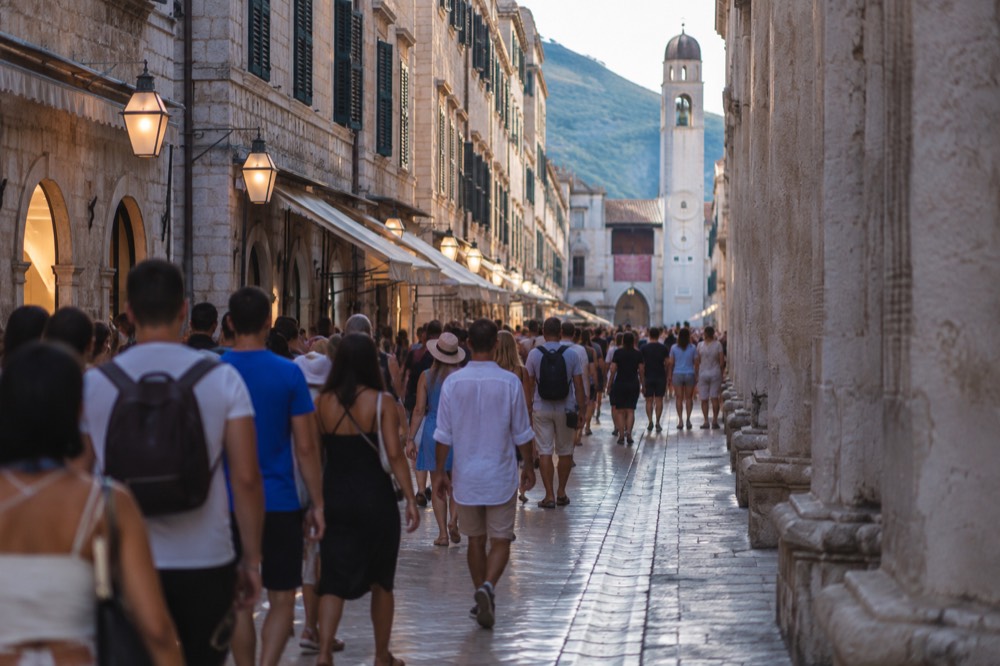
Each of these has a fix, and the fixes are cheap. Walk the walls at opening, not at noon: the stones hold the day's heat, and the 08:00 start also beats the excursion groups that flood the Pile entrance by mid-morning. The counting system gives you a rare advantage here, because six counters at every Old Town entrance update a headcount every 15 minutes, and the official carrying capacity is 11,275 people. On a real September day the curve read 5,419 people at 08:00, a 7,739 peak at 10:00, and 7,205 at 11:00. The morning advantage is not folklore; it is measured.
| Mistake | Why it hurts | Do this instead |
|---|---|---|
| Walls at midday in summer | No shade on the circuit, hot stone | Start at 08:00, museum after |
| One-day pass in December | No pass tier is on sale; walls cost 20 euro | Buy the standalone walls ticket |
| Assuming autumn is quiet | September and October lead the cruise year | Book tours and tables early in autumn |
| Only eating on the Stradun | Peak prices, peak crowds | Walk two streets north or south |
| Skipping the palace interior | You miss the republic's whole story | Budget an hour after the walls |
The autumn point deserves emphasis because it contradicts every instinct. The Port Authority's own figures show 2025 cruise passengers peaked at 101,246 in September and 100,132 in October, ahead of July's 96,072 and August's 87,385, with 625,257 for the full year and 461 calls scheduled for 2026. Those are ship capacity numbers, not a promise of bodies in the street, but the direction is clear: if you visit in late September expecting post-season calm, recalibrate. The city's own crowd planning is documented in the guide to Dubrovnik's overtourism debate, which explains the 8,000-passenger daily limit and the roughly forty call requests the Port Authority refused in one season.
A final one for this page's topic: do not treat the Rector's Palace as a photo stop. The facade is genuinely beautiful, but the interior is where the republic explains itself, and it takes less time than a coffee on the Stradun. If a self-guided pace appeals, an audio-guided hop-on-hop-off bus at $35.46 per person, rated 4.9 across 1,147 reviews, covers the panoramas while you save your walking legs for the palace and the walls.
How Do the Palace, the Walls and the Pass Fit Into One Day?
A clean single day runs like this: walls at 08:00, Rector's Palace around 11:00, lunch off the Stradun, then a museum or the cable car in the afternoon, all on a 40-euro one-day pass. The pass's one-time-visit rule means you plan each stop once, and the 24-hour bus ticket covers the return to Lapad or Gruž. The combo walking tour compresses the same highlights into three and a half guided hours.
The pass arithmetic only works if you actually use the extras. A one-day pass at 40 euro equals the walls ticket in main season, so every additional sight is effectively free: the palace, the Maritime Museum, the Franciscan Monastery Museum, the rest of the list. Two museum interiors plus the walls and the pass has paid for itself several times over in avoided single tickets. Miss the museums and you have bought a walls ticket with a bus ride attached, which is fine, but know which one you did.
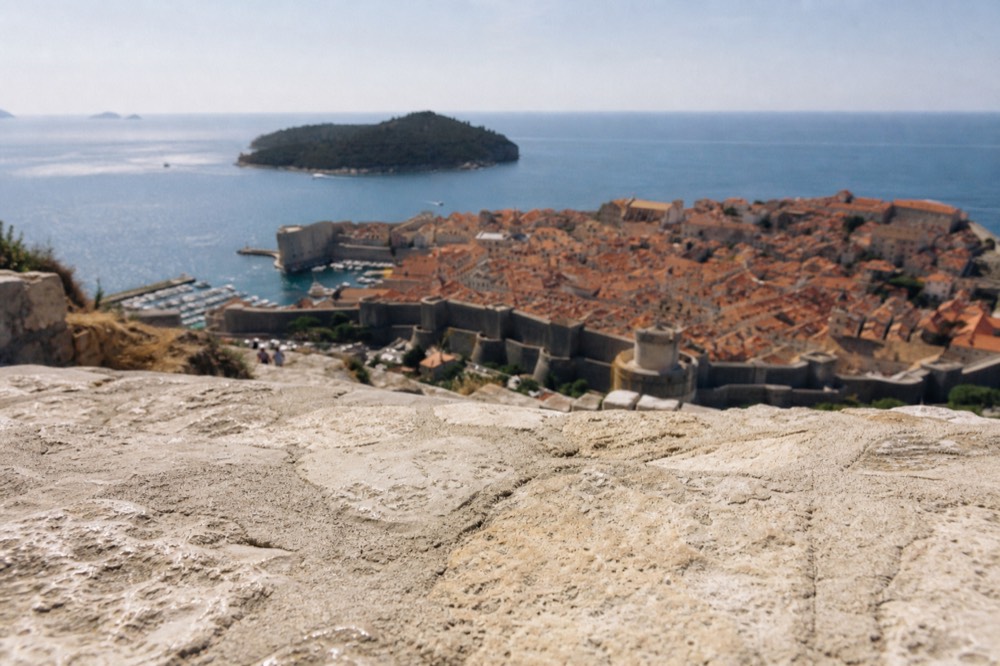
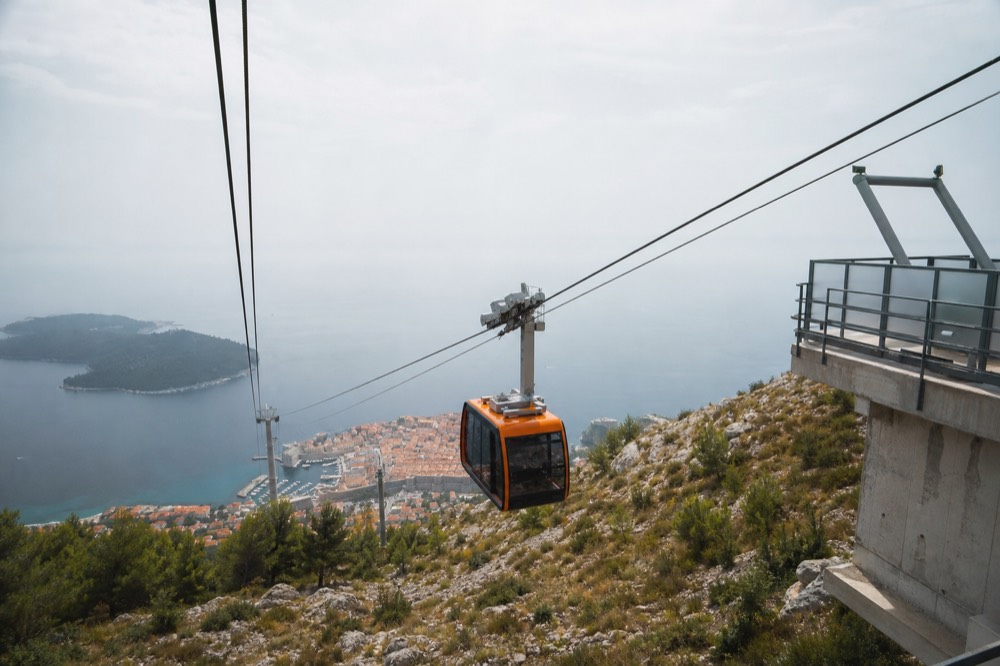
For the afternoon, the cable car is the classic finish. The 2026 prices are 30 euro adult round trip, 17 euro one way, 8 euro round trip for a child 4 to 12, and free under 4, with the ride covering 778.2 metres of track and a 367.0-metre rise to the upper terminal at 405.0 metres above sea level in three and a half minutes. Sunset from the top, then dinner back down in the city, is the sequence most travellers remember. The full breakdown of times and tickets is in the guide to the Dubrovnik cable car.
If you prefer your day narrated end to end, the combo walk remains the best-value structure on the roster: Old Town plus the full walls circuit, from $50.94 per person, rated 4.8 across 1,183 reviews. You will pass the Rector's Palace early in the walk, which is the ideal moment to decide whether to return for the interior on your pass afterwards. That is the pattern I recommend to first-time visitors: let a guide give you the frame in the morning, then spend your afternoon filling in the interiors that caught your attention.
That review, from a cable car and Old Town combo guest, captures the practical rhythm better than any itinerary table: heat shapes the day, guides shape the understanding, and the recommendations you get along the way often outlast the tour itself. Build your palace day the same way, with the walls early, the palace in the cool middle hours, and the evening left open.
Common Questions About the Rector's Palace in Dubrovnik
Is the Rector's Palace included in the Dubrovnik Pass?
Yes. Every pass tier lists the Rector's Palace among its included sights, alongside the City Walls, Lovrijenac Fortress and the city museums. Each institution allows a one-time visit per pass.
Can I get a discount on Lokrum tickets with my Dubrovnik Pass?
No. Lokrum is run by its own public institution and is not part of the pass. The Lokrum ticket is 30 euro per person and covers reserve entry plus the return boat transfer, or 42 euro combined with Trsteno Arboretum.
What is the name of the palace in Dubrovnik?
The main one is the Rector's Palace, the former seat of government on the Stradun. Sponza Palace at the Luža end of the Stradun is the other famous palace, but it houses the state archive rather than a ticketed museum.
Is Dubrovnik Palace a good hotel?
There is no hotel by that name inside the Old Town. The resort hotels people usually mean stand on the Lapad and Babin Kuk side of the city, outside the walls. Inside the Old Town, accommodation is small guesthouses and converted townhouses.
What not to do in Dubrovnik?
Do not walk the walls at midday in high summer, do not buy a one-day pass in December when no pass tier is on sale, do not expect a family walls ticket that does not exist, and do not assume autumn is quiet: September and October lead the year in cruise passengers.
How much time does the Rector's Palace take?
Most visitors spend 45 minutes to an hour inside. The building is compact, a courtyard plus two floors of rooms, so it fits neatly between a morning walls walk and lunch.