Where Is Dubrovnik and Why Is It There?
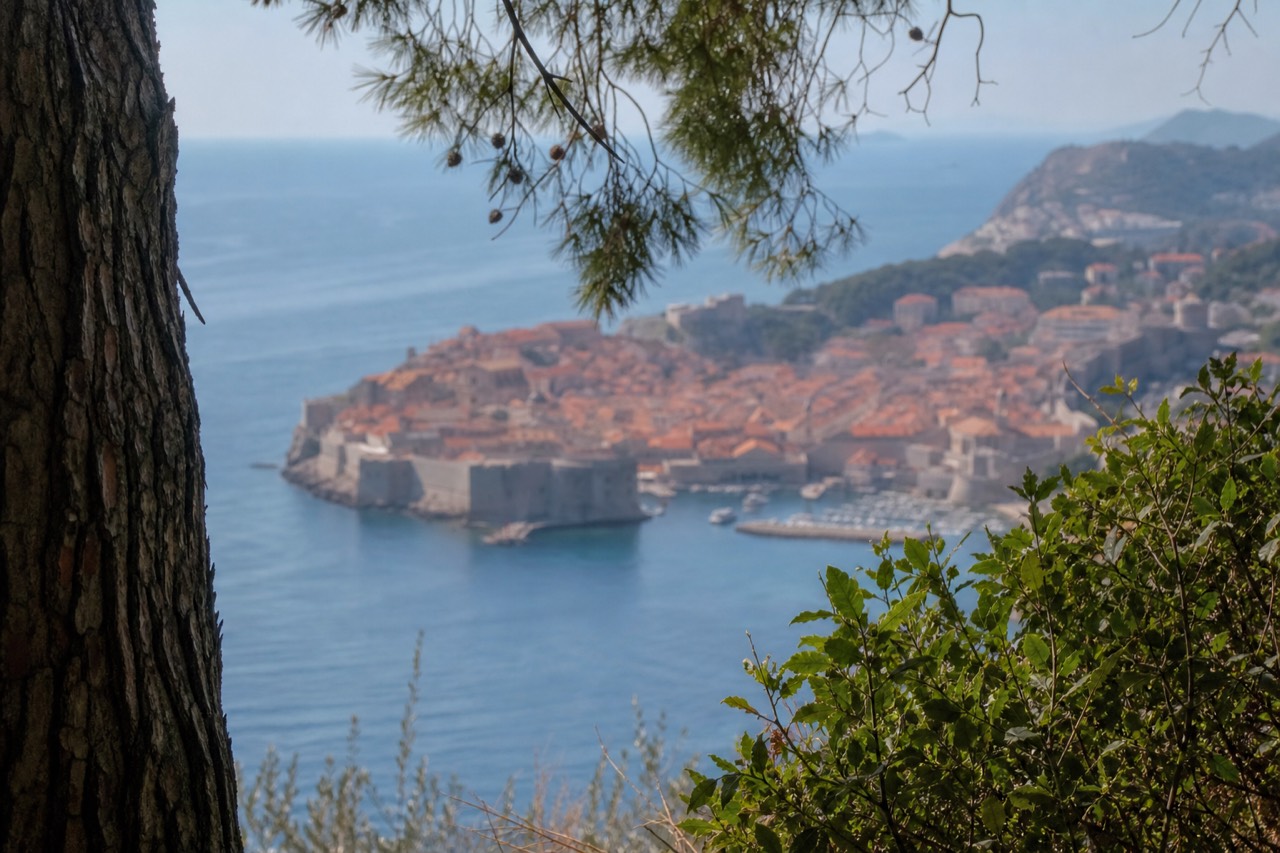
Dubrovnik sits at the southern tip of Croatia, on a shoulder of the Dinaric Alps that drops straight into the Adriatic, closer to Montenegro than to Split. Here is where it is, why it grew there, and what that means for your visit.
Short answer
Dubrovnik is at the southern end of Croatia, in Dubrovnik-Neretva County, on the Adriatic coast 15 kilometres from the Montenegrin border. The city counted 41,562 residents at the 2021 census. It has no train station, so you arrive by air, by road, or by sea, and its walled Old Town covers 24.7 hectares.
People ask where Dubrovnik is more often than they ask almost anything else about it, and the honest answer surprises them. The city hangs off the far south of Croatia, on a strip of coast that is cut off from the rest of the country by Bosnia and Herzegovina at Neum, so you cannot drive from Split to Dubrovnik without briefly leaving Croatia. I have walked these streets with travellers since 2015, and the geography is the first thing I explain, because it shapes everything else: how you arrive, when the crowds land, and why this particular rock became one of the most defended cities on the Adriatic.
Where Is Dubrovnik on the Map?
Dubrovnik sits on the eastern shore of the Adriatic Sea, at the southern end of Croatia's Dalmatian coast. It lies 15 kilometres from the Montenegrin border and a long coastal drive southeast of Split. Behind it rise the Dinaric Alps; in front of it stretch the Elaphiti Islands, and Italy sits across the water to the northwest.
The position is the whole story. Dubrovnik grew where a limestone ridge meets a protected harbour, with islands shielding the anchorage from the open sea. That is a classic maritime-city recipe, and the Republic of Ragusa, the city-state that ran this coast for centuries, exploited it with a merchant fleet that traded as far as Ottoman Turkey and Spain. The city faces the sea, not the hinterland, and everything a visitor notices today, from the walls to the orientation of the streets, follows from that.
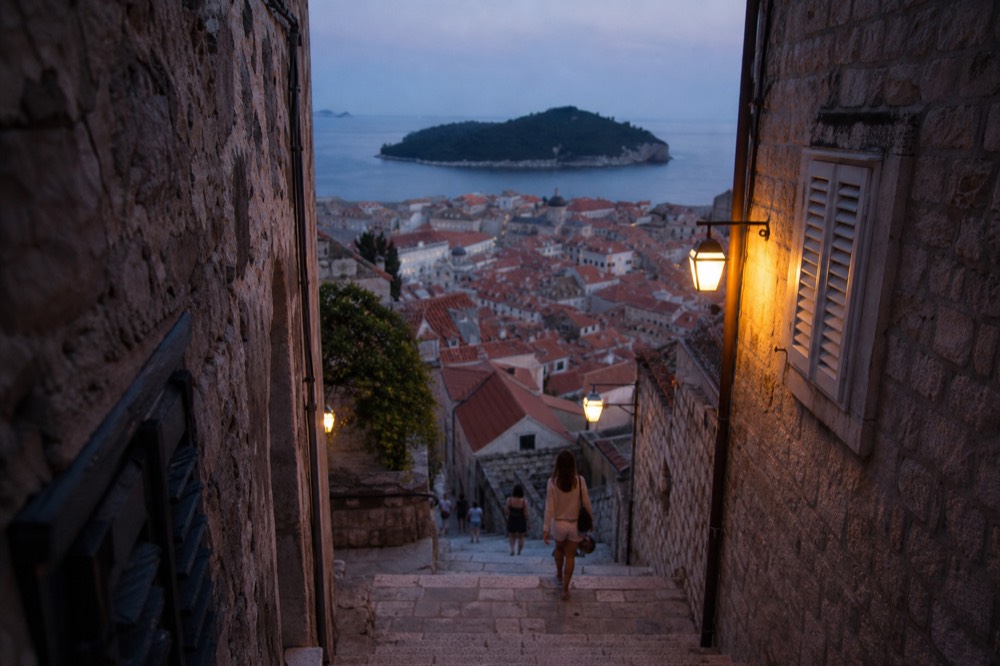
Look at a map of Croatia and you will see the oddity immediately. Croatia's coastline runs northwest to southeast, but at Neum, about 60 kilometres up the coast, Bosnia and Herzegovina owns a 20-kilometre window on the sea. That window separated Dubrovnik from the rest of Croatia for centuries, and until the Pelješac Bridge opened it still shaped every road journey south. Today the bridge carries you over the bay, but the border geography remains the reason Dubrovnik feels, and functions, a little like an island at the end of the country.
The sea in front of the city is the southern Adriatic, and it is warm by Croatian standards. The long-run average for this coast, a 1991 to 2020 open-water climatology from NOAA, puts August at 25.8 degrees and September at 23.6, with sheltered bays running warmer still: the Croatian met service's own Dubrovnik buoy read 27.0 to 27.4 degrees on 8 September 2026 against that 23.6 September mean. If you want the full picture of the coast and its islands, start with our Elaphiti Islands guide.
Where Is Dubrovnik Within Croatia?
Dubrovnik is the administrative seat of Dubrovnik-Neretva County, the southernmost of Croatia's 21 counties, which counted 115,862 residents at the 2021 census. The city itself recorded 41,562 inhabitants in that same census. It is the county's only real urban centre, and the nearest large Croatian city, Split, is a long drive away, past the Bosnian corridor at Neum.
Administratively, culturally and practically, Dubrovnik is the capital of the far south. The county stretches from Neum down to Montenegro and includes the Pelješac peninsula and the islands of Korčula, Mljet and Lastovo, which is why so many of the best day trips from the city are island trips. The city's transport links reflect the isolation: there is no railway anywhere in the county, so the airport, the coastal road and the port carry everything.
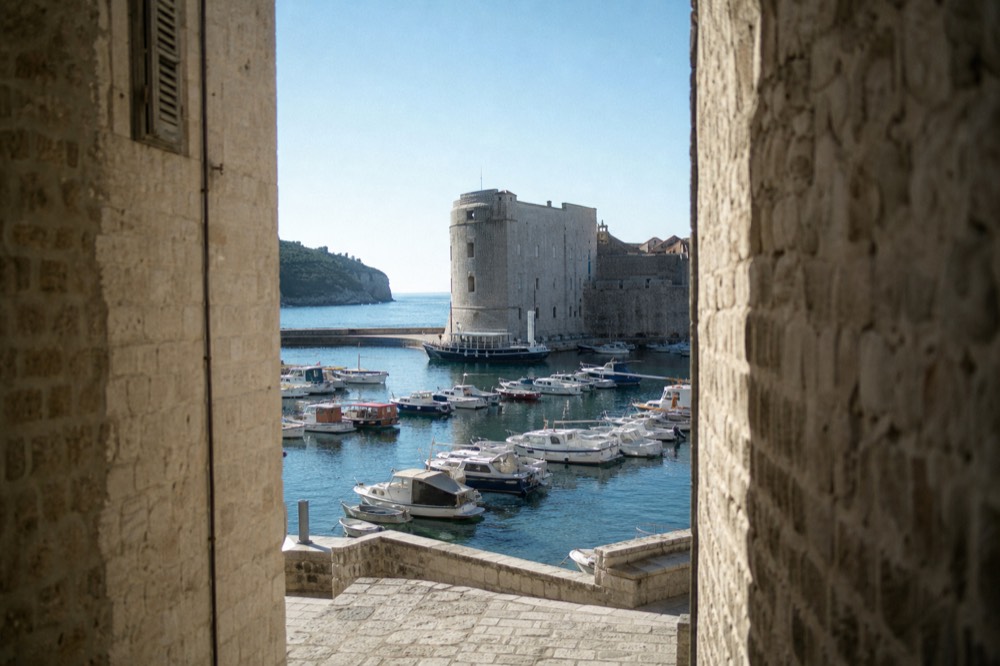
Distances are worth memorising before you plan anything, because Croatia looks small on a map and is not small in travel time. The coast road is winding, and the mountain interior is slower still.
| From Dubrovnik to | Approximate distance | Typical use |
|---|---|---|
| Montenegrin border (Debeli Brijeg) | 15 km | Kotor and Budva day trips |
| Neum (Bosnia and Herzegovina) | 60 km | Coastal road north |
| Ston, Pelješac | 60 km | Walls and oysters day trip |
| Mostar, Bosnia and Herzegovina | 90 km | Most popular inland day trip |
| Dubrovnik Airport, Čilipi | 20 km | Arrivals and departures |
| Split | Long coastal drive | Long transfer or ferry |
The city's position also explains its cruise economy. Dubrovnik is the last major Adriatic port before Montenegro and Corfu, which makes it a natural final call on Mediterranean itineraries, and the Port Authority scheduled 461 cruise calls for 2026. If you are timing a visit around the ships, our cruise schedule page tracks the busiest days.
If you are arriving with only a few hours, the geography is forgiving: the Old Town is close to the port, and the question of how far Dubrovnik is from the cruise port has a short, reassuring answer.
How Do You Get to a City at the End of Croatia?
You reach Dubrovnik by air, by road or by sea, because there is no train line to the city or anywhere in the county. Dubrovnik Airport at Čilipi sits about 20 kilometres southeast of the Old Town and handles direct flights from across Europe in season. By road you drive the coastal Adriatic highway or arrive by long-distance bus, and in summer catamarans and ferries connect the city to Split and the islands.
The airport is the main gateway for international visitors. It is small, busy in summer, and well connected to the Old Town by shuttle bus and taxi; our airport to Old Town guide covers the options and costs in detail. Direct flights from the United States do not exist, so American travellers connect through Zagreb, Split or a European hub, a point we treat fully in the answer to which airports fly directly to Dubrovnik.
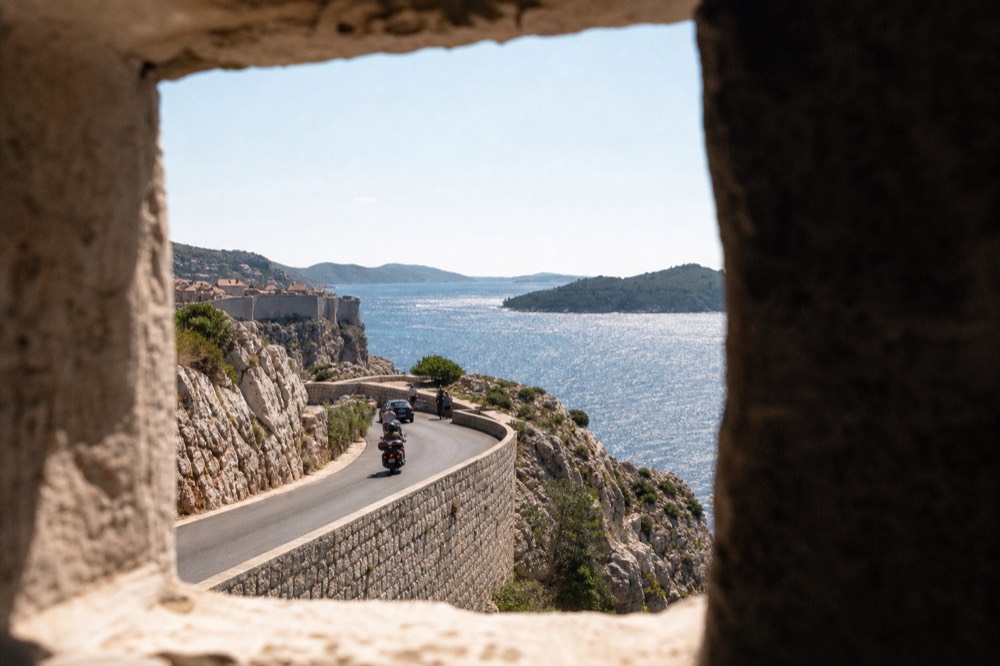
By road, the drive down the coast is spectacular and slow. From Split you pass through Bosnia at Neum or cross the Pelješac Bridge, then follow the coast past Ston into Dubrovnik. Buses run this route several times a day and are the standard budget option; the comparison of bus versus ferry from Split to Dubrovnik is worth reading before you book either. By sea, seasonal catamarans serve the Elaphiti Islands, Mljet, Korčula, Hvar and Split, and cruise ships call at the port in Gruž.
Once you are here, the city itself is compact. The walled core is pedestrian, buses cover the suburbs, and the whole question of getting around in Dubrovnik resolves into walking plus the occasional bus or taxi ride.
What Is Dubrovnik Best Known For?
Dubrovnik is best known for its complete medieval city walls, 1,940 metres long and up to 25 metres high, encircling a baroque Old Town that UNESCO inscribed on the World Heritage List in 1979. Beyond the walls, it is known as a filming location for Game of Thrones, as a cruise destination, and as the capital of the former Republic of Ragusa, a maritime power that traded across the Mediterranean.
The walls are the single most famous object in the city, and the numbers explain why people talk about them. The circuit runs 1,940 metres, with the main wall 4 to 6 metres thick on the land side and 1.5 to 3 metres on the sea side, and the whole system counts 16 towers, 3 fortresses, 6 bastions, 2 corner fortifications, 3 bulwarks, 3 moats, 2 flank fortresses, 1 breakwater and 2 drawbridges. The shape was reached in the 13th century and the last bastion was finished in 1660. The operator's stated hours at time of check are 08:00 to 19:30, and the adult ticket in main season, 1 March to 30 November, is 40 euro, which is also the walls plus Fort Lovrijenac combined.
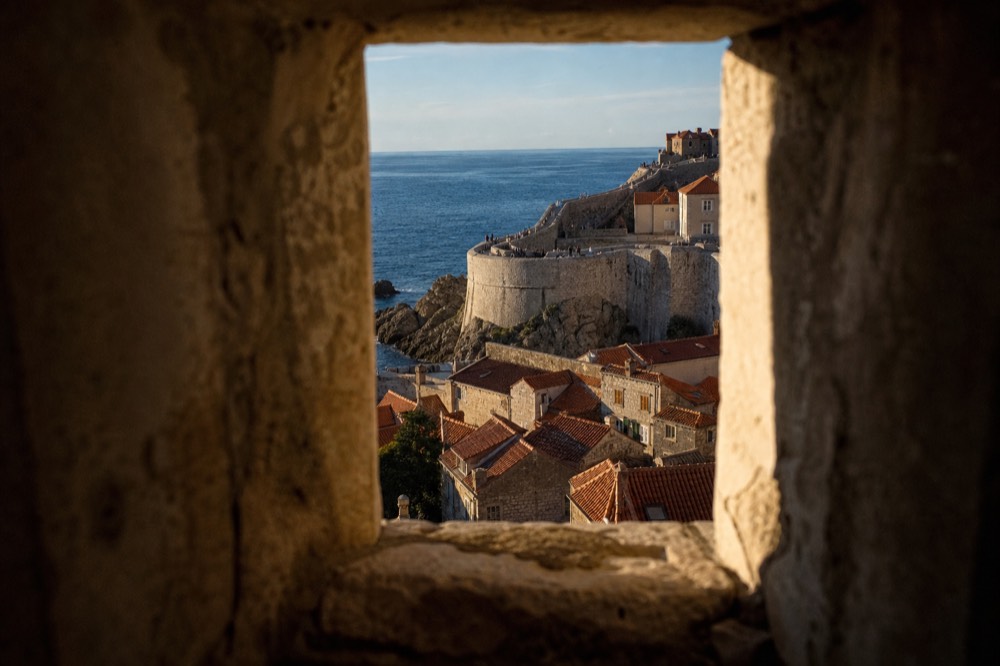
The UNESCO inscription is the formal recognition of what every visitor senses. The Old City of Dubrovnik, reference C 95bis, was inscribed in 1979 under criteria (i), (iii) and (iv), covering a property area of 24.7 hectares with an 1,188.6-hectare buffer zone, and it stood on the List of World Heritage in Danger from 1991 to 1998 during the war. The UNESCO listing page carries the full record.
The Republic of Ragusa is the historical engine behind all of it. This was a merchant republic that bought its security with diplomacy and sea power rather than armies, and its legacy is the architecture: the Stradun, the main street, runs 298 metres across the old channel that once divided the settlement, its final plan fixed by the Statute of 1272, according to the Dubrovnik Tourist Board. Fort Lovrijenac, the standalone fortress on its 37-metre sea rock, guarded the western approach.
The best way to absorb all of this on a first day is with a guide who can put the stones in order. The Old Town Walk with a Local Guide runs from $20 per person and is rated 4.8 across 5,826 reviews.
A guest review from that walk captures what a guide adds:
Alex was a fantastic guide, she explained the complex history of Dubrovnik to give a lasting impression of the history of the area. Really appreciated that she aimed for shaded areas on a boiling September day. The food recommendations for after were much appreciated too! Great tour for a first experience of the old town!
Sophie
What Is Dubrovnik Famous For Around the World?
Globally, Dubrovnik is famous as King's Landing from Game of Thrones, as a Mediterranean cruise port, and as one of the most photographed walled cities in Europe. The television series filmed here from season two onward, using the Pile Gate, the Lovrijenac fortress and the streets of the Old Town, and screen tourism now sits beside the walls and the beaches as a reason people come.
The Game of Thrones effect is real and measurable in the streets. Walk through Pile Gate on a summer morning and you will hear the walking tours naming scenes as they go. The Original Game of Thrones Tour, which includes Lokrum and the throne, runs from $25.57 per person and is rated 4.8 across 6,132 reviews, one of the most reviewed products in the city. More of these guides are collected on Things to Do in Dubrovnik.
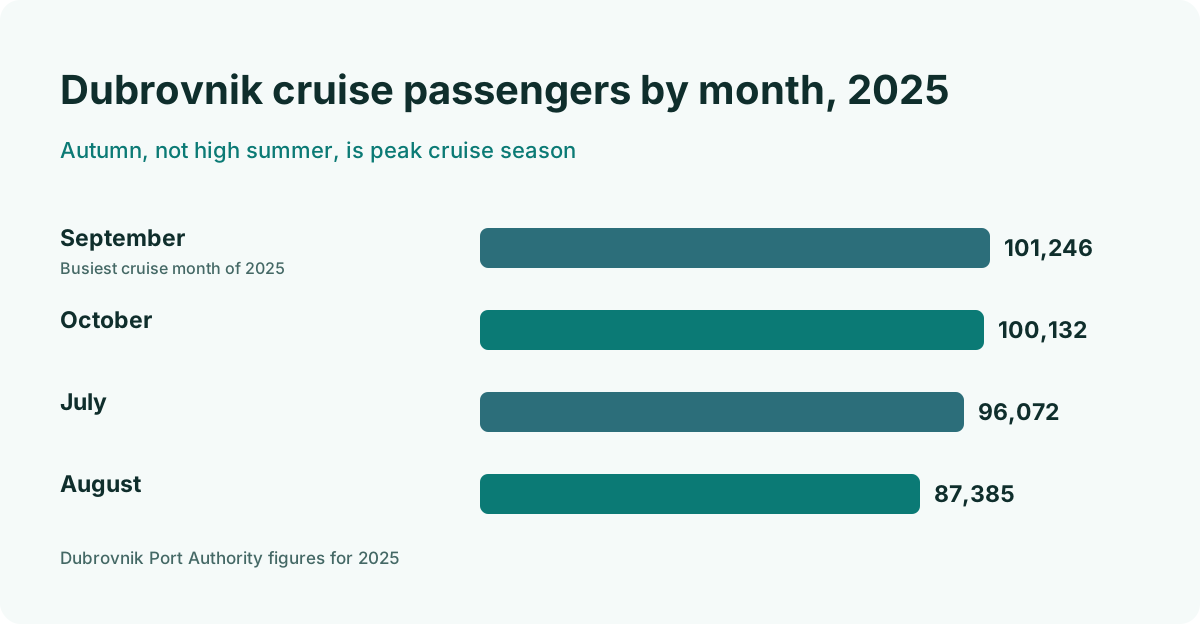
Cruise fame is the quieter half of the story. The Port Authority recorded 625,257 cruise passengers in 2025, up from 582,499 in 2024, and the busiest months were not July and August but September, with 101,246 passengers, and October, with 100,132, ahead of July's 96,072 and August's 87,385. That is the single most useful planning fact on this site: autumn, not high summer, is peak cruise season, as the Port Authority statistics show. The city also recorded about 4.2 million overnight stays in 2025, sharing first place among Croatian destinations with Rovinj, per the Croatian Bureau of Statistics.
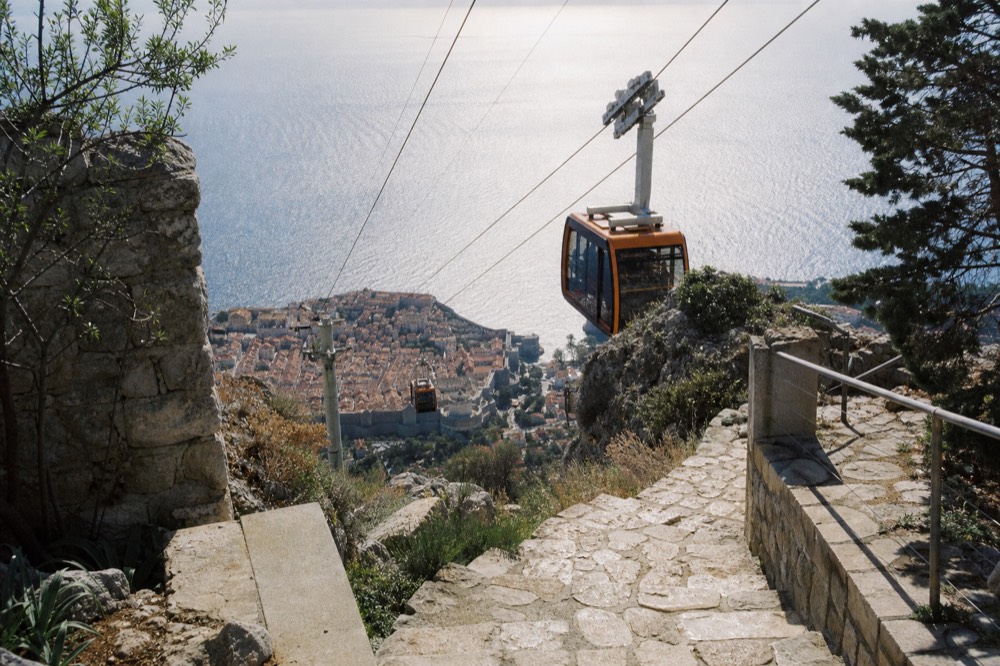
The third strand of fame is the view from above. The cable car hauls you from the lower terminal at 38.0 metres above sea level to Mount Srđ at 405.0 metres, a 367.0-metre rise over a 778.2-metre track, in 3 minutes 30 seconds, and the operator claims a view range of up to 60 km on a clear day. An adult round trip costs 30 euro in 2026. The operator's price page carries the full timetable, and our cable car guide covers the rest.
| What Dubrovnik Is Famous For | The Signature Experience | Typical Cost |
|---|---|---|
| City walls | Full 1,940 m circuit walk | 40 euro adult, main season |
| Game of Thrones | Guided filming-location walk | From $25.57 per person |
| Cable car panorama | Mount Srđ viewpoint, 405 m | 30 euro adult round trip |
| Old Town itself | Stradun, 298 m, and the lanes | Free to wander |
Is Dubrovnik Worth Visiting?
Yes, for almost every traveller, with one condition: manage your timing. The Old Town is genuinely one of Europe's great urban ensembles, the walls and the sea live up to the photographs, and the islands and coast nearby add a second holiday on top. The condition is crowds, because 4.2 million overnight stays and 625,257 cruise passengers in 2025 mean the core is busy.
I walk these streets year-round, and the city rewards early risers disproportionately. The official counting system, six counters at every Old Town entrance updating a headcount every 15 minutes, recorded 5,419 people at 08:00 on one September morning, a peak of 7,739 at 10:00, and 7,205 by 11:00. The official carrying capacity from the UNESCO assessment is 11,275 people. In plain terms: at 08:00 the city is half as full as it is two hours later, and the same walls are the same walls.
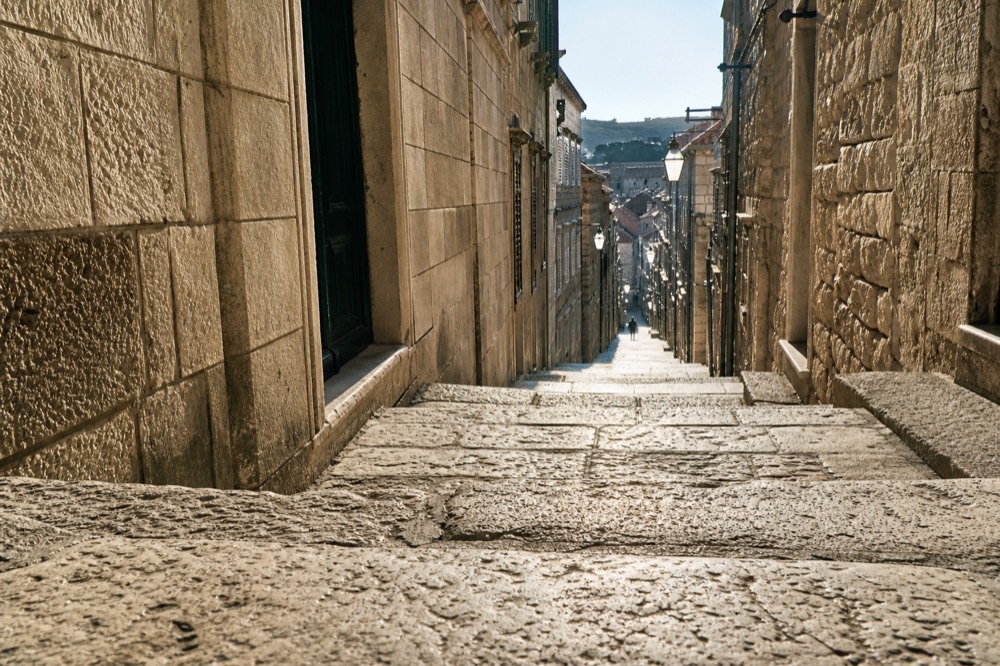
Worth also depends on season. September and October are the sweet spot for many repeat visitors: the sea is still swimmable, with a long-run September average of about 23.6 degrees, the air is gentler, and the cultural calendar continues. The trade-off is that these are the two busiest cruise months, so book accommodation and the walls early. Our Dubrovnik in September guide and the broader best time to visit guide break the year down month by month.
| Season | Crowds | Sea Temperature (Long-Run Average) | Best For |
|---|---|---|---|
| April to May | Moderate | 15.4 to 18.6 degrees | Sightseeing, hiking |
| June to August | Peak land season | 22.5 to 25.8 degrees | Swimming, islands |
| September to October | Peak cruise season | 23.6 falling to 21.0 degrees | Warm sea, fewer land crowds |
| November to March | Quiet | 18.5 down to 14.0 degrees | Walls without queues, low prices |
For a deeper judgement on the question itself, our is Dubrovnik worth visiting page weighs the costs honestly, and the answer on whether the Old Town is worth it is a firm yes at the right hour.
What Not to Do in Dubrovnik?
Do not walk the walls at midday in summer, do not drive into the Old Town, do not expect to pay with anything but a card or euro cash at most stalls, do not swim off the city walls' outer rocks without shoes, and do not plan a visit for late September or early October without checking the cruise schedule. Each of these mistakes is common, avoidable, and the difference between loving the city and leaving exhausted.
The midday walls walk is the classic error. The circuit has almost no shade, the stone radiates heat, and the 08:00 to 10:00 window is both cooler and emptier, as the headcount curve above shows. The second classic error is arriving by car without a parking plan. The Old Town is fully pedestrianised, parking outside the core is limited and metered, and our parking guide maps the realistic options.
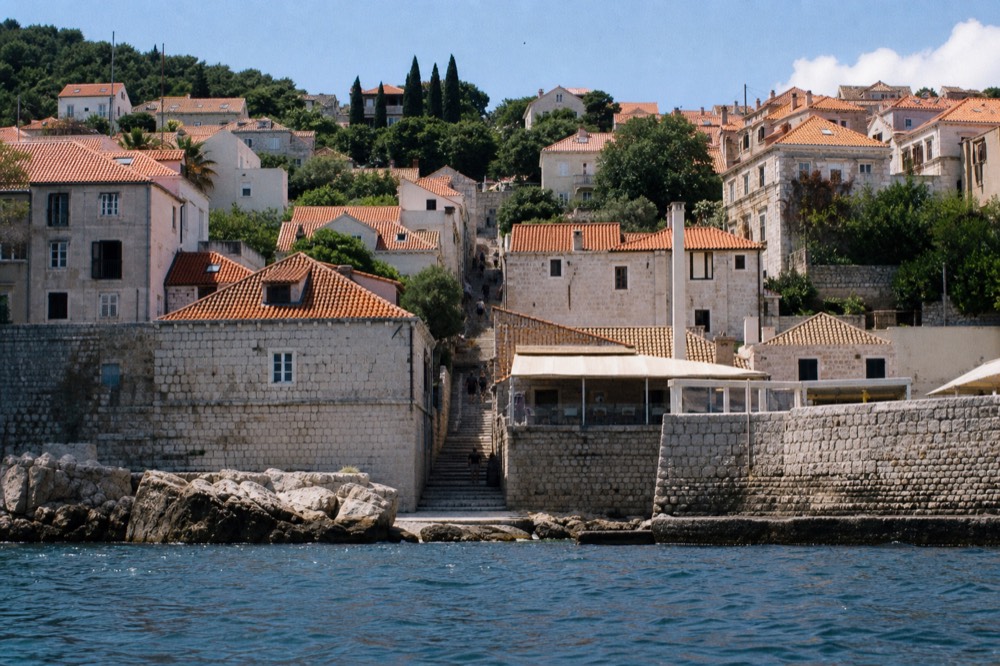
Money is the third. Croatia uses the euro, cards are widely accepted, but small stalls and some beach kiosks prefer cash, and the walls ticket office can move slowly when three cruise tenders land at once. Buy the walls or the Dubrovnik Pass ahead if you are coming in peak season, and remember the seasonal honesty point: the 40 euro one-day pass equals the 40 euro walls ticket in main season only, 1 March to 30 November, because in December the walls ticket drops to 20 euro and no pass tier is on sale at all.
| Mistake | Why It Fails | What to Do Instead |
|---|---|---|
| Walls at midday in July or August | No shade, peak crowds, hot stone | Enter at 08:00 opening |
| Driving to the Old Town | Car-free core, scarce parking | Park outside or arrive by bus |
| Assuming summer is cruise peak | September and October carry more cruise passengers | Check the schedule before booking |
| Rounding the walls without water | The circuit takes hours in heat | Carry a litre per person |
| Skipping the islands | The coast's best days are offshore | Book an Elaphiti or Mljet day |
One more thing worth saying plainly: respect the residential city. People live and work inside those postcard frames, the city counted 41,562 residents at the 2021 census, and the busiest lanes are also somebody's route home. Early mornings, quiet lanes and a greeting in Croatian go a long way, and the answers on what to be careful of in Dubrovnik cover the practical etiquette.
Where Should You Go Once You Know Where You Are?
Start with the Old Town and the walls on your first morning, take the cable car or a kayak for the second perspective, then leave the city for a day: the Elaphiti Islands, Mljet or Lokrum sit within easy reach, and Montenegro and Mostar sit just over the border. A first visit of three to four days covers the core comfortably, which is the length our how-many-days guide recommends for most travellers.
The geography that once isolated Dubrovnik is now your advantage. Because the city sits at the crossroads of Croatia, Bosnia and Montenegro, the day-trip radius is extraordinary: Ottoman bridges at Mostar, the fjord-like bay of Kotor, the walls and oysters of Ston, all inside a day. Within Croatia, the islands do the same work closer to home, and Lokrum, 30 euro including the return boat, is a 09:00 sailing away with departures every 15 minutes from 10:00 to 18:00.
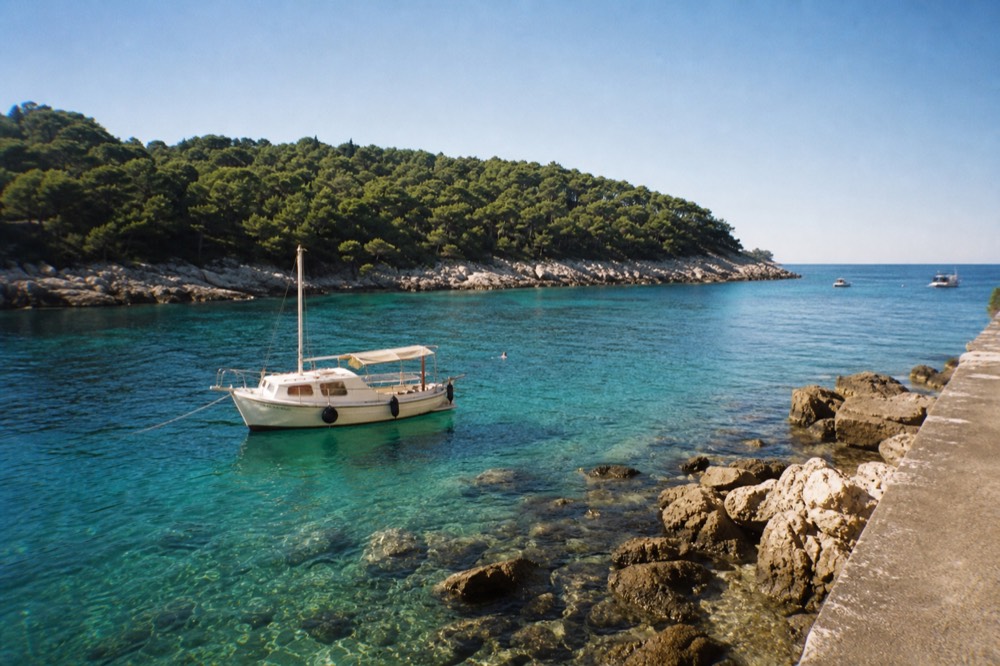
If you are building the trip now, three walks cover the orientation need for most first-time visitors, and this site exists to help you choose between them. Whether the story you want is Ragusa's republic, King's Landing, or simply a local's route through the lanes, the right guide on day one pays for itself in every day that follows.
Common Questions About Where Dubrovnik Is
Where Is Dubrovnik?
Dubrovnik is on the Adriatic coast at the southern tip of Croatia, in Dubrovnik-Neretva County, about 15 kilometres from the Montenegrin border and a long coastal drive southeast of Split. The city sits where the Dinaric Alps meet the sea, with the Elaphiti Islands sheltering the coast in front of it.
Where Is Dubrovnik in Croatia?
It is the seat of Dubrovnik-Neretva County, the southernmost county in Croatia, which counted 115,862 residents at the 2021 census against the city's 41,562. The county includes the Pelješac peninsula and the islands of Korčula, Mljet and Lastovo.
Is Dubrovnik Worth Visiting?
Yes. The walled Old Town is a UNESCO World Heritage Site inscribed in 1979, the 1,940-metre walls are intact and walkable, and the surrounding coast and islands add depth. Time your visit: September and October are the busiest cruise months, ahead of July and August, so early mornings matter most then.
What Is Dubrovnik Best Known For?
Its complete medieval city walls, up to 25 metres high, its baroque Old Town, its history as the Republic of Ragusa, its role as King's Landing in Game of Thrones, and its cruise port, which handled 625,257 passengers in 2025.
What Not to Do in Dubrovnik?
Do not walk the walls at midday in high summer, do not drive into the pedestrianised Old Town, do not assume July and August are the peak cruise months, and do not visit in peak season without pre-booked walls tickets or a Dubrovnik Pass.
How Do You Get to Dubrovnik?
By air into Dubrovnik Airport at Čilipi, about 20 kilometres from the Old Town, by long-distance bus along the coastal road, or by ferry and catamaran along the coast and islands. There is no train service to Dubrovnik or anywhere in the county.