Why Is Dubrovnik Famous? The Story Behind the Postcard City
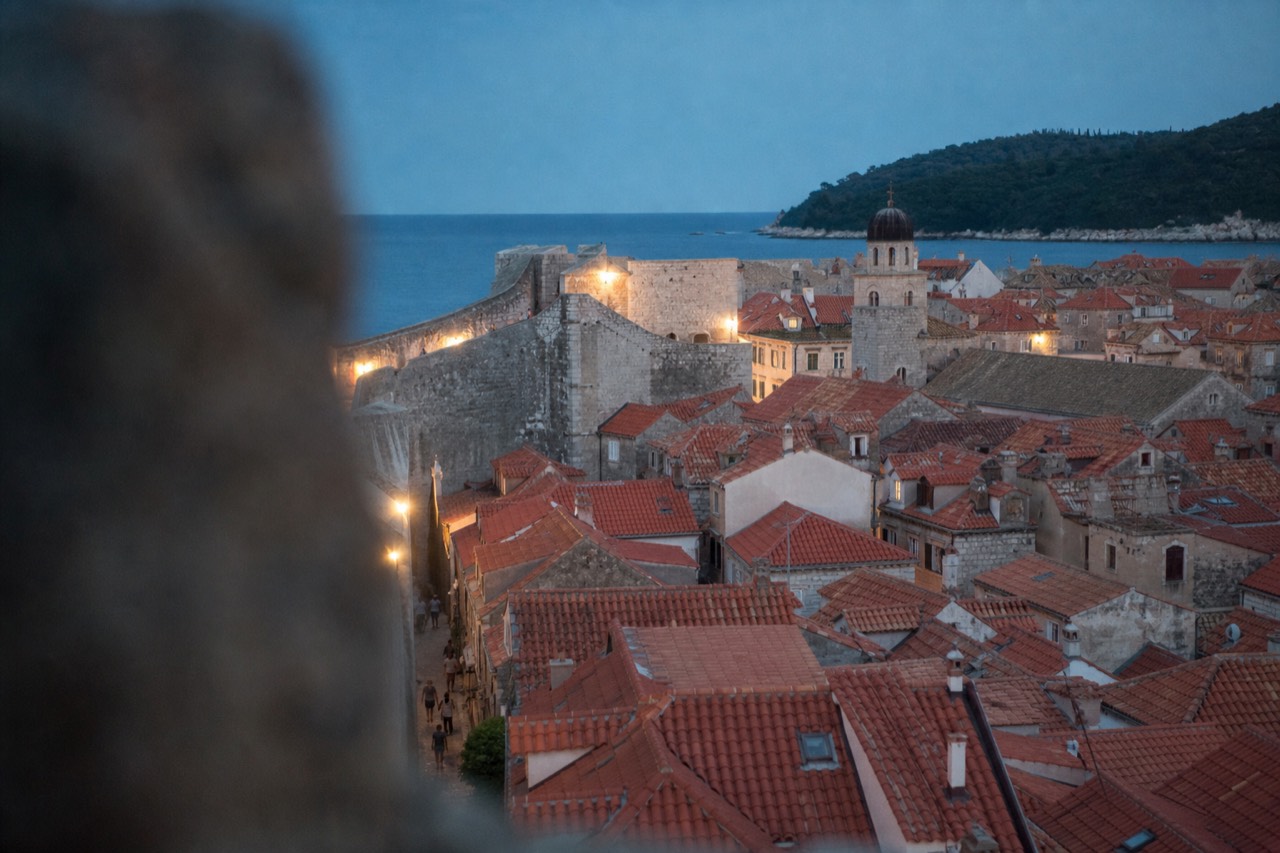
Dubrovnik is famous for one of the best-preserved walled medieval cities in Europe, a UNESCO World Heritage listing from 1979, Game of Thrones filming locations, and a setting on the Adriatic that cruise ships deliver 625,257 passengers a year to see.
Short answer
Dubrovnik is famous for its 1,940-metre city walls, its UNESCO-listed Old Town of 24.7 hectares, its role as King's Landing in Game of Thrones, and its terracotta skyline above the Adriatic. The city of 41,562 residents recorded about 4.2 million overnight stays in 2025, sharing first place in Croatia with Rovinj.
The question I hear most often at Pile Gate, usually from someone holding a phone with a screenshot of the Stradun on it, is simply: why is this place so famous? It is a fair question. Dubrovnik is a small city, 41,562 people at the 2021 census, on a peninsula at the southern end of the Croatian coast, and yet it is one of the most recognisable urban landscapes on earth. The answer is not one thing. It is a stack of five or six things, each amplifying the others, and this guide takes them in order: the walls, the UNESCO listing, the screen career, the setting, and the food. Along the way I will give you the numbers that explain the fame, because the numbers are genuinely startling.
What Is Dubrovnik Famous For?
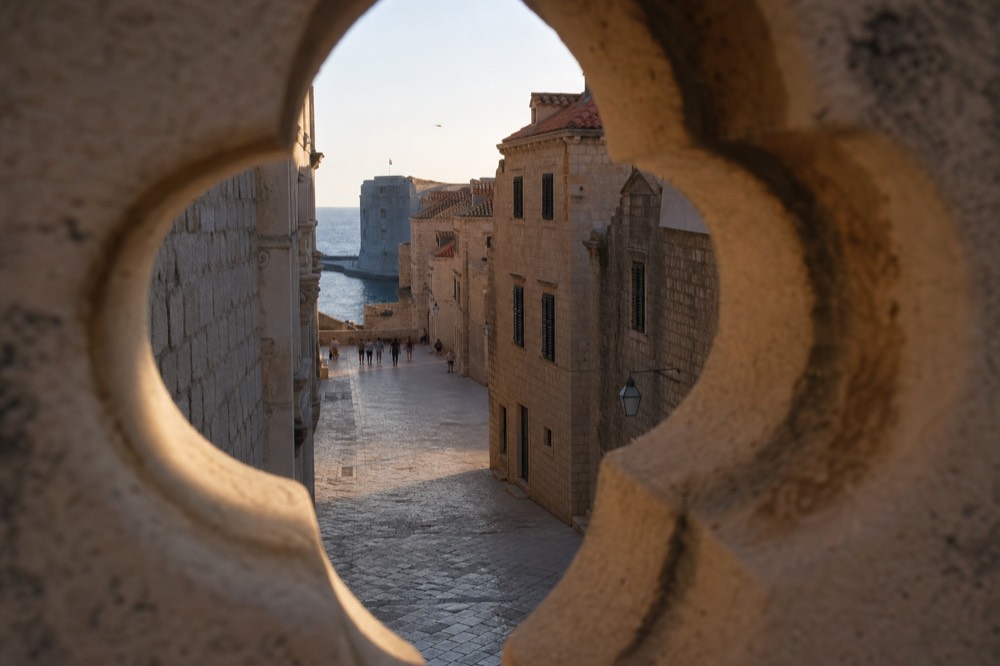
Dubrovnik is famous for a complete medieval walled city on the Adriatic: 1,940 metres of ramparts up to 25 metres high, wrapped around a UNESCO-listed Old Town of 24.7 hectares, with the 298-metre Stradun as its spine. Add Fort Lovrijenac on its 37-metre sea rock, red rooftops, and Game of Thrones locations, and the skyline became one of the most photographed in Europe.
Start with the physical fact, because everything else sits on top of it. The walls run 1,940 metres around the Old Town, up to 25 metres high in places, 4 to 6 metres thick on the land side and 1.5 to 3 metres on the sea side. The operator's own count of what that circuit contains reads like an inventory from another age: 16 towers, 3 fortresses, 6 bastions, 2 corner fortifications, 3 bulwarks with rows of turrets, 3 moats, 2 flank fortresses, 1 breakwater and 2 drawbridges. The shape was reached in the 13th century and the final works were finished in 1660 with the Bastion of St Stephen, according to the walls operator's own history page.
Inside that ring, the city is small enough to hold in your head after two days. The Stradun, the limestone main street, is 298 metres long, and the 1272 Statute fixed the final plan of both the city and that street, as the Dubrovnik Tourist Board records. Walk it once and you understand the scale of the place. This is not a sprawling old quarter with a preserved corner; it is the whole city, complete, which is precisely why it photographs so well.
The second layer of fame is institutional. UNESCO inscribed the Old City of Dubrovnik on the World Heritage List in 1979 under criteria (i), (iii) and (iv), reference C 95bis, with a property area of 24.7 hectares inside a 1,188.6-hectare buffer zone. It also spent 1991 to 1998 on the List of World Heritage in Danger, a direct consequence of the siege the city endured, which is itself part of why the intact skyline moves people the way it does. The UNESCO listing entry carries the full record.
The third layer is the screen. When Game of Thrones needed a King's Landing, Dubrovnik's walls and staircases were cast almost unchanged, and a city that was already famous among historians and cruise passengers became famous among a global television audience. Our Game of Thrones filming locations guide maps every site if that is your thread of the story.
If you want the short version of what to actually do with the fame, the three most popular entry points are the walls themselves, a guided walk that explains what you are looking at, and the Game of Thrones tour that ties the skyline to the show.
Why Is Dubrovnik Famous?
Dubrovnik is famous because it was a wealthy independent republic, the Republic of Ragusa, whose merchant fleet and diplomacy built a city far grander than its size, and because that city survived, intact, into the age of mass photography and mass tourism. Fame followed preservation: the walls, the listing in 1979, and then King's Landing multiplied it.
The historical answer deserves more than a sentence. For centuries this was the Republic of Ragusa, a maritime merchant state that ran its own diplomacy, its own fleet and its own coinage, the Collection of Coins of the Republic of Ragusa you can still visit at Gundulić Square 6 being one echo of it. A small republic that grew rich on trade built itself a capital of stone, then had the good sense, and later the luck, never to replace it. The circuit reached its shape in the 13th century and was completed in 1660; after that, the city essentially stopped rebuilding itself outward, which is why the core you walk today is coherent in a way few European old towns are.
Then came the modern layers. The UNESCO inscription in 1979 gave the city an international seal at the exact moment Mediterranean tourism was scaling up. The siege of the early 1990s put it on front pages worldwide, and the restoration that followed, roof by terracotta roof, gave it a redemption arc that people respond to without quite knowing why. And then Game of Thrones cast the whole city as a character. Each layer inherited the audience of the previous one. That compounding is the real answer to why a city of 41,562 is a household name.
The scale of the resulting attention is measurable, and the numbers are worth seeing side by side.
| Layer of fame | What it delivered | Verified figure |
|---|---|---|
| The walls | Circuit visitors walk today | 1,940 m long, up to 25 m high |
| UNESCO listing | Old City inscribed, criteria (i)(iii)(iv) | 1979, 24.7 ha property |
| World Heritage in Danger | Siege-era listing | 1991 to 1998 |
| Overnight stays | Dubrovnik destination, 2025 | About 4.2 million nights |
| Cruise passengers | Port of Dubrovnik, 2025 | 625,257 |
That last row deserves a caveat I will repeat later: cruise figures are ship capacity, not a headcount of people ashore. Even so, the direction is unmistakable. The fame is not a mood, it is a measurable flow of people, and the city now manages it with tools I will come to.
For the classic first-day experience of the famous core, the Old Town walk with a local guide is the product most first-time visitors book, from $20 per person, rated 4.8 across 5,826 reviews.
A review from Sophie, who took that exact walk, catches what a guide adds to streets you could otherwise wander past: "Alex was a fantastic guide, she explained the complex history of Dubrovnik to give a lasting impression of the history of the area. Really appreciated that she aimed for shaded areas on a boiling September day. The food recommendations for after were much appreciated too! Great tour for a first experience of the old town!"
Why Is Dubrovnik So Famous?
The intensifier in the question is earned by two forces: Game of Thrones made the skyline globally recognisable, and cruise tourism, 625,257 passengers in 2025 with 461 calls scheduled for 2026, physically delivers that audience to the gates. A famous city became one of the most visited per capita in Europe.
There is a difference between famous and so famous, and the step change happened within living memory. Before the television era, Dubrovnik was famous the way historians and yachtsmen know places: deeply, but narrowly. The King's Landing role changed the audience from thousands to hundreds of millions, and the effect on the streets was immediate and lasting. Locations that locals walked past daily became pilgrimage sites with queues. If that is your reason for coming, the Game of Thrones tour with the optional Lokrum and Iron Throne visit, from $29.62 per person and rated 4.9 across 5,201 reviews, is the product built for exactly that.
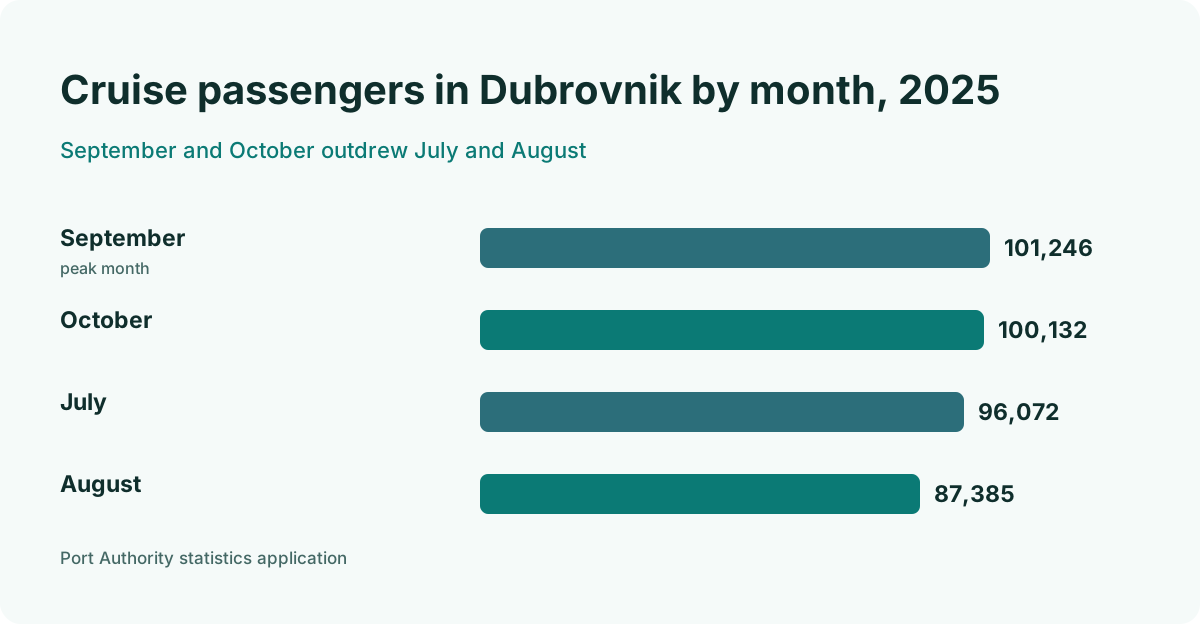
The second force is the cruise industry, and here the Port Authority's own data tells a story most visitors find surprising. Cruise passengers in 2025 peaked not in July or August but in September, at 101,246, with October close behind at 100,132, ahead of July's 96,072 and August's 87,385. The Port Authority statistics application publishes the full series. For 2026, 461 cruise calls are scheduled. The city limits cruise passengers to 8,000 a day in most cases, and of 243 cruise days a year only 18 exceed that number, with only 4 going slightly above 10,000. About forty call requests were refused in a single season to hold that line.
The city also counts. Six counters at every Old Town entrance update a headcount every 15 minutes, and the official carrying capacity from the UNESCO carrying-capacity assessment is 11,275 people. On a real morning in September 2026 the curve read 5,419 people at 08:00, a 7,739 peak at 10:00, then 7,205 at 11:00. That is what so famous looks like from the inside, and it is why timing matters more here than in almost any city of comparable size. Our best time to visit guide works through the calendar in detail.
| Month, 2025 | Cruise passengers |
|---|---|
| July | 96,072 |
| August | 87,385 |
| September | 101,246 |
| October | 100,132 |
The pattern holds a lesson: if you are choosing between a late-summer and an early-autumn week purely for crowd reasons, do not assume September is the quiet shoulder. The ships say otherwise.
What Food Is Dubrovnik Famous For?
Dubrovnik is famous for Adriatic seafood, oysters from nearby Ston, black risotto, grilled fish, and the Dalmatian ham-and-cheese board, washed down with local Plavac Mali and Pošip wines. The city's food fame is regional rather than national: it is the taste of the southern Dalmatian coast, and Ston's oysters are its flagship.
The food answer to the fame question is the one people ask latest and remember longest. The Old Town's restaurant tables spill onto the Stradun and the side lanes, and the signature dishes are the sea's: black risotto cuttlefish-ink dark, whole grilled fish, mussels, and oysters, with the oyster capital an hour up the coast at Ston on the Pelješac peninsula. Pelješac is also Plavac Mali country, the red grape of the southern Dalmatian coast, and a tasting trip there pairs the two naturally. Our Ston oysters guide and the Plavac Mali guide cover both threads if food is your reason for the trip.
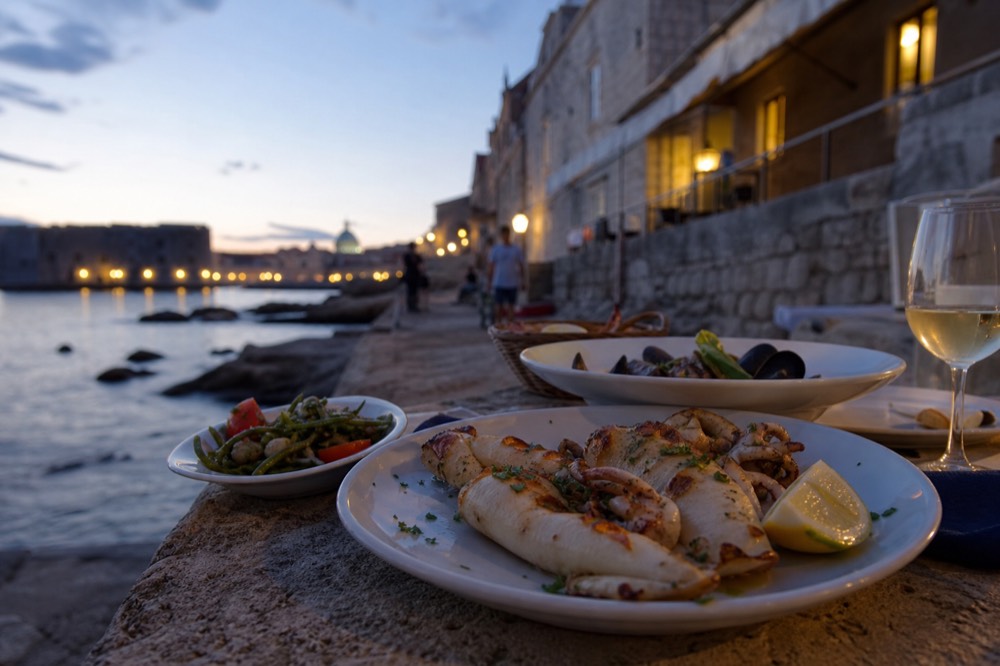
What the food scene is not is a single famous dish the way Naples has pizza. It is a portfolio, and the honest way to present it is a table of what to order and why, with the practical note that restaurant prices in the walled city run high relative to the rest of Croatia, a topic our trip cost guide breaks down line by line.
| Dish or drink | What it is | Where it shines |
|---|---|---|
| Ston oysters | Farmed oysters from Pelješac waters | Eaten at source in Ston, or on a tasting tour |
| Black risotto | Cuttlefish-ink rice, a Dalmatian standard | Any konoba doing daily seafood |
| Grilled fish | Whole fish, priced by the kilo | Check the price per kilo before ordering |
| Dalmatian ham and cheese | Pršut and local sheep cheese board | With a Plavac Mali red |
| Plavac Mali | Southern Dalmatia's signature red | Pelješac and Konavle tasting rooms |
If you would rather have the food explained than decoded alone, the food and drink walking tour with a local guide runs about 3 hours, from $165.64 per person, rated a perfect 5 across 704 reviews, and it doubles as an orientation to the Old Town's lanes.
The Walls and the View That Made the Postcard
The single most famous view of Dubrovnik is the walls-and-rooftops panorama from the ramparts above the Old Town, and the 40 euro main-season adult ticket, 1 March to 30 November, buys the walls plus Fort Lovrijenac. The circuit is 1,940 metres and takes most visitors between one and three unhurried hours.
The view from the walls is the image that travels. It is the one on the postcards, the one the opening shots borrowed, and the reason the admission ticket is the single most consequential purchase of most Dubrovnik trips. The pricing structure matters: the 40 euro adult ticket in main season is not walls-only, it is the walls plus Fort Lovrijenac combination, and it also covers the Western Outer Wall, closed December through February, and the Collection of the Republic of Ragusa coins. Lovrijenac bought alone is 15 euro. Children 7 to 18 pay 15 euro, under 6 walk free, and there is no family ticket, only those two paid types. In December the adult ticket drops to 20 euro. The operator's stated hours at time of check were 08:00 to 19:30.
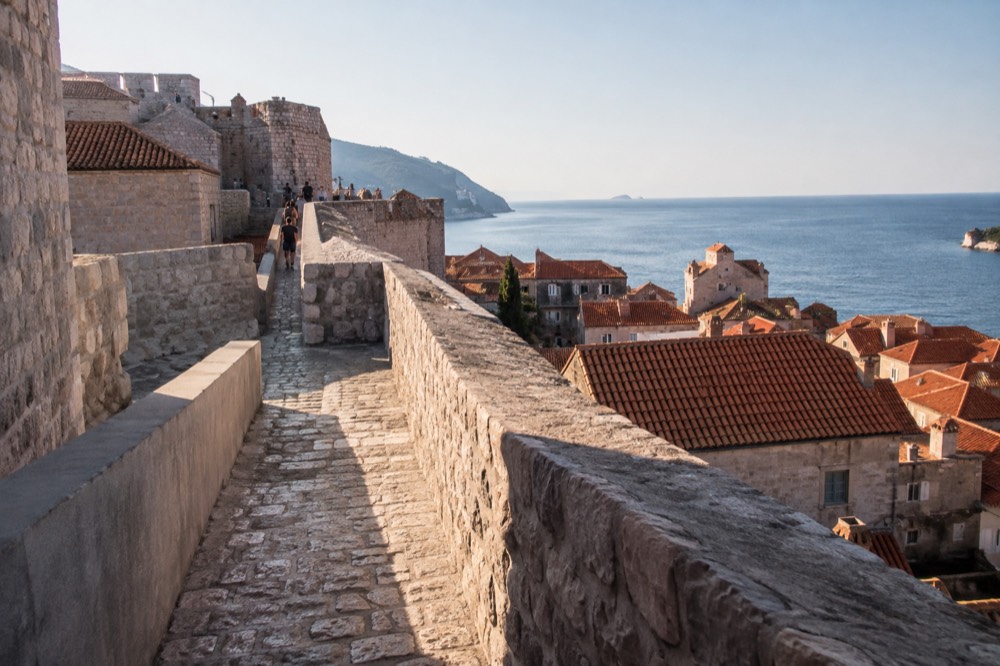
The timing advice I give everyone: go at opening or in the last two hours. The counter data explains why. By 10:00 on a September day the Old Town held 7,739 people, and the wall path is narrow with almost no shade, so the difference between 08:00 and midday is the difference between a walk and a shuffle. Our city walls guide covers the circuit entrance by entrance, and the walls tickets guide compares the standalone ticket against the Dubrovnik Pass, whose one-day tier costs the same 40 euro in main season and adds ten more sights plus a 24-hour bus ticket.
| Ticket | Main season, 1 Mar to 30 Nov | December |
|---|---|---|
| Adult walls and Lovrijenac | 40 euro | 20 euro |
| Child 7 to 18 | 15 euro | 5 euro |
| Child under 7 | Free | Free |
| Lovrijenac alone | 15 euro | 15 euro |
One honesty note that matters in December: no winter pass tier is on sale at all, so the "the pass costs the same as the walls" comparison is a main-season statement only, true from 1 March to 30 November.
A City That Runs on Visitors
Dubrovnik's fame now has a measurable cost and a measurable management system: about 4.2 million overnight stays in 2025, 625,257 cruise passengers, an official carrying capacity of 11,275 people in the Old Town, and a live counting system updating every 15 minutes. The city manages its own fame in real time.
It is worth pausing on how extraordinary those figures are for a city of 41,562 people. The Croatian Bureau of Statistics puts Dubrovnik's 2025 overnight stays at about 4.2 million, shared first place among Croatian destinations with Rovinj, against 94.8 million nights nationally in commercial accommodation. The fame is the engine of the local economy and also the pressure on it, and the city has responded with instruments few destinations have: the six-counter people counting system, the 8,000-passenger daily cruise limit in most cases, the refused call requests, and the carrying-capacity ceiling of 11,275 from the UNESCO assessment.
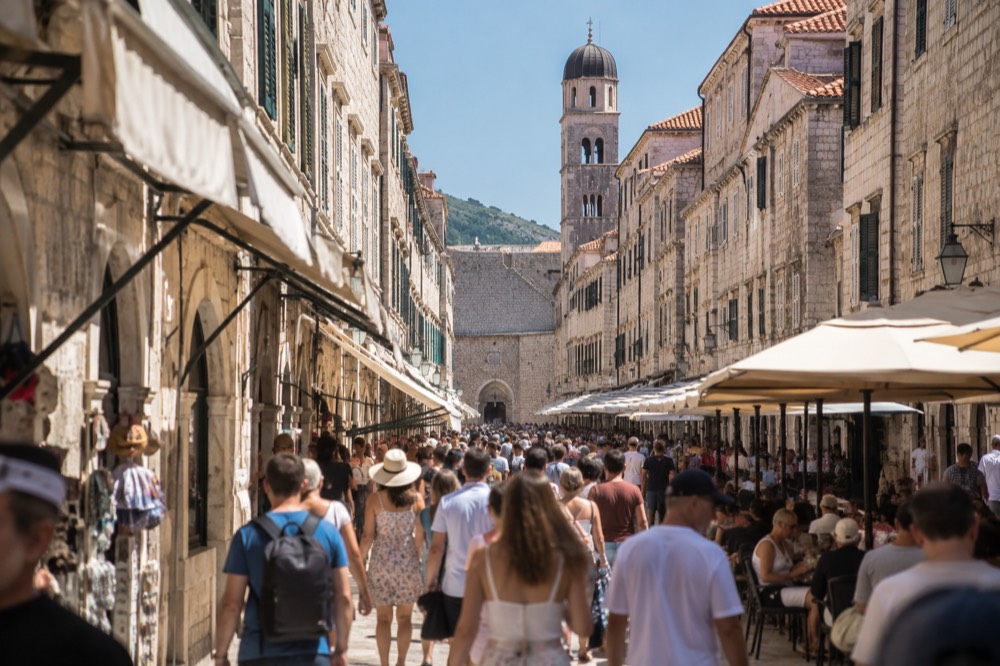
For you as a visitor, the practical translation is simple: the fame is not evenly distributed across the day or the year. The Old Town at 08:00 and the Old Town at 11:00 are two different experiences, and the same is true of a June Tuesday versus an October morning after two ships have anchored. Cruise figures are ship capacity rather than a count of people ashore, but the pattern they set, mornings busy, late afternoons quiet as passengers return to their ships, is the single most useful planning fact in the city.
| Time, 8 September 2026 | People counted in the Old Town |
|---|---|
| 04:00 | 1,200 |
| 06:00 | 1,725 |
| 07:00 | 3,139 |
| 08:00 | 5,419 |
| 09:00 | 7,297 |
| 10:00 | 7,739 |
| 11:00 | 7,205 |
How to See the Famous City Well
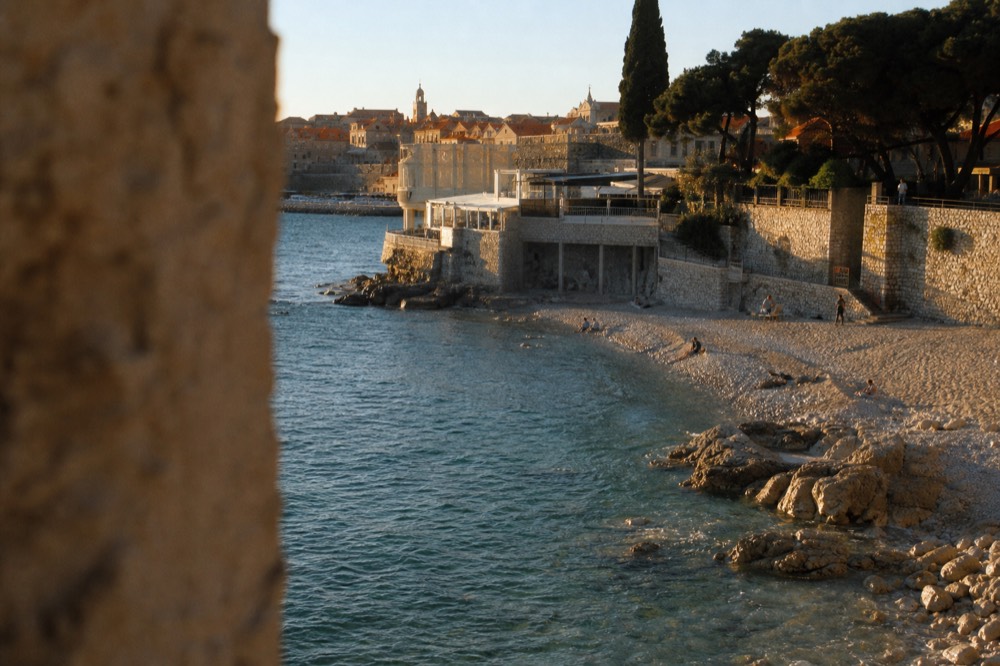
Walk the walls at opening, do the Stradun and its lanes before 10:00 or after 17:00, take one guided walk for the history and one screen-location tour if Game of Thrones brought you, and spend at least one afternoon outside the walls, on Lokrum, at Banje beach, or up Mount Srd on the cable car. That sequence gets you the famous Dubrovnik without the worst of its crowds.
The fame is concentrated in a very small footprint, 24.7 hectares, so the strategy is temporal rather than spatial. Everything famous is within a ten-minute walk of everything else famous, which means the crowds are too. The counters say the quiet window is early; the cruise schedule says late afternoon empties out as ships depart; and the shoulder months carry their own surprise, with September and October busier by cruise passenger numbers than July and August. Our first-timers guide and the one-day itinerary both build a day around those windows.
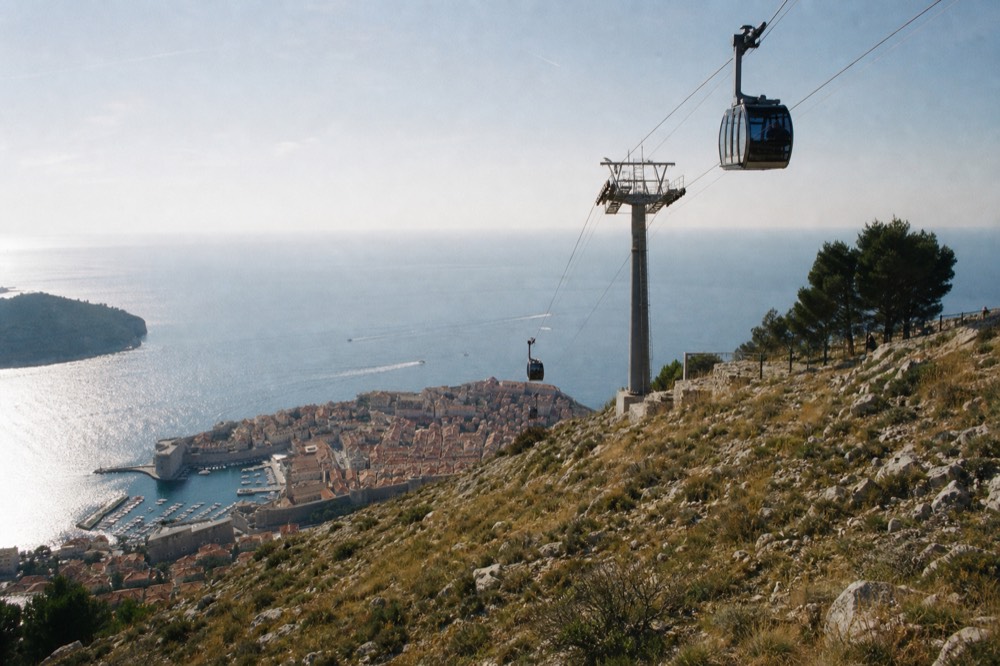
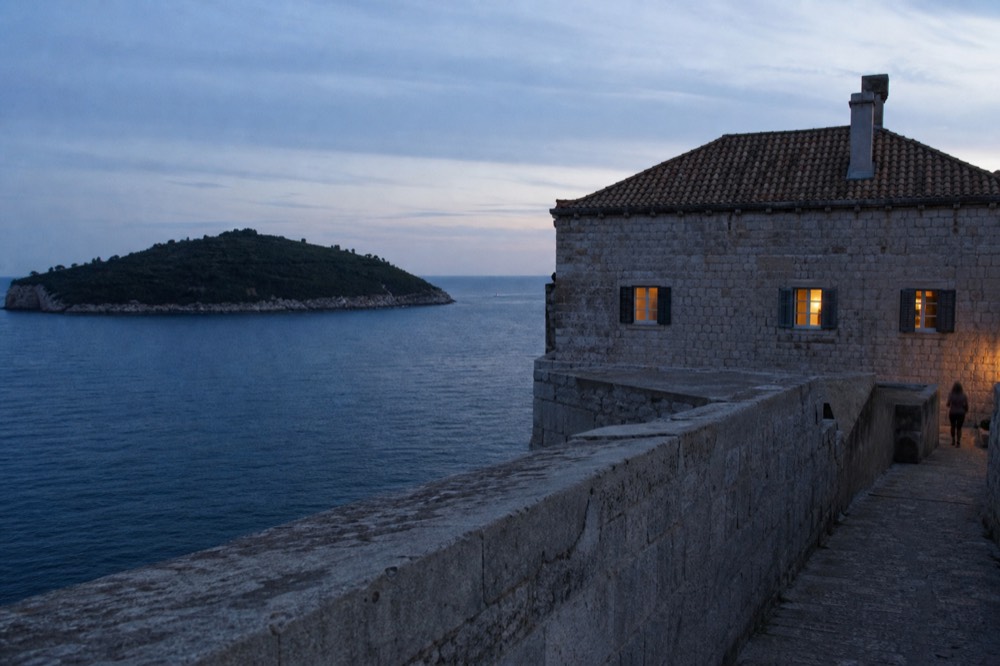
Two add-ons earn their place in any answer to why-famous. The cable car to Mount Srd, 3 minutes 30 seconds over a 778.2-metre track, rising 367 metres to the upper terminal at 405 metres above sea level, gives you the panorama the walls cannot: the whole red city, the Adriatic, and on a clear day a view the operator puts at up to 60 km. An adult round trip is 30 euro in 2026. And Lokrum, the green island directly off the Old Town port, is a 30 euro ticket that includes reserve entry and the return boat, with departures at 09:00 and then every 15 minutes from 10:00 to 18:00. Both give you the famous skyline from outside it, which is the view the city has of itself.
| Experience | Price | What it adds to the story |
|---|---|---|
| City walls and Lovrijenac | 40 euro adult, main season | The circuit itself, the postcard view |
| Cable car round trip | 30 euro adult | The panorama from Mount Srd, up to 60 km |
| Lokrum island | 30 euro, boat included | The skyline seen from the sea side |
| Dubrovnik Pass, one day | 40 euro, main season | Walls plus ten more sights and buses |
Where the Famous Story Meets Your Trip
Plan on two full days minimum: day one for the walls, the Stradun and a guided walk, day two for Lokrum or the cable car and the food. Book the walls admission and any guided tour ahead in the July-to-October window, and go early every single day. The famous Dubrovnik rewards the alarm clock more than any other city its size.
By now the pattern should be clear: the fame is real, layered and earned, from a merchant republic that built in stone, through a UNESCO listing and a television role, to a modern city that counts its visitors every 15 minutes and refuses cruise calls to protect itself. The Things to Do in Dubrovnik homepage pulls the whole catalogue together if you are moving from the why to the what, and the best things to do guide is the natural next stop.
The three products below are the ones that map most directly onto the fame itself: the walls admission that buys the postcard view, the local-guide walk that explains the republic behind it, and the Game of Thrones tour that connects the skyline to the screen. Whichever thread pulled you here, one of these three is usually the right first booking.
Common Questions About Why Dubrovnik Is Famous
Why Is Dubrovnik Famous?
Dubrovnik is famous for its complete 1,940-metre medieval walls, its UNESCO-listed Old Town inscribed in 1979, its history as the wealthy Republic of Ragusa, its role as King's Landing in Game of Thrones, and its terracotta skyline above the Adriatic. About 4.2 million overnight stays in 2025 show how far that fame now travels.
What Is Dubrovnik Famous For?
The city walls up to 25 metres high, the 298-metre Stradun, Fort Lovrijenac on its 37-metre sea rock, Game of Thrones filming locations, Adriatic seafood and Ston oysters, and views from Mount Srd reached by cable car. The UNESCO property covers 24.7 hectares, essentially the entire walled Old Town.
Why Is Dubrovnik So Famous Compared With Other Croatian Cities?
Two forces multiplied the city's existing fame: Game of Thrones made the skyline globally recognisable, and cruise tourism delivered the audience, 625,257 passengers in 2025 and 461 scheduled calls in 2026. Few cities of 41,562 residents receive that level of international attention.
What Food Is Dubrovnik Famous For?
Adriatic seafood leads: black risotto, grilled fish, mussels and oysters, with Ston on the Pelješac peninsula as the oyster capital nearby. Dalmatian ham and sheep cheese boards, Plavac Mali red wine from Pelješac, and Pošip whites round out the regional table.
Is Dubrovnik Famous Because of Game of Thrones?
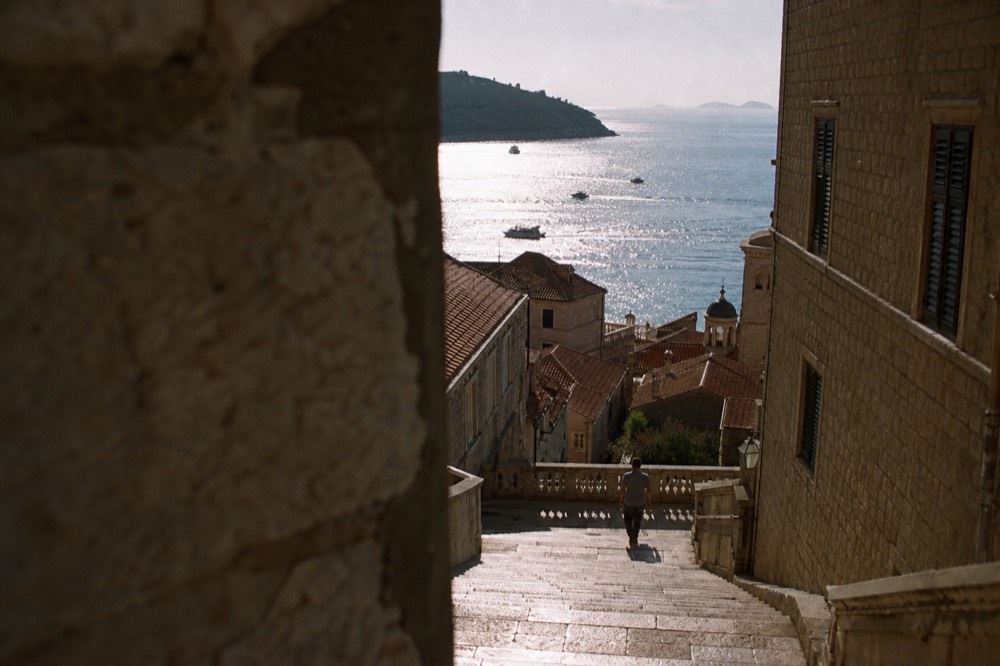
Partly. The city was already famous among historians and travellers, with UNESCO listing since 1979, but the King's Landing role multiplied global recognition and made specific locations, the staircase used for the Walk of Shame among them, destinations in their own right.
When Is the Famous Old Town Least Crowded?
Early morning, before 09:00, is the quietest window: on a September day the counters read 5,419 people at 08:00 against a 7,739 peak at 10:00. Late afternoon also empties as cruise passengers return to their ships, and September and October are actually busier by cruise numbers than July and August.