Does Dubrovnik Have Wineries?
Dubrovnik itself has no working wineries inside the walls, but the wine country around it, Peljesac, Konavle and Korcula, is some of the best in Croatia. Here is where to taste, what to drink and how to book.
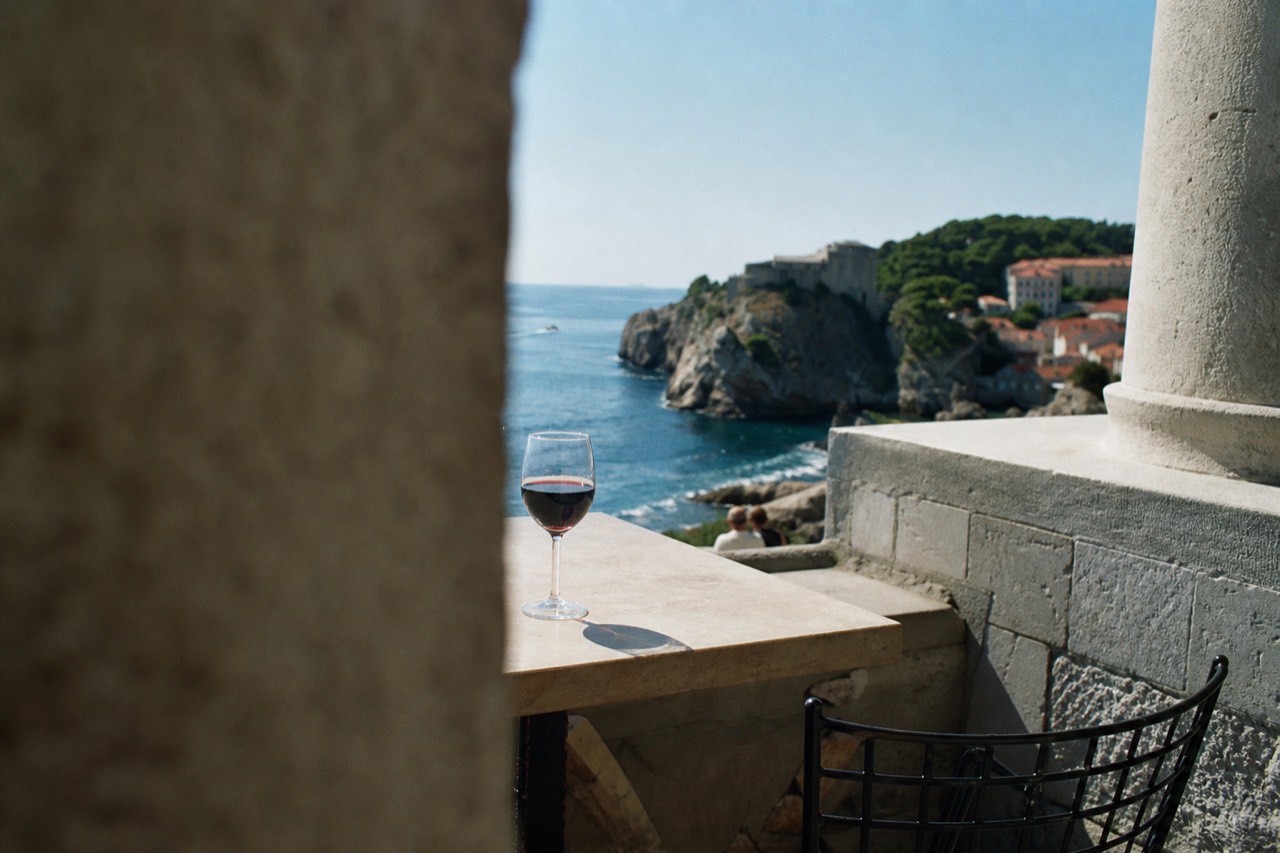
Does Dubrovnik Have Wineries?
No working winery operates inside Dubrovnik's walled Old Town, which is a UNESCO-protected area of just 24.7 hectares with no room for vineyards. What Dubrovnik has instead is wine country on every side: the Konavle Valley begins about 30 minutes south, the Peljesac peninsula and its famous Plavac Mali vineyards sit an hour northwest, and Korcula's white-wine cellars are a short ferry ride away.
That geography surprises people. They arrive expecting a city like Florence or Porto, where you can walk from a cathedral to a working cellar, and instead they find a dense medieval town where every square metre is protected. The Old Town was inscribed on the World Heritage List in 1979 under criteria (i), (iii) and (iv), and the rules that protect its 24.7-hectare core are exactly the rules that keep a winery from ever opening inside it. The UNESCO listing records the property area and its 1,188.6-hectare buffer zone, and neither has room for fermentation tanks.
What the city does have, in quantity, is wine culture. Wine bars cluster along the lanes off the Stradun, that 298-metre limestone street whose final plan was fixed by the 1272 Statute, and konobas, the traditional Dalmatian taverns, pour local Plavac Mali by the carafe everywhere from Gruž to Ploče. The wine is local even when the cellar is not. A visitor who wants to taste at the source takes a half-day into Konavle or a full day to Peljesac or Korcula, and both are easy, well-served trips.
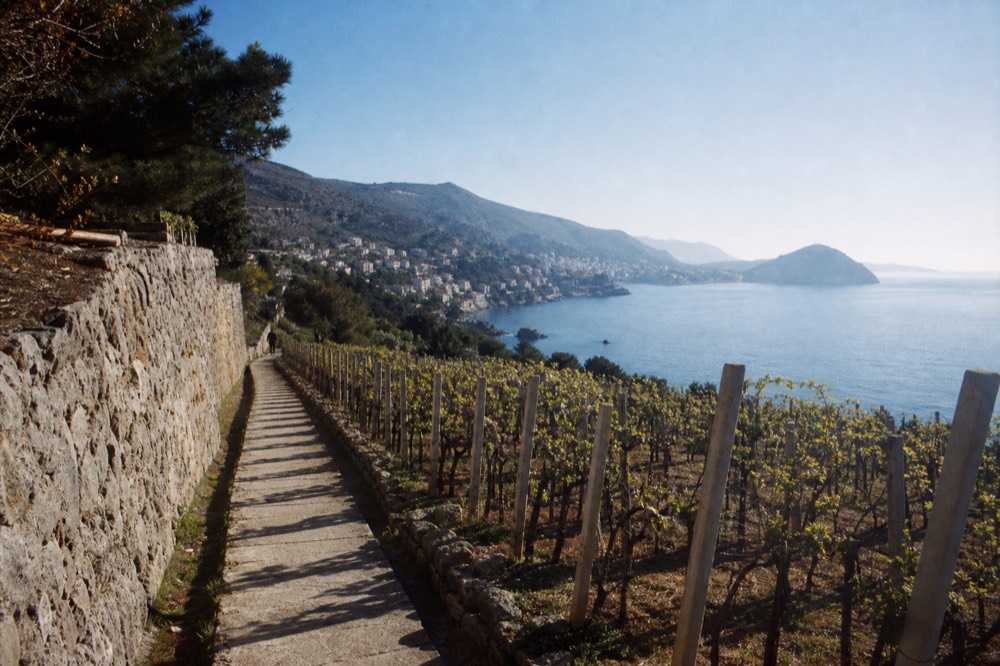
The practical split, then, is this: drink in town, taste in the country. Spend your evenings in the Old Town's wine bars and your daytime hours in the vineyards, and you get the best of both without pretending the city is something it is not. Our guide to wine tasting around Dubrovnik covers the full field of options in detail.
There is a third option worth naming, because it sits between the two. Several producers from the surrounding regions keep small tasting rooms and representation in the city itself, pouring their own bottles a short walk from your accommodation. These are not vineyards, and nobody should pretend otherwise, but they let you taste a serious flight of Peljesac or Konavle wine without leaving the walls, which matters on a short stay or a cruise day when a valley trip is impossible. Ask any wine bar for the local producers they pour by the glass and you will usually find two or three from within an hour's drive.
If you would rather let someone else handle the driving, three bookable experiences cover the spread, from a guided vineyard half-day to a full food-and-wine walk through the Old Town itself.
Does Dubrovnik Have Good Wine?
Yes, and the local speciality is genuinely distinguished. The dominant red is Plavac Mali, a relative of Zinfandel that thrives on the steep, sun-blasted slopes of Peljesac, and its most prized expression, Dingac, comes from a protected hillside that is one of Croatia's oldest appellations. Whites from Korcula, especially Posip and Grk, are crisp, mineral and increasingly exported. This is not tourist wine; it is wine with a pedigree.
The story of the region is really the story of Plavac Mali. The grape grows in conditions most varieties would refuse: thin soil, relentless sun, slopes so steep that everything is worked by hand. The vines stress, the yields drop, and the resulting reds are dense, dark and full of the dried-fruit character Dalmatia is known for. The Plavac Mali grape and its wines deserve their own deep dive, but the short version is that if you drink one local red during your visit, this is the one.
The quality argument is not just local pride. Croatian wine has spent two decades quietly modernising, and the southern Dalmatian producers around Dubrovnik have been part of that wave. Small family cellars that once sold everything from the back door now bottle, label and export. Tasting fees at those cellars usually run a modest range, often 15 to 25 euro for a flight of several wines, sometimes waived with a purchase, so check with each cellar before you go.
Where to drink it in town is its own small science. The better wine bars in the Old Town carry twenty or more Dalmatian labels by the glass, which lets you compare a Peljesac Plavac against a Korcula Posip in one sitting, something the vineyards themselves cannot offer. Konobas tend to pour the simpler house red, which is exactly right with grilled fish and a plate of local olive oil and bread. The honest rule: wine bars for breadth, konobas for character.
Learning to read the labels takes five minutes and pays for itself on the first list. Plavac Mali is the grape, Peljesac is the peninsula, and Dingac is the specific protected hillside on that peninsula, so a bottle labelled Dingac is Plavac Mali from the best slopes, and it is priced accordingly. On the white side, Posip is the safe, generous choice and Grk the quirky one, grown in a tiny sandy pocket near Lumbarda on Korcula and produced in quantities so small that it rarely travels far. If you see Grk on a Dubrovnik wine list at all, order it, because it will not be there next month.
| What you want | Where to get it | Typical spend per person |
|---|---|---|
| Broad tasting of Dalmatian labels | Old Town wine bars, by the glass | 10 to 20 euro for three to five glasses |
| Vineyard tasting with the producer | Konavle or Peljesac cellars | 15 to 25 euro, often waived with purchase |
| House red with dinner | Konoba carafe service | Check the menu, house wine is the cheapest pour |
One planning note worth having early: Dubrovnik recorded about 4.2 million overnight stays in 2025, sharing first place among Croatian destinations with Rovinj, per the Croatian Bureau of Statistics. The wine bars fill up in the evening, and the popular cellars fill up at midday when the tour buses arrive. Book the vineyard trips ahead and slip into the wine bars either early or late.
Are There Wineries Near Dubrovnik?
Yes, three distinct wine regions sit within easy reach. Konavle, the green valley directly south of the city, is the closest and makes a relaxed half-day. Peljesac, about an hour up the coast, is Plavac Mali heartland and home to the famous Dingac slopes. Korcula, reached by ferry, specialises in whites, above all Posip and Grk. All three run bookable tasting tours from Dubrovnik.
Konavle is the one most visitors actually do, and for good reason. The valley is a short drive from the city, the road itself is lovely, and the cellars are small family operations where the person pouring is often the person who made the wine. It is the straightforward answer when you want vineyards without surrendering a whole day.
Konavle rewards a slow eye. This is the agricultural hinterland that has fed Dubrovnik for centuries, a ribbon of orchards, mills and stone villages running toward the Montenegrin border, and it looks nothing like the bare limestone coast most people picture when they think of southern Dalmatia. The valley also pairs naturally with Trsteno, home to the famous arboretum on the coast road north of the valley's mouth. If you are building your own day rather than taking a tour, the combined Dubrovnik, Trsteno, Lokrum, Dubrovnik ticket at 42 euro covers the arboretum admission and an air-conditioned boat, which is a tidy way to merge gardens and islands into one ticket. The rest of the planning pages sit on Things to Do in Dubrovnik.
Peljesac is the pilgrimage. The peninsula northwest of the city holds the steepest, most dramatic vineyards in the country, and the Dingac hillside, where the slopes fall so sharply toward the sea that everything is worked by hand, gives its name to Croatia's most storied red appellation. Most people combine it with Ston, the oyster town at the base of the peninsula, and the pairing of fresh oysters with a local Plavac is one of the great food-and-wine combinations of the Adriatic. Our Ston oyster guide covers that side of the trip.
Korcula is the connoisseur's ferry ride. The island produces whites that have nothing to apologise for: Posip is full and rounded, Grk is distinctive and grown in a tiny sandy pocket near Lumbarda. A day trip combining the ferry, a cellar or two and the old town of Korcula itself is one of the best single days you can build from Dubrovnik, and the Korcula day trip guide walks through the logistics.
The choice between driving yourself and taking a tour comes down to one question: how much wine do you intend to swallow? The roads to Peljesac and through Konavle are quiet and well marked, and a rental car gives you the freedom to linger at a cellar that charmed you. But the pours add up quickly, Dalmatian hosts are generous, and the police take drink-driving seriously, as they should. If you plan to taste properly at more than one stop, a tour with a driver is not laziness, it is arithmetic. The car rental guide covers the self-drive option for those who prefer it.
| Region | Signature wine | Travel time from the city | Best as |
|---|---|---|---|
| Konavle Valley | Reds and whites, family cellars | About 30 minutes by road | Half-day tasting trip |
| Peljesac peninsula | Plavac Mali and Dingac reds | About an hour by road | Full day, often paired with Ston oysters |
| Korcula island | Posip and Grk whites | Ferry or fast boat | Full day with the old town |
Does Dubrovnik Have a Good Nightlife?
Yes, though it is a bar city rather than a club city. The nightlife runs on wine bars, cocktail terraces and cliffside drinking spots rather than big dance floors, with the action concentrated in the Old Town, on the Banje beach strip and in the open-air venues that use the city's fortifications as architecture. The one true nightclub of note sits inside a fortress, and the summer season stretches the evenings late.
Start with the setting, because in Dubrovnik the setting is half the product. Drinking venues here occupy terraces over the Adriatic, caves carved into the cliff below the walls and, in one famous case, a hole in the city wall itself where you stand on rock with the sea a few metres below. That last one, the cliff bar on the seaward side of the walls, is the city's signature drinking spot and it is exactly as memorable as people say. Our guide to the cliffside bar tells you how to find it, which is deliberately not obvious.
The fortress nightclub is the other headline. Culture Club Revelin operates inside the Revelin Fortress, and dancing inside a centuries-old stone fortification, with the music bouncing off walls that have watched over the city for half a millennium, is an experience very few cities can offer. It runs through the summer season with visiting DJs and a local crowd as well as visitors. The Culture Club Revelin guide covers the practicalities, including how the night actually flows.
Beyond those two, the evening map is simple. The lanes off the Stradun hold the wine bars and cocktail lounges, busiest from around nine until midnight. Ploče and the Banje beach area carry the smarter terraces with the best water views. Gruž is where the locals drink, less polished and considerably cheaper. Dinner runs late here, so the bars do not seriously fill until the restaurants empty, which in summer means a genuinely late start by northern European habits.
| Nightlife spot | Style | Where it is |
|---|---|---|
| Cliffside wall bar | Beer and wine on open rock above the sea | Seaward side of the city walls |
| Culture Club Revelin | Nightclub inside a fortress | Revelin Fortress, by Ploče Gate |
| Old Town wine bars | By-the-glass Dalmatian lists | Lanes off the Stradun |
| Banje beach terraces | Cocktails with sea views | Ploče side of the Old Town |
Does Dubrovnik Have Good Nightlife?
Good, yes, if you judge a night out by atmosphere rather than volume. Dubrovnik cannot offer the multi-club sprawl of a Hvar Town summer: the Old Town is small, noise rules are strict inside the walls, and the scene wraps around a handful of excellent venues rather than dozens. What it offers instead is drinking in places no other city has, from a hole in a medieval wall to a fortress dance floor.
The comparison with the islands comes up constantly, and it is worth being straight about. Hvar is the party island; Dubrovnik is the beautiful one. If your holiday is built around staying out until four several nights a week, base yourself elsewhere or accept that you will be repeating the same two venues. If your ideal night is a long dinner, a glass of Plavac Mali on a terrace, and then one late stop somewhere unforgettable, this city is close to perfect. The beach and swimming answer matters here too, because so much of the evening scene is built around the water.
Timing changes everything. In July and August the city is at its loudest and its most crowded, and the bars can feel more like queues than venues. September is the connoisseur's month: the sea is still warm, the September sea-surface average for this coast is about 23.6 degrees as a long-run open-water figure, the crowds thin, and the fortress club still runs its season. The counter-intuitive detail is that cruise passengers actually peaked in September at 101,246 in 2025, ahead of July and August, so the day crowds stay real even as the evenings calm down, per the Port Authority's own statistics.
Wine is the thread that ties the whole evening together, and the food-and-wine walk is the single best way to learn the city's drinking geography on your first night. The Dubrovnik Food and Drink Walking Tour with a Local Guide runs about 3 hours, starts from $165.64 per person, and is rated 5 across 704 reviews. It moves through the Old Town with a local guide, food at every stop and wine at every stop, and finishes with the kind of dinner recommendations you would never find on your own.
Amazing food tour! Marija was a great guide, full of stories and facts that really brought Dubrovnik to life. The food was delicious, and generous. Wines at every stop. Would highly recommend this tour to anyone visiting Dubrovnik, especially to help get your bearings of the city and know where to go for dinner!
Bryan_M
One last pairing worth planning around: the peka cooking lesson. Peka is the Dalmatian slow-cooking method, meat or octopus baked under a domed lid in embers, and it is the ceremonial dish of the region's konobas. The Croatian Traditional Cuisine Peka Cooking Lesson runs about 4 hours and starts from $159.83 per person. It is not a nightlife product, but it is the best possible early evening before the bars, and the kind of meal that makes the later glass of Plavac taste better.
A word on how the evening actually sequences, because first-timers routinely get it wrong. Dinner in Dubrovnik starts late and runs long; kitchens are at their busiest from eight onward and many tables do not order dessert until well past ten. If you sit down to eat at six, you will dine with the cruise-day stragglers and finish before the city has even warmed up. The local rhythm is a sunset drink first, dinner at eight-thirty or nine, and then the bars, which means a night out here comfortably fills the hours from seven to one without ever feeling rushed. Pace yourself accordingly, and drink water between the wine; the summer heat does not forgive.
If wine is the reason you asked the question in the first place, these three experiences cover the whole arc, from the vineyards of Konavle to the konoba table to the wine bars of the Old Town.
Common Questions About Wineries in Dubrovnik
Does Dubrovnik have wineries?
No working winery operates inside the walled Old Town, which is a protected UNESCO area with no vineyards. But the Konavle Valley, the Peljesac peninsula and Korcula island are all genuine wine regions within easy reach, and the city itself is full of wine bars pouring local Plavac Mali, Posip and Grk.
What Wine Is Dubrovnik Known For?
Plavac Mali, the dense red grown on the steep coastal slopes south of the city, especially on Peljesac. Its most famous expression is Dingac. For whites, look for Posip and Grk from Korcula. All three appear by the glass in the Old Town's better wine bars.
Can You Visit a Vineyard From Dubrovnik Without a Car?
Yes. Bookable wine tours run to Konavle and Peljesac with transport included, the Konavle half-day being the most popular. Independent travel is also possible using local buses, but the vineyards are scattered, so a tour is the practical choice for a single afternoon.
Is Wine Expensive in Dubrovnik?
In the wine bars, expect city prices, with quality local pours at the upper end of normal for Croatia. At the cellars themselves, tasting fees usually run 15 to 25 euro for a flight, often waived with a bottle purchase, so check with each cellar. House wine by the carafe in a konoba remains the cheapest good glass in town.
Which Is Better, Konavle or Peljesac for Wine Tasting?
Konavle for a relaxed half-day close to the city with small family cellars. Peljesac for the serious red-wine pilgrimage, the Dingac slopes and the oyster pairing at Ston. If you have only one afternoon, choose Konavle; if you have a full day and love big reds, choose Peljesac.