How Much Does It Cost to Enter Lokrum Island?
Lokrum costs 30 euro per person, and that single ticket covers both the reserve entry and the return boat transfer. Here is the full price picture, what is included, and whether it is worth it.
How Much Does It Cost to Enter Lokrum Island?
Lokrum costs 30 euro per person, and that price is not just the entry fee. The same ticket covers admission to the Lokrum Reserve and a return boat transfer on the official boat from Dubrovnik's City Harbour. Children and adults pay the same, there is no separate cheaper walk-in rate, and the ticket stays usable for three days after the date printed on it.
That last detail surprises people. You are not buying a single timed crossing; you are buying the right to travel on the official Lokrum boat and walk the reserve, and the ticket office stamps a date you can use within a three-day window. The price and the boat-included structure come straight from the Public Institution Lokrum Reserve, which runs the island, and its own site states the 30 euro figure plainly, including the note that it applies whether you ride the official ferry or arrange your own transport (lokrum.hr).
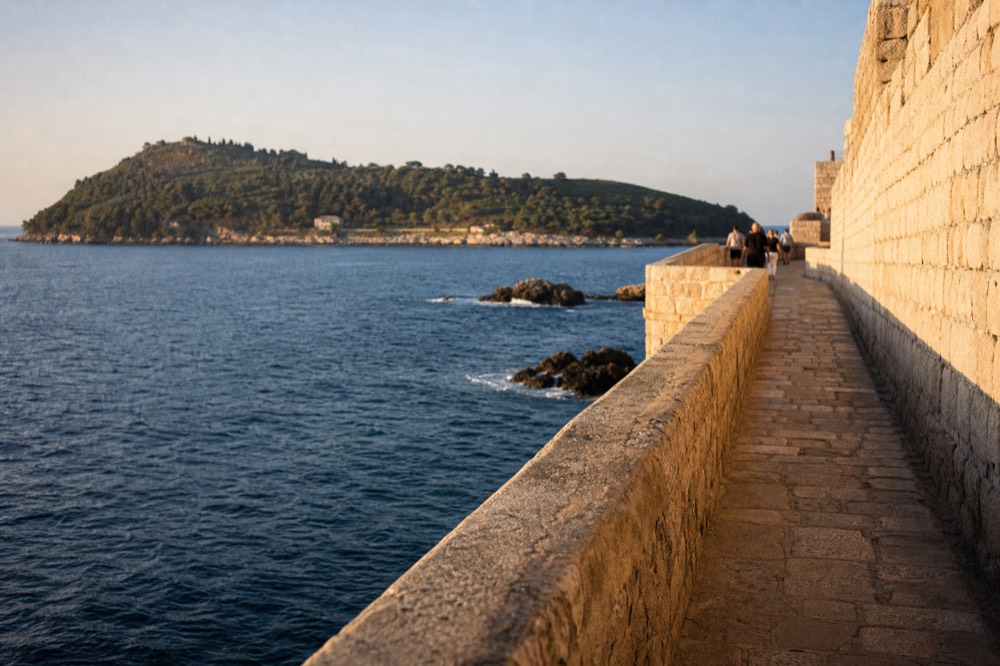
I have watched the Lokrum ticket confuse first-time visitors for years, and the confusion is always the same one: people expect a ferry fare and an entrance fee, two separate numbers, the way most island trips in Croatia work. Lokrum does not work that way. Because the whole island is a protected nature reserve run by a single public institution, there is one combined price and one ticket. You cannot pay just for the boat and skip the reserve, and you cannot land your own kayak or tender and walk in free, which is worth knowing if you were planning a paddling trip. If you are weighing that idea, the guide on kayaking around Lokrum and Betina Cave covers how guided paddles handle the landing.
There is also a second, larger ticket worth knowing about before you queue at the office on Luža. The combined Dubrovnik, Trsteno, Lokrum, Dubrovnik ticket costs 42 euro per person and includes admission to Trsteno Arboretum on the mainland plus the boat out to Lokrum on an air-conditioned vessel. For 12 euro more than the Lokrum-only ticket you add one of the finest gardens on the Adriatic coast. Whether that is a good deal depends entirely on whether you have the extra half-day Trsteno demands; the arboretum sits well north of the city, so it is a deliberate excursion, not a stroll.
| Ticket | Price per person | What it includes |
|---|---|---|
| Lokrum only | 30 euro | Reserve entry plus return boat transfer on the official boat |
| Dubrovnik, Trsteno, Lokrum combined | 42 euro | Reserve entry, return boat on an air-conditioned vessel, Trsteno Arboretum admission |
A few practical notes on the mechanics. The ticket office sits at Luža in the Old City Port and works 08:00 to 18:00, so you can buy in the evening for the next morning, which is the move on busy days. The official schedule runs departures from the City Harbour at 09:00, then every 15 minutes from 10:00 to 18:00, and the schedule is published by the reserve itself (official boat schedule). Boats return on the same pattern, which means you are never stranded waiting long, but the last departures do thin out late in the afternoon, so check the return times when you land rather than trusting memory.
If you are comparing Lokrum against other ways to spend a Dubrovnik day, the boat-tour route deserves a look alongside the ferry. Several operators run cave-and-island trips that include an optional Lokrum stop, and they often cost less than you would guess next to the 30 euro standalone ticket.
How Much Does It Cost to Go to Lokrum Island?
The full cost of a Lokrum visit is the 30 euro combined ticket plus whatever you spend on the island itself. There is no additional ferry fare, no separate reserve fee and no luggage or booking surcharge. Budget roughly 10 to 20 euro more per person if you want a meal or drinks on the island, and nothing at all if you bring your own water and food.
The distinction between "enter" and "go to" matters here more than it does almost anywhere else on the Croatian coast. On most islands the boat is the variable cost and the land is free. Lokrum inverts that: the land is the paid attraction, protected as a nature reserve, and the boat is folded into the admission. So when someone asks what it costs to get to Lokrum, the honest answer is that getting there and getting in are the same 30 euro transaction, and the only way to spend less is to not land at all.
Can you get there without paying? Only technically. Private vessels and guided kayaks approach the island all day, but landing and walking the reserve requires the ticket, and the reserve enforces that. Some boat tours handle this by making Lokrum optional: you swim at a cave, you see the island from the water, and only passengers who want to land pay the entry. That is exactly how the Betina Cave and Lokrum boat tour works, from $39.42 per person and rated 4.6 across 1,154 reviews on the live listing. For a fuller picture of the ferry side, including how the schedule shifts through the season, read the Lokrum ferry guide.
The other hidden cost is timing rather than money. Lokrum is a half-day to full-day island depending on your pace, and the last boats leave in the early evening. If you arrive late afternoon you will pay the same 30 euro for two hours of island as someone who arrived at 09:00 and stayed eight. The value of the ticket is therefore elastic in a way the price is not: morning buyers get dramatically more Lokrum per euro. There is no discount for late arrival, no evening rate and no annual pass for visitors.
| Cost item | Typical spend | Notes |
|---|---|---|
| Lokrum combined ticket | 30 euro | Entry plus return boat, valid three days |
| Combined ticket with Trsteno | 42 euro | Adds arboretum admission and air-conditioned boat |
| Food and drink on the island | 10 to 20 euro | Cafe and restaurant prices run above mainland Dubrovnik |
| Guided boat tour alternative | From $39.42 | Betina Cave tour with optional Lokrum landing |
One more comparison worth making while you are budgeting. The standalone City Walls ticket in main season costs 40 euro, and the one-day Dubrovnik Pass also costs 40 euro while adding ten more sights plus a 24-hour bus ticket. Lokrum's 30 euro sits just under both, but unlike the walls and the pass, it includes your transport. Per euro spent, a full day on Lokrum with the boat ride included is one of the better-value tickets in the city, provided you actually use the whole day. If you are building a budget from scratch, the trip cost breakdown puts these tickets in context.
Is It Worth Going to Lokrum Island?
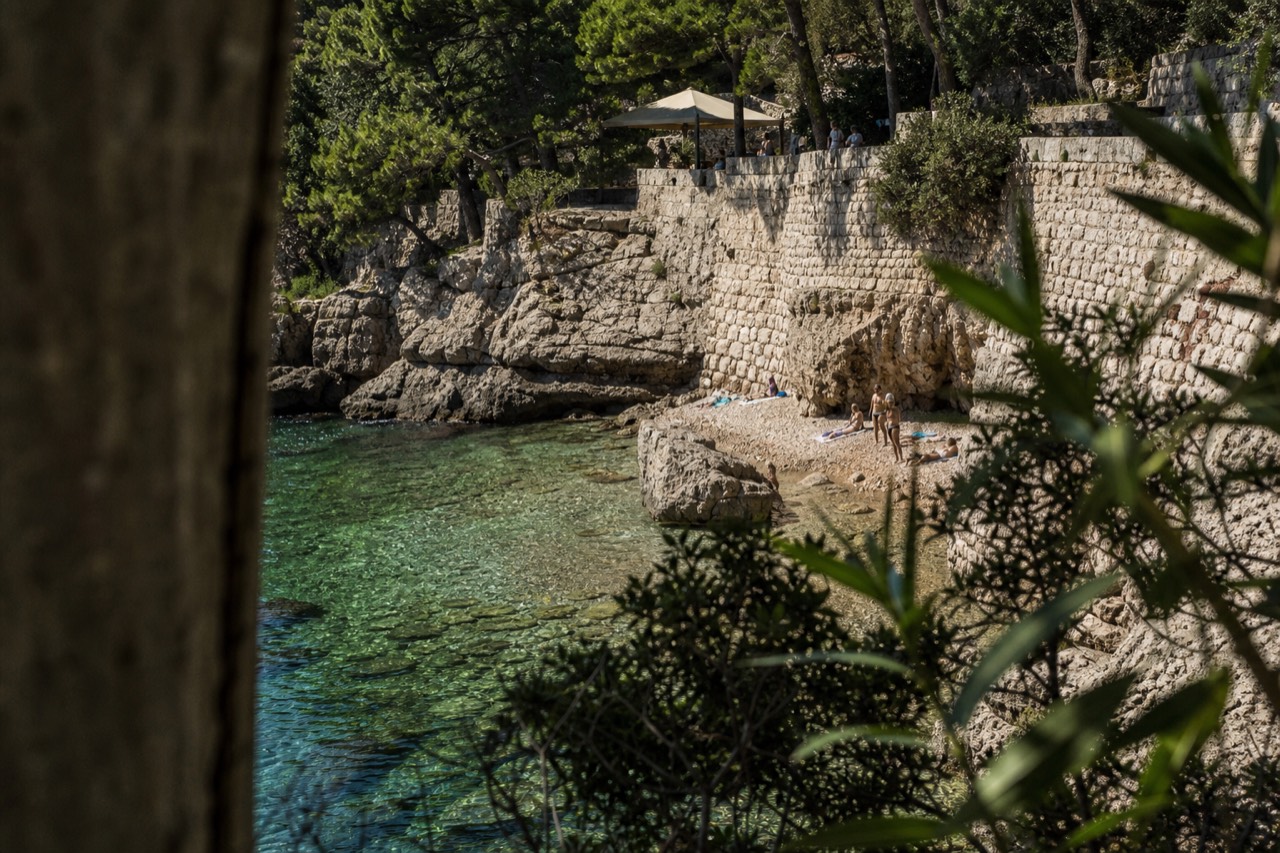
For most visitors, yes. Lokrum packs a botanical garden, a monastery ruin, a small lake, peacocks, rocky swimming spots and the Iron Throne from Game of Thrones into an island you can see from the Old City Port, all for one 30 euro ticket that includes the boat. It is the easiest half-day escape from the Dubrovnik crowds, and the swimming alone justifies the price in summer.
I say that as someone who has watched the island work on every kind of traveller. Families like it because the north-side swimming spots are shallow and sheltered. History people like the Benedictine monastery ruins and the Fort Royal fortress at the summit. Game of Thrones fans like that the Iron Throne prop sits in the visitor centre, a free photo stop once you are inside the reserve, and the Game of Thrones locations guide maps exactly which scenes used the island. Swimmers like water that, as a long-run open-water average, sits at 24.9 degrees in July and 25.8 in August, with sheltered bays reading warmer than the open-sea figure on calm afternoons.
The honest case against Lokrum is narrow but real. If your visit falls on a cloudy or windy day, the swimming loses its appeal and what remains is a pleasant but not spectacular walk; the island has no beach in the sandy sense, just flat rocks and concrete ledges with ladders into the sea, so pure sunbathers expecting sand can come away underwhelmed. And because the island is small and the paths are finite, a fast walker can cover everything in a couple of hours, which makes the 30 euro feel thinner if you treat it as a checklist rather than a slow afternoon. The full index of guides sits on Things to Do in Dubrovnik.
The strongest argument in favour is the contrast. Dubrovnik's Old Town recorded about 4.2 million overnight stays across the destination in 2025, sharing first place in Croatia with Rovinj, and on a September morning the counting system can read over 7,000 people inside the walls by 09:00. Lokrum, twenty minutes of water away, never feels like that. The peacocks outnumber the crowds on the south paths. That decompression, more than any single sight, is what the 30 euro buys, and it is why I point cruise passengers with only one day in port toward the island rather than toward another museum.
Is It Worth It to Go to Lokrum Island?
Judged purely on cost against content, Lokrum is worth it for anyone staying two or more days in Dubrovnik. The 30 euro ticket buys a half-day or more of gardens, ruins, swimming and a boat ride, which compares well against the 40 euro walls ticket or a 30 euro cable car round trip. It is weakest value for a rushed single-day visitor or anyone visiting in poor swimming weather.
The two questions in this article's cluster, "is it worth going" and "is it worth it to go", sound identical, but travellers mean different things by them, so it is worth answering the value question with numbers rather than vibes. Set the 30 euro beside the other headline tickets in Dubrovnik. The cable car costs 30 euro for an adult round trip, which buys you a 3 minute 30 second ride each way and a view from 405 metres, up to 60 km of range on a clear day by the operator's own claim. The walls cost 40 euro in main season for a circuit of 1,940 metres. Lokrum's 30 euro buys the boat, the reserve, and typically four to six hours on the island. Hour for hour, Lokrum wins.
There is a seasonal logic to the value too. Cruise passenger numbers at the Port of Dubrovnik peaked in September 2025 at 101,246 and October at 100,132, both above July's 96,072 and August's 87,385, so the town itself is at its most crowded exactly when the sea is at its most swimmable, with a September average of about 23.6 degrees. That combination makes Lokrum most valuable in early autumn: you escape the peak crowds and you still get warm water. In December or January the calculus collapses, because the boat schedule contracts, the swimming is off the table and the gardens are dormant, so a winter visitor should spend the money inside the city instead.
For the undecided middle, there is a low-commitment compromise that costs about the same as the ferry ticket. A cave-and-island boat tour that treats Lokrum as optional lets you see the coastline, swim at Betina Cave and decide on landing only if the day and your energy suit it. The Blue Cave and Sunj Beach boat tour with drinks, from $63.48 per person and rated 4.87 across 3,105 reviews, takes that idea further with a longer water day, while the panorama zipline, from $64 and rated 4.9 across 2,109 reviews, is the alternative for anyone who would rather see the coast from above than from a boat. Whichever way you lean, the best things to do roundup places Lokrum in the full context of a short visit.
Is There a Restaurant on Lokrum Island?
Yes. Lokrum has a restaurant near the monastery in the island's centre, plus a cafe bar close to the main landing point, so you can eat a full meal or just grab drinks and ice cream without carrying provisions. Prices run above mainland Dubrovnik because everything arrives by boat, which is why many visitors pack water and snacks and treat a meal as an optional extra.
Do not plan Lokrum around a long lunch the way you might plan Hvar or Korčula. The food operation on the island is functional and pleasant rather than a destination in itself: the restaurant serves a straightforward Mediterranean menu, and the cafe covers espresso, drinks and simple snacks. Both close with the season and neither runs late into the evening, because the last boats leave well before dark and the reserve empties out. If a memorable meal is the point of your day, eat in the city before or after, and use the island's food outlets as backup.
The practical pattern I recommend is a hybrid. Bring at least a litre of water per person, because the island's paths are exposed and the walk to Fort Royal is a genuine climb with no shade at the top. Buy your lunch or a cold drink on the island as a treat rather than a necessity. That keeps the day's real cost at the 30 euro ticket plus a small margin, instead of letting restaurant prices quietly double the outing. Families with children should treat this as firm advice: the combination of sun, climbing and no packed snacks is the single most common way a Lokrum day goes wrong.
| Eating option on Lokrum | Best for | Planning note |
|---|---|---|
| Restaurant near the monastery | A seated midday meal | Prices above mainland Dubrovnik; everything arrives by boat |
| Cafe bar near the landing | Coffee, drinks, ice cream | Busiest right after boats arrive |
| Your own packed food | Budget and families | Bring water regardless; the Fort Royal climb is exposed |
Alcohol deserves a specific word. Lokrum is a protected reserve, and the rules of a nature reserve apply to it, so check at the ticket office about any restrictions before you plan a picnic with bottles. The safer assumption is that the island's own outlets are the sanctioned way to have a drink, and that a quiet beer on a remote rock, however appealing it looks, is not what the reserve is for. That is part of the deal that keeps the place as green and quiet as it is.
Common Questions About Lokrum Island Costs
How much does it cost to enter Lokrum island?
Lokrum costs 30 euro per person, and that single ticket covers both entry to the Lokrum Reserve and the return boat transfer on the official vessel from the City Harbour. There is no separate ferry fare or entry-only rate, and the ticket stays usable for three days after its printed date.
How Much Does It Cost to Go to Lokrum Island?
The total cost is the 30 euro combined ticket plus whatever you spend on the island. There is no extra transport charge on the official boat. Budget another 10 to 20 euro per person if you plan to eat on Lokrum, or nothing if you bring your own food and water.
Is It Worth Going to Lokrum Island?
For most visitors, yes. The island combines gardens, monastery ruins, Fort Royal, peacocks, an Iron Throne photo stop and rocky swimming, all within sight of the Old City Port. It is the easiest escape from Old Town crowds, and in summer the swimming alone justifies the ticket.
Is There a Restaurant on Lokrum Island?
Yes, there is a restaurant near the monastery and a cafe bar close to the main landing point. Prices run above mainland Dubrovnik because supplies arrive by boat, so many visitors pack water and snacks and treat the island outlets as an optional extra.
Can You Swim on Lokrum Island?
Yes, swimming is one of the main reasons to go. Entry is from flat rocks and ledges rather than sandy beaches, and the open-water long-run average for this coast is about 24.9 degrees in July and 23.6 in September, with sheltered bays on the island reading warmer on calm days.
Do You Need to Book the Lokrum Boat in Advance?
Boats leave the City Harbour at 09:00, then every 15 minutes from 10:00 to 18:00, and the ticket office at Luža works 08:00 to 18:00. Capacity is rarely a problem outside peak midsummer days, but buying the evening before gives you the earliest crossings, which are the ones worth having.