Is Dubrovnik Expensive? What a Trip Really Costs
Dubrovnik has a reputation as Croatia's priciest destination, and parts of that reputation are earned. Here is what each piece of a trip actually costs, which figures are fixed by the operators themselves, and where the smart savings sit.
Short answer
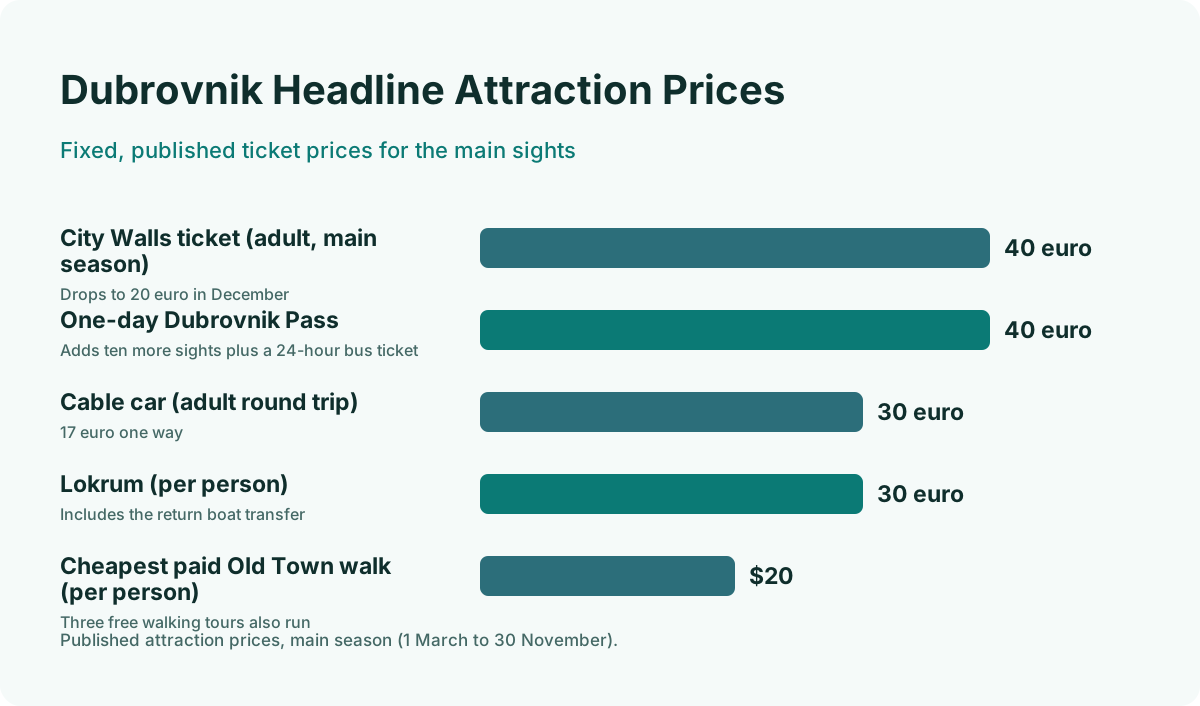
Dubrovnik is expensive by Croatian standards but predictable. The adult City Walls ticket is 40 euro in main season, the one-day Dubrovnik Pass is also 40 euro, the cable car round trip is 30 euro, and Lokrum entry with boat is 30 euro. Guided walks start at $20, and three free pay-what-you-want tours exist on GuruWalk.
Is Dubrovnik Expensive? What a Trip Really Costs
Dubrovnik recorded about 4.2 million overnight stays in 2025, sharing first place among Croatian destinations with Rovinj, and a city that popular does not stay cheap by accident. The honest answer to "is Dubrovnik expensive" is yes in some places and no in others, and the split is unusually predictable once you know the fixed numbers. The walls, the pass, the cable car and Lokrum all publish their prices, and the tour market here is deep enough that competition keeps walking tours cheaper than most visitors expect.
I have watched this city's pricing from inside it since I started guiding in 2015, and the pattern has not changed: the headline attractions carry the cost, everything around them is negotiable. This page breaks the question into pieces, because "expensive" means something different for a family of four facing attraction tickets than it does for a couple eating their way through the Old Town. For a wider look at keeping the whole trip lean, start with our Dubrovnik on a Budget guide.
Is Dubrovnik Expensive to Visit?
Yes, by Croatian standards, but the expense is concentrated rather than universal. The four headline attractions, the walls at 40 euro, the cable car at 30 euro round trip, Lokrum at 30 euro and the one-day Dubrovnik Pass at 40 euro, are fixed and published. Meanwhile the cheapest paid Old Town walk starts at $20 per person, three genuinely free walking tours run on GuruWalk, and the sea itself costs nothing.
The fixed costs are the part worth planning around. The adult City Walls ticket is 40 euro in main season, 1 March to 30 November, and drops to 20 euro in December, with children 7 to 18 at 15 euro and 5 euro respectively and under 6 free. The cable car charges 30 euro for an adult round trip, 17 euro one way, with children 4 to 12 at 8 and 5 euro. Lokrum is 30 euro per person and that includes the return boat transfer. Add those up for two adults and you are already deep into three figures before a single meal, which is why the question deserves a real answer rather than a shrug.
The variable costs are friendlier than the city's reputation suggests. There is no arrival figure to quote, the statistics office ranks destinations by nights, but 4.2 million overnight stays in 2025 tells you demand is high, and high demand shows up in restaurant prices on the Stradun more than anywhere else. Walk two streets off it and the same kitchen often charges meaningfully less. The free things to do in Dubrovnik list on this site is long, from the beaches to the viewpoints, because the city's best assets, its walls seen from outside, its coastline, its sunsets, cost nothing.
One structural fact helps every budget: the one-day Dubrovnik Pass costs the same 40 euro as the standalone walls ticket in main season and adds ten more sights plus a 24-hour bus ticket. That equivalence is a main-season fact only, 1 March to 30 November, because in December the walls ticket falls to 20 euro and no winter pass tier is on sale at all. We unpack the pass fully in Is the Dubrovnik Pass Worth It?
How Expensive Is a Meal in Dubrovnik?
Honest answer: on the Stradun and the main squares, expensive by any Croatian measure, and two lanes off them, noticeably less so. The fixed reference points are the food tours, the 3-hour food and drink walk costs from $165.64 per person and the Ston oyster and mussel lunch tour from $157, which tells you what a full eating experience runs. A restaurant meal itself has no published citywide figure.
I will not print a made-up average for a plate of black risotto, because no official source publishes one, and this site does not invent figures. What I can tell you from walking these streets daily is the structure of the problem. Ground-floor terraces with a view of the Stradun, which is 298 metres long and every metre of it prime real estate, price for the view. Konobas, the traditional taverns, a street or two back, price for the food, and our where locals eat in Dubrovnik answer page maps that layer of the city in detail.
What you can price precisely is the guided eating. The Dubrovnik Food and Drink Walking Tour with a Local Guide runs about 3 hours, costs from $165.64 per person, and is rated 5 across 704 reviews. It is not a cheap meal, but it is a meal plus a briefing on where to spend the rest of your food budget, which is exactly how a cost-conscious traveller should use it.
Those are experience prices, not meal prices, and treating them as such keeps the budget honest. If your question is really "how much money do I need per day in Dubrovnik", the answer depends almost entirely on how many of these experiences you stack, and our dedicated answer page on daily spending works through the scenarios.
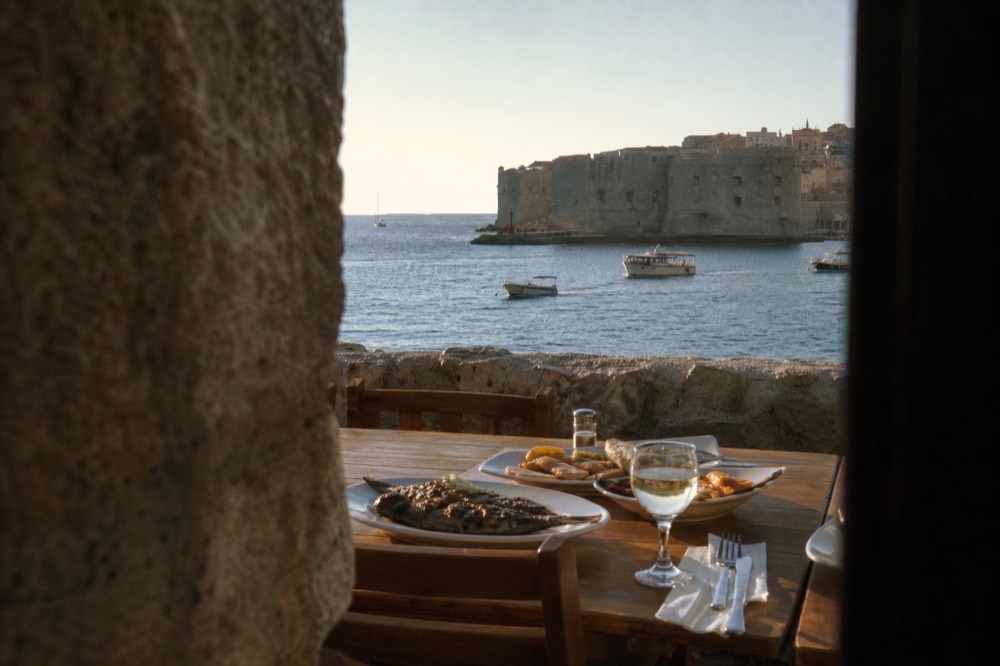
The cheapest correct strategy for food is unglamorous: eat where the servers are not standing in a postcard. The morning market at Gruž supplies the city, and a market picnic is the single biggest food saving available here. Pair it with the free walking tours below and you have a genuinely cheap day inside an expensive city.
Is Dubrovnik Very Expensive Compared With the Rest of Croatia?
Relative to Split or the interior, yes, especially for accommodation and waterfront dining, and the gap is widest in July and August. Dubrovnik shared first place in Croatia for overnight stays in 2025 at about 4.2 million nights, and demand at that level keeps prices at the top of the national range. But attraction tickets are fixed and identical whenever you come, and the December walls ticket at 20 euro undercuts anything comparable in the country.
The comparison travellers actually ask about is Dubrovnik versus Split, and we have a full Dubrovnik vs Split breakdown on this site. The short version on cost alone: Split gives you more for less on lodging and food, Dubrovnik gives you a denser, more theatrical version of the same history, and you pay for the density. Neither is "cheap" in high summer, and both empty out meaningfully in the shoulder months, which is where the real savings live.
Timing matters more here than in most destinations, and not in the way people assume. Cruise traffic, a decent proxy for street crowding, peaked in September 2025 at 101,246 passengers and October at 100,132, both above July and August, so the fantasy of an empty, cheap September is exactly that. Prices, though, do follow the calendar, and our Dubrovnik in October guide covers the month where the sea is still swimmable, the September average is about 23.6 degrees as a long-run figure, and the accommodation market starts to soften. That sea-temperature number is an open-water climatological average, not a beach reading, and sheltered bays run warmer.
Here is how the fixed attraction costs stack up, all from the operators' own price pages:
| Attraction | Main season adult | Children | Notes |
|---|---|---|---|
| City Walls + Fort Lovrijenac | 40 euro | 15 euro (7 to 18), under 6 free | 20 euro adult in December; no family ticket exists |
| Dubrovnik Pass, 1 day | 40 euro | ADULT PASS (7+) only | Adds ten sights plus a 24h bus ticket; main season only |
| Dubrovnik Pass, 3 days | 50 euro | ADULT PASS (7+) only | Adds suburban bus coupons and House Bukovac in Cavtat |
| Dubrovnik Pass, 7 days | 60 euro | ADULT PASS (7+) only | Same inclusions, 168h bus ticket |
| Cable car round trip | 30 euro | 8 euro (4 to 12), under 4 free | 17 euro adult one way; closed January to March |
| Lokrum Reserve + return boat | 30 euro | Per person pricing | Boats at 09:00, then every 15 minutes from 10:00 to 18:00 |
| Fort Lovrijenac alone | 15 euro | On its own | Already included in the 40-euro walls ticket |
Read that table once and the pass question answers itself for most visitors: if you are walking the walls anyway in main season, the one-day pass is effectively free money for the other ten sights. The walls operator's own shop is the source for the ticket prices, at citywallsdubrovnik.hr, and the pass details come from the official pass site. Both are worth checking before you travel, since prices are the one thing that can change under any budget plan.
The walls deserve their cost, and I say that as someone who has walked the circuit more times than I can count. The full loop is 1,940 metres, up to 25 metres high, and takes most people between one and three hours. Our city walls ticket guide covers entry logistics in detail, and the how long it takes to walk the walls answer settles the timing question.
How Much Do the Guided Tours Cost?
Guided walks start at $20 per person, which undercuts almost every attraction ticket in the city, and the most popular full-day cruise costs from $59.16. The Old Town walk with a local guide is $20 and rated 4.8 across 5,826 reviews, the 2-hour city walls walk is from $29.58, and three free pay-what-you-want tours run on GuruWalk with ratings from 4.74 to 4.9. Tours are where Dubrovnik is cheapest.
This is the counter-intuitive part of the city's pricing, and it exists because the tour market is genuinely competitive. Dozens of licensed operators sell near-identical walks, and the price floor has settled around $20 to $30 for the core products. A visitor who assumes "tours are a luxury" and walks in blind often spends more on aimless meals than a guided day would have cost. Here is the price ladder as the listings state it:
| Tour | Length | From (per person) | Rating |
|---|---|---|---|
| Old Town Walking Tour with Local Guide | Walk | $20 | 4.8 across 5,826 reviews |
| Game of Thrones Walking Tour | Walk | $29 | 4.9 across 1,052 reviews |
| Ancient City Walls & Wars Walking Tour | 2 hours | $29.58 | 4.8 across 1,387 reviews |
| Old Town & Ancient City Walls Combo | 3 hours 30 minutes | $50.94 | 4.8 across 1,183 reviews |
| Sea Kayaking & Snorkelling, day or sunset | Paddle | $36.50 | 4.9 across 4,286 reviews |
| Full-Day Elaphite Islands Cruise with Lunch | 8 hours | $59.16 | 4.9 across 10,312 reviews |
The combo logic is worth pausing on. The Old Town and Ancient City Walls Combo Tour costs from $50.94 and covers both the street-level city and the full wall circuit in one 3-hour-30-minute walk with a guide, rated 4.8 across 1,183 reviews. Against the 40-euro standalone walls ticket plus a separate walk, the arithmetic is closer than it first looks, and the combo buys you an interpreter for the whole thing. One guest on the walls walk put the value plainly:
This well organized tour helped put Dubrovnik's past (and present) into perspective. It's incredible that the city walls have withstood the test of time. Antun was a wonderful guide.
linda_a
Then there is the genuinely free tier. Three pay-what-you-want walks run on GuruWalk: the Ancient Old City tour, 1 hour 45 minutes and rated 4.87 across 2,242 reviews, the free Game of Thrones and history walk at 4.74 across 444 reviews, and the Magical Dubrovnik Nights history and legends walk, 1 hour 45 minutes at 4.9 across 288 reviews. No price belongs in that sentence because there isn't one, you pay what you think the walk was worth. If the budget is tight, See this free tour on GuruWalk and start there before spending anything.
What Is the Best Day Trip From Dubrovnik?
For pure value, the Mostar and Kravica Waterfall day trip, from $35 per person and rated 4.6 across 10,019 reviews, is the strongest combination of price and impact on the roster. For a sea day, the Elaphite Islands cruise with lunch starts at $59.16 and carries 10,312 reviews at 4.9. The best day trip depends on whether you want another country, another island, or a beach.
Day trips are the part of a Dubrovnik budget where the money buys the most contrast, because within an hour or two of the city you are in Bosnia, Montenegro, or on islands that feel a world away from the cruise crowds. The price ladder again, exactly as the listings state it:
| Day trip | From (per person) | Rating | Border crossing? |
|---|---|---|---|
| Mostar and Kravica Waterfall Day Trip | $35 | 4.6 across 10,019 reviews | Yes, Bosnia |
| Montenegro Day Trip | $58 | 4.4 across 5,611 reviews | Yes |
| Montenegro Day Trip with Optional Boat Trip | $70.99 | 4.4 across 3,829 reviews | Yes |
| Mostar & Kravice, Small Group | $53.19 | 4.8 across 1,254 reviews | Yes, Bosnia |
| Ston and Korcula with Wine Tasting | $81.69 | 3.8 across 131 reviews | No |
| Mljet National Park and 3 Island Boat Tour | $153.99 | 4.9 across 397 reviews | No |
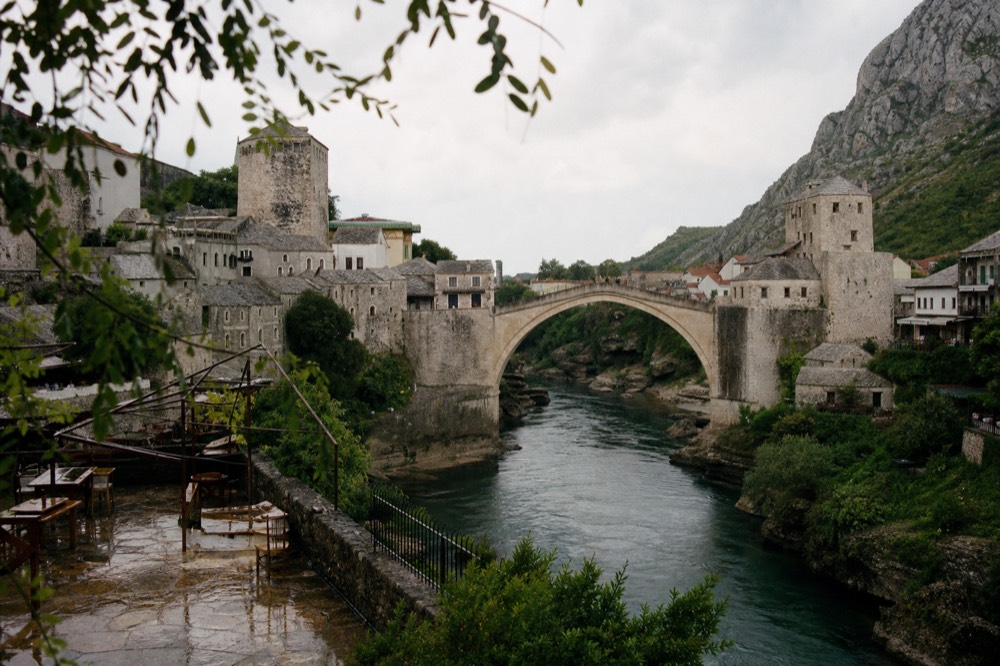
Mostar is the one I point cost-conscious visitors toward, and the reviews back the instinct. It is the cheapest headline day trip on the board, a long day with an early start, and the reviews consistently mention the border queue as the variable. One guest noted that the September crossing took only 15 minutes, which is the good version of that variable. Bring euros for Mostar itself, as reviewers repeatedly advise. Other pages covering the same trip are gathered on Things to Do in Dubrovnik.
For staying on the water, the Elaphite Islands full-day cruise with lunch is the volume leader, 8 hours, from $59.16, rated 4.9 across 10,312 reviews, and it solves the lunch problem as part of the day. A guest on that cruise described it as the way to do the Adriatic, shaded on the boat with drinks flowing and a generous lunch included. Our Elaphite Islands guide covers the islands themselves, and the best day trip from Dubrovnik answer page compares the options head to head.
Where Does the Money Go on a Short Trip?
On a typical two-day visit, the fixed attraction tickets and one guided experience usually outweigh food, because the four headline prices are locked while meals scale with your choices. Two adults doing the walls, the cable car and a $59 cruise with lunch have committed a serious sum before dinner. The order of attack matters: book the pass-relevant attractions first, then let the remaining budget decide the meals.
The reason this page keeps returning to fixed numbers is that they are the only honest anchors. Everything else, meals, shopping, drinks, is a choice with a range, and ranges without a source are how bad budget advice spreads. What I can give you is the structure. Day one for most visitors is the Old Town and the walls; day two splits between the cable car or Lokrum and either a boat or a day trip. That shape means the biggest single decision is really the pass, and the second biggest is whether your boat day includes lunch.
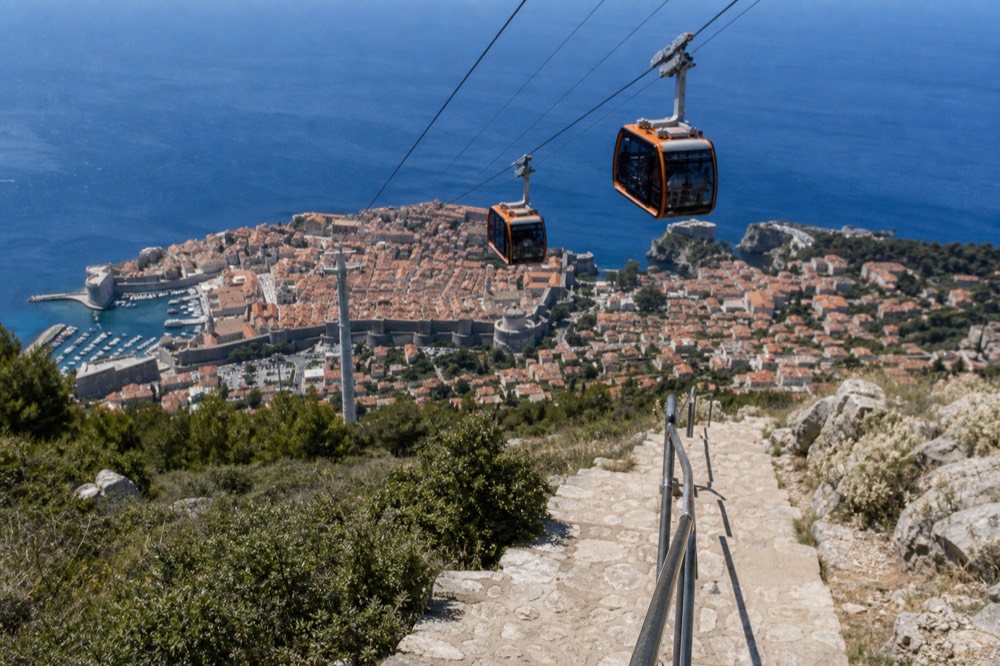
The cable car is the easiest ticket to justify or skip, and it has the clearest numbers: 30 euro round trip, 17 one way, 3 minutes 30 seconds each way over a 778.2-metre track, rising 367 metres to the upper terminal at 405 metres above sea level. Our cable car tickets guide works through whether the round trip is worth it, and the is the cable car worth it answer settles the question directly. Walking down is free, and the path exists.
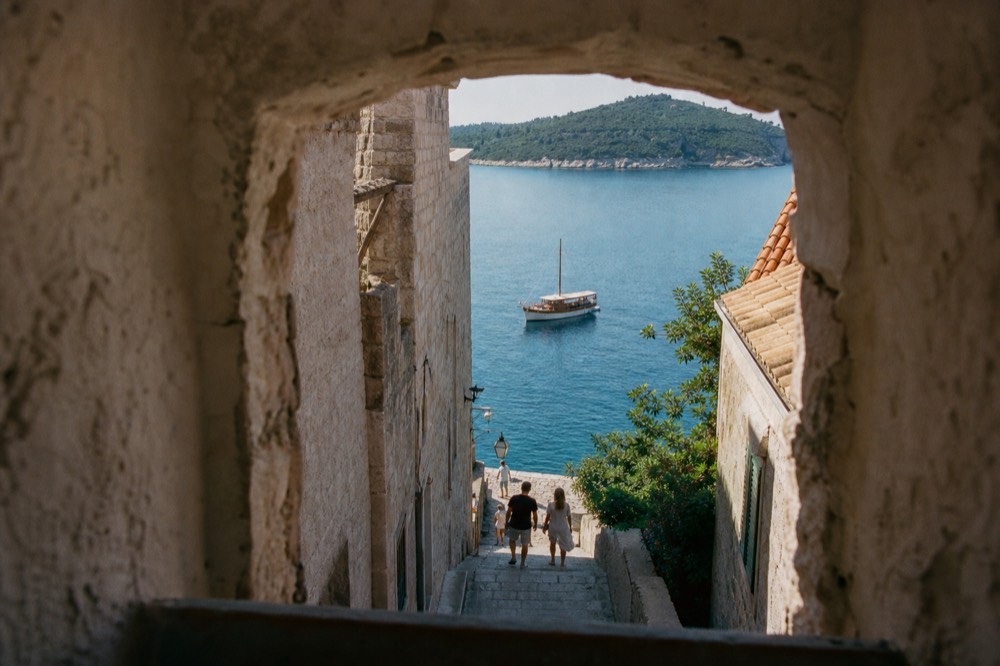
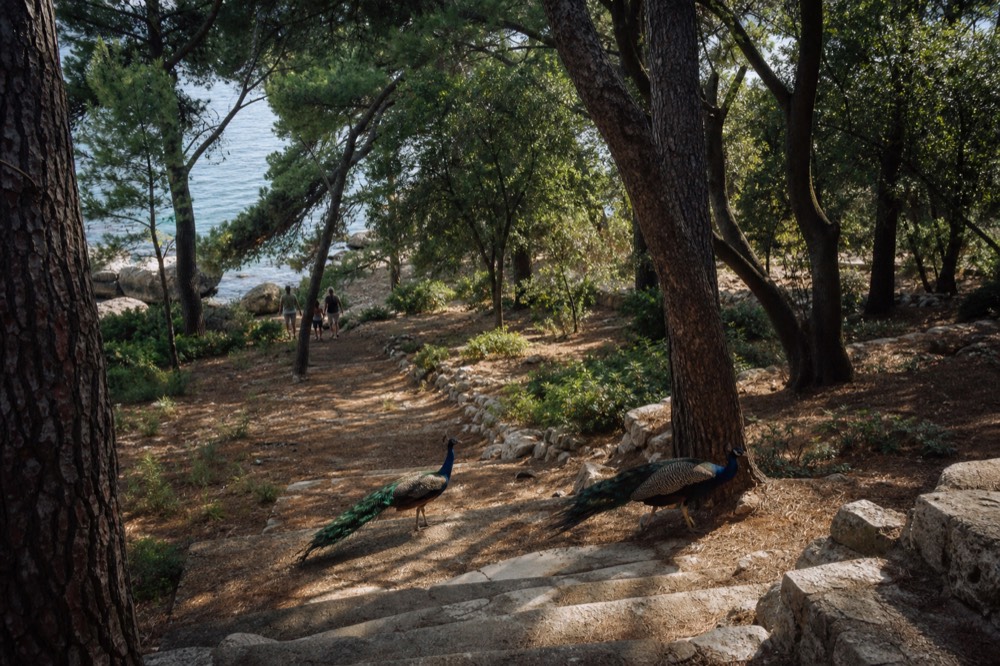
Lokrum at 30 euro is similarly clear-cut: the ticket covers the reserve and the return boat, boats leave the City Harbour at 09:00 and then every 15 minutes from 10:00 to 18:00, and the ticket stays valid for three days. There is also a combined Dubrovnik, Trsteno, Lokrum, Dubrovnik ticket at 42 euro that adds the arboretum and an air-conditioned boat, which is one of the quietest good deals in the city. The Lokrum ferry guide has the schedule detail.
How Do You Cut Costs Without Cutting the Trip?
Stack the free layer first: three GuruWalk pay-what-you-want tours, the beaches, the viewpoints, and the December walls ticket at 20 euro if your dates allow. Then buy the one-day pass in main season, since it matches the walls ticket at 40 euro and adds ten sights and buses. Finally, take exactly one paid experience, a $20 walk or a $59 cruise, and let it organise the rest of your stay.
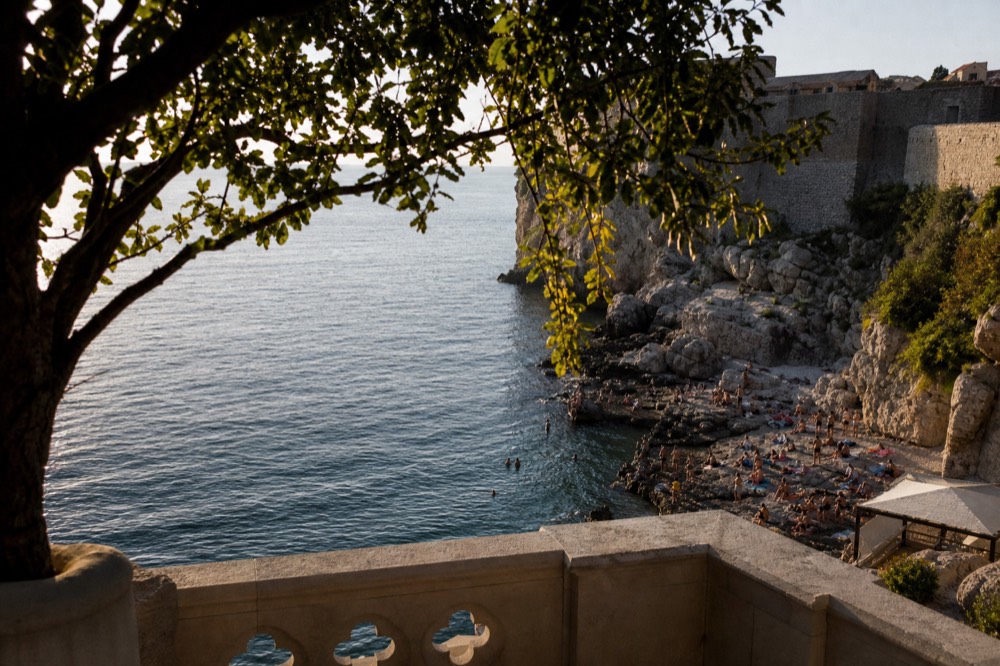
The free layer is bigger than most visitors realise. Beyond the GuruWalk tours, the city's beaches cost nothing, the coastal paths cost nothing, and the views from the bridges and bastions outside the walls cost nothing. Our free walking tour guide explains how the pay-what-you-want model works in practice, and the free things to do page is the full inventory. If your question is whether you can see the walls themselves for free, the honest answer is on our can I walk the walls for free page.
The pass decision is the single most consequential purchase in the city, and it deserves ten minutes of arithmetic before you travel. In main season the one-day pass at 40 euro equals the walls ticket and adds the Rector's Palace, the Maritime Museum, the Natural History Museum, the Franciscan Monastery Museum, the Museum of Modern Art and more, plus 24 hours of buses. Every sight is one visit only, per the checkout terms, so plan the sequence rather than wandering. The three-day and seven-day tiers at 50 and 60 euro add suburban bus coupons and House Bukovac in Cavtat, which effectively funds a Cavtat afternoon.
Then choose your one paid experience deliberately. Our walking tours comparison ranks the options if you want the full field.
For the boat day, the choice is between the $59.16 Elaphite cruise with lunch, the Blue Cave and Sunj Beach tour at $63.48, and the pirate-ship Karaka cruise at $65, and the differences are style rather than quality, with ratings of 4.9, 4.87 and 4.8 respectively. Our boat tours guide compares them properly.
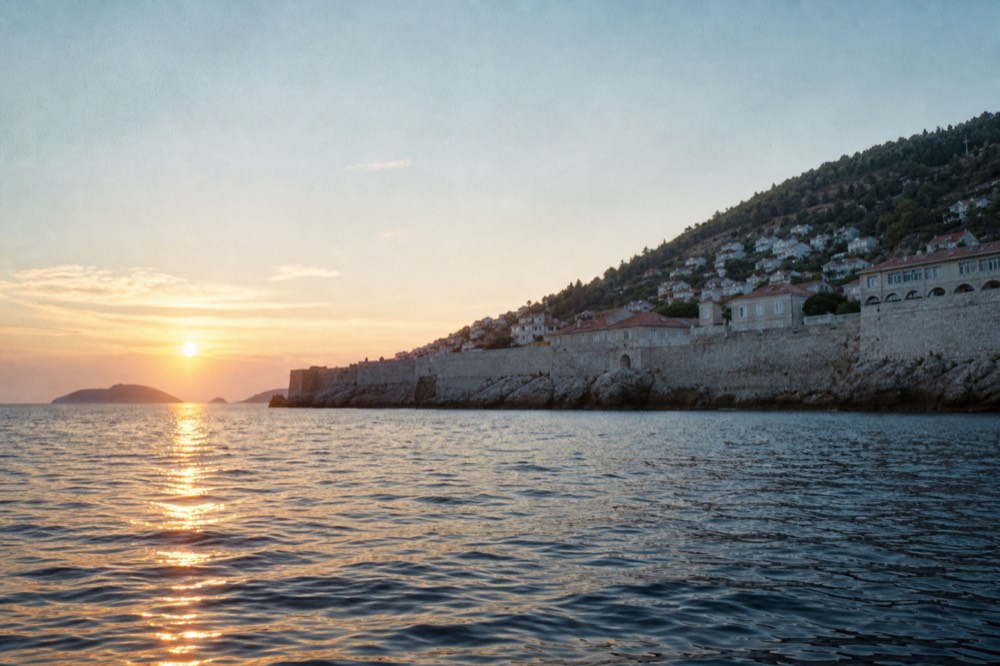
One last structural note on timing, because it is the biggest invisible cost lever. The Port Authority's own figures show cruise passengers peaked in September and October 2025, above July and August, so do not book autumn expecting bargain quiet. What autumn does deliver is softer accommodation pricing and a sea still warm by long-run averages, about 23.6 degrees in September and 21.0 in October as open-water figures. The official visitor statistics are published by the Port Authority and the Croatian Bureau of Statistics, and both are worth a look before you commit to dates.
Common Questions About the Cost of a Trip to Dubrovnik
Is Dubrovnik Expensive to Visit?
Yes by Croatian standards, but predictably so. The fixed costs are the walls at 40 euro in main season, the cable car at 30 euro round trip, Lokrum at 30 euro with boat, and the one-day pass at 40 euro. Guided walks start at $20 and three free pay-what-you-want tours run on GuruWalk, so the floor is much lower than the reputation suggests.
How Much Is the Dubrovnik Pass?
The pass costs 40 euro for one day, 50 euro for three days and 60 euro for seven days, sold for the main season window of 1 March to 30 November in a single ADULT PASS (7+) ticket type. In main season the one-day pass costs the same as the standalone walls ticket and adds ten more sights plus a 24-hour bus ticket.
How Expensive Is a Meal in Dubrovnik?
There is no official published average, and any specific figure you read should be treated with caution. Structure is the reliable guide: waterfront terraces on the Stradun price for the view, konobas a couple of streets back price for the food. The fixed reference points are the food tours, from $165.64 for the 3-hour food and drink walk and from $157 for the Ston oyster and mussel lunch.
What Is the Best Day Trip From Dubrovnik for Value?
The Mostar and Kravica Waterfall day trip, from $35 per person and rated 4.6 across 10,019 reviews, offers the most impact per euro on the roster. For a sea day, the Elaphite Islands cruise with lunch starts at $59.16 and is rated 4.9 across 10,312 reviews.
how much money do i need per day in dubrovnik
It depends almost entirely on how many fixed attractions and paid experiences you stack. A day built on the free walking tours, a beach and market food costs almost nothing beyond the walls ticket, while a day with the pass, a cruise with lunch and a cable car ride commits a large sum per person before dinner.
When Is Dubrovnik Cheapest?
December, when the walls ticket drops to 20 euro and no winter pass tier is on sale, and the shoulder months of April, May, late September and October for accommodation. Note that cruise passenger numbers peaked in September and October 2025, above July and August, so autumn is busy even when hotel prices soften.