Is 4 Days in Dubrovnik Too Much?
No, four days is not too much for Dubrovnik. Here is what a fourth day actually buys you, how three and seven days compare, and what staying longer costs.
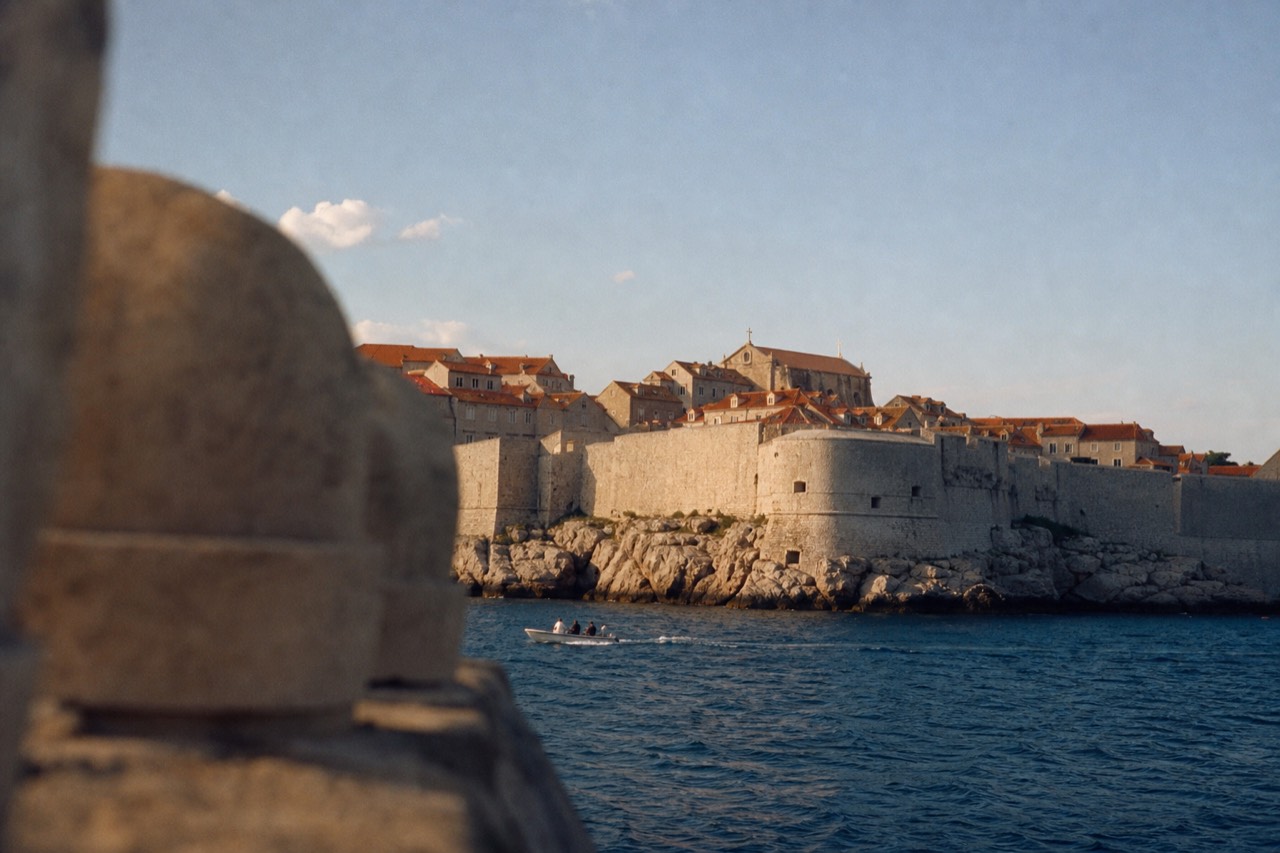
Is 4 Days in Dubrovnik Too Much?
No, four days is not too much for Dubrovnik. It is close to the ideal length. The walled core is small, 24.7 hectares, but the headline sights sit on steep stone and demand half a day each, and the best experiences, the walls, Lokrum, an island cruise, Mount Srd, are all half-day commitments that eat a four-day trip fast.
I have watched a lot of visitors try to do Dubrovnik in a day and a half, and the pattern is always the same. They walk the Stradun, climb part of the walls, photograph the rooftops from the cable car, and leave believing they have seen the city. In a sense they have, but only the postcard layer of it. Dubrovnik rewards the second and third pass, when the cruise crowds have thinned in the late afternoon and the lanes east of the cathedral go quiet.
The arithmetic is simpler than most guidebooks admit. The city walls circuit alone is 1,940 metres of stairs in open sun, and the operator's stated hours run 08:00 to 19:30, so most people slot it into a morning and spend the afternoon recovering with a swim. Lokrum is a boat trip, a reserve to wander and a boat back. The Elaphiti islands are a full eight hours on the water. Mount Srd is half a day if you ride up for sunset. Four days lets you do all four properly and still keep an unhurried evening on the Stradun, which is 298 metres long and, in my experience, best understood slowly with a drink in hand.
The crowd picture also argues for a fourth day rather than against it. Dubrovnik's official carrying capacity for the Old Town, from the UNESCO carrying-capacity assessment, is 11,275 people, and six counters at every Old Town entrance update a headcount every 15 minutes. On a busy September morning that counter read 5,419 people at 08:00 and peaked at 7,739 at 10:00. A one-day visitor has no choice but to be in that crush. A four-day visitor can shift the walls to an early start, spend the peak hours on a boat or a beach, and re-enter the Old Town when the day-trippers have gone.
The counter-intuitive part, and the fact most visitors never hear: cruise passengers in 2025 peaked in September at 101,246 and October at 100,132, above July's 96,072 and August's 87,385, according to Port Authority statistics. September, not August, is the month when a buffer day matters most.
For structure on the ground, a guided walk beats wandering. The cheapest paid Old Town walk starts at $20 per person, and the most reviewed option in that family is the Old Town Walking Tour with Local Guide, from $20 per person, rated 4.8 across 5,826 reviews.
A band like that is the shortlist I would hand any first-timer: a local-guide walk to open the trip, a shorter discovery walk if your time is tight, and a boat day to break up the stone and stairs. If you want the fuller picture of pacing a short visit, our guide on how many days Dubrovnik needs goes deeper, and the question of whether 3 days is too much for Dubrovnik gets its own treatment below.
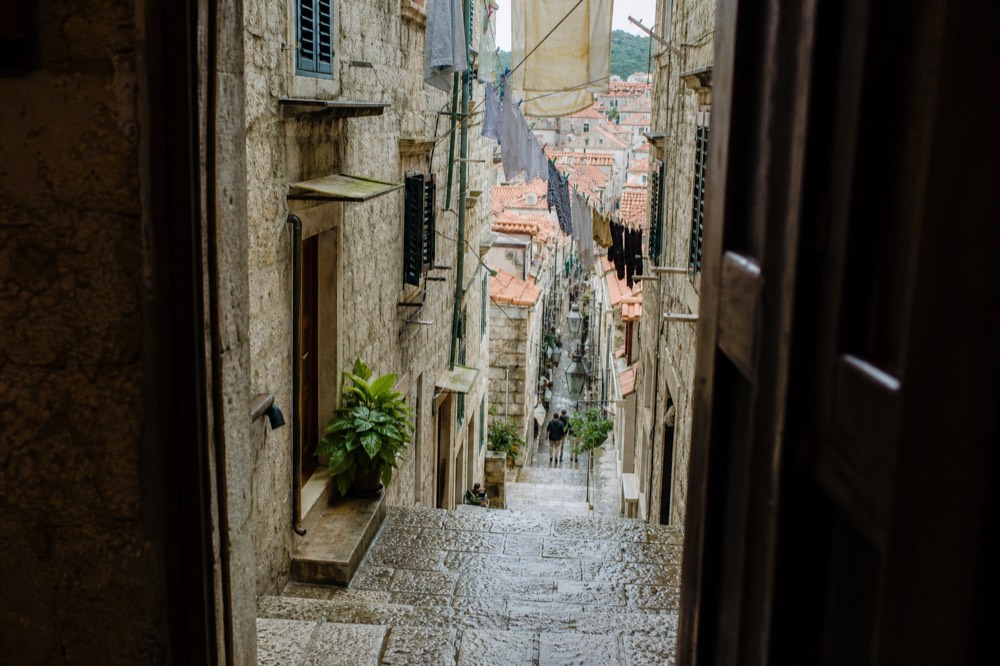
Is 3 Days in Dubrovnik Too Much?
No, three days is not too much either, but it is the minimum comfortable length rather than a generous one. Day one covers the Old Town and the walls, day two goes to an island or the sea, and day three takes a viewpoint and a slow farewell. You will fit the essentials and miss the second-layer sights entirely.
Three days works when every day is assigned a job. The mistake is leaving the walls unplanned: the adult ticket is 40 euro in main season, 1 March to 30 November, and it covers Fort Lovrijenac, the Western Outer Wall and the Collection of Coins of the Republic of Ragusa, so it deserves a morning with energy behind it, not the tired end of a day. The one-day Dubrovnik Pass also costs 40 euro in main season and adds ten more sights plus a 24-hour bus ticket, which makes it the better buy if day one is your museum day. That equivalence holds in main season only: in December the standalone walls ticket drops to 20 euro and no pass tier is on sale at all.
The third day is where three-day visitors feel the squeeze. Do you spend it on Lokrum, whose 30 euro ticket includes the reserve and the return boat, with departures from the City Harbour at 09:00 and then every 15 minutes from 10:00 to 18:00? Or on the cable car, 30 euro round trip for an adult, rising 367 metres to the 405-metre upper station in three and a half minutes? Or on a kayak around the walls at sunset? A four-day visitor answers yes to two of those. A three-day visitor picks one and moves on.
Guests on the local-guide walk describe exactly this trade-off. One review of the Old Town Walking Tour with Local Guide puts it plainly:
Alex was a fantastic guide, she explained the complex history of Dubrovnik to give a lasting impression of the history of the area. Really appreciated that she aimed for shaded areas on a boiling September day. The food recommendations for after were much appreciated too! Great tour for a first experience of the old town!
Sophie
That shaded-areas detail matters more than it sounds. Dubrovnik in high summer is a hot-city problem: the September average sea temperature is about 23.6 degrees, a NOAA long-run average for this coast, and the Croatian met service's own Dubrovnik buoy has read 27.0 to 27.4 degrees on a September day against that 23.6 mean, which tells you the air above it is hotter still. A three-day plan with no swim block is a punishing plan.
If that walk sounds like the right opener for your own three or four days, the practical details are simple: it runs with a local guide through the core of the Old Town, it starts from $20 per person, and it carries a 4.8 rating across 5,826 reviews, which makes it one of the most trusted introductions to the city on the whole roster. Booking it for your first morning is the single easiest way to make the rest of the trip fall into place, because everything you see on the walk reappears later at walking distance from your hotel.
Is 4 Days Too Long in Dubrovnik?
No, four days is not too long, and it is the length at which Dubrovnik stops feeling rushed. Days one and two carry the walls and the Old Town, day three goes to the islands, and day four absorbs the weather, the crowds and the things you skipped. Only travellers who dislike small cities, boats and stairs will feel the fourth day drag.
The honest case against a fourth day is that the walled core is genuinely small. You can walk the Old Town end to end in well under an hour, and after two circuits some visitors feel they have exhausted it. I disagree, but I understand the feeling. The answer is that day four should not be inside the walls at all. The city around the core is part of the trip: Lapad's beaches, Gruž market, the coastal path, the Konavle valley inland. Dubrovnik recorded about 4.2 million overnight stays in 2025, sharing first place among Croatian destinations with Rovinj, per the Croatian Bureau of Statistics, and a large share of those nights are spent exactly this way, outside the postcard.
Here is a four-day shape that never repeats itself:
| Day | Morning | Afternoon | Evening |
|---|---|---|---|
| 1 | Guided Old Town walk | Cable car to Mount Srd | Sunset from the upper station |
| 2 | City walls at opening, 08:00 | Swim at a beach outside the walls | Dinner east of the cathedral |
| 3 | Elaphiti islands cruise, eight hours | Same cruise, island stops | Quiet night in Lapad |
| 4 | Lokrum reserve by boat | Museums or Fort Lovrijenac | Farewell walk on the Stradun |
The reason day two starts at 08:00 is the counting system. Six counters at every Old Town entrance update a headcount every 15 minutes, and on a real September morning the Old Town read 3,139 people at 07:00, 5,419 at 08:00 and 7,739 at 10:00. The walls at opening are a different experience from the walls at midday, and a four-day trip is what makes that early start survivable rather than heroic. Other pages covering the same trip are gathered on Things to Do in Dubrovnik.
The budget side also behaves well at four days, because the big fixed costs are per-visit, not per-day:
| Item | Main season price | Notes |
|---|---|---|
| City walls adult ticket | 40 euro | Includes Fort Lovrijenac; December 20 euro |
| One-day Dubrovnik Pass | 40 euro | Same price, adds ten sights and a 24h bus ticket, main season only |
| Cable car adult round trip | 30 euro | Child 4 to 12 round trip 8 euro, under 4 free |
| Lokrum ticket | 30 euro | Reserve entry plus return boat transfer |
| Elaphiti full-day cruise with lunch | from $59.16 per person | Rated 4.9 across 10,312 reviews |
Add those up and the sightseeing core of a four-day trip costs roughly what many visitors spend on a single day in a capital city, before food and lodging. Four days is not too long. It is the first length at which Dubrovnik stops being a checklist.
Planning around the pass is easier than it looks. The one-day pass only pays off if you genuinely visit several of its ten extra sights within 24 hours, which fights against the slow rhythm that makes four days work. Travellers who prefer one big sight per day are usually better served by the standalone walls ticket, since Fort Lovrijenac, the Western Outer Wall and the Collection of Coins of the Republic of Ragusa are already included, and Lovrijenac alone would cost 15 euro.
The circuit itself explains the early start better than any guidebook phrase. At 1,940 metres, climbing up to 25 metres above the streets, with walls 4 to 6 metres thick on the land side, it is a proper walk rather than a stroll, and the morning headcounts above are the difference between pausing at each bastion and shuffling.
Day four also benefits from the ticket structure. Lokrum's 30 euro price covers reserve entry plus the return boat, so the morning needs no further planning, and the afternoon choice between museums and Lovrijenac costs nothing extra, because Lovrijenac is included in the walls ticket.
Is 7 Days in Dubrovnik Too Much?
Seven days is not too much, but it is the point where Dubrovnik stops being the destination and becomes a base. The city itself holds four comfortable days. Days five to seven belong to day trips: Mostar, Montenegro, Ston and Korcula, the Elaphiti at leisure, or Mljet National Park. Seven days without leaving the city will feel long.
The geography makes this easy to see. Within two or three hours of Dubrovnik sit two other countries and several islands, and the roster of day trips is genuinely strong. Mostar and Kravica waterfall trips run from $35 per person, Montenegro day trips from $58, and the Mljet National Park and three-island boat tour, a ten-hour day, from $153.99 per person. A week in Dubrovnik with two or three of those bolted on is a full and varied week, not a stretched one.
The border logistics are the one thing to plan around. A reviewer on the Montenegro day trip noted that the September border crossing took only 15 minutes, but crossings in July and August can run far longer, so a week-long visitor should place border days midweek and outside peak weekends. The Mostar trip crosses into Bosnia and Herzegovina, which also means carrying a passport, and one guest on that tour put the practical advice in a single line: "Bring euros!"
For the at-leisure days, the full-day Elaphite islands cruise with lunch, from $59.16 per person and rated 4.9 across 10,312 reviews, is the single most reviewed product on this site's roster, and a fair description of why comes from a guest who took it:
This was a wonderful day. Nice and shaded on the boat as we cruised on the cool adriatic. Loved seeing the neat Elphiti Islands and a wonderful way to get out the the heat and large crowds for a bit. They kept the drinks flowing and lunch was phenomenal and a generous portion. This is the way to cruise the Adriatic.
Shelby_S
If a week is on the table and the question is where the extra days should physically sit, our answer on where first-timers should stay in Dubrovnik matters more than the day count: a week outside the walls in Lapad or around Gruž feels very different from a week inside the core, and the second is the version that starts to feel long.
One honest caveat for the seven-day planner: the shoulder months are when a week shines. With cruise passengers peaking in September and October rather than July and August, a long stay in early autumn gets you the warm sea, the September average is about 23.6 degrees, with the busiest cruise days layered on top. Plan the wall walks and boat days for the quieter mornings and let the busy days absorb your travel and rest days.
How Much Is Rent in Dubrovnik?
There is no reliable published monthly rent series for Dubrovnik that I would put my name to, so I will not print one. What is verifiable: the city counted 41,562 residents at the 2021 census, housing is tight because so much of it serves visitors, and short-stay accommodation is the cost that actually shapes a trip. Nightly hotel rates, not monthly rent, are the number a traveller needs.
I want to be straight about this, because plenty of pages will quote you a monthly rent figure for Dubrovnik with total confidence. The verified data I work from, the census, the statistics bureau's overnight-stay releases, the Port Authority's cruise counts, contains no rent series, and a number I cannot source is a number I will not write. What the verified data does show is the pressure: about 4.2 million overnight stays in 2025 in a city of 41,562 residents, sharing first place in Croatia with Rovinj. That ratio explains why accommodation is expensive in every month that matters, without needing to invent a monthly figure.
For visitors, the practical question is nightly cost, and there the picture is concrete. Budget stays cluster in Lapad, where Hotel Komodor, a three-star, rates 7.8 out of 10 across 822 Expedia reviews and sits about a 29-minute walk from the Gruž cruise and ferry port, with the number 6 bus to Pile Gate for Old Town days. Mid-range and luxury options spread from Lapad to Ploče beside the old core:
| Stay | Tier | Area | What is verified |
|---|---|---|---|
| Hotel Komodor | Budget, three-star | Lapad | 7.8 out of 10 across 822 Expedia reviews; about 29-minute walk to Gruž port |
| Hotel Lapad | Mid-range | Lapad | Quiet bay setting, bus links to the Old Town |
| Hotel Excelsior | Luxury | Ploče | Steps from the Old Town walls and Banje beach |
For a four-day trip the honest budgeting frame is this: the sightseeing costs, walls, pass, cable car, Lokrum, a boat day, are fixed and knowable in advance, roughly 150 euro per person for the full set. Lodging is the variable that swings the total, and the swing between a Lapad budget stay and a Ploče luxury one is far larger than every ticket combined. If the nightly numbers are what will decide your trip length, our Dubrovnik trip cost breakdown works through the whole stack.
For the budget tier, Hotel Komodor is the verifiable baseline, and Hotel Lapad is the mid-range step up in the same part of town.
Check rates at Hotel Excelsior
As for actual residential rent: if you are considering a longer stay, a month or a winter, treat every rent figure you find online as unverified until you have a live listing in front of you. The city's own census announcement is a good reminder of why: this is a small housing stock carrying an enormous visitor load, and the short-let market sets the tone for everything else.
So the short answer to the whole cluster of questions: three days is the floor, four is the sweet spot, seven is fine if the extra days leave the city, and rent is a question without a verifiable number, while nightly rates are the ones to plan around.
Common Questions About Whether 4 Days in Dubrovnik Is Too Much
Is 4 days in Dubrovnik too much?
No. Four days covers the walls, an island cruise, Lokrum and Mount Srd without rushing, and leaves room for a slow evening. It is close to the ideal length for a first visit.
Is 3 Days in Dubrovnik Too Much?
No, three days is the comfortable minimum. You will fit the Old Town, the walls and one island or viewpoint day, but you will miss the second-layer sights entirely.
Is 7 Days in Dubrovnik Too Much?
Not if the extra days become day trips. The city itself holds about four days; days five to seven are best spent on Mostar, Montenegro, Ston and Korcula, or Mljet.
Is 4 Days Too Long in Dubrovnik?
No. Only travellers who dislike small cities, boats and stairs will feel the fourth day drag, and day four can sit outside the walls in Lapad, Gruž or the Konavle valley.
How Much Is Rent in Dubrovnik?
There is no reliable published monthly rent series I would quote. The city counted 41,562 residents at the 2021 census against about 4.2 million overnight stays in 2025, so short-let nightly rates, not monthly rent, are the cost that shapes a visit.