Is Split or Dubrovnik Better for Families?
A family-by-family comparison of Split and Dubrovnik: beaches, crowds, flights, costs, day trips and where to base yourselves with kids in Croatia.
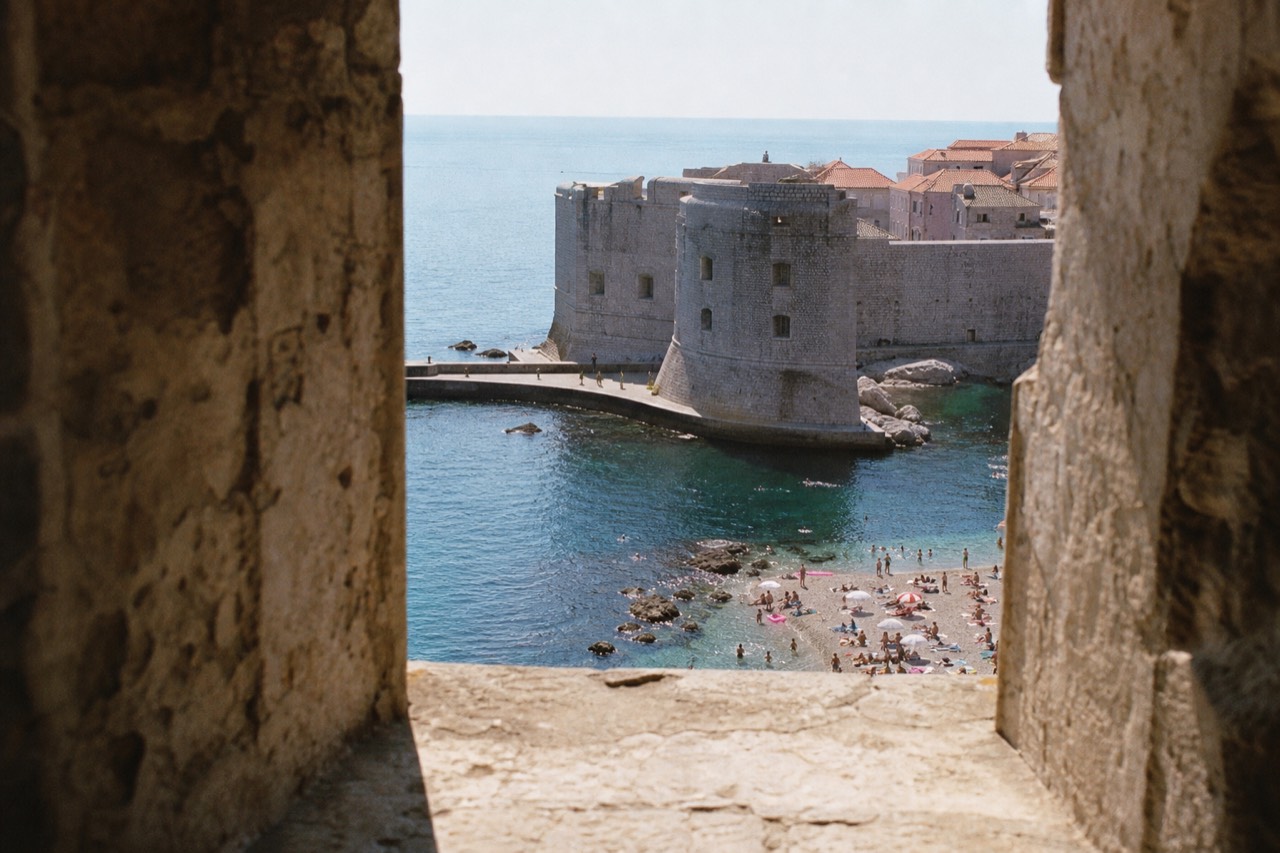
Is Split or Dubrovnik Better for Families?
Is Split or Dubrovnik Better for Families?
For most families with children under about ten, Dubrovnik is the easier base: the sights are compact, the walls walk is a single memorable morning, and the sea is swimmable right below the old city. Split wins for teenagers and for families who want cheaper beds, faster airport access and a wider choice of day trips. Both are safe, walkable and English-friendly, so the real question is pace.
I get this question from parents planning their first Dalmatian trip more than any other, and the honest answer is that neither city is a wrong choice. They sit on the same stretch of southern Adriatic coast, they share the same sea and the same summer sun, and children are welcome in restaurants, on ferries and on tours in both. Croatian family culture is genuinely child-friendly: high chairs appear without asking, waiters fuss over small guests, and nobody will side-eye a tired child at nine in the evening. What differs between the two cities is the shape of the days.
Dubrovnik is a small, intensely beautiful city that you experience on foot. The walled Old Town covers 24.7 hectares, a UNESCO World Heritage Site since 1979, and everything inside it is within a ten minute walk of everything else. That compactness is gold with young children. There is one main street, the Stradun, 298 metres long and flat, and from it every lane leads somewhere a child will find interesting: fountains, staircases, cats, ice cream, a harbour full of boats. When a four-year-old hits their limit, the apartment is never more than a few minutes away, and that safety net changes how ambitious you can be with a day.
Split is bigger, busier in a working-city way, and built around the Roman palace core at its centre. It feels less like a museum and more like a city that happens to have an ancient monument running through it. Teenagers tend to prefer that energy, plus the wider promenade, the more varied nightlife and the fact that their parents' money goes further on beds and meals. Split also gives older children more room to be independent: a supervised wander through the palace lanes feels like a real adventure at twelve, in a way that a small walled town with six entrance gates cannot quite match.
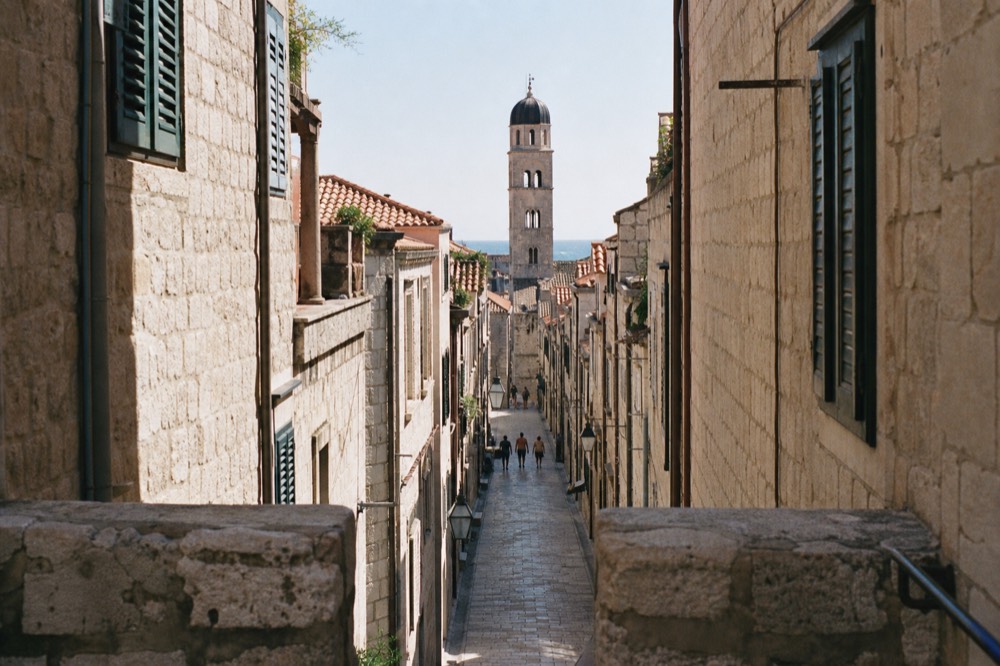
Here is how the two compare on the things families actually decide on:
| What matters | Dubrovnik | Split |
|---|---|---|
| Old core size | 24.7 hectare walled town, fully pedestrian | Roman palace core inside a living city |
| Signature family activity | City walls circuit, Lokrum island, cable car | Palace cellars, beaches, Marjan hill park |
| Swimming from the centre | Yes, rocky beaches and platforms below the walls | Yes, sandy-ish city beaches a short walk out |
| Crowd pressure in peak season | High, with cruise-driven surges | High in the core, spread over a wider area |
| Best suited to | Families with under-tens, first-time Croatia | Families with teens, longer or cheaper trips |
One planning point that surprises parents who have only read summer listicles: Dubrovnik's crowd peak is not where you expect it. Port Authority data shows cruise passengers in 2025 peaked in September at 101,246 and October at 100,132, both above July's 96,072 and August's 87,385. If you are travelling with children in the shoulder months and hoping for a quiet Old Town, early June or late May is a better bet than September, which is genuinely busy. The city also runs a counting system that helps you plan around the surges: six counters at every Old Town entrance update a headcount every 15 minutes, and the official carrying capacity for the historic core is 11,275 people. On a busy mid-morning in September the count passed 7,700 at 10:00, which is exactly the moment the Stradun stops being fun with a buggy. The lesson is simple and works in either city: do the famous core early, swim through the middle of the day, come back for the evening.
Is It Better to Go to Split or Dubrovnik?
Go to Dubrovnik if this is a short, first-time family trip of three to five days built around one beautiful place: walls, islands, cable car and beaches all sit within a quarter hour of each other. Go to Split if you have a week or more, want to add national parks and island hopping, or your children are old enough to enjoy moving rather than settling. Split is the better hub; Dubrovnik is the better destination.
The distinction I draw for families is hub versus destination. Split sits in the middle of the Dalmatian coast with fast ferry and bus links in every direction, so it rewards families who treat it as a base and radiate outward. Dubrovnik sits at the southern end of the coast, closer to Montenegro and Bosnia and Herzegovina than to most of Croatia, so its best day trips are border-crossing adventures rather than domestic hops. Neither approach is better in the abstract; they are just different holidays. Some children thrive on a new town every second day, and others melt down the moment the suitcase moves.
For a family with a settled week, Dubrovnik's day trips are genuinely exciting in a way children remember for years. The Elaphiti islands sit just off the coast, and the full-day cruise with lunch, from $59.16 per person and rated 4.9 across 10,312 reviews, is the single most reviewed product on this site's roster. Eight hours on the water with a fish picnic lunch and drinks is exactly the kind of day a seven-year-old and a seventy-year-old agree on. The boats are shaded, the swimming stops break up the crossing, and the islands themselves are car-light places where children can run without constant supervision.
This was a wonderful day. Nice and shaded on the boat as we cruised on the cool adriatic. Loved seeing the neat Elphiti Islands and a wonderful way to get out the the heat and large crowds for a bit. They kept the drinks flowing and lunch was phenomenal and a generous portion. This is the way to cruise the Adriatic.
Shelby_S
Split's radiating trips are different in character. From Split you can reach celebrated national park waterways and a string of islands by scheduled ferry, often without a tour at all, which suits self-planning families who like to change their minds at the ticket office. From Dubrovnik, the two big cross-border days are Montenegro, with the Bay of Kotor, and Mostar in Bosnia and Herzegovina with the Kravica waterfalls. The Montenegro day trip with optional boat trip runs 11 to 12 hours, from $70.99 per person, rated 4.4 across 3,829 reviews. It is a long day, so I would only book it with children who travel well in a vehicle; the bay boat ride is the part they will talk about. Bring passports, obviously, and check your nationality's entry rules for both borders before you commit, because a day trip that crosses two frontiers needs every document in order.
Swimming deserves a mention in the go-or-go decision because it decides many family days. The September average sea temperature on this coast is about 23.6 degrees, part of a long-run 1991 to 2020 average, and August runs warmer still at 25.8. Both cities share that water. What differs is access: Dubrovnik's swimming is dramatic and mostly rocky, platforms and stone shelves below the walls and at Lapad bay, while Split's city beaches are shallower and gentler underfoot, which matters if your children are toddlers rather than confident swimmers. Sheltered shallow bays also run warmer than the open-water average: the Croatian met service's Dubrovnik buoy read 27.0 to 27.4 degrees across one September day against that 23.6 September mean, so a sheltered swimming spot can feel noticeably warmer than the headline number suggests. Our swimming season guide breaks the water temperature down month by month.
Is It Better to Fly to Split or Dubrovnik?
Fly to Dubrovnik if the trip is only about Dubrovnik: the airport sits about 20 kilometres from the city and transfers are short and simple. Fly to Split if you are undecided, touring, or want more flight competition on price, because Split serves a larger catchment and pairs well with a one-way coastal itinerary. Neither airport is stressful, and both handle summer family chaos reasonably well.
Practically, the choice of airport is usually a choice of itinerary shape. Dubrovnik Airport is small, fast through baggage, and a shared transfer into the city runs about an hour door to door. Families who land there are almost always heading straight for one destination, and the transfer is short enough that even a tired toddler survives it. The shared departure transfer back to the airport starts at $20 per person, which is worth knowing when you are budgeting the family's final morning.
Split's airport is the busier of the two in terms of the region it serves, and it is the natural arrival point for a family building a two-centre trip: Split first, then a bus or ferry down the coast, or the reverse. A lot of families fly into one city and out of the other, which spreads the cost and lets children see the coast from a ferry deck instead of a car seat. Our Dubrovnik to Split transport guide covers every option on that corridor, including which ones suit luggage-heavy families.
One cost note worth planning around: Dubrovnik's popularity pushes bed and flight prices up in the peak weeks, and the city recorded about 4.2 million overnight stays in 2025, sharing first place among Croatian destinations with Rovinj. Split absorbs more of its visitors into a bigger urban fabric, so the same week often costs less there. If your dates are fixed to school holidays and the budget is tight, that price gap is a real argument for Split, or for staying just outside Dubrovnik and bussing in. The bus network in Dubrovnik is simple enough that an out-of-centre base costs you very little in convenience: the number 6 bus runs from Lapad to Pile Gate regularly through the day.
| Decision factor | Points to Dubrovnik | Points to Split |
|---|---|---|
| Trip length | Three to five focused days | A week or more, touring |
| Children's ages | Under-tens, one base | Teens, movement lovers |
| Day trip taste | Islands, border crossings | National parks, ferry hopping |
| Budget pressure | Higher beds in peak season | Generally cheaper beds |
| Airport plan | Direct in, direct out | Open-jaw two-centre trip |
Is Split or Dubrovnik Better for Nightlife?
Split has the stronger and later nightlife scene, with more bars, more volume and a younger local crowd, which matters if your children are teens who want evenings of their own. Dubrovnik's evenings are quieter and more scenic, built around sunset terraces, a couple of live music venues and the open-air cinema, so families with younger children will find it easier to wind down at a sensible hour.
This is the one sub-question with a fairly clear winner, and it is Split. Split is a university city with a year-round population, so its bar scene does not switch off when the season ends, and the area around the palace core stays lively late. For a family with teenagers, that means evenings where the teens can drift between nearby spots while parents eat two streets away, all within a walkable radius. Our best bars guide covers the Dubrovnik side of that equation if you want the grown-up evening plan too.
Dubrovnik is not without evenings. The old city's bar scene is real but smaller and more concentrated, and the standout venue for older families is the nightclub inside the Revelin fortress, which runs big international DJ nights through the season. Our Culture Club Revelin guide covers what to expect, including why it is strictly an over-18s plan. For everyone younger than that, Dubrovnik's best family evening is simpler: a sunset cruise or a drink on a wall-side terrace while the light goes orange over Lokrum.
The sunset cruise option deserves a specific mention because it solves the family evening problem elegantly. The adults-only Karaka sunset cruise is exactly that, adults only, so it is not the family pick, but a short evening on the water is a pattern that works with children too, and the Cavtat sunset cruise with cold platter and unlimited drinks, from $23.66 per person, is short enough at about an hour that it ends before bedtime collapses. Our sunset spots guide lists the land-based alternatives, including the cable car's upper station, which in high summer runs until midnight so you can ride up after dinner with children who are still awake. The ride itself takes 3 minutes 30 seconds up a 778.2 metre track, rising 367 metres to the upper station at 405 metres above sea level, and the operator claims a view range of up to 60 km on a clear day, which is the kind of statistic that impresses a nine-year-old more than any bar ever could.
Is It Better to Stay in Split or Dubrovnik?
Stay in Split if budget, space and apartment comfort lead your decision: your money buys more room and the city absorbs families easily. Stay in Dubrovnik if being inside or beside the car-free Old Town matters more than square metres, accepting smaller rooms and stair-heavy streets. The compromise many families land on is Dubrovnik's Lapad or Ploče areas: near the walls, but flat, beachy and cheaper than the core.
The stay question is really a stairs question. Dubrovnik's Old Town is beautiful and almost entirely pedestrian, but it is built on a slope, and many apartment lanes are stepped. With a buggy or a wobbling four-year-old, that charm has a cost, and it is worth knowing before you book. Split's core is flatter around the promenade, with stepped lanes only in the older pockets. In Dubrovnik, the walls themselves are 1,940 metres around, up to 25 metres high, and the circuit involves a lot of steps, so factor that in when you picture the family photo: the classic walls walk is a real outing, not a stroll, and most families with young children do only part of it.
Where Dubrovnik earns its keep for families is the base-and-budget trick. Lapad, the peninsula west of the centre, is the classic family choice: flat, full of cafes, with a bay beach and regular buses to Pile Gate. The budget option there is Hotel Komodor, a three-star rated 7.8 out of 10 across 822 Expedia reviews, about a 29-minute walk from the Gruž cruise and ferry port and a number 6 bus ride from Pile Gate rather than a walk. At the other end, the luxury pick near the old city is Hotel Excelsior in Ploče, a short stroll from the walls with a pool and sea-view rooms that make heat-heavy afternoons survivable with small children.
Budget for the sightseeing itself as well as the bed. Dubrovnik's headline ticket, the City Walls, costs 40 euro per adult in main season, 1 March to 30 November, with children 7 to 18 at 15 euro and under 6 free, and that ticket also covers Fort Lovrijenac, the fortress that stands on a 37-metre-high sea rock just outside the walls. The one-day Dubrovnik Pass costs the same 40 euro in main season and adds ten more sights plus a 24-hour bus ticket, which for a family doing the walls plus two museums is straightforward value. In December the walls ticket drops to 20 euro and no pass tier is on sale at all, so the comparison only holds in the main season. Split's palace-area sights are individually cheaper, and children often enjoy the palace cellars as much as any ticketed attraction in either city.
| Family profile | Best base | Why |
|---|---|---|
| Under-tens, first trip, four days | Dubrovnik, Lapad or Ploče | Compact sights, beach access, short transfers |
| Teenagers, one week plus | Split, or Split then Dubrovnik | Nightlife, hub position, cheaper beds |
| Tight budget in school holidays | Split or Dubrovnik outskirts | Peak-season price gap is real |
| Touring family, open-jaw flights | Split in, Dubrovnik out | Coastal itinerary without backtracking |
My honest summary after a decade of watching families plan this exact choice: if your children are young and your trip is short, Dubrovnik's compactness beats Split's variety, and the memories are concentrated and vivid. If your children are older, or the trip is long, or the budget is doing the deciding, Split wins on value and reach, and you can always finish with two nights inside Dubrovnik's walls so nobody misses out. Whichever you pick, the Things to Do in Dubrovnik collection here covers the walls, Lokrum, the cable car and every family-tested day trip in detail, so start there if the southern city is calling.
Common Questions About Split or Dubrovnik for Families
Is Split or Dubrovnik better for families?
Dubrovnik for under-tens and short trips, Split for teenagers and longer, cheaper touring. Both are safe, walkable and welcoming to children, so decide on pace and budget rather than on any single attraction.
is it better to stay in split or dubrovnik?
Stay in Split for more space and lower prices; stay in or near Dubrovnik's Old Town if being car-free beside the walls matters most. In Dubrovnik, Lapad and Ploče give you the location without the stair-heavy lanes or peak prices of the core.
Is Split or Dubrovnik Better for Nightlife?
Split, clearly. It has more bars, later hours and a year-round local crowd, while Dubrovnik's evenings are quieter and more scenic, built around terraces, open-air cinema and one big fortress nightclub that is strictly for adults.
Is It Better to Fly to Split or Dubrovnik?
Fly to Dubrovnik for a single-destination trip with short transfers; fly to Split if you are touring or want an open-jaw itinerary down the coast. Split's larger catchment often means better peak-season fares.
Which City Is Cheaper for a Family?
Split, in most peak-season comparisons, both for beds and everyday meals. Dubrovnik recorded about 4.2 million overnight stays in 2025, sharing first place in Croatia with Rovinj, and that demand shows in prices. Staying in Lapad or Ploče softens the gap considerably.
Can You Combine Split and Dubrovnik in One Family Trip?
Yes, and it is a popular pattern. Bus or ferry down the coast between the two, usually with a stop on an island, and fly out of the second city. It works best with a week or more and children who enjoy moving on.