Is There a Restaurant on Lokrum Island?
Yes, Lokrum has a seasonal restaurant near the monastery, but it is the island's only food outlet. Here is what to expect, what food costs, and how to plan around it.
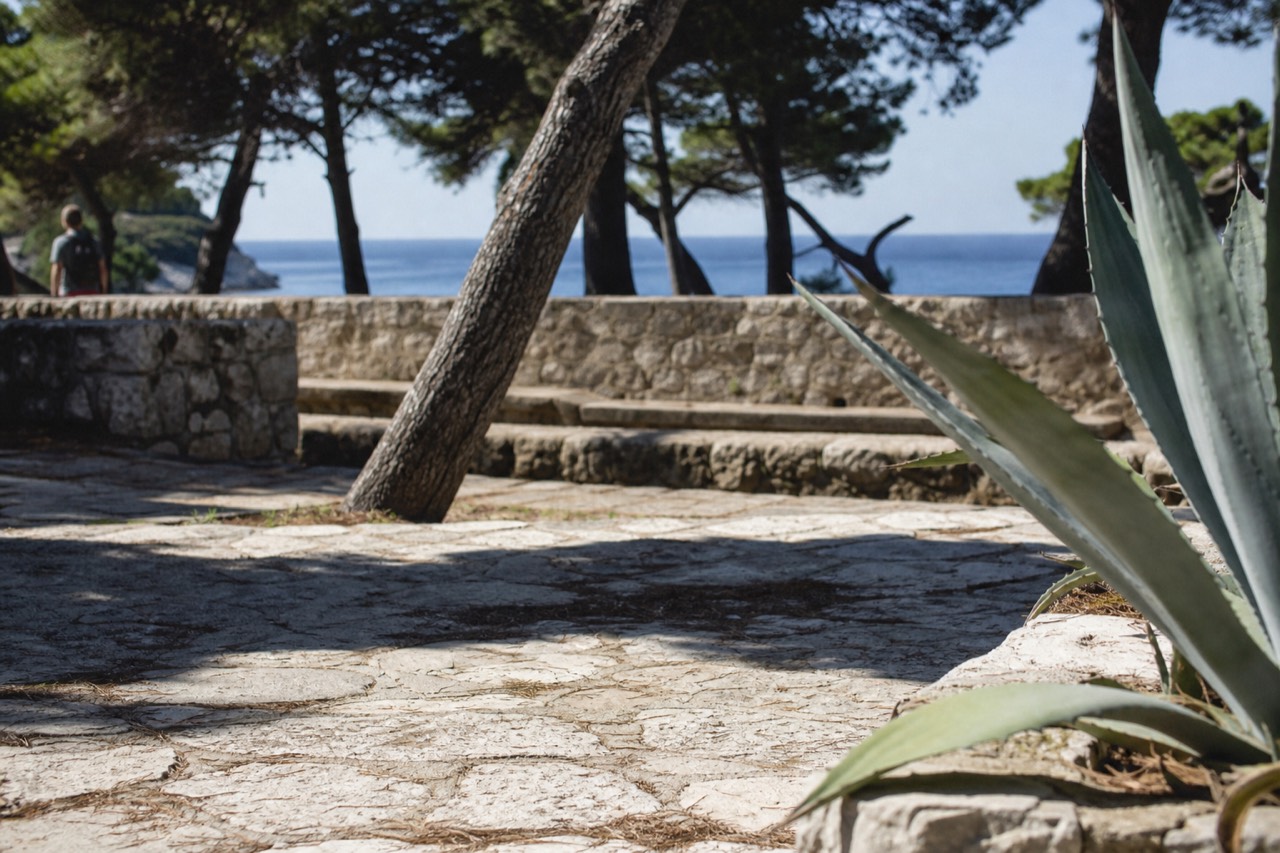
Is There a Restaurant on Lokrum Island?
Yes, Lokrum has a seasonal restaurant and café near the monastery, and it is the only proper food outlet on the island. It serves simple Mediterranean plates, drinks and coffee through the warm months, but hours shrink in shoulder season and nobody should plan a full day around it. Bring water, bring snacks, and treat the restaurant as a pleasant backup rather than the plan.
That is the short answer, and it is the one I give visitors who ask me on the quay. Lokrum is a protected nature reserve, not a resort island, and the reserve's rules exist to keep it that way. There is no strip of konobas, no beach bar every hundred metres, no ice cream stand at every corner. What you get is one seasonal food operation in the heart of the island, close to the Benedictine monastery complex, plus whatever you carried over on the boat.
The practical consequence matters more than the name of the venue. If you are staying out from mid-morning to late afternoon, in summer heat, on an island whose shaded corners are mostly pine forest and whose swimming spots are rocky, you need to think about water first and lunch second. The boats from the City Harbour run at 09:00, then every 15 minutes from 10:00 to 18:00, so you are never trapped, but a day that starts at 10:00 and ends at 17:00 is a long stretch on one restaurant and whatever is in your daypack.
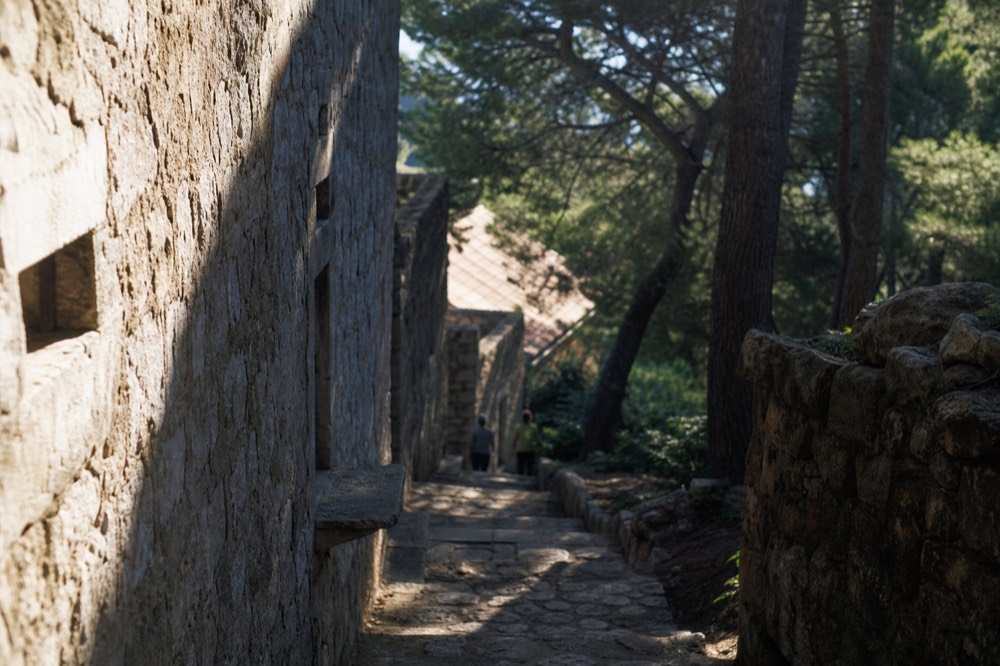
It also helps to know what kind of island you are eating on. Lokrum sits just off Dubrovnik's Old City Port, close enough that the swim from the rocks feels like an extension of the city's seafront, yet it is run as a reserve by a public institution with its own ticket, its own boat schedule and its own rules. The official reserve site lays all of this out at lokrum.hr, and it is worth a look before you go, because the two things people most often get wrong are the ticket and the food.
If eating well is a big part of why you travel, flip the order of your day. Do the food experience in the city and the island around it. The Dubrovnik Food and Drink Walking Tour with a Local Guide runs about 3 hours, from $165.64 per person, rated 5 across 704 reviews, and it doubles as an orientation to the Old Town's eating streets, which is exactly the knowledge Lokrum cannot give you. I have watched too many visitors spend their one Lokrum afternoon hungry and then eat a forgettable dinner near the gate because they had no idea where the city's good tables were.
Those three options bracket the day nicely. The food walk is the city answer, the Mljet National Park and 3 Island Boat Tour is the long-haul alternative for a full day on the water from $153.99 per person, and the Mljet and Elaphiti Islands trip from $139.47 per person splits the difference. More on both island options further down, because they solve the food problem in a way Lokrum deliberately does not.
Is It Worth Going to Lokrum Island?
For most visitors on a first trip of two or three days, yes, Lokrum is worth it. It is a 30-euro round trip with reserve entry included, the boats leave the City Harbour at 09:00 and then every 15 minutes from 10:00 to 18:00, and the island delivers pine shade, rocky swimming, peacocks and a monastery ruin in one compact visit. The catch is food: it is a half-day of self-sufficiency.
I rank Lokrum high among Dubrovnik's quick escapes because it removes you from the crowd without removing you from the view. From the island's western shore you look straight back at the walled city, and that perspective, walls rising out of the sea with cruise ships at anchor beyond, is one of the best free sights in the region. The reserve itself is small enough to walk end to end without a map, and the paths are shaded almost everywhere, which matters more than people expect in July and August.
The worth question really turns on timing. The busiest stretch on the boats is late morning, when the day-trip crowds arrive, and the island feels completely different after 16:00, when most of them have gone back and the light turns golden on the walls across the water. A pattern that works well: swim and wander in the early afternoon, eat whatever you brought on a bench under the pines, then stay for the last hour or two and take one of the later boats back. The ticket office at Luža in the Old City Port works 08:00 to 18:00, and a ticket stays usable for three days, so you are not locked into a single rigid slot.
One warning that belongs here rather than buried later: do not count on a long leisurely restaurant lunch as the centrepiece of the day. The seasonal restaurant near the monastery is fine for a plate, a coffee or a cold drink, but it is one kitchen on a protected island with a captive audience, and in peak season it can fill and empty in waves as boatloads arrive. The visitors who love Lokrum are almost always the ones who treated it as a picnic island.
| Lokrum basic | What applies |
|---|---|
| Reserve entry plus return boat | 30 euro per person, one ticket covers both |
| Boats from the City Harbour | 09:00, then every 15 minutes from 10:00 to 18:00 |
| Ticket office at Luža | 08:00 to 18:00 |
| Ticket validity | Usable for three days from the date on it |
| Food on the island | One seasonal restaurant near the monastery, otherwise bring your own |
That table is the whole logistics picture in five lines, and it is worth screenshotting before you leave the hotel. The three-day validity in particular surprises people: if your first afternoon turns cloudy, you are not out 30 euro, you simply come back another day within the window.
If a food-first day in the city appeals more than a picnic day on the island, the pairing I mentioned above is the strongest one on the roster. The food walk is run by a local operator, it stops at multiple Old Town locations with food and wine at every stop, and reviewers consistently describe it as the thing that taught them where to eat for the rest of their stay.
Amazing food tour! Marija was a great guide, full of stories and facts that really brought Dubrovnik to life. The food was delicious, and generous. Wines at every stop. Would highly recommend this tour to anyone visiting Dubrovnik, especially to help get your bearings of the city and know where to go for dinner!
Bryan_M
Can You Swim at Lokrum Island?
Yes, swimming is one of the main reasons to go, and the island's rocky coves and the small salt lake are the swimming spots. There are no sandy beaches, so bring shoes that can handle rocks, and the water is clean and clear. The September long-run average for this coast is about 23.6 degrees, and sheltered spots in high summer run warmer than that open-water figure.
Swimming on Lokrum is a different sport from swimming at a beach. You enter from flat rocks, mostly on the southern and eastern shores, and the water drops away quickly, which is exactly what snorkellers want. The little salt lake, called the Dead Sea by locals, is the gentler option and the one families tend to gravitate toward, because it is enclosed and calm. The peacocks wandering the paths are the island's other signature, and they have absolutely no respect for a towel laid out in the shade.
On temperature, be precise about what any number means. The figures I use are long-run averages for the open water off this coast, a 1991 to 2020 climatology from NOAA's satellite analysis, not a beach thermometer and not this afternoon's reading. By that measure July averages 24.9 degrees, August 25.8, September 23.6 and October 21.0. Sheltered bays and the salt lake sit above those numbers in high summer: the Croatian met service's own Dubrovnik buoy has read 27.0 to 27.4 degrees against a 23.6 September mean. So the honest version is: the sea here is properly swimmable from June into October, warmest in August, and the lake is the warmest water on the island.
| Month | Open-water average (1991 to 2020) |
|---|---|
| June | 22.5 degrees |
| July | 24.9 degrees |
| August | 25.8 degrees |
| September | 23.6 degrees |
| October | 21.0 degrees |
Practical swimming notes: there are no lifeguards, the rocks get genuinely hot underfoot by midday, and the restaurant is a stiff walk from some of the far coves, so carry water with you rather than planning a swim-then-eat loop. A dry bag is the single most useful piece of kit on the island, ahead of a towel.
If swimming off rocks is not your thing and you want sand with your swim, the mainland alternatives are better: our guide to the best beaches around Dubrovnik covers the sandy stretches in Lapad and beyond, and the Copacabana Beach guide covers the one nearest the harbour side of town.
How Much Does It Cost to Go to Lokrum Island?
The Lokrum ticket is 30 euro per person and covers both the reserve entry and the return boat transfer, whichever way you travel. A combined Dubrovnik, Trsteno, Lokrum, Dubrovnik ticket exists at 42 euro and adds Trsteno Arboretum admission plus an air-conditioned boat. Children's pricing is not published as a separate tier on the official reserve site, so check at the Luža office.
The 30-euro figure is the one to remember, and it is more generous than it first looks because it bundles the boat. Many island destinations charge ferry fare and entry separately, and the two stack up fast. Here it is one transaction at the ticket office at Luža in the Old City Port, working 08:00 to 18:00, and the ticket then stays valid for three days, which gives you a weather escape hatch.
The 42-euro combined ticket is the version worth knowing about if Trsteno's arboretum, with its historic aqueduct and gardens north of the city, was already on your list. You can read the full breakdown of both options in our Lokrum ferry and ticket guide, which also covers the boat schedule in detail.
Budget for the day beyond the ticket is mostly food. This loops back to the restaurant question: if you buy lunch and drinks at the island's seasonal restaurant, a day for two can easily cost more in food than in tickets, and that is before you factor in the coffee habit that the pine shade encourages. The self-catering version, a stop at a bakery or the Gruž market before you board, keeps the whole day close to the ticket price. Our Dubrovnik trip cost guide has the wider numbers if you are building a full budget.
That last point deserves a line of explanation, because it runs against every instinct. Port Authority data shows 2025 cruise passengers peaked in September at 101,246 and October at 100,132, above July's 96,072 and August's 87,385. September afternoons on Lokrum are therefore not the quiet shoulder-season escape the brochures imply, and the counter at the Old Town gates, which updates every 15 minutes, often shows it. Going early, or after 16:00, matters as much in autumn as in summer.
Is It Worth It to Go to Lokrum Island?
Worth depends on what you are trading away. If you have one or two days total in Dubrovnik, the walls, the Old Town and a swim spot you can walk to come first, and Lokrum is a maybe. With three or more days, or on a repeat visit, it becomes an easy yes: a half-day of forest, ruins and swimming that no mainland spot replicates, for a 30-euro all-in ticket.
The honest ranking, for someone planning rather than dreaming: the city walls are the single best thing in Dubrovnik, and nothing on this page should displace them. Lokrum is the best half-day escape after that, and it beats the farther islands on logistics alone, because the boats run every 15 minutes for most of the day and you never commit to a full-day schedule. What you give up relative to the big island trips is exactly the thing this article is about: food variety, and the sense of having gone somewhere distant.
The trade is why the Mljet options exist on the roster and why I keep mentioning them. The Mljet National Park and 3 Island Boat Tour from Dubrovnik runs about 10 hours from $153.99 per person, rated 4.9 across 397 reviews, and it buys you a national park with lakes and woodland plus proper time on the water. The From Dubrovnik: Mljet National Park and Elaphiti Islands Trip runs from $139.47 per person, rated 4.8 across 333 reviews, and spreads the same day across more stops. Both are full-day commitments with lunch logistics of their own, so check what each includes on the live listing before choosing.
The pattern I would suggest, having walked visitors through this choice more times than I can count: pair a city food experience with Lokrum on one day, and save the full-day island cruise for a separate day if your itinerary allows. Lokrum answers the question "where can I swim and be in shade by 11:00", the Elaphiti cruise answers "where can I spend a whole day on the water", and confusing the two is how people end up hungry on a nature reserve. For the wider picture of the island group, our Elaphiti Islands guide is the companion read.
One more planning note on the island itself: the paths are unpaved in places and the terrain is rocky, so ordinary sandals will do for the main circuit but not for the far coves. There is more on the practical side, including how long to allow, in our answer on how many hours you need on Lokrum, and on the swimming specifics in can you swim at Lokrum island.
Planning Around the One Restaurant
Treat Lokrum as a picnic island with a restaurant safety net. Buy food and a full water bottle in the city before you board, plan your swimming around the shade hours, and use the seasonal restaurant near the monastery for a coffee, a cold drink or a simple plate rather than as the day's main meal. The boats back run until 18:00, so you are never stuck.
The mechanics are simple. The City Harbour departure point is a short walk from the Old Town's eastern end, the Luža ticket office opens at 08:00, and the first boat leaves at 09:00 with departures every 15 minutes from 10:00 onward. Buy the ticket, buy the picnic, board. If you are combining Lokrum with a big evening, keep the last boats in mind: the schedule runs to 18:00, and the walk back from the far end of the island to the quay takes longer than the map suggests because nobody walks fast in that heat.
For a fuller picture of what the site covers across the city and the islands, start with Things to Do in Dubrovnik and work outward from there. The short version for this page: yes, there is a restaurant on Lokrum, no, you should not depend on it, and the island is better for it, because the day you pack for yourself is the day that actually feels like an escape.
Common Questions About Eating on Lokrum Island
Is there a restaurant on Lokrum island?
Yes. Lokrum has one seasonal restaurant and café near the monastery, and it is the island's only food outlet. It serves simple Mediterranean plates, drinks and coffee in the warm months, but hours shrink in shoulder season, so bring water and snacks rather than planning the day around it.
Can You Swim at Lokrum Island?
Yes. Swimming is one of the main reasons to visit. Entry is from rocks on the southern and eastern shores, and the small salt lake is the calmest, most family-friendly spot. There are no sandy beaches and no lifeguards, so bring shoes that grip on rock. The open-water long-run average is 24.9 degrees in July, 25.8 in August and 23.6 in September.
How Much Does It Cost to Go to Lokrum Island?
The Lokrum ticket is 30 euro per person and covers both reserve entry and the return boat transfer. A combined Dubrovnik, Trsteno, Lokrum, Dubrovnik ticket costs 42 euro and adds Trsteno Arboretum admission plus an air-conditioned boat. The ticket office at Luža works 08:00 to 18:00, and a ticket stays usable for three days.
Is It Worth Going to Lokrum Island?
On a first visit of two or three days, Lokrum is a strong half-day trip: pine shade, rocky swimming, peacocks, monastery ruins and the best view back at the walled city, all for a 30-euro all-in ticket. If you have only one day in Dubrovnik, the walls and the Old Town come first.
How Do the Boats to Lokrum Run?
Boats leave the City Harbour at 09:00, then every 15 minutes from 10:00 to 18:00. The ticket office at Luža in the Old City Port works 08:00 to 18:00. You do not need to book a specific return time; the ticket covers the return transfer and stays valid for three days.