The Best Dubrovnik Attractions, Ranked and Priced
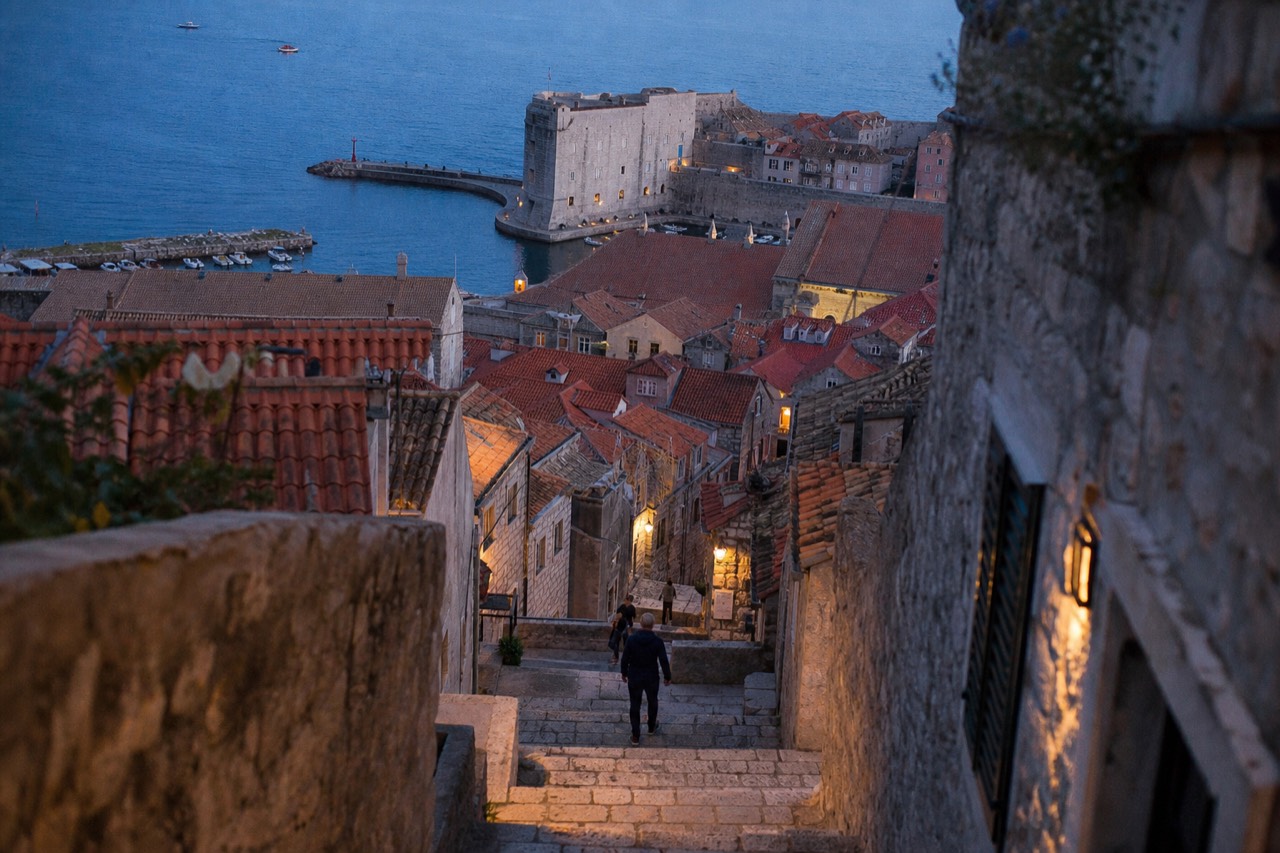
Dubrovnik packs a UNESCO-listed walled city, a 37-metre fortress rock, an island reserve and a cable car into a few square kilometres. Here is every major attraction ranked, priced and timed, so you spend your days on the right ones.
Short answer
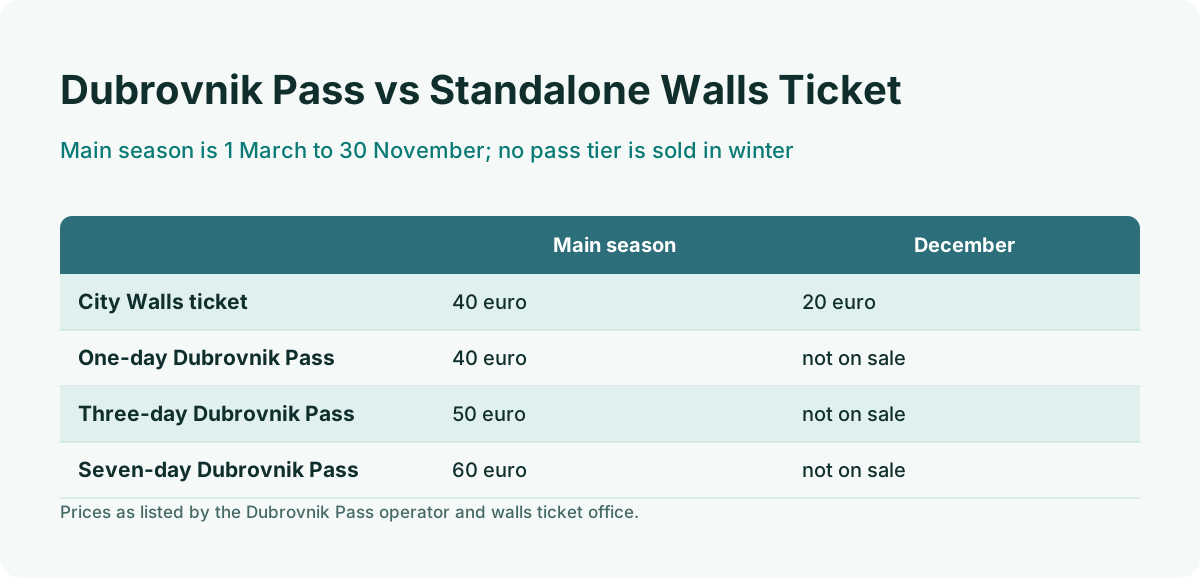
The Dubrovnik Pass costs 40 euro for one day and covers the City Walls, Fort Lovrijenac and ten more sights in main season, 1 March to 30 November. The walls ticket alone is also 40 euro, so the pass adds museums and buses for nothing. September and October are the busiest cruise months, ahead of July and August.
Dubrovnik recorded about 4.2 million overnight stays in 2025, sharing first place among Croatian destinations with Rovinj. That volume lands on a walled core of just 24.7 hectares, which is smaller than most airport terminals, and it explains almost everything about how the city feels at midday in summer. I have been guiding travellers through these streets since 2015, and the difference between a great visit and an exhausting one is rarely about which attractions you choose. It is about the order, the timing and the tickets.
This guide ranks the attractions that matter, prices them from the operators' own webshops, and answers the four questions I hear most from first-time visitors: what the pass actually covers, what not to do, when to stay away, and whether the beaches are worth the trip.
What Are the Best Attractions in Dubrovnik?
The five attractions that justify the trip are the City Walls, the Stradun and Old Town core, Fort Lovrijenac, Lokrum Island and the Mount Srd cable car, in that order. Each is priced differently, each rewards a different time of day, and two of the five are genuinely better with a guide.
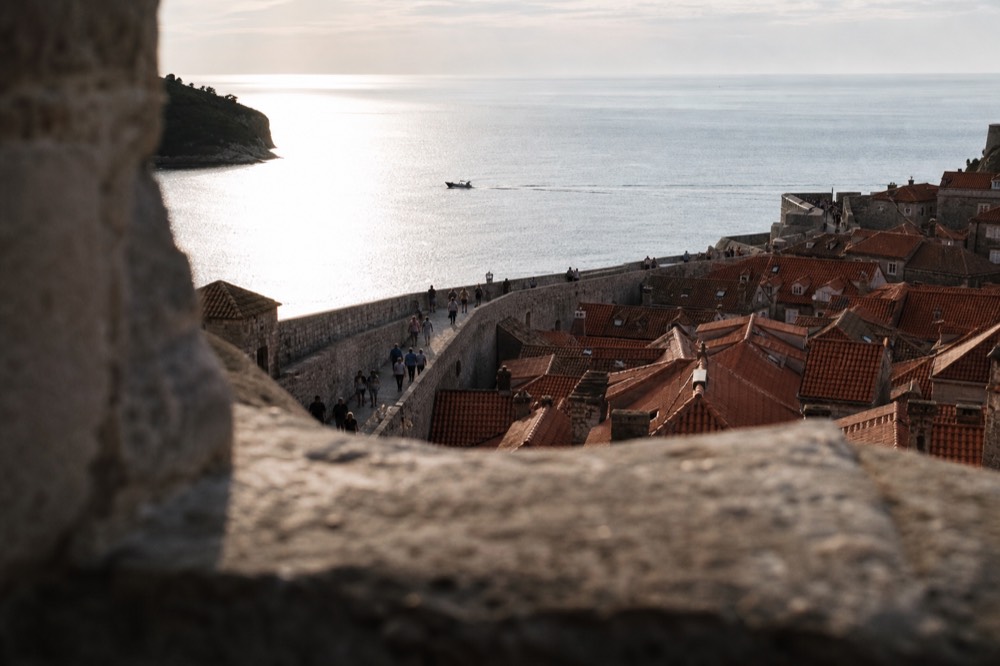
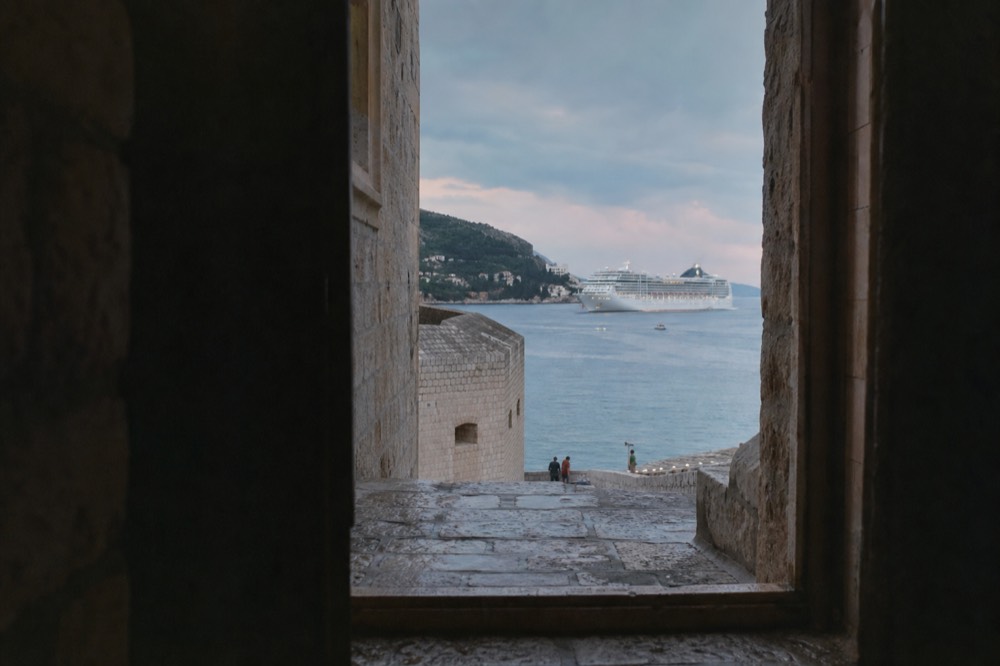
Start with the walls, because everything else in Dubrovnik is measured against them. The circuit is 1,940 metres long, up to 25 metres high, and was completed in 1660 with the Bastion of St Stephen. The adult ticket is 40 euro in main season, 1 March to 30 November, and 20 euro in December, and that ticket is actually a combination: it covers the walls, Fort Lovrijenac across the bay, the Western Outer Wall and the Collection of Coins of the Republic of Ragusa. The operator's stated hours at time of check are 08:00 to 19:30. If you want the full picture of what the walls defended and why, the complete city walls guide breaks down the route entrance by entrance.
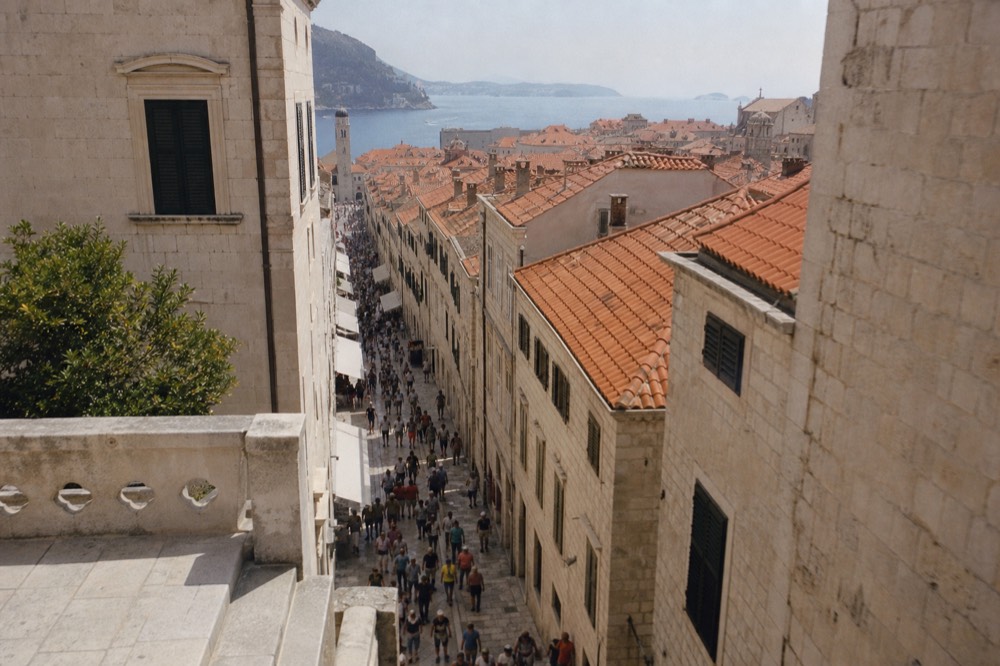
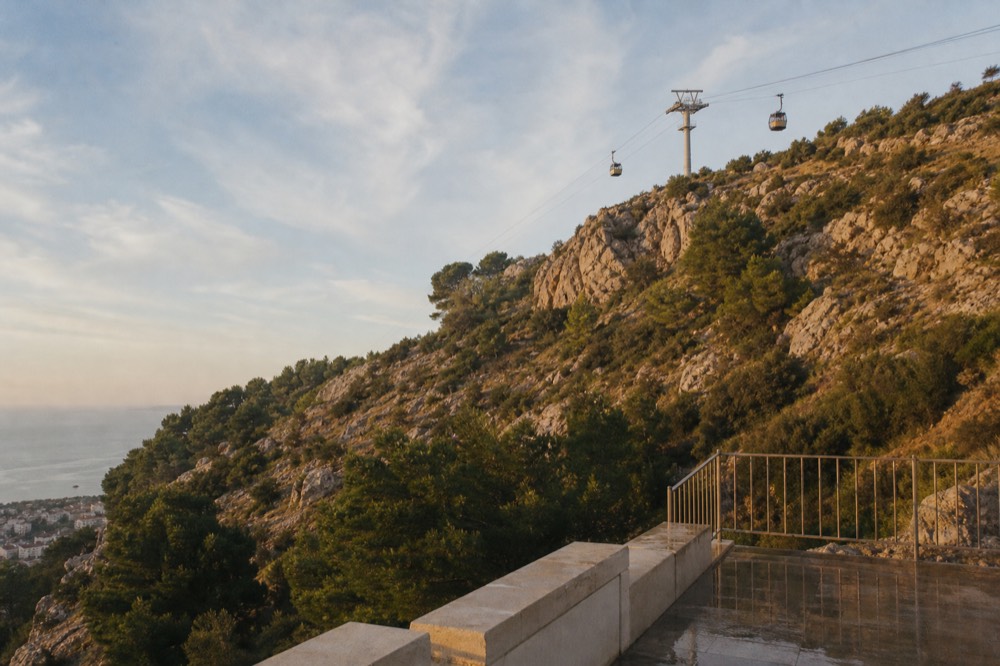
The Old Town core itself is free to enter and needs no ticket, which surprises people who have read about ticketed medieval towns elsewhere. The Stradun, the limestone main street, runs 298 metres from Pile Gate to the clock tower, and its final plan was fixed by the 1272 Statute. Fort Lovrijenac stands on a 37-metre-high sea rock on the western side, and it is included with the walls ticket or 15 euro bought alone. Lokrum Island is a 30 euro per person ticket that covers both the reserve entry and the return boat transfer, with departures from the City Harbour at 09:00, then every 15 minutes from 10:00 to 18:00. The cable car lifts you from 38.0 metres to 405.0 metres above sea level in 3 minutes 30 seconds, and an adult round trip is 30 euro.
| Attraction | Adult price | Time needed | Best time of day |
|---|---|---|---|
| City Walls + Lovrijenac | 40 euro main season, 20 euro December | 2 to 3 hours | 08:00 opening or after 17:00 |
| Old Town core and Stradun | Free | 1 to 2 hours | Early morning |
| Fort Lovrijenac alone | 15 euro | 45 minutes to 1 hour | Late afternoon |
| Lokrum Island | 30 euro, boat included | 3 to 5 hours | First boat at 09:00 |
| Mount Srd cable car | 30 euro round trip | 1 to 2 hours | Sunset |
One ranked-list note that most first pages of search results miss: the walls are a one-way experience in practice, and the staircase count is brutal in July heat. The circuit reached its shape in the 13th century and has 16 towers, 3 fortresses and 6 bastions along the way, but you will remember the stairs more than the statistics. Carry water, wear real shoes, and start at the Pile entrance rather than the one by the port, because the climb distributes itself better that round.
For travellers who want the stories behind the stones rather than just the stones, a guided walk is the efficient choice. The Old Town Walk with a Local Guide runs from $20 per person and is rated 4.8 across 5,826 reviews, which makes it both the cheapest paid walk on this site's roster and one of the most reviewed. A guest review from Sophie captures what a good guide adds: "Alex was a fantastic guide, she explained the complex history of Dubrovnik to give a lasting impression of the history of the area. Really appreciated that she aimed for shaded areas on a boiling September day. The food recommendations for after were much appreciated too! Great tour for a first experience of the old town!"
What Attractions Are Free With the Dubrovnik Pass?
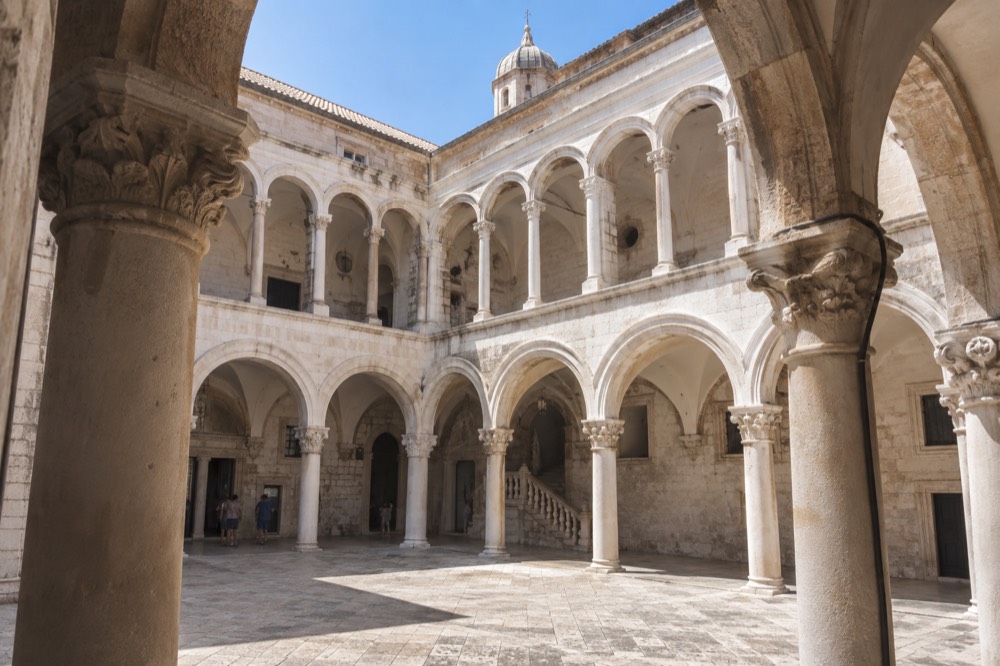
In main season the one-day Dubrovnik Pass costs 40 euro, exactly the same as the standalone walls ticket, and covers the City Walls plus Lovrijenac Fortress, the Rector's Palace, the Maritime Museum, the Museum of Modern Art and seven further sights, plus a 24-hour bus ticket. Every inclusion is a one-time visit, so you cannot enter the walls twice on one pass.
The pass is sold as "SUMMER 2026, 01.03.2026 to 30.11.2026" in one ticket type only, an adult pass for ages 7 and up. The three-day tier is 50 euro and the seven-day tier is 60 euro, and both of those add suburban bus coupons and House Bukovac in Cavtat to the inclusion list. The full pass breakdown walks through every inclusion, but the headline for attractions planning is simple: if you intend to walk the walls and visit even two museums, the one-day pass pays for itself on day one.
The honest caveat, and one that most articles skip: the 40-euro equivalence between the pass and the walls ticket is a main-season comparison only. In December the standalone walls ticket drops to 20 euro and no pass tier is on sale at all, so the "pass costs the same as the walls" line is simply false in winter. If you are visiting between 1 December and the end of February, buy the walls ticket directly and pay museums individually. The official pass site at dubrovnikpass.com carries the live inclusion list.
| Pass tier | Price | Sights included | Transport |
|---|---|---|---|
| One day | 40 euro | Walls, Lovrijenac and 10 more sights | 24-hour bus ticket |
| Three days | 50 euro | Same list plus House Bukovac in Cavtat | 72-hour bus ticket, suburban coupons |
| Seven days | 60 euro | Same list plus House Bukovac in Cavtat | 168-hour bus ticket, suburban coupons |
What the pass does not cover is equally important. Lokrum Island is not included, the cable car is not included, and no tour or boat trip is included. If your Dubrovnik day is walls plus Lokrum plus cable car, the pass only helps with the first item. Plan the pass around the museums you will genuinely enter, not the ones you feel you should.
Between the pass decision and the walking decision, many visitors combine the two: a guided Old Town walk on the first morning to get oriented, then the walls and museums on the pass afterwards, when you know what you are looking at. And for visitors who cannot manage the stairs at all, the E-Tuk Tuk panorama ride covers the viewpoints in 1 hour 45 minutes from $59.24 per person, rated 5 across 1,799 reviews.
What Not to Do in Dubrovnik?
The five mistakes that ruin visits are walking the walls at midday in summer, driving into the Old Town, exchanging money at the airport, eating on the Stradun at peak hours, and treating the city as a half-day stop. Each is avoidable with a decision made the evening before, not on the spot.
The walls at noon in July and August are the single worst pairing in Croatian tourism. There is almost no shade on the circuit, the stone radiates heat, and the crowd moves at the pace of the slowest photographer. The operator opens at 08:00, and the first hour is a different experience from the eleventh. The same logic applies to the Old Town generally: six counters at every entrance update a headcount every 15 minutes, and on 8 September 2026 the count read 1,200 at 04:00, 5,419 at 08:00, a 7,739 peak at 10:00, then 7,205 at 11:00. The morning is not just cooler, it is emptier by thousands of people.
Driving is the second mistake. The Old Town is pedestrianised, parking outside it is scarce and priced accordingly, and the parking guide exists because so many visitors learn this the hard way. Use the airport bus or a transfer, then walk or use local buses for everything else. Third, do not change large sums at the airport; card acceptance in Dubrovnik is broad, and the answer to "is Dubrovnik cash only" is a firm no.
| Mistake | Why it hurts | What to do instead |
|---|---|---|
| Walls at midday in high summer | No shade, peak crowd, hot stone | Enter at 08:00 or after 17:00 |
| Driving to the Old Town | Pedestrian zone, scarce parking | Bus, transfer, then walk |
| Big currency exchange at the airport | Poor rates on large sums | Pay by card, withdraw small amounts |
| Lunch on the Stradun at 13:00 | Peak prices, peak noise | Side streets two blocks in |
| Half-day whirlwind stop | Walls alone need 2 to 3 hours | Plan at least one full day |
The fourth mistake is food geography. The Stradun at peak hours is where prices peak too, and the restaurants worth the detour sit in the side lanes, which is exactly why the restaurant guide exists. The fifth mistake is the compressed visit. Cruise passengers on a six-hour call can see the Stradun and the walls, barely, but a land visitor trying the same pace misses Lokrum, the cable car and every view that needs an evening.
For anyone who wants the walls explained rather than just walked, the 2-Hour City Walls Walk from $29.58 per person is rated 4.8 across 1,387 reviews and covers the defensive history that the signage does not.
That first guided morning is the one booking I would make before you fly, because the best-reviewed walks fill on the heavy September and October days. Everything else on this page, the walls ticket, the pass, the Lokrum boat, can be bought the day before or on the day. The walk is the exception, and it is also the cheapest headline product on the roster.
When to Avoid Dubrovnik?
Avoid Dubrovnik on the heaviest cruise days in September and October, not in July and August as most advice suggests. Cruise passengers in 2025 peaked at 101,246 in September and 100,132 in October, above July's 96,072 and August's 87,385, and the Port Authority caps most days at 8,000 cruise passengers.
This is the fact that reorders everyone's planning. The folklore says avoid August for crowds, but Port Authority data shows the shoulder season carries more cruise passengers than the height of summer, and the busiest remaining days in the 2026 schedule include 6 October with 2 ships and up to 5,798 passengers by capacity, and 29 September with 2 ships and 5,675. Those are ship-capacity figures, not people who actually walk ashore, but even a fraction lands hard on a 24.7-hectare core.
The counting system makes this plannable rather than guessable. Six counters at every Old Town entrance feed a live headcount, and the official carrying capacity from the UNESCO assessment is 11,275 people. Of 243 cruise days a year only 18 exceed the 8,000-passenger limit and only 4 exceed roughly 10,000, and the Port Authority refused about forty call requests in one season to hold that line. The Port Authority's cruise destination page publishes the measures in full.
| Period | Cruise pressure | Verdict for visiting |
|---|---|---|
| July and August | 96,072 and 87,385 passengers in 2025 | Hot, busy, but not the cruise peak |
| September | 101,246 passengers, the annual peak | Pick non-cruise days, book everything ahead |
| October | 100,132 passengers | Same, though weather stays kind |
| December to February | 2,458 passengers in December 2025 | Quietest, walls ticket 20 euro, cable car closed January to March |
If your dates are fixed in September, the workaround is time-of-day rather than date. The cruise flood arrives mid-morning and drains by late afternoon, so do the walls at 08:00, leave the Old Town for Lokrum or a beach at midday, and return after 17:00 when the day-trippers have gone. For the full shoulder-season picture, the September in Dubrovnik guide covers what stays open and what closes.
Is Dubrovnik Good for Beaches?
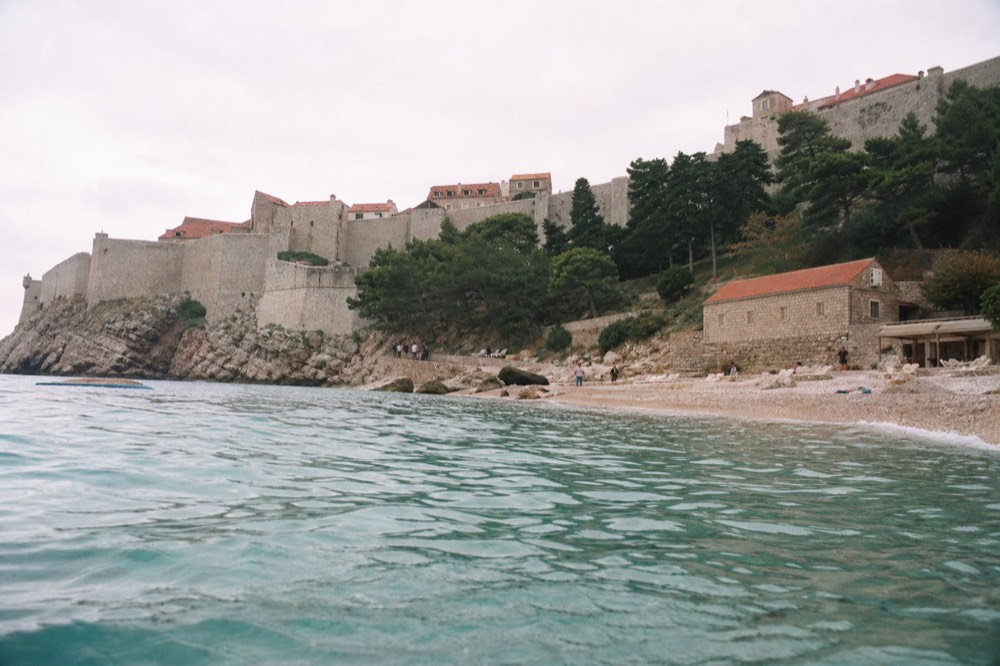
Yes, but not in the wide-sand sense most visitors picture. Dubrovnik's beaches are mostly stone slabs, pebbles and rocky platforms with exceptionally clear water, and the best of them, Banje, Sveti Jakov and Copacabana, each suit a different visitor. The September average sea temperature is about 23.6 degrees, from a 1991 to 2020 open-water average, so the swimming season runs well past summer.
Banje Beach is the postcard beach below the Old Town walls, a five-minute walk from Ploče Gate, pebbly and organized with beds for hire. Sveti Jakov is the quiet one, a longer walk down a staircase on the Lapad side of the bay with the best view back toward the Old Town. Copacabana sits on the Lapad peninsula with more space and calmer water for families. None is sandy in the Caribbean sense, and water shoes earn their place in your luggage.
| Beach | Surface | Best for | Notes |
|---|---|---|---|
| Banje | Pebble and stone slabs | The view, proximity to Old Town | Five minutes from Ploče Gate, beds for hire |
| Sveti Jakov | Pebble | Quietest swim, the classic panorama | Staircase access, go early |
| Copacabana | Pebble and concrete | Families, calm water | Lapad peninsula, water sports |
| Lokrum coves | Rock platforms | Combining beach with the island reserve | Included in the 30 euro Lokrum ticket |
Be honest about the temperature numbers. The monthly series quoted around Dubrovnik is a NOAA long-run open-water average for 1991 to 2020, not a beach thermometer, and August reads 25.8 degrees against September's 23.6. Sheltered bays run warmer: the Croatian met service's Dubrovnik buoy read 27.0 to 27.4 degrees on 8 September 2026 against that 23.6 September mean. The practical read is that swimming is comfortable from June through September and often into October, and the swimming season guide gives the month-by-month picture.
For a beach day that doubles as an attraction, the Elaphite islands cruise is the strongest combination on the roster: 8 hours, from $59.16 per person, rated 4.9 across 10,312 reviews, with a fish picnic lunch and swim stops. Shelby_S's review sums up the appeal: "This was a wonderful day. Nice and shaded on the boat as we cruised on the cool adriatic. Loved seeing the neat Elphiti Islands and a wonderful way to get out the the heat and large crowds for a bit. They kept the drinks flowing and lunch was phenomenal and a generous portion. This is the way to cruise the Adriatic."
How Do You Fit the Attractions Into One Day?
One realistic day in Dubrovnik holds the walls at 08:00, the Old Town core and Rector's Palace until midday, Lokrum or a beach through the afternoon heat, and the cable car at sunset. Two days adds the museums on the pass and an island cruise; three days adds a Mostar or Montenegro day trip.
The sequencing matters more than the list. The walls first, because 08:00 is both the coolest and the emptiest hour, and because the circuit gives you the map of the city in your legs. The Old Town second, when you know what you are looking down at. Lokrum or a beach third, timed to the cruise flood. The cable car last, because the sunset ride down is the best closing image the city offers, and the operator runs until midnight in June, July and August and until 24:00 through 14 September.
| Trip length | Realistic attractions plan | Best add-on |
|---|---|---|
| One day | Walls at 08:00, Old Town, Lokrum or beach, cable car at sunset | Guided Old Town walk |
| Two days | Day one as above, day two on the pass museums and an island cruise | Elaphite islands cruise |
| Three days | Both days above, plus a Mostar or Montenegro day trip | Mostar and Kravica day trip |
If a border-crossing day trip is on your list, the Mostar and Kravica Day Trip from $35 per person, rated 4.6 across 10,019 reviews, is the most reviewed product on the entire roster.
Which Attractions Deserve a Guide, and Which Do Not?
The Old Town core, the walls and the food scene repay a guide; the cable car, Lokrum and the beaches do not. A guided walk costs from $20 per person and converts two hours of pretty streets into two hours of context, while the self-guided attractions are exactly as good alone as the ticket price suggests.
The dividing line is narrative. The walls and the Old Town are layered with history that no plaque explains, and the free/pay-what-you-want walks on GuruWalk make that layer accessible at any budget: the Ancient Old City walk runs 1 hour 45 minutes and is rated 4.87 across 2,242 reviews, and the Free Game of Thrones and History walk runs 1 hour 30 minutes at 4.74 across 444 reviews. You pay nothing up front and tip what the walk was worth to you. The free walking tour guide compares all three.
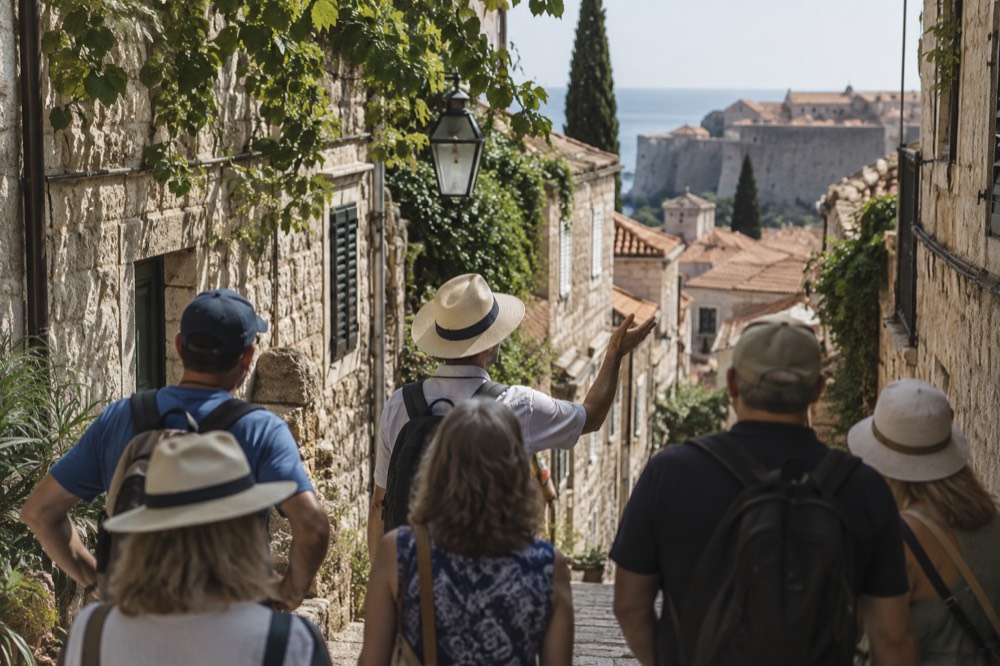
Lokrum, by contrast, is a nature reserve where the peacocks and the botanical planting do the talking, and the cable car is a viewpoint where the only guide you need is a clear sky. The operator states a view range of up to 60 km on a clear day, and no commentary improves that. The middle cases are the walls and the food scene: a walls tour adds the defensive engineering story, and a food walk, from $165.64 per person and rated 5 across 704 reviews, turns dinner decisions into a curated evening.
| Attraction | Guided? | Why |
|---|---|---|
| Old Town core | Yes | The history is invisible without a guide |
| City Walls | Optional but strong | Defensive story, best viewpoints flagged |
| Food scene | Yes | Local kitchens are hard to find alone |
| Lokrum Island | No | A reserve, self-explanatory |
| Cable car | No | A viewpoint, not a story |
| Beaches | No | Swimming needs no narration |
The practical rule I give visitors: book one guided walk for your first morning, then spend the rest of the trip self-guided with the context installed. The walls ticket, the pass and the boat schedules are all simple transactions, and Things to Do in Dubrovnik exists to keep every one of those numbers verified against the operators' own sites, including the walls operator's page at citywallsdubrovnik.hr.
How Much Should You Budget for the Attractions?
The anchor of a one-day attractions budget is the 40 euro one-day pass, which covers the walls, Lovrijenac and ten more sights in main season. Add the 30 euro Lokrum ticket with its boat and the 30 euro cable car round trip, and you have bought every headline attraction in the city for the price of those three tickets.
The good news is that the floor is low. The Old Town, the Stradun, Onofrio's Fountain, the harbour and every viewpoint from the outside of the walls cost nothing, and a pay-what-you-want GuruWalk walk can start at whatever you decide. The 40 euro pass is the pivot of the budget: it either replaces the walls ticket at par, in main season, or it is the wrong purchase in December when the walls ticket alone is 20 euro.
Guided products price in dollars on the live listings, from $20 for the basic Old Town walk to the premium cable car and walking combinations, so mix currencies consciously. The budget floor above assumes you walk a lot, which is the honest way to see this city anyway. For the wider picture including beds and meals, the trip cost guide itemises a full stay.
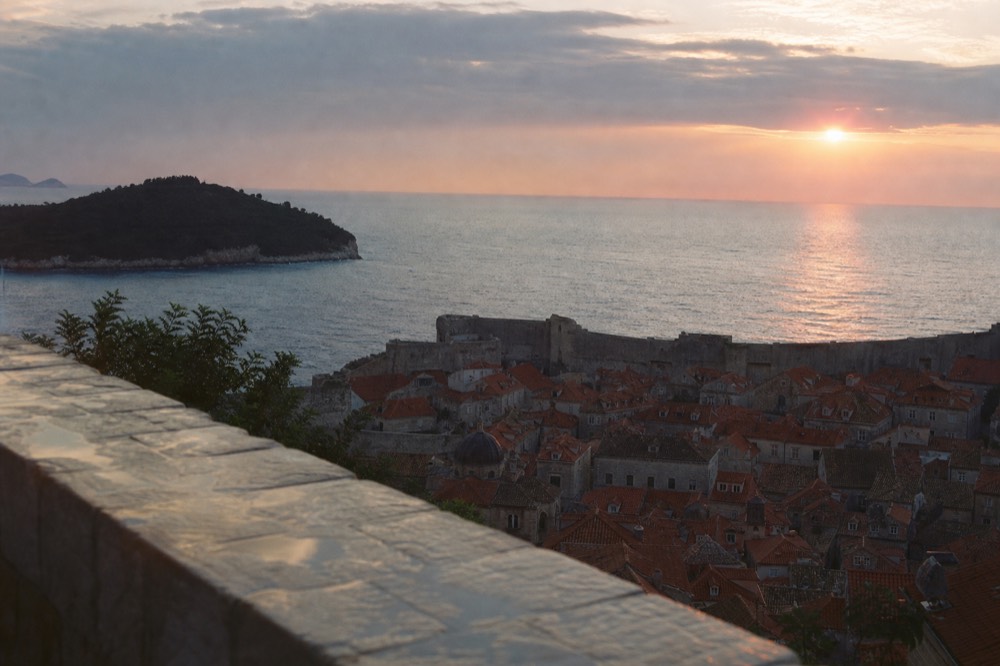
Whatever tier you choose, book the timed things ahead in September and October. Those two months carry more cruise passengers than July and August, and the walks, the boats and the cable car queue all fill on the heavy days. Free cancellation is standard on most live listings, so booking early costs you nothing but ten minutes.
Common Questions About Dubrovnik Attractions
What Attractions Are Free With the Dubrovnik Pass?
The one-day pass at 40 euro covers the City Walls plus Lovrijenac Fortress, the Rector's Palace, the Maritime Museum, the Ethnographic Museum, the Museum of Modern Art, Marin Držić House, the Natural History Museum, the Franciscan Monastery Museum, the Dulčić-Masle-Pulitika Gallery, Pulitika Studio and the archaeological exhibitions, plus a 24-hour bus ticket. Every inclusion is a one-time visit. The pass is sold for the main season, 1 March to 30 November, only.
What Not to Do in Dubrovnik?
Do not walk the walls at midday in high summer, do not drive to the Old Town, do not change large sums at the airport, do not eat on the Stradun at peak hours, and do not plan less than one full day. The walls alone need 2 to 3 hours, and the Old Town hits its crowd peak around 10:00 on cruise days.
When to Avoid Dubrovnik?
Avoid the heaviest cruise days in September and October rather than August: 2025 cruise passengers peaked at 101,246 in September and 100,132 in October, above July's 96,072 and August's 87,385. If your dates are fixed, avoid midday in the Old Town and use early mornings and evenings instead.
Is Dubrovnik Good for Beaches?
Yes, if you accept pebbles and stone rather than sand. Banje, Sveti Jakov and Copacabana are the three to know, and the September average sea temperature is about 23.6 degrees from a 1991 to 2020 open-water average, so swimming comfortably extends past summer. Water shoes help on every beach.
How Much Does It Cost to See the Main Attractions?
The adult walls ticket is 40 euro in main season, 1 March to 30 November, and 20 euro in December, and it includes Fort Lovrijenac. Lokrum is 30 euro including the return boat, and the cable car round trip is 30 euro. The one-day Dubrovnik Pass at 40 euro matches the walls ticket in main season and adds ten more sights plus buses.
Do You Need a Guide for the Dubrovnik Attractions?
You need one for the Old Town and it is worth one for the walls, because the history is invisible without narration. You do not need one for Lokrum, the cable car or the beaches. Guided Old Town walks start from $20 per person, and free pay-what-you-want walks on GuruWalk run daily if the budget is tight.