Best Restaurants in Dubrovnik: Where to Eat and Where to Stay
Dubrovnik's restaurant scene splits along clear lines: polished Old Town terraces, seafood around Ploče, family konobas spreading into Lapad, and everyday eating around Gruž. Here is how the city eats, and where a food-minded visitor should book a bed.
Short answer
The best restaurants in Dubrovnik cluster in four areas: the Old Town for atmosphere and fine dining, Ploče for seafront seafood, Lapad for relaxed family konobas, and Gruž for where locals actually eat. A food and drink walking tour costs from $165.64 per person and is rated 5 across 704 reviews.
Best Restaurants in Dubrovnik: Where to Eat and Where to Stay
Dubrovnik recorded about 4.2 million overnight stays in 2025, sharing first place among Croatian destinations with Rovinj, and a city of 41,562 residents at the 2021 census feeds every one of those visitors. The result is a restaurant scene that is bigger, more varied and more uneven than most towns this size. Some kitchens are superb. Some exist purely to catch a passer-by on the Stradun, the 298-metre limestone street that has fixed the shape of the city since the Statute of 1272 laid out its final plan, according to the Dubrovnik Tourist Board.
I have walked these streets with travellers since 2015, and the single most common mistake I see is not a bad restaurant choice. It is a bad base. Visitors sleep forty minutes from the food they actually want, then eat whatever is nearest to their gate. This guide fixes both halves of that problem: where the good kitchens are, and which neighbourhood puts you within walking distance of them.
Where Are the Best Restaurants in Dubrovnik?
The best restaurants in Dubrovnik sit in four distinct zones: the walled Old Town for atmosphere and the strongest fine dining, Ploče for seafront seafood near the best viewpoints, Lapad for relaxed neighbourhood konobas and café life, and Gruž for the market, the port and the everyday places locals use themselves. Each zone rewards a different kind of eater, and the strongest food trips sample at least two of them.
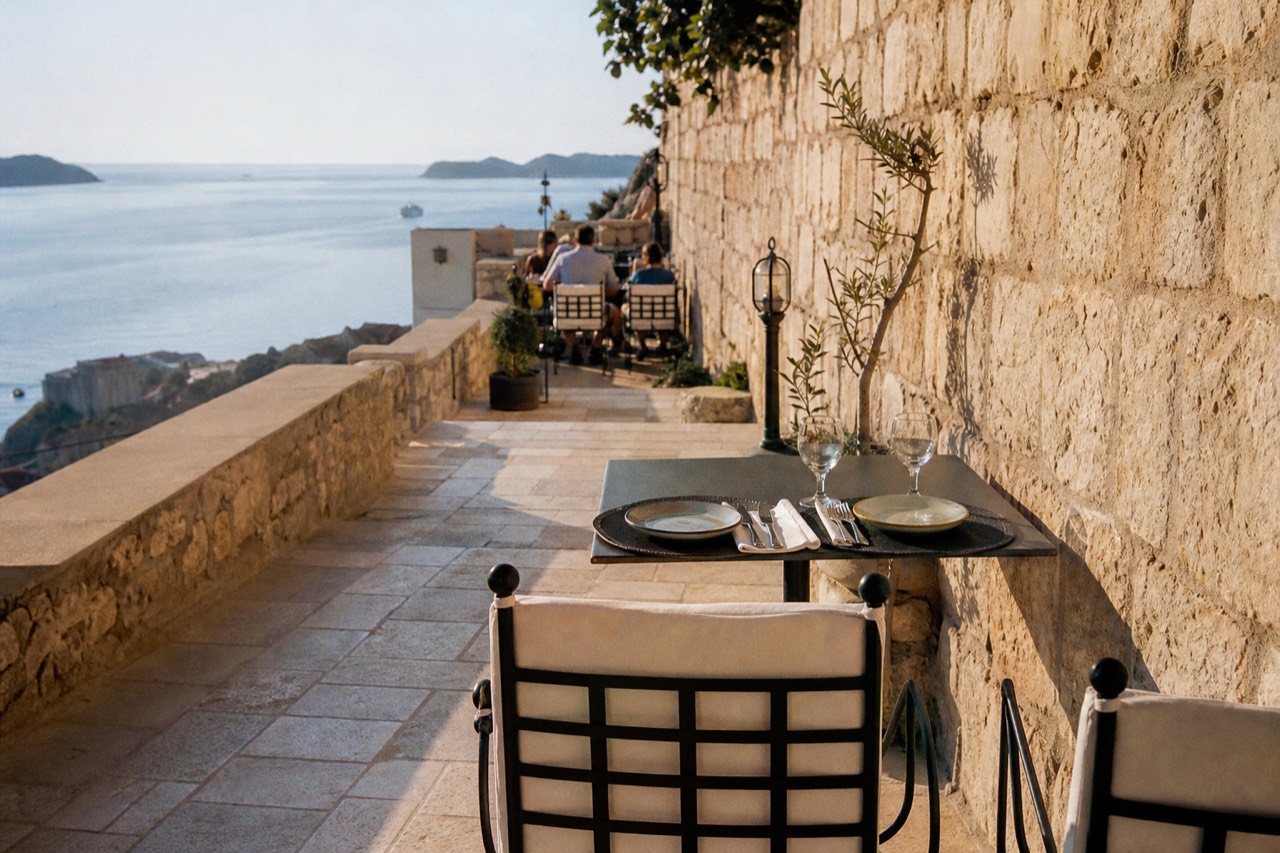
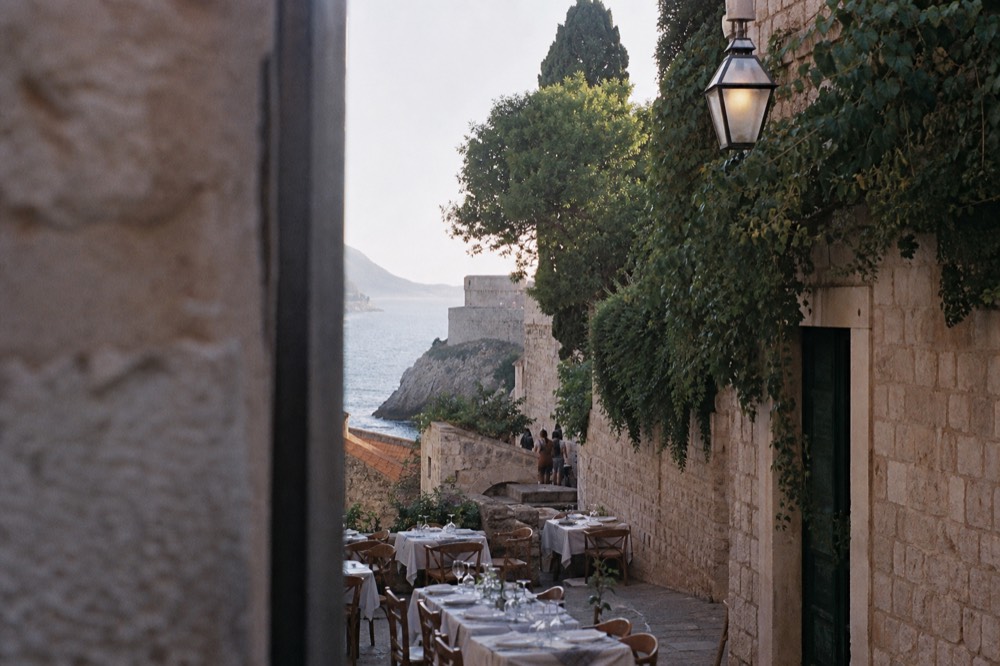
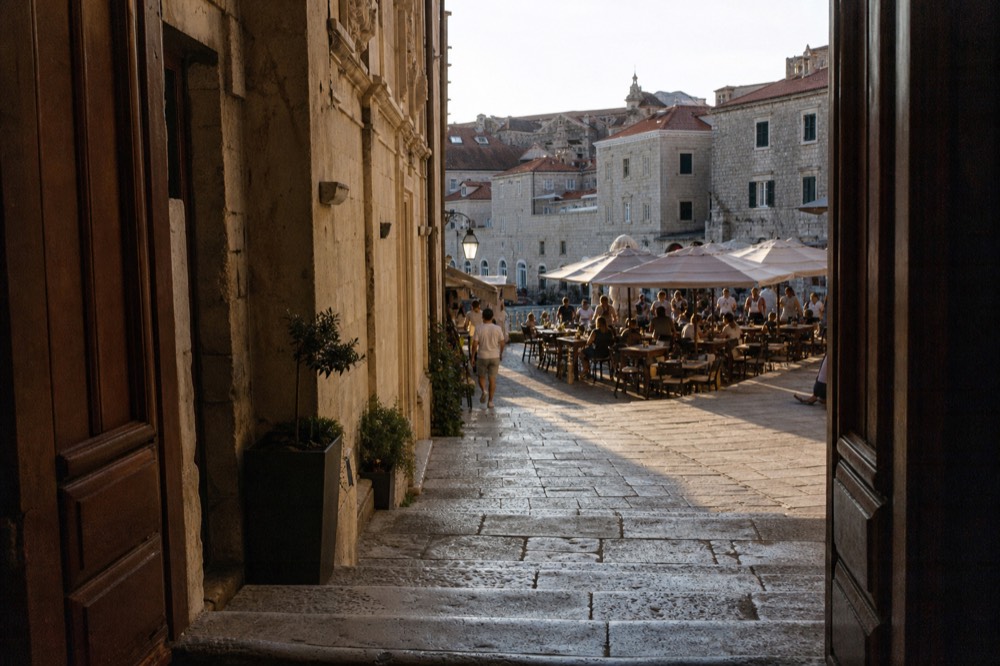
Start with the Old Town, because everyone does. Inside the 24.7-hectare UNESCO property, inscribed in 1979 under criteria (i)(iii)(iv), the dining runs the full range from candlelit tables in former palaces to grab-and-go burek spots feeding the lunchtime crowd. The setting is unmatched: stone walls, hidden courtyards, terraces perched over the Adriatic. The trade-off is price and consistency, because footfall is guaranteed and some kitchens lean on that. The rule I give every visitor is simple: walk fifty metres off the Stradun in any direction and the quality-to-price ratio improves immediately. The parallel lanes of the Old Town hold the city's densest concentration of genuinely good kitchens.
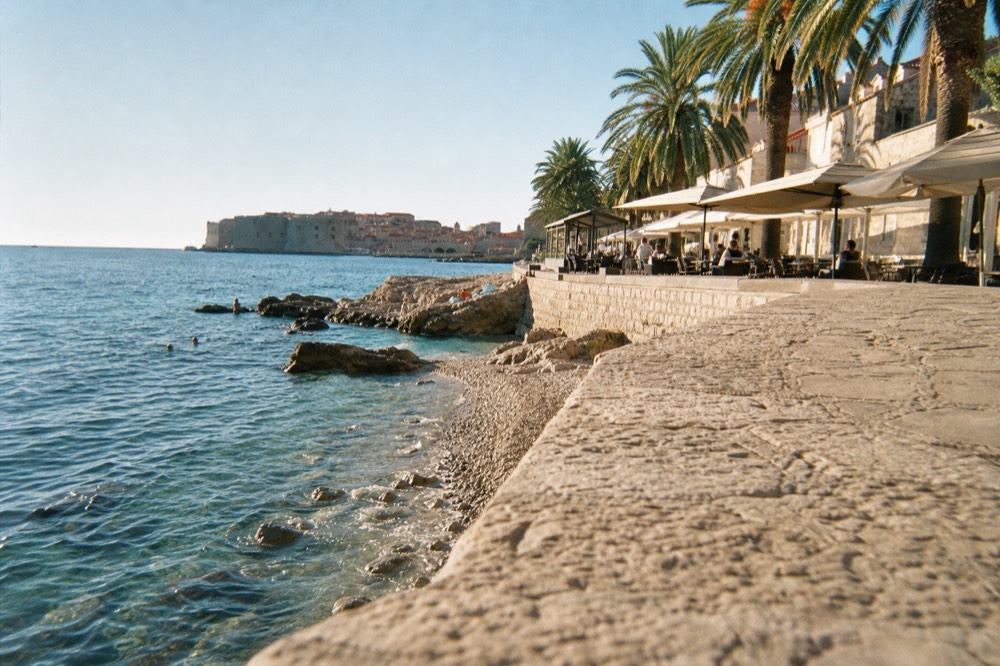
Ploče, on the eastern side, is where the seafront seafood lives. This is the side of town with the best-known beach and the most photographed views, and the restaurant terraces here trade on that backdrop. Expect the freshest fish in the city, grilled simply, at prices that reflect both the catch and the panorama. Lapad is the opposite temperament entirely: a residential peninsula of café terraces, pizzerias and family-run konobas where dinner stretches long and nobody hurries you. If your ideal evening is a slow table under pine trees rather than a view over fortifications, Lapad is your zone.
Gruž, around the cruise and ferry port, is the least glamorous and the most honest eating in the city. The market is here, the buses are here, and so are the bakeries, grill houses and lunch rooms that serve the people who actually live in Dubrovnik. A visitor who eats one dinner in Gruž eats better value than anywhere inside the walls. For a deeper cut on the whole scene, our guide to konoba dining explains the traditional tavern format, and the Michelin restaurants in Dubrovnik page covers the top of the market.
| Area | Strengths | Trade-offs | Best for |
|---|---|---|---|
| Old Town | Atmosphere, fine dining, density of choice | Highest prices, uneven quality on main streets | First-time visitors, special dinners |
| Ploče | Seafront seafood, views, beach proximity | Premium pricing on terraces | Seafood lovers, couples |
| Lapad | Family konobas, cafés, relaxed pace | Bus or long walk to the Old Town | Families, long dinners |
| Gruž | Market, bakeries, local lunch rooms | Little scenery, closes early | Value hunters, repeat visitors |
Which Area of Dubrovnik Is Best to Stay In?
For a food-first trip, the best area to stay in Dubrovnik is the Old Town or its Ploče edge if you want every dinner within a five-minute walk, and Lapad if you want better hotel value, more space and a real neighbourhood around you. Gruž suits travellers who prioritize the market, the port and low prices over atmosphere. Each choice trades convenience against cost in a predictable way.
I have sent travellers to every one of these bases, and the deciding question is always the same: how much do you want to walk after dinner? Inside the walls you are paying a premium to be steps from everything, on cobbled lanes that involve stairs and more stairs. Ploče gives you the eastern gate, the best-known beach and the seafood terraces on foot, with the walls' Pile entrance a longer stroll. Lapad asks you to ride a bus or taxi in for the Old Town evening but hands you a bay, a promenade and honest konoba prices in exchange.
On the hotel side, the choice is concrete rather than abstract. In Lapad, the budget pick is Hotel Komodor, a three-star rated 7.8 out of 10 across 822 Expedia reviews, about a 29-minute walk from the Gruž cruise and ferry port and best paired with the number 6 bus rather than a walk to Pile Gate. The mid-range option in the same neighbourhood is Hotel Lapad, and the luxury statement on the other side of the city is Hotel Excelsior in Ploče, walking distance from the Old Town's eastern gate. Our full where to stay in Dubrovnik breakdown covers every base in more depth.
| Hotel | Neighbourhood | Level | Food-relevant position |
|---|---|---|---|
| Hotel Komodor | Lapad | Budget three-star | Walk to Lapad konobas, bus to Old Town |
| Hotel Lapad | Lapad | Mid-range | Bay promenade dining on the doorstep |
| Hotel Excelsior | Ploče | Luxury | Five minutes on foot to Old Town restaurants |
If you are still shaping the trip itself, these three food-and-walk experiences cover the city from three angles, and the first one doubles as a restaurant scouting mission:
What Is the Best Area in Dubrovnik to Stay for Food?
For pure food access, the best area to stay in is the Old Town itself or the Ploče side of its eastern gate, because both put the city's densest concentration of good kitchens, wine bars and konobas within a short walk of your bed. Lapad is the strong second choice, with its own genuine restaurant scene and better prices, while Gruž wins on market mornings and value lunches.
The argument for sleeping inside or beside the walls is not laziness, it is evening quality. Dubrovnik's restaurant peak runs late, dinner often starting after 19:00 and stretching well past 21:00, and the last thing a good meal needs is a forty-minute bus ride home. From a Ploče base you walk to dinner, walk to a nightcap, and walk home through the Ploče gate in minutes. From inside the walls you may not walk more than two hundred metres all evening. The premium you pay for that base buys back the taxi fares and the energy you would otherwise spend.
Lapad deserves more food credit than it gets. The bay promenade is lined with terraces, the back streets hold the kind of neighbourhood konoba where the menu is short because the kitchen only cooks what arrived that day, and prices run meaningfully below the walled city. Gruž is the insider's base: the Gruž market is the city's food engine, and staying beside it means bakery breakfasts and market fruit as part of daily life rather than a sightseeing stop. For travellers who want the food scene decoded on day one rather than discovered by trial and error over four nights, the Dubrovnik Food and Drink Walking Tour with a Local Guide is the efficient answer: three hours, from $165.64 per person, rated 5 across 704 reviews, and run by FABULA RAGUSEA.
A review from Bryan_M captures exactly what a food walk does for the rest of your stay: "Amazing food tour! Marija was a great guide, full of stories and facts that really brought Dubrovnik to life. The food was delicious, and generous. Wines at every stop. Would highly recommend this tour to anyone visiting Dubrovnik, especially to help get your bearings of the city and know where to go for dinner!"
What Should You Eat in Dubrovnik?
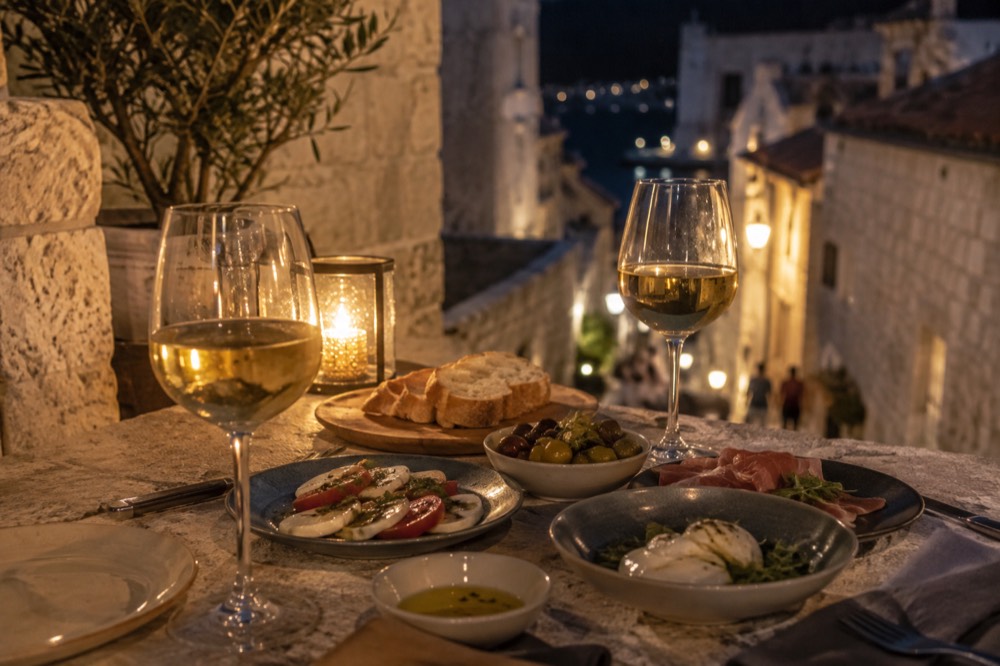
Eat the seafood first: grilled fish, black cuttlefish risotto and shellfish from the nearby Ston region are the core of the local kitchen. Beyond the sea, look for peka, meat and vegetables slow-cooked under a domed metal lid in embers, pasta dishes in the Dalmatian style, and the simple trinity of good olive oil, local cheese and prosciutto that opens most meals here.
The seafood hierarchy is strict and it favours simplicity. A whole grilled fish, priced by the kilo and chosen from the ice or the tank, is the benchmark dish of the coast, and a kitchen that grills fish well will rarely let you down elsewhere. Black risotto, coloured and flavoured with cuttlefish ink, is the dish visitors remember most. Ston, an hour up the coast, supplies oysters and mussels, and the town's shellfish appears on Dubrovnik menus throughout the year; our Ston oysters page covers that story in full.
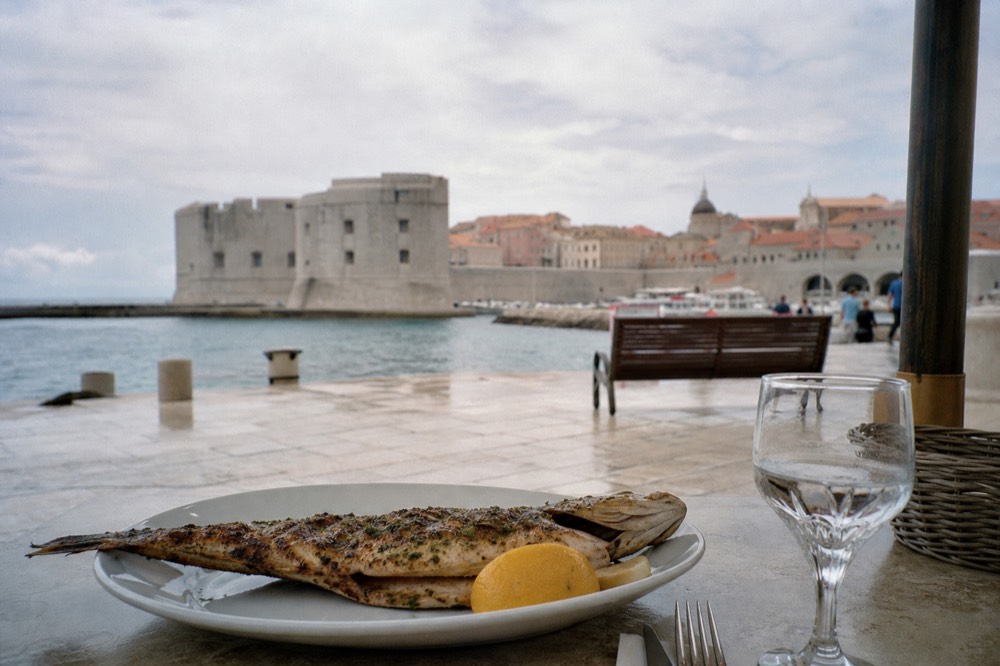
Peka is the commitment dish. It is cooked for hours under a bell-like lid buried in embers, which means most konobas want notice, often a day ahead, before they will make one. That is not a tourist ritual, it is how the coast actually cooks for a family gathering, and a restaurant that lets you order peka on the spot is usually cutting a corner. If you want the full experience with a guide at your elbow, a Peka Cooking Lesson runs about four hours from $159.83 per person. For dessert and drinks, the what to eat in Dubrovnik guide goes dish by dish, and vegetarians have real options, which our vegetarian dining page maps out.
| Dish | What It Is | Where It Shines |
|---|---|---|
| Grilled whole fish | Fresh catch, olive oil, lemon, salt | Seafront terraces in Ploče |
| Black risotto | Cuttlefish ink rice dish | Old Town kitchens |
| Ston oysters | Shellfish from the nearby Ston beds | Seafood konobas, market stalls |
| Peka | Meat and vegetables slow-cooked under an ember-covered lid | Family konobas, ordered ahead |
| Dalmatian platter | Prosciutto, cheese, olives, oil | Wine bars everywhere |
How Expensive Is Eating Out in Dubrovnik?
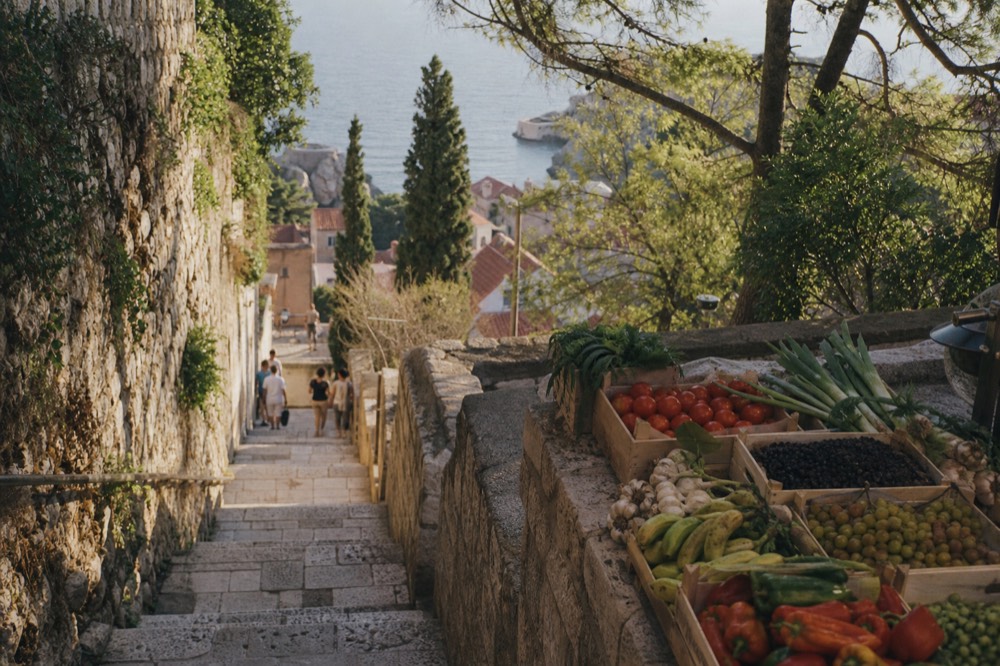
Eating out in Dubrovnik spans a wide band: casual bakery and grill meals stay cheap, konoba dinners with wine sit in the middle, and Old Town and seafront terraces reach the highest restaurant prices in Croatia outside a few luxury outliers. The verified food-experience prices run from $23.66 for a sunset cruise with platter up to $165.64 for the full guided food walk, which frames the top of the market.
Prices inside the walls carry what economists would call a location premium and what locals call the Stradun tax. The same grilled fish costs more on a terrace inside a 13th-century fortification than it does ten minutes away in Lapad, and the difference is not the fish. The honest planning approach is to budget by meal rather than by day: one splurge dinner in the Old Town, one or two relaxed konoba dinners in Lapad or Gruž, and bakery or market lunches in between. That mix delivers the full food scene without paying the maximum price at every table. The wider set of guides lives on Things to Do in Dubrovnik.
For context on the experience side of the food budget, these are the verified food and drink products and their published starting prices. Note that the oyster and mussel lunch in Ston includes its lunch.
| Experience | Length | From (per person) | Rating |
|---|---|---|---|
| Food and Drink Walking Tour | 3 hours | $165.64 | 5 across 704 reviews |
| Oyster, Mussels and Wine in Ston | Day trip with lunch | $157 | 4.9 across 111 reviews |
| Peka Cooking Lesson | 4 hours | $159.83 | Too few reviews for a star claim |
The Konavle Valley trip deserves a special mention for wine drinkers. Eating in the city makes more sense once you have seen where the city's food comes from.
For the everyday restaurant budget question, our is it expensive to eat out in Dubrovnik answer goes into the numbers in detail, and the cheap eats in Dubrovnik page maps the low-cost end of the scene.
Do You Need to Book Restaurants in Dubrovnik?
Yes, in the July-to-October peak you should book dinner tables in advance, especially seafront terraces and any konoba where you want peka, which usually requires a day's notice. In spring, late autumn and winter walk-ins work almost everywhere outside the most famous addresses. Booking is less about scarcity and more about getting the table you actually want.
The crowd mathematics explain why. Dubrovnik's Old Town has an official carrying capacity of 11,275 people, measured by six counters at every entrance that update a headcount every 15 minutes, and on a September morning the count reads 5,419 people at 08:00, 7,297 at 09:00, a 7,739 peak at 10:00 and 7,205 at 11:00. All of those people eat dinner in the same square kilometre. The restaurants with the best tables fill first, and the ones that never fill are the ones you would rather not eat in.
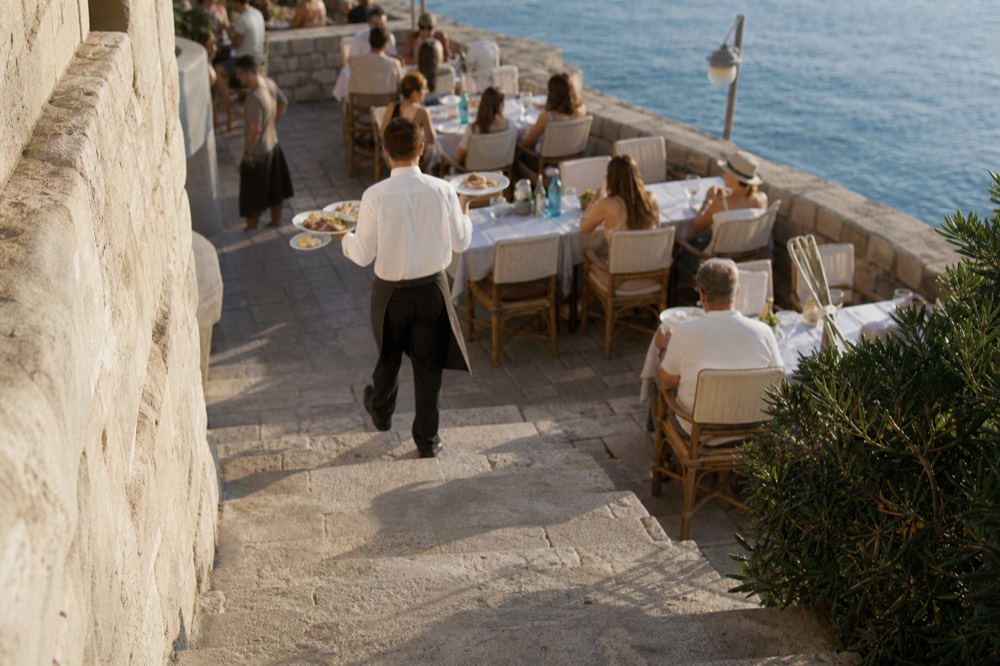
Practical rules: book the splurge dinner and any terrace with a view before you leave home; book peka at least a day ahead wherever you eat it; leave the casual nights flexible and let the market or a bakery decide lunch. If a restaurant takes no booking at all, arrive at opening time rather than at 20:00 and you will usually be seated. Our full do you need to book restaurants in Dubrovnik answer covers the seasonal nuances.
When Are Dubrovnik's Restaurants Busiest?
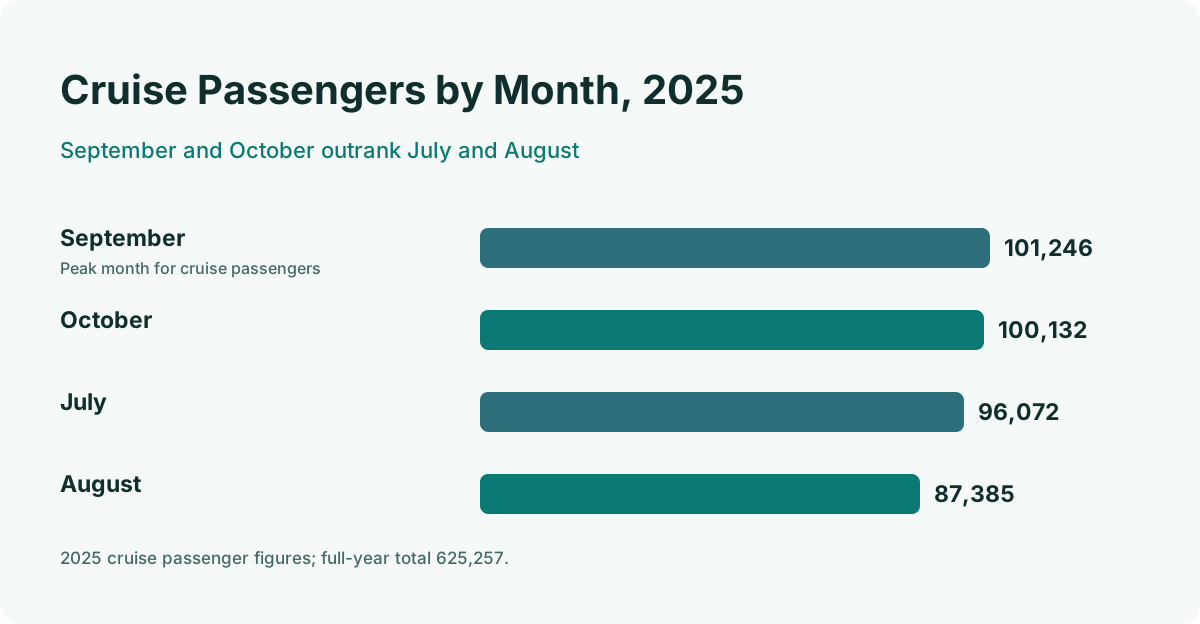
Dubrovnik's restaurants are busiest in September and October, not July and August, because cruise passengers peaked in September at 101,246 and October at 100,132 in 2025, above July's 96,072 and August's 87,385. The full-year 2025 total was 625,257 cruise passengers, and 461 cruise calls are scheduled for 2026.
That September-and-October peak surprises almost everyone, and it is the single most useful planning fact on this site. The trade-off is real: the sea is at its warmest of the accessible shoulder season, the September average for this coast is about 23.6 degrees as a long-run open-water figure, and sheltered bays run warmer still, but the dinner tables are the most contested of the year. Anyone promising you an empty Dubrovnik in September is promising something the Port Authority's own data contradicts.
The Port Authority limits cruise passengers to 8,000 a day in most cases, with a "2+1" berthing arrangement, and of 243 cruise days a year only 18 exceed 8,000 and only 4 exceed roughly 10,000, per the Authority's own crowd-management page. Still, the pattern holds: late September evenings are the busiest tables of the year. If you want warmth, swimmable sea and quieter restaurants together, June or the first half of July is the better window, and our best time to visit Dubrovnik guide works through the whole calendar.
| Month (2025) | Cruise Passengers | Restaurant Pressure |
|---|---|---|
| July | 96,072 | Very high |
| August | 87,385 | Very high |
| September | 101,246 | Highest of the year |
| October | 100,132 | Very high |
| November | 28,480 | Low, many terraces close |
Where Do Locals Eat in Dubrovnik?
Locals eat in Gruž and Lapad, at the konobas and grill houses away from the walled city, and at the market stalls and bakeries around Gruž market that feed the working day. A city of 41,562 residents cannot afford Stradun prices every night, and the kitchens they return to are the best value in the destination.
The pattern repeats in every tourist town, but Dubrovnik's version is unusually clear because the geography sorts people. The walled city is small, walkable and devoted to visitors; daily life happens outside it. Locals buy fish and produce at the Gruž market, take coffee on a Lapad terrace in the morning rather than the afternoon, and celebrate family occasions at konobas in the surrounding villages of the Konavle valley, the same valley the wine-tasting day trips visit. When a Dubrovnik resident eats inside the walls, it is usually a specific table they have known for years.
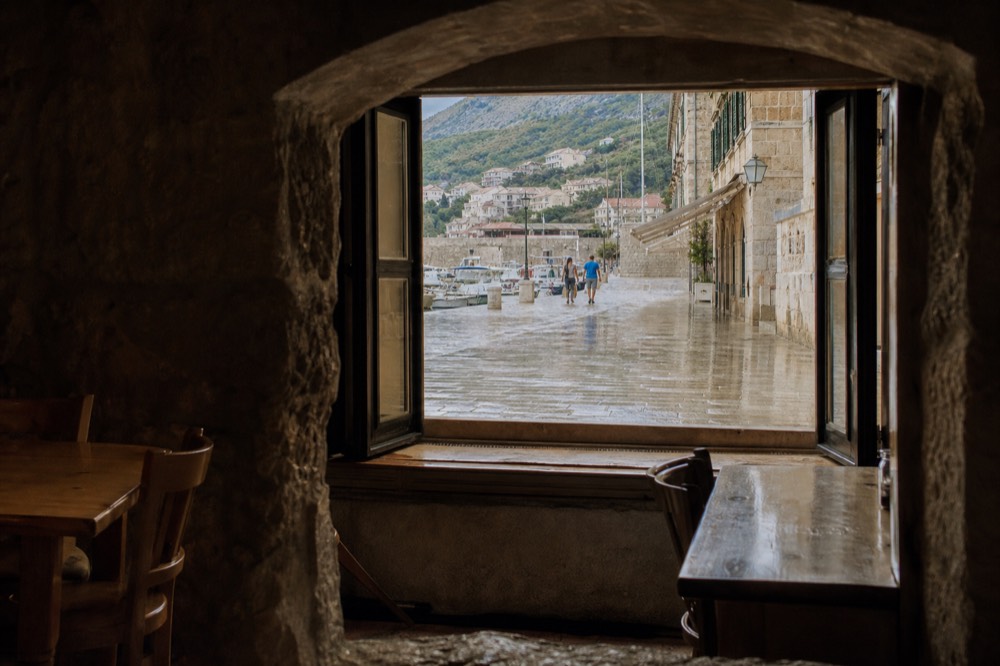
For visitors, the actionable version of this is to plan at least one dinner outside the walls and one market morning. The where do locals eat in Dubrovnik answer names the specific habits and areas, and the restaurants with a view page covers the other half of the equation, the tables you book for the panorama rather than the plate. A good trip does both. And if you want the local food map handed to you on day one, an Old Town walk with a local guide, from $20 per person and rated 4.8 across 5,826 reviews, ends with exactly the kind of dinner recommendations that no online list can match, because the guide eats here too.
Before you lock anything in, these three picks cover the food walk, the wine country behind the city and the classic Old Town orientation walk, and together they cost less than one splurge dinner for two:
Common Questions About the Best Restaurants in Dubrovnik
Where Are the Best Restaurants in Dubrovnik?
The best restaurants cluster in four zones: the Old Town for atmosphere and fine dining, Ploče for seafront seafood, Lapad for relaxed family konobas, and Gruž for market-fresh, everyday value. Walk a few streets off the Stradun for the strongest quality-to-price ratio inside the walls.
Which Area of Dubrovnik Is Best to Stay In?
Stay in or beside the Old Town if you want every dinner within a short walk, in Lapad for better hotel value and a real neighbourhood, and in Gruž for the market and the lowest prices. Hotel Komodor in Lapad, rated 7.8 out of 10 across 822 Expedia reviews, is the budget anchor; Hotel Excelsior in Ploče is the luxury pick beside the Old Town's eastern gate.
what is the best area of dubrovnik to stay in?
For food access specifically, the best area to stay in is the Old Town or the Ploče side of its eastern gate, because both put the densest concentration of kitchens, wine bars and konobas on foot. Lapad is the strong runner-up with its own genuine scene and lower prices.
What Is the Best Area in Dubrovnik to Stay?
The same answer holds: Old Town or Ploče for walkability to dinner, Lapad for space and value, Gruž for the market and the port. The deciding factor is how much you want to walk after a late dinner.
Do You Need to Book Restaurants in Dubrovnik?
Yes, from July to October, especially seafront terraces and anywhere serving peka, which usually needs a day's notice. Outside the peak, walk-ins work nearly everywhere.
When Are Dubrovnik's Restaurants Busiest?
September and October. Cruise passengers peaked at 101,246 in September and 100,132 in October in 2025, above July and August, which makes the shoulder season the busiest time for dinner tables, not the quietest.