Kolocep Island: The Car-Free Elaphiti Day Trip From Dubrovnik
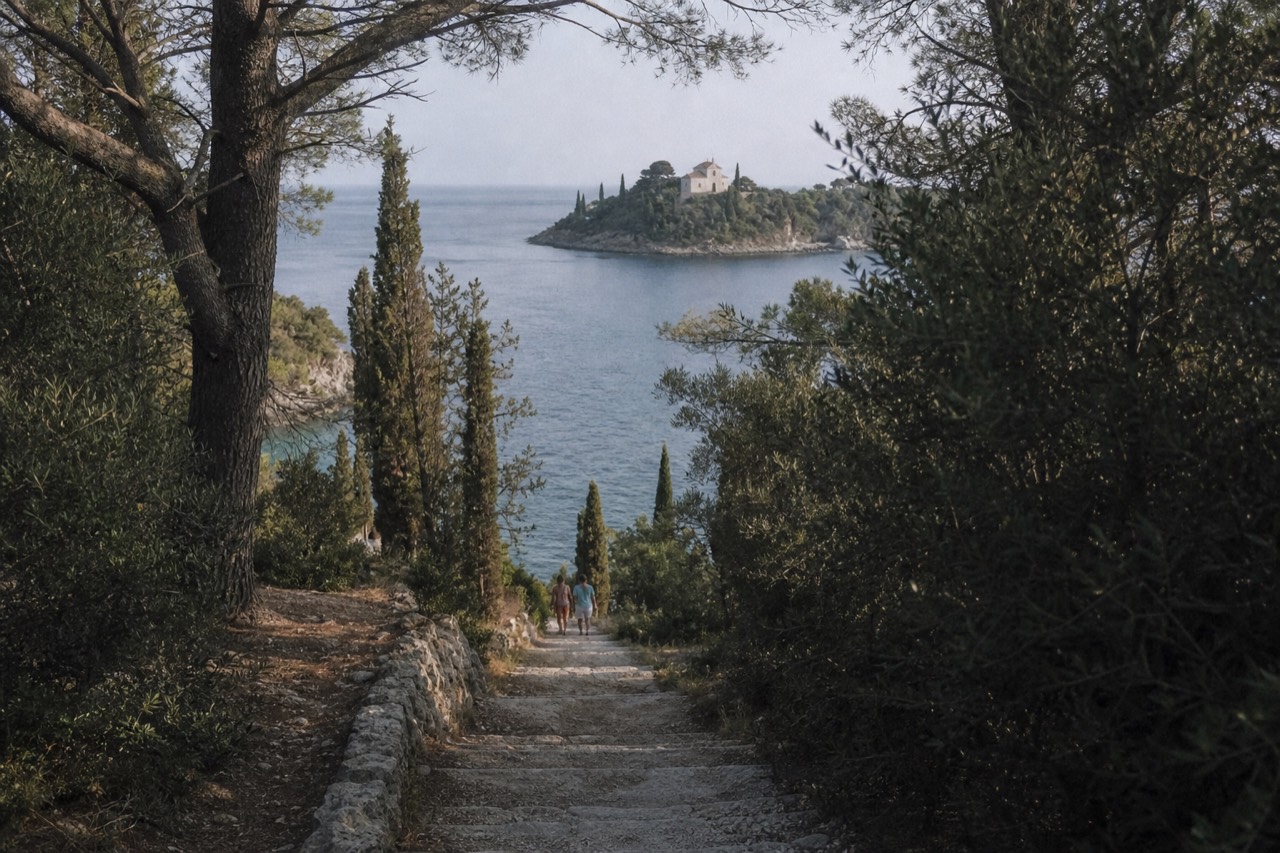
Kolocep is the closest of the three inhabited Elaphiti islands to Dubrovnik, a car-free slab of pine forest and sea caves that most visitors see only from the deck of a boat. Here is how to do it properly, from the Blue Cave to the quiet coves.
Short answer
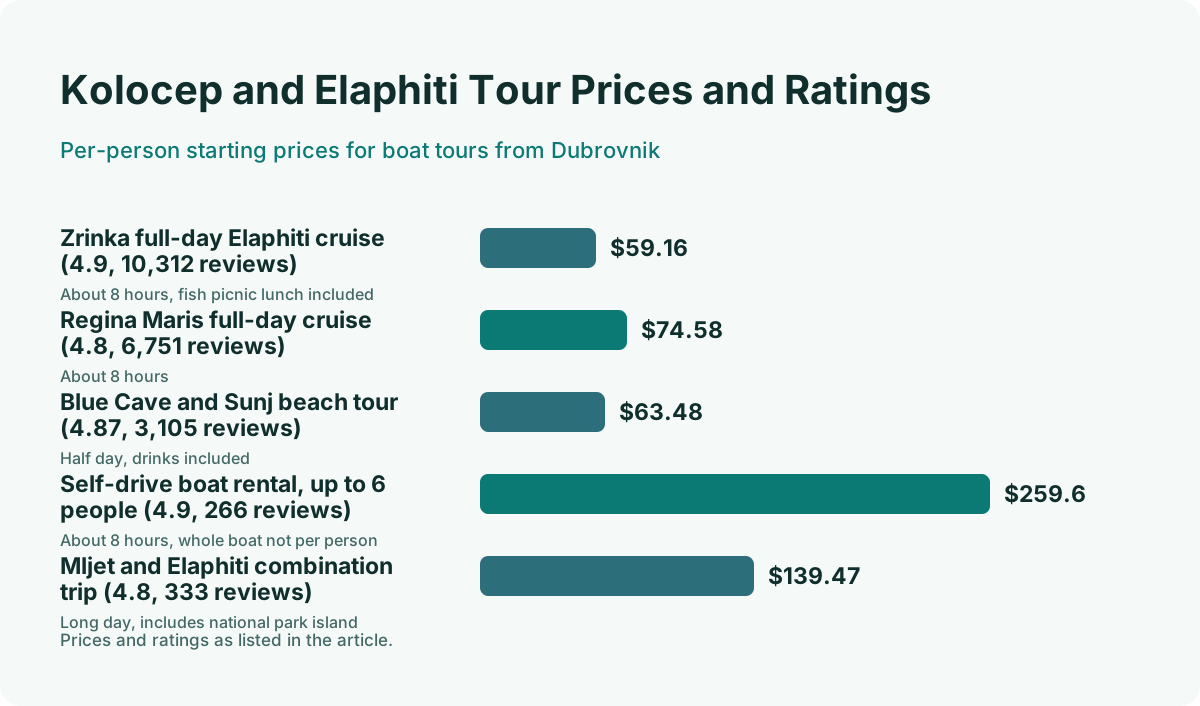
Kolocep island sits in the Elaphiti archipelago a short boat ride from Dubrovnik, has no cars, and its Blue Cave is the headline stop on a boat tour that also calls at Sunj beach on Lopud, from $63.48 per person and rated 4.87 across 3,105 reviews. Full Elaphiti cruises run about 8 hours from $59.16.
Kolocep is the island you see first when any boat leaves Dubrovnik heading northwest: two green humps, no cars, no roads wide enough for one, and a pair of tiny villages hugging the water. Most of the people who "visit" Kolocep do it from a sun lounger on a cruise deck, and honestly, that is a legitimate way to do it. But the island rewards a slower look, and its sea caves, above all the Blue Cave, have become one of the main reasons travellers book a boat day at all.
I have walked the Dubrovnik waterfront at every hour of the day for years, and the one pattern that never changes is this: the people who enjoyed their island day most are the ones who knew which island they were going to and why. This page is that decision, made for you. It covers how Kolocep fits into the Elaphiti chain, what the Blue Cave tour actually gives you, the Split-versus-Dubrovnik question people keep asking about that cave, and what to do with a day on the island itself.
What Is Kolocep Island and Why Go?
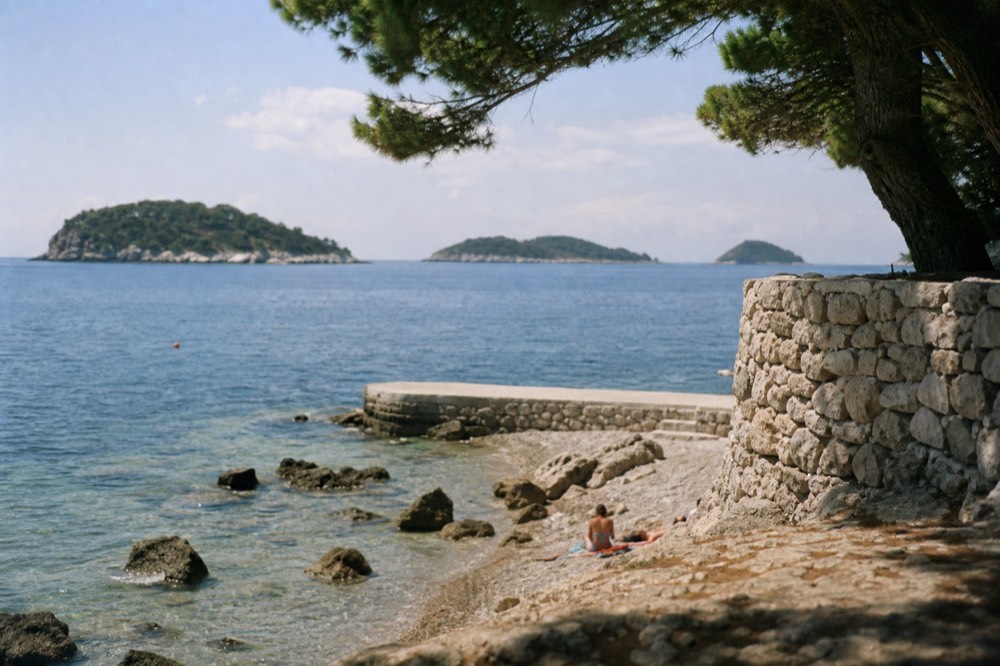
Kolocep is the nearest of the three permanently inhabited Elaphiti islands to Dubrovnik, covering roughly two square kilometres of pine forest, olive terraces and rocky coves, with no cars and no roads, two small harbour villages, and a network of sea caves along its southwest coast that includes the Blue Cave. It is the quietest of the Elaphiti trio, and it is the one you can genuinely have almost to yourself outside peak hours.
The Elaphiti chain runs northwest from Dubrovnik: Kolocep first, then Lopud, then Sipan, the largest and least visited of the three. Kolocep is the smallest of the inhabited three and the greenest per square metre. Its two villages, Gornje Čelo and Donje Čelo, sit at either end of a footpath that crosses the island's waist, and that path, plus the coastal loop, is the whole transport network. Luggage arrives by handcart. Deliveries arrive by boat.
Why go? Because scale matters in Dubrovnik. The Old Town is a UNESCO property of just 24.7 hectares that took 4.2 million overnight stays in 2025, sharing first place among Croatian destinations with Rovinj, and the official carrying-capacity assessment for the historic core puts the acceptable upper limit at 11,275 people. On a busy September day the counters at the six Old Town entrances record a 7,739 peak at 10:00. Kolocep, a short boat ride away, routinely has fewer people on the entire island than pass through the Pile Gate in fifteen minutes.
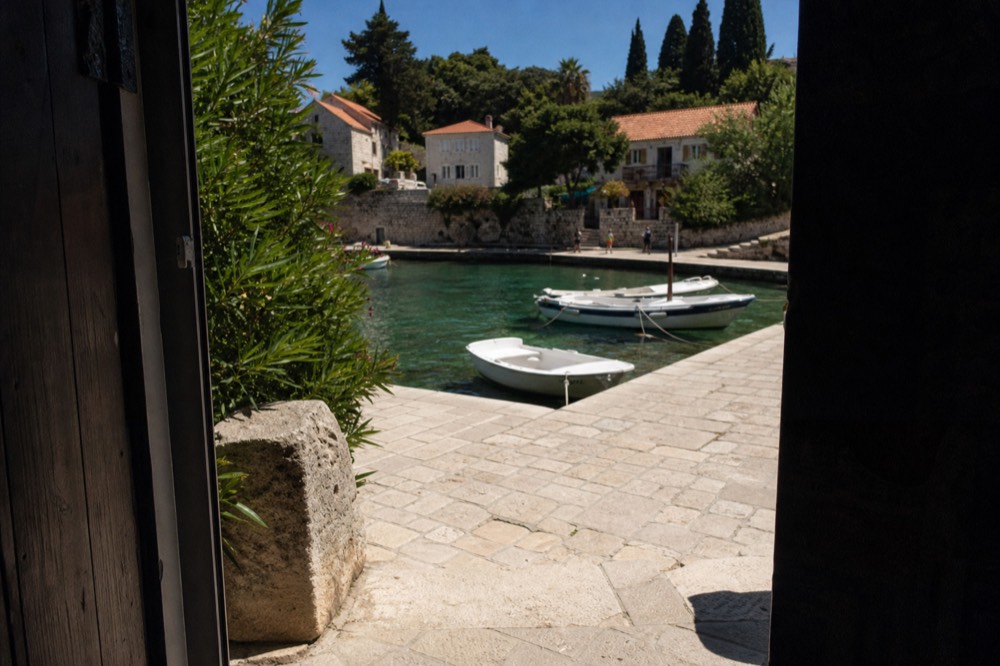
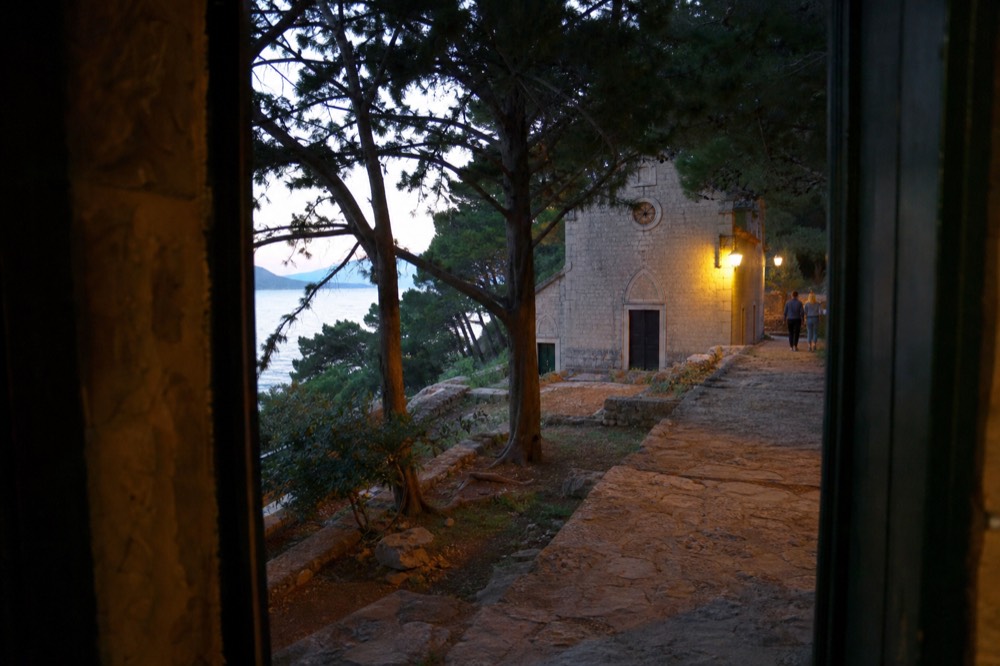
The island's character is maritime and monastic at once. There are old churches tucked into the pines, swimming off flat rocks rather than sand, and a pace that resets your legs after the staircases of the Old Town. If your Dubrovnik itinerary is walls-and-museums heavy, Kolocep is the counterweight.
For the full picture of the chain, read the Elaphiti islands overview, and if you are weighing the middle island instead, the Lopud guide covers its famous sandy beach.
How Do You Get to Kolocep Island From Dubrovnik?
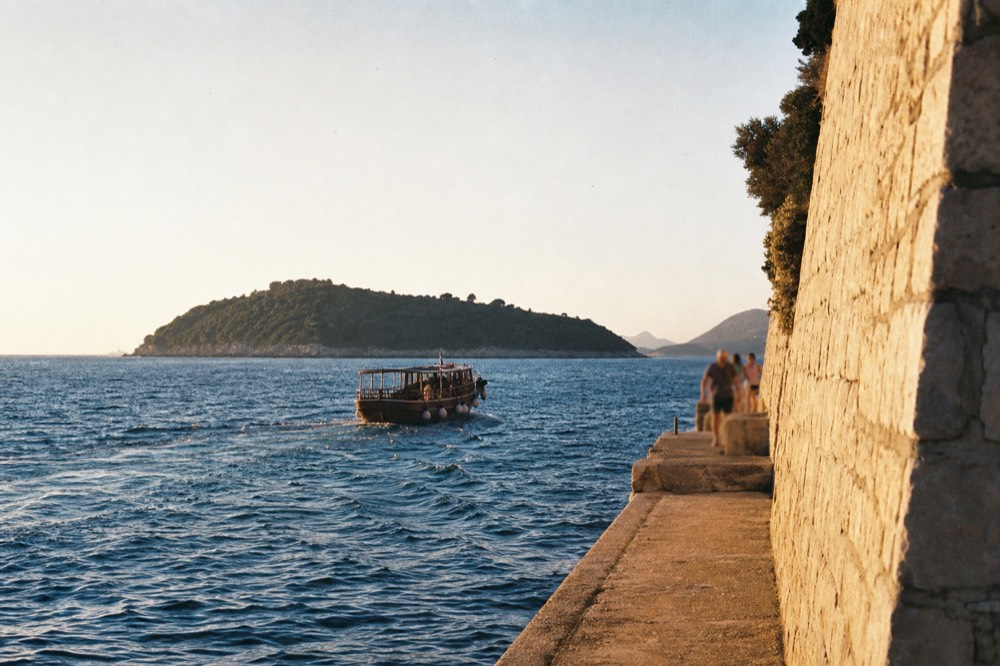
You reach Kolocep three ways: on a full-day Elaphiti cruise that calls at the islands with lunch included, on a dedicated small-boat tour such as the Blue Cave and Sunj beach trip, or independently using the regular local ferry and taxi boats from the Gruž port area. Tours start from $59.16 per person for the full-day cruise; independent travel costs only the ferry fare, which you check at the port.
The tour route is the most popular by a wide margin, and the numbers explain why. The best-reviewed full-day Elaphiti cruise, the Zrinka boat with a fish picnic lunch, runs about 8 hours from $59.16 per person and carries a 4.9 rating across 10,312 reviews, the most reviewed product in the entire Dubrovnik roster. A near-identical day on the Regina Maris, from $74.58 per person and rated 4.8 across 6,751 reviews, gives you a larger ship. Both take the island-hopping logistics off your plate: you board once, and the day unfolds.
Going independently is quieter and cheaper but demands more from you. Local ferries and water taxis serve the Elaphiti islands from the Gruž side of the city, and schedules tighten outside the summer months, so confirm times at the port or with the operator before committing to a return trip. The trade is simple: a tour buys certainty and commentary, independence buys the freedom to leave when the last swim of the day ends on your terms, not the boat's.
One planning note that surprises people: September and October, not July and August, are the busiest cruise months in Dubrovnik. Port Authority data shows 101,246 cruise passengers in September 2025 and 100,132 in October, ahead of July's 96,072 and August's 87,385, with 461 cruise calls scheduled for 2026. If your Kolocep day overlaps a heavy cruise day, the Old Town will feel it far more than the island will, which is one more argument for getting on the water.
| Way to reach Kolocep | Typical duration | Price signal | Best for |
|---|---|---|---|
| Full-day Elaphiti cruise with lunch | About 8 hours | From $59.16 per person | First-timers, families, a full island day |
| Blue Cave and Sunj beach boat tour | Half-day format | From $63.48 per person | Cave and swim focus, drinks included |
| Self-drive boat rental, up to 6 people | About 8 hours | From $259.60 per boat day | Confident crews wanting full freedom |
| Local ferry, independent | Set sailings from Gruž | Check fares at the port | Budget travellers, slow days |
Is the Blue Cave in Croatia Worth It?
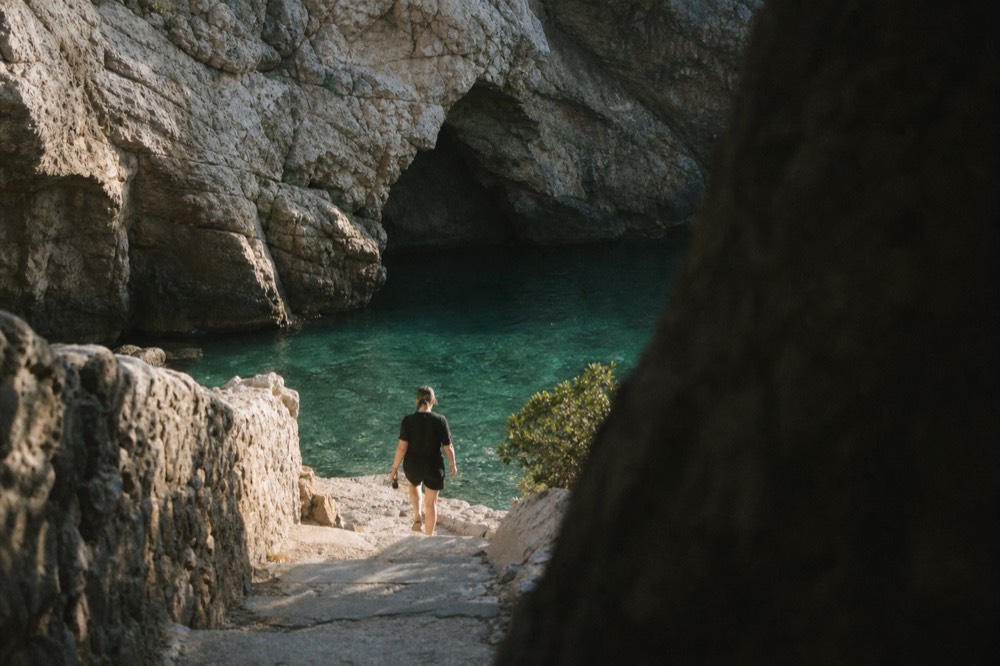
Yes, for most visitors the Blue Cave earns its place: the Dubrovnik Blue Cave and Sunj beach boat tour is rated 4.87 across 3,105 reviews and costs from $63.48 per person with drinks included. The cave's appeal is physical and immediate, sunlight entering through an underwater opening fills the grotto with an electric blue glow that no photograph quite reproduces, and you swim into it rather than view it from a bus window.
The honest caveat is that the experience depends on conditions and timing. The glow is strongest when the sun is high and the sea is calm, so rough weather can dull it or close cave entrances entirely, and operators adjust the route accordingly. That is not a scam, it is the sea. What you control is the booking: a guided tour times its arrival for the best light window and carries the local knowledge of which cave is working on a given morning.
The tour pairs the cave with Sunj beach on Lopud, a shallow sandy bay that is one of the few genuine sand beaches in the Elaphiti chain, and drinks are included in the price. That combination, cave plus beach plus a boat day, is why the product holds a 4.87 rating across 3,105 reviews: it bundles the two best water moments of the archipelago into one half-day. For a deeper look at the cave itself, see the Blue Cave guide.
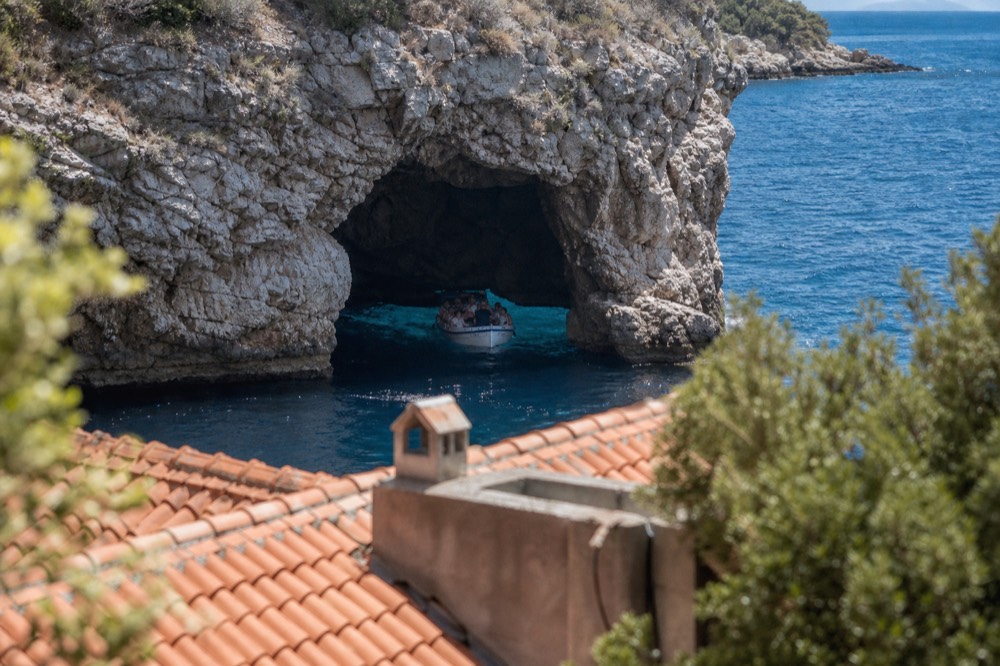
If your question is whether the cave justifies a whole trip, no. If your question is whether it justifies a boat tour you were already considering, yes, emphatically. Reviewers consistently rank it among the memorable moments of a Dubrovnik stay, and the swimming stop structure means even a disappointing cave pass leaves you with a beach and a boat ride you would have paid for anyway.
Is the Blue Cave Closer to Split or Dubrovnik?
The Blue Cave reached from Dubrovnik is a sea cave on the Elaphiti side of the archipelago, visited on short boat tours from Dubrovnik, while the famous Blue Cave on Biševo island, the one most international travellers have seen photographed, lies much closer to Split and Vis. The two share a name and a physics, but they are different caves serving different cities, and confusing them is the most common planning error on this route.
This is worth untangling carefully because search results mix them freely. The Dubrovnik Blue Cave tour in this site's roster is a half-day product from $63.48 per person rated 4.87 across 3,105 reviews, built around a cave in the immediate Elaphiti waters plus Sunj beach. The Biševo Blue Cave near Vis is a different, larger phenomenon, reached by boat from Split or Vis, and it is the one behind most of the postcard images. Distance-wise, Vis sits far up the Dalmatian coast, which puts the Biševo cave firmly in Split's orbit.
So when someone asks "is the blue cave closer to Split or Dubrovnik?", the honest answer splits by cave. The famous one, Biševo, is closer to Split. The one you can actually visit on a Dubrovnik day trip is the Elaphiti cave, and it is very much Dubrovnik's own. If the glowing grotto on your bucket list is the big one, plan it from Split or an overnight on Vis. If what you want is a blue-lit swim with a beach attached and you are staying in Dubrovnik, the local tour delivers it without a coast-long detour.
Is It Better to Go to the Blue Cave From Split or Dubrovnik?
Go from Split if the Biševo Blue Cave is your specific goal, because that cave is only reachable on that coast's boat network and pairing it with Vis or Hvar makes a full and sensible day. Go from Dubrovnik if you are already based here, because the Elaphiti Blue Cave tour from $63.48 gives you the same glow effect, a sandy swim stop and drinks, in a half day rather than a coast repositioning.
The decision is really about your base, not the caves. Nobody should ride a bus for hours along the whole Dalmatian coast to reach a cave they could experience a boat ride from their hotel. Dubrovnik's version is smaller, yes, but it is genuinely accessible: you walk to the Old City harbour area, board, and you are swimming in blue light the same morning. The Split version is grander and farther flung, and it deserves the overnight it practically demands.
There is a middle path worth naming. Travellers building a two-base Croatia trip, Split first then Dubrovnik or the reverse, can do the big cave from Split and the Elaphiti cave plus Kolocep from Dubrovnik, and compare them honestly. For the mechanics of that routing, the Dubrovnik to Split transport guide lays out bus, ferry and private transfer options, and the Split versus Dubrovnik comparison helps you decide how many nights each deserves.
| Factor | Blue Cave from Dubrovnik | Blue Cave from Split |
|---|---|---|
| Which cave | Elaphiti sea cave at Kolocep | Biševo island cave near Vis |
| Tour length | Half-day format | Full day, usually with Vis or Hvar |
| Price signal | From $63.48 per person | Check the live listing from Split |
| Rating on the roster | 4.87 across 3,105 reviews | Not on this site's roster |
| Best for | Dubrovnik-based visitors | Split or Vis-based visitors |
What Else Can You Do on Kolocep Island?
Beyond the cave, Kolocep offers the coastal footpath linking its two harbour villages, swimming off flat rocks in quiet coves, old churches scattered through the pine woods, and sea kayaking along the southwest cliffs where the caves sit. The island has no cars, so every activity is reached on foot or by paddle, and the full crossing of the island takes a leisurely morning. It is a walking-and-swimming island, not an attractions island.
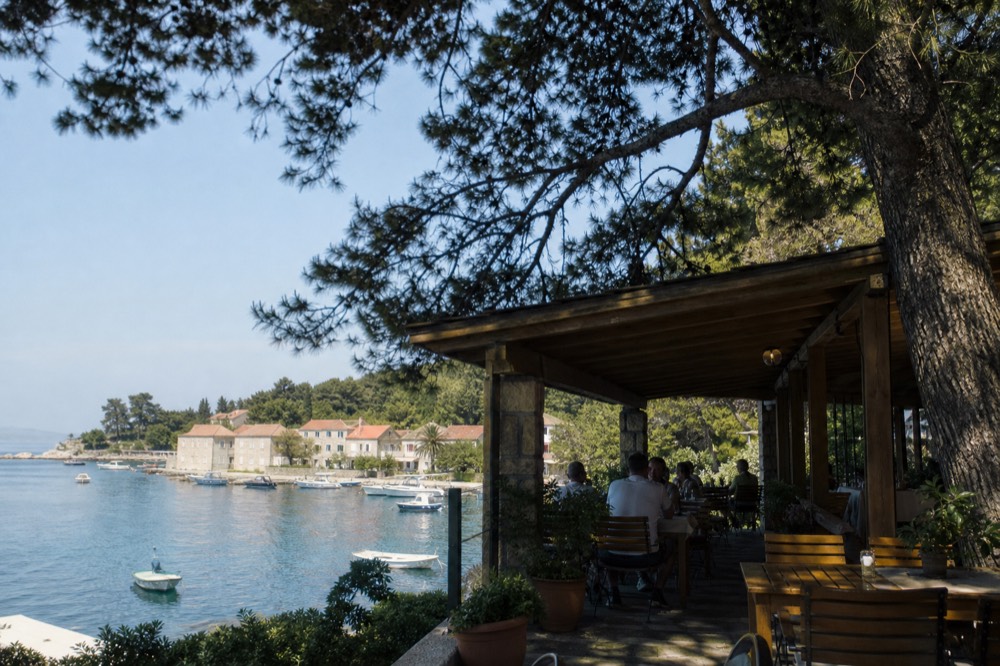
The walk between Donje Čelo and Gornje Čelo is the spine of a visit: a marked path through pines and over a low saddle, with the sea visible on both sides for much of the way. Churches appear where you least expect them, and the villages themselves are a handful of stone houses, a konoba or two, and boats. Bring cash for a simple lunch, because card coverage on small islands is not something to bank on.
Swimming is the other half of the day. The water here is the open Adriatic, and the September long-run average for this coast is about 23.6 degrees, a NOAA 1991 to 2020 open-water climatology rather than a beach thermometer reading, with sheltered bays running warmer, the Croatian met service's own Dubrovnik buoy read 27.0 to 27.4 degrees on 8 September 2026 against that 23.6 mean. In plain terms: in high season you will swim comfortably, and in a sheltered cove even more so.
| Month | Sea temperature average | Swimming verdict |
|---|---|---|
| May | 18.6 degrees | Brief dips for the brave |
| June | 22.5 degrees | Comfortable swimming begins |
| July | 24.9 degrees | Peak swimming |
| August | 25.8 degrees | Warmest water of the year |
| September | 23.6 degrees | Excellent, with thinner crowds |
| October | 21.0 degrees | Still swimmable early in the month |
Kayaking is the most underrated way to meet Kolocep's cliffs. Paddle tours from Dubrovnik reach the Lokrum and Betina cave stretch, and the same logic applies to the Elaphiti shoreline: caves and rock faces that a walking visitor never sees open up at water level. If that appeals, the kayaking guide covers the routes, and the question how long does it take to kayak from Dubrovnik to Lokrum island answers the closest-to-shore version of it.
Should You Rent Your Own Boat for the Day?
Yes, if you're a group of four to six with some boat handling experience: renting a self-drive boat for up to 6 people, from $259.60 for about 8 hours and rated 4.9 across 266 reviews, beats a guided tour on per-person cost while giving you full control of the route and schedule. For one or two travelers, or anyone lacking boat handling experience, the guided tour is the smarter buy.
The arithmetic is the whole argument. At $259.60 split six ways, a self-drive day costs less per person than the $63.48 Blue Cave tour, and you are not bound to anyone's timetable. The cave, the beaches, the villages: you sequence them. What you give up is the guide's local read on conditions, and that matters around sea caves, where swell and light decide what is safe and what is worth entering.
Be honest about your competence before booking. Small rental boats in this area are typically handled without a licence requirement, but handling a boat in open water, mooring in a small harbour and reading the afternoon wind are real skills. If the sea state turns, a guided tour has a skipper who makes the call; a self-drive crew has you.
Kolocep, Lopud or Sipan: Which Elaphiti Island Suits You?
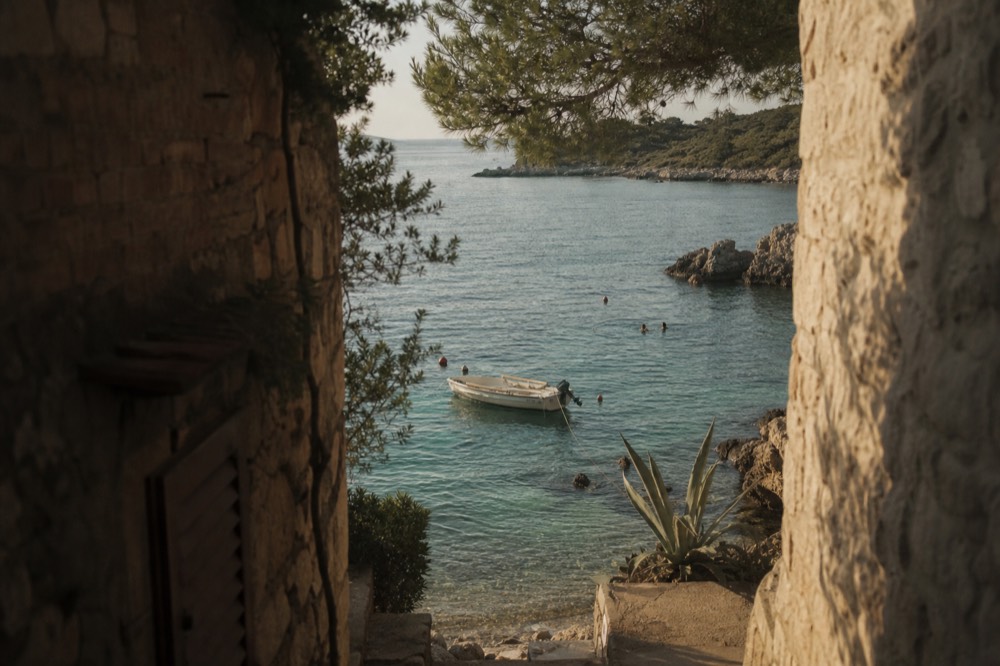
Kolocep suits swimmers, walkers and anyone who wants the smallest, quietest, greenest island with cave swimming on its doorstep. Lopud suits families and beach lovers thanks to Sunj's sand, and Sipan suits cyclists, food-focused visitors and anyone who wants konobas and olive groves over crowds. Most full-day cruises give you a taste of all three, which is exactly why they dominate the route.
Choosing one island is only necessary if you are travelling independently. The cruise logic is different: you board once and sample the chain, with lunch and drinks handled, which is why the Zrinka boat's 4.9 rating across 10,312 reviews is not an accident. The single-island logic rewards a specific interest. If your interest is caves and quiet water, that is Kolocep. If it is a sandy beach where children can stand waist-deep for fifty metres, that is Lopud and Sunj. If it is lunch under vines with a bicycle afterwards, that is Sipan.
| Island | Character | Headline draw | Best fit |
|---|---|---|---|
| Kolocep | Smallest, car-free, heavily wooded | Blue Cave and cliff swimming | Swimmers, walkers, quiet seekers |
| Lopud | Car-free, most visitor infrastructure | Sunj sandy beach | Families, beach days |
| Sipan | Largest, quietest of the three | Konobas, olive groves, cycling | Food and slow travel fans |
For travellers with more than one day to spend on the water, the Mljet and Elaphiti combination trip, from $139.47 per person and rated 4.8 across 333 reviews, stretches the same idea south to the national park island. It is a long day, but it is the efficient answer to "I want the islands and I want the park".
What Does a Kolocep Day Cost, and How Should You Plan It?
A guided Kolocep-and-Blue-Cave day runs from $63.48 per person with drinks included, a full Elaphiti cruise with lunch runs from $59.16, and a self-drive boat for up to six runs from $259.60 for the boat, while an independent ferry day costs little beyond the fare and lunch. Plan around the morning light for the cave, the afternoon for the beach, and book ahead in July, August and September.
The budget spread is wide but predictable. The tour tier buys logistics, the independent tier buys freedom, and the rental tier splits the difference for groups. What nobody should economise on is timing: the cave glow is a midday phenomenon, so a morning departure that reaches the cliffs by late morning beats a lazy start, and the beach stop is better in the afternoon heat anyway.
| Day plan | From price | Rating signal | Booking advice |
|---|---|---|---|
| Blue Cave and Sunj beach boat tour | $63.48 per person | 4.87 across 3,105 reviews | Book ahead in peak months |
| Full-day Elaphiti cruise with lunch | $59.16 per person | 4.9 across 10,312 reviews | The most reviewed option, fills first |
| Regina Maris full-day cruise | $74.58 per person | 4.8 across 6,751 reviews | Larger ship alternative |
| Self-drive boat, up to 6 people | $259.60 per boat | 4.9 across 266 reviews | Best per-person value for groups |
| Independent ferry day | Fare plus lunch | Not applicable | Confirm return sailing times |
The last planning decision is simply which day. Check the cruise schedule if you want to dodge the biggest ship days, and remember that the island absorbs crowds far better than the Old Town does. A busy day in Dubrovnik is still a quiet day on Kolocep, and that asymmetry is the whole reason this page exists. For everything else the city offers beyond the islands, start with Things to Do in Dubrovnik and work outward from there.
Common Questions About Kolocep Island
Is the Blue Cave in Croatia Worth It?
For most visitors, yes. The Dubrovnik Blue Cave and Sunj beach tour is rated 4.87 across 3,105 reviews and costs from $63.48 per person with drinks included, and the cave's blue glow plus a sandy swim stop make it one of the better-reviewed water days in the region. Conditions affect the glow, so a calm, sunny morning gives the strongest effect.
Is the Blue Cave Closer to Split or Dubrovnik?
The famous Biševo Blue Cave near Vis is closer to Split and is not a practical day trip from Dubrovnik. The Blue Cave visited from Dubrovnik is a different sea cave in the Elaphiti waters off Kolocep, reached on a short boat tour. Two caves, one name, and knowing which one you are booking is the key planning step.
Is It Better to Go to the Blue Cave From Split or Dubrovnik?
Go from Split if the Biševo cave is your specific goal, since it sits in that coast's boat network and pairs naturally with Vis or Hvar. Go from Dubrovnik if Dubrovnik is your base, because the Elaphiti Blue Cave tour from $63.48 delivers the glow, a beach stop and drinks in a half day with no coast-long transfer.
How Do You Get to Kolocep Island From Dubrovnik?
Three ways: a full-day Elaphiti cruise with lunch from $59.16 per person, a dedicated Blue Cave and Sunj beach boat tour from $63.48, or the local ferry and taxi boats from the Gruž port area if you are travelling independently. Tours handle the timing; the ferry gives you freedom at the lowest cost.
Does Kolocep Island Have Cars or Roads?
No. Kolocep has no cars and no roads for them, just footpaths linking its two harbour villages through the pine woods. Everything on the island, including luggage and deliveries, moves on foot or by boat, which is a large part of its quiet appeal.
Can You Swim on Kolocep Island in September?
Yes. The September long-run average for this coast is about 23.6 degrees, an open-water climatology figure rather than a beach reading, and sheltered bays around the islands run warmer, the Dubrovnik buoy recorded 27.0 to 27.4 degrees on 8 September 2026. September swimming is excellent and the summer heat has eased.