Is 7 Days in Dubrovnik Too Much?
A week in Dubrovnik is not too much if you plan day trips, islands and beaches around the Old Town. Here is how to fill seven days well.
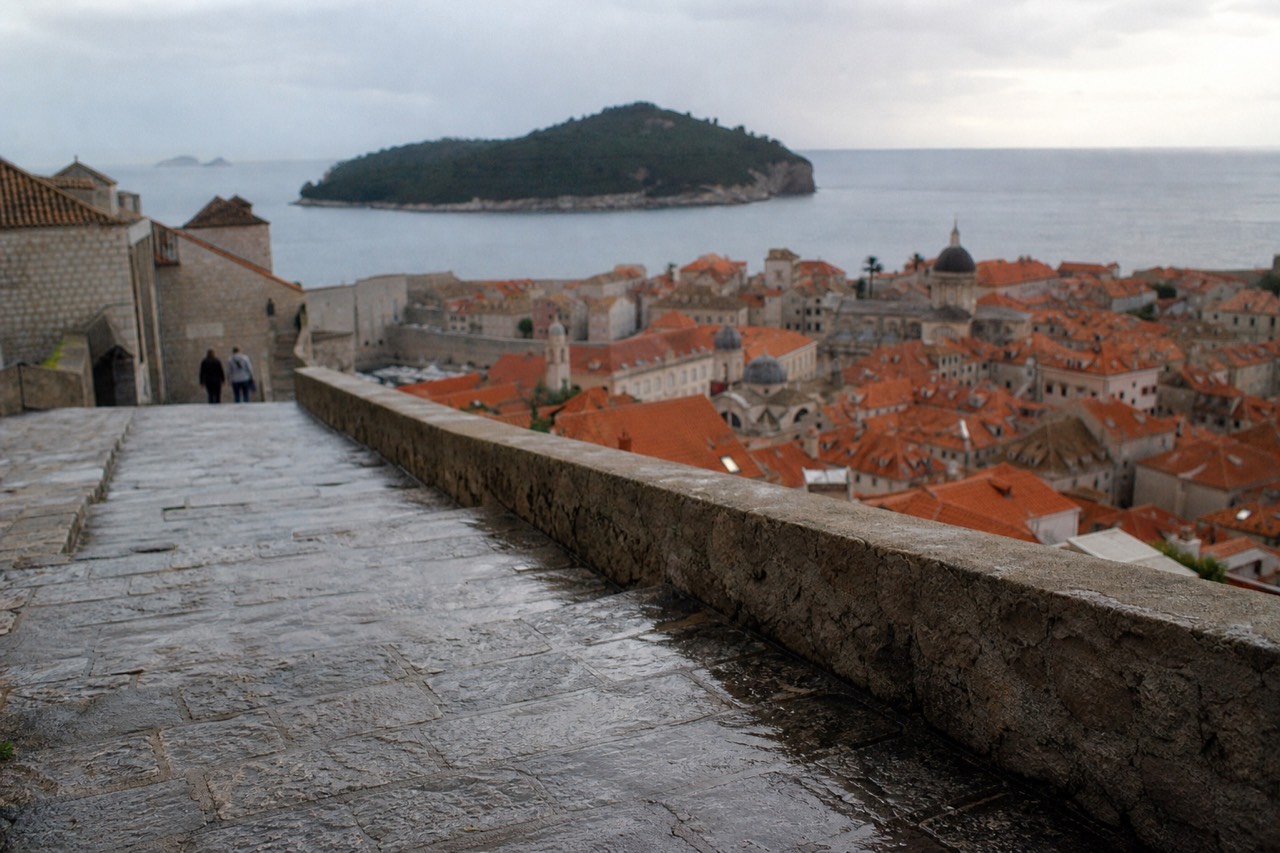
Is 7 Days in Dubrovnik Too Much?
No, seven days is not too much for Dubrovnik, provided you stop treating the Old Town as the entire destination. The walled city itself is a two-day experience at most, but the surrounding region, Lokrum, the Elaphiti islands, Cavtat, Trsteno, Mostar and the Pelješac peninsula, fills the rest of a week comfortably. Travellers who complain a week is long are the ones who spent all seven days walking the same three streets.
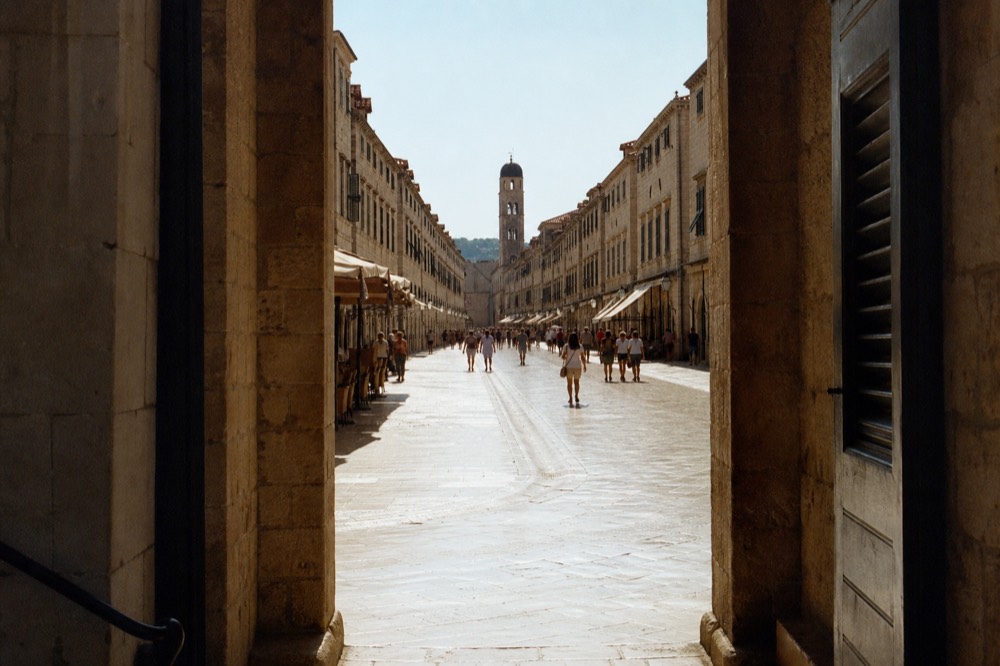
I get this question constantly from people planning their first Croatian trip, and my answer is always the same: the length is not the problem, the plan is. Dubrovnik is a small city, 41,562 inhabitants at the 2021 census, and the UNESCO-listed Old Town covers just 24.7 hectares. You can walk the Stradun, all 298 metres of it, in a few minutes. What makes a week work is that Dubrovnik sits inside one of the densest day-trip networks on the Adriatic: three inhabited Elaphiti islands, a forested nature reserve ten minutes offshore by boat, a walled town in Bosnia with a waterfall attached, Montenegro's fjord-like bay, and a wine peninsula, all reachable without ever moving hotels.
The honest framing is this: two days covers the city proper, days three and four add the sea and the islands, and days five to seven are where the trip becomes something bigger than Dubrovnik. If you would rather sleep in one bed all week and still see a lot of the southern Adriatic, a week here is a genuinely good design. If your only interest is the Old Town itself, three days is plenty and the extra four will feel like padding.
One planning fact changes how you should distribute the week: the crowds do not peak in July and August the way everyone assumes. Port Authority data shows cruise passengers in 2025 peaked in September at 101,246 and October at 100,132, above July's 96,072 and August's 87,385. A week in shoulder season, lovely as the weather is, will share the lanes with more cruise visitors than a week in high summer, so build quiet mornings into the plan.
Start the week the way I start every recommendation: with a proper orientation walk. For a fuller discussion of trip length generally, our guide on how many days you need in Dubrovnik breaks the question down by travel style.
Is 3 Days in Dubrovnik Too Much?
Three days is not too much; it is the minimum sensible stay and the sweet spot for a first visit built around the Old Town. Day one for the streets and the Stradun, day two for the city walls and Fort Lovrijenac, day three for Lokrum or a beach afternoon. What three days cannot absorb is the Elaphiti islands, Mostar, Montenegro or the wine country, so a three-day trip is a city trip and should be planned as one.
If your holiday is exactly one long weekend, three days is the right answer, not a compromise. The walls circuit alone, 1,940 metres with climbs and photo stops, takes most of a morning, and the 40 euro adult ticket in main season, 1 March to 30 November, also covers Fort Lovrijenac across the bay, which deserves an hour of its own. Add the Rector's Palace, a swim, and an evening on the Stradun, and the three days are full without anything being rushed.
The mistake people make with three days is trying to bolt on a day trip. Mostar and Kravica, Montenegro, even Mljet National Park, all consume eleven or twelve hours door to door. Do that on day two of a three-day trip and you have effectively given Dubrovnik itself a day and a half, which is not enough for the walls plus the Old Town plus any downtime. If a border day trip is the priority, you want five days minimum, and that is the honest dividing line between a short and a long stay.
For a deeper comparison of the short-stay options, see our answer on whether three days is too much. The short version: three days is too much only for travellers who planned nothing beyond the walls, and it is exactly right for everyone else on a city break.
Is 4 Days in Dubrovnik Too Much?
Four days is not too much and is arguably the best single length for a first visit. It gives you the Old Town, the walls, Lokrum and one full-day excursion, either an Elaphiti islands cruise or a Mostar day trip, without the pace feeling rushed. Four days is where Dubrovnik stops being a sight and starts being a place you have actually lived in for a while.
The fourth day is the one that changes the character of the trip. With three days you see Dubrovnik; with four you see Dubrovnik plus one of the two things people remember longest: the islands or the border country. A full-day Elaphiti cruise, the most reviewed of which carries a 4.9 rating across 10,312 reviews, gives you Koločep, Lopud and Šipan, a fish picnic lunch and a swim stop, all from the Gruž or Old Port departure points. The alternative is Mostar and the Kravica waterfalls in Bosnia and Herzegovina, a long day from $35 per person on the budget end of the roster and rated 4.6 across 10,019 reviews.
Four days also absorbs the one thing a shorter trip cannot: a bad-weather morning. The walls in rain are miserable and the cable car is pointless in cloud. With four days you simply swap the outdoor day and the indoor day, museums in the rain, the walls in the sun, and lose nothing. With three days a rainy morning costs you the walls entirely or sends you up them anyway in anoraks.
The walls themselves deserve their own guided treatment if history matters to you. The Ancient City Walls and Wars walking tour runs about two hours from $29.58 per person, rated 4.8 across 1,387 reviews, and it is the tour I would point a first-timer at, because the wall's story, the sieges, the 1660 completion of the final bastion, is the difference between a photo walk and an education.
This well organized tour helped put Dubrovnik's past (and present) into perspective. It's incredible that the city walls have withstood the test of time. Antun was a wonderful guide.
linda_a
A quick note on tickets, because it affects every plan length. The walls operator, the Society of Friends of Dubrovnik Antiquities, sells exactly two paid ticket types, adult and child 7 to 18, with under 6 free, and there is no family ticket. The one-day Dubrovnik Pass costs the same 40 euro as the standalone walls ticket in main season and adds ten more sights plus a 24-hour bus ticket, which is why I usually steer four-day visitors toward the pass on their walls day. In December the standalone ticket drops to 20 euro and no pass tier is on sale at all, so the comparison only holds in the main season. Full details are in our Dubrovnik Pass guide, and the operator's own pages are at citywallsdubrovnik.hr and dubrovnikpass.com.
What Does a Full Week in Dubrovnik Actually Look Like?
A well-planned week splits into three blocks: two days of city, two days of sea and islands, and three days of bigger excursions and rest. The classic shape is walls and Old Town, Lokrum, an Elaphiti cruise, Montenegro or Mostar, a wine afternoon, and a final slow day for the beach and anything the weather stole. Seven days stops feeling long the moment day five has a boat in it.
Here is the week I would write for a first-time visitor, and it is close to what I sketch for friends. It assumes nothing more energetic than walking, swimming and sitting on boats.
| Day | Focus | The shape of it |
|---|---|---|
| 1 | Old Town orientation | Guided walk in the morning, Stradun, Rector's Palace, sunset from the walls-adjacent bars |
| 2 | City walls and Lovrijenac | Walls at 08:00 opening before the crowds build, Fort Lovrijenac after lunch |
| 3 | Lokrum | Boat from the City Harbour, botanical gardens, swimming, back by late afternoon |
| 4 | Elaphiti islands cruise | Full-day boat with lunch, swim stops at Lopud's Šunj beach |
| 5 | Montenegro or Mostar | Border day trip, Kotor Bay or the Old Bridge and Kravica falls |
| 6 | Wine and Ston | Pelješac peninsula, oysters in Ston, plavac mali tastings |
| 7 | Slow finish | Beach morning at Banje or Copacabana, cable car at golden hour, farewell dinner |
Two things make this week work better than the version most people improvise. First, put the walls on the earliest possible morning: the counter data shows the Old Town climbing from 5,419 people at 08:00 to a 7,739 peak at 10:00, and the wall path is narrow. Second, front-load the city and back-load the sea, because the sea days are weather-tolerant and the city days are not; if a storm takes out day six you swap in the museums and lose a tasting instead of the walls.
The cable car earns its slot on the last evening rather than an arbitrary afternoon. The ride covers 778.2 metres of track in three and a half minutes, lifting you 367 metres to the upper station at 405 metres above sea level, and the operator claims a view range of up to 60 km on a clear day. An adult round trip is 30 euro in 2026, with children 4 to 12 at 8 euro and under 4 free. From late June through mid-September it runs until midnight, which makes a post-dinner ascent one of the best free-feeling moments of the week even though it is not free at all.
For the Lokrum day, the practical facts are simple. The ticket is 30 euro per person and covers both the reserve entry and the return boat transfer, whether you ride the official boat or arrange your own transport. Boats leave the City Harbour at 09:00, then every 15 minutes from 10:00 to 18:00, and the ticket office at Luža works 08:00 to 18:00. A ticket stays usable for three days, which is a small flexibility bonus worth knowing. Our Lokrum Island guide covers the reserve itself.
Is 7 Days in Croatia Too Much?
Seven days in Croatia is not too much, but seven days in only one Croatian city usually is. A week is the standard first-trip length, and the question is really how to split it: Dubrovnik plus Split, or Dubrovnik plus the islands, or a Dubrovnik base with border day trips. If all seven nights are in Dubrovnik, the day trips have to carry the variety.
Croatia took 20.7 million arrivals and 94.8 million overnight stays in commercial accommodation in 2025, and the coast is long enough that a week touches only a corner of it. The common splits are Dubrovnik plus three nights in Split with a ferry between them, Dubrovnik plus Hvar or Korčula, or the single-base week this article is about. Each is legitimate. The single-base week wins on relaxation and loses on variety, and the ferry-and-split week is the reverse.
If you are weighing a split, our answer on the best way to get from Dubrovnik to Split covers the bus-versus-ferry trade-off in detail, and the Korčula day trip guide makes the case for the island alternative. The short version: a week split between Dubrovnik and one more base feels like a tour of Croatia, while a week in Dubrovnik alone feels like a deep immersion in one small, beautiful corner of it. Neither is wrong. Choose based on whether your travel style prizes new beds or one good bed.
The one warning I would attach to the all-Croatia framing: do not try to see Dubrovnik, Split, Plitvice and Istria in seven days. That itinerary exists all over the internet and it spends two of your seven days in a car. Croatia rewards depth over coverage, and a week is exactly enough depth for one region done properly.
How Much Is Rent in Dubrovnik?
There is no verified monthly rent figure I am willing to print for Dubrovnik, because none of our primary research covers residential leases, and inventing one would be exactly the kind of number this site refuses to publish. What the verified data does show is the accommodation cost that actually matters to a seven-day visitor: nightly rates, where a budget three-star in Lapad runs well below an Old Town or Ploče hotel of the same standard.
The distinction matters because almost nobody reading this page is signing a lease. The rent question is really a cost-of-stay question, and for a week-long visitor the honest answer is built from nightly hotel prices, which our research tracks properly. Location is the biggest single lever: inside the walls you pay a premium for the privilege of the crowds, while Lapad, fifteen minutes away by bus, gives you the same sea at a meaningfully lower rate and a real neighbourhood around it.
For a week-long stay, which is long enough for location fatigue to matter, I would base outside the walls without hesitation. The budget anchor is Hotel Komodor in Lapad, a three-star rated 7.8 out of 10 across 822 Expedia reviews, about a 29-minute walk from the Gruž cruise and ferry port and a short number 6 bus ride from Pile Gate. The mid-range option in the same neighbourhood is Hotel Lapad, and at the top end, walking distance from the Old Town and Banje beach, sits the Hotel Excelsior in Ploče.
Check rates at Hotel Excelsior
| Base | Character | Best for a week because |
|---|---|---|
| Old Town, inside the walls | Stone buildings, steps, no cars | Zero commute to the sights, but you live inside the crowd |
| Lapad | Beaches, restaurants, parks | Real neighbourhood, quieter nights, easy bus to Pile Gate |
| Ploče | Upscale, sea views, east of the walls | Walks into the Old Town, closest to Banje beach |
| Gruž | Port district, market, ferries | Cheapest beds, best position for boat days |
If you are genuinely curious about residential rents rather than holiday costs, the honest position is that they are high by Croatian standards and seasonal pressure is the reason: a destination that recorded about 4.2 million overnight stays in 2025, sharing first place nationally with Rovinj, has a housing stock pulled hard toward short-term visitors. But a specific euro figure for a monthly lease is not something our verified research covers, and I would rather say so than hand you a number I cannot stand behind. For the visitor-side budget, our trip cost guide is the right next stop, and for the neighbourhood trade-offs, where to stay in Dubrovnik.
The Verdict: How Many Days Should You Actually Stay?
Stay three days if Dubrovnik is one stop on a wider Croatian route, four or five if you want one big excursion included, and the full seven only if you embrace the region: islands, Lokrum, a border day trip, wine, and genuinely slow afternoons. Seven days is too much for the Old Town alone and exactly right for the Dubrovnik that includes the sea around it.
The pattern across every version of this question is the same. The city is finite; the region is not. A week gives you the luxury of never hurrying, of swimming twice, of repeating the restaurant you liked, of waiting out one rainy morning without losing anything that matters. Those are precisely the things a three-day trip cannot buy at any price, and they are the actual argument for seven days.
Plan the week in the order that respects both crowds and weather: city first, sea second, excursions third, rest last. Book the walls for an 08:00 start, remember that September and October carry more cruise passengers than July and August, and let the last day have nothing in it but a beach and the cable car at golden hour. If you do that, the question stops being whether seven days is too much and becomes whether seven is enough, and for most people who plan it this way, it very nearly is.
For everything beyond the walled city, our piece on what to do in Dubrovnik besides Old Town is the companion read, and the wider Things to Do in Dubrovnik hub collects the full set of guides, from the Elaphiti islands to the walls tickets, in one place.
Whichever of those three you lean toward, the one booking decision I would make early in a seven-day trip is the sea day, because boats sell out ahead of walls tickets in shoulder season. The Betina Cave and Lokrum boat tour, from $39.42 per person and rated 4.6 across 1,154 reviews, is the half-day compromise if the full Elaphiti cruise is more boat than your group wants, and it pairs well with a free afternoon back in the Old Town.
Common Questions About Seven Days in Dubrovnik
Is 7 days in Dubrovnik too much?
No, not if you use Dubrovnik as a base for the region. The Old Town itself fills about two days, and the remaining five belong to Lokrum, the Elaphiti islands, a Mostar or Montenegro day trip, wine country and the beach. Seven days is only too much for travellers who planned nothing beyond the walls.
Is 3 Days in Dubrovnik Too Much?
Three days is the minimum sensible stay, not too much. It covers the Old Town, the city walls and Fort Lovrijenac, and one beach or Lokrum afternoon. It is too short for the islands or a border day trip, so plan it as a pure city break.
Is 4 Days in Dubrovnik Too Much?
Four days is arguably the best first-visit length. It adds one full-day excursion, usually an Elaphiti islands cruise or the Mostar and Kravica trip, to the three-day city core, and it is long enough to survive a rainy morning without losing anything important.
Is 7 Days in Croatia Too Much?
Seven days in Croatia is a standard first trip, but seven days in a single Croatian city only works if that city is Dubrovnik and you commit to its day trips. Otherwise split the week between Dubrovnik and Split, or Dubrovnik and an island such as Korčula or Hvar.
How Much Is Rent in Dubrovnik?
There is no verified monthly residential rent figure in our research, so we do not print one. For visitors, the cost that matters is nightly accommodation: budget three-star hotels in Lapad, such as Hotel Komodor at 7.8 out of 10 across 822 Expedia reviews, sit well below comparable Old Town and Ploče properties.
What Is the Best Month for a Seven-Day Stay?
May, June, September and October all suit a week-long plan, with sea temperatures from the long-run averages at 18.6 degrees in May rising to 25.8 in August and 23.6 in September. Note that September and October carry more cruise passengers than July and August, so book the walls for early mornings in those months.